A family of seven endangered red wolves moves to New York to raise more pups
Red wolves Carolina and Jacques and their five pups moved from Durham's Museum of Life and Science to the Wolf Conservation Center in New York, in an exchange meant to keep the species' small captive population genetically healthy.
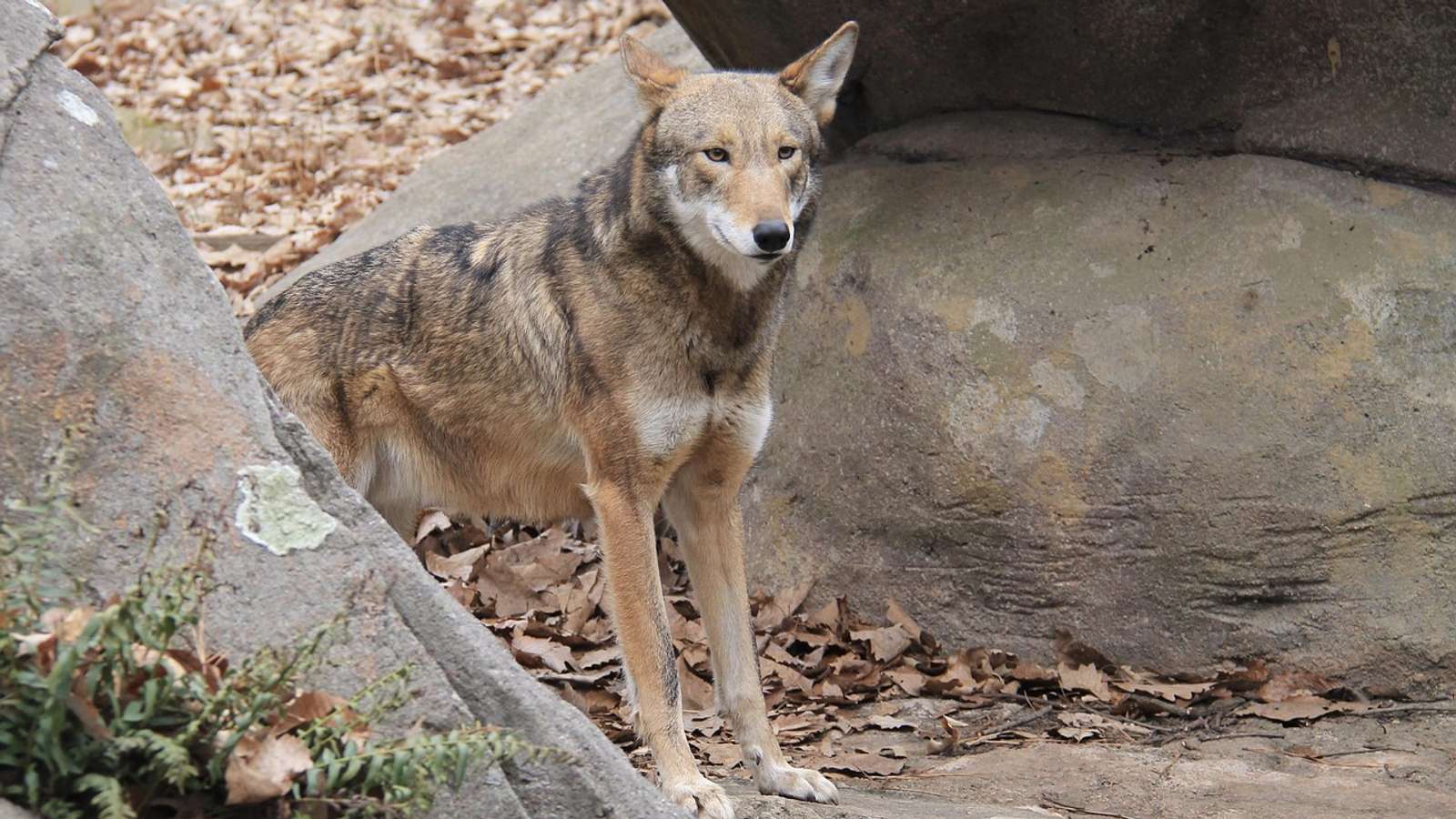
Seven critically endangered red wolves, parents Carolina and Jacques and their five pups, have moved from the Museum of Life and Science in Durham, North Carolina, to the Wolf Conservation Center in South Salem, New York, WUNC reported on 13 October. In exchange, the Durham museum receives a male and a female, Sabine and Mac Tíre, from the New York center.
The swap is part of the American Red Wolf SAFE (Saving Animals From Extinction) program of the Association of Zoos and Aquariums, which plans breeding moves to keep the captive population as genetically diverse as possible.
First-time parents with a litter named after a hockey team
Carolina, seven, and Jacques were first paired at the Wolf Conservation Center in late 2024 and moved to Durham in November 2025 on the program's recommendation. Their first litter, three males and two females, was born on 5 May. The pups are named Cane, Champ, Puck, Stormy and Whaler, after the Carolina Hurricanes' 2026 Stanley Cup win.
The museum says the move will give the growing family more room and let Carolina and Jacques raise another litter. Researchers believe the pair could have more pups in 2027.
“Every red wolf transfer is guided by what will have the greatest benefit for the species and for the individual animals.” — Sherry Samuels, Senior Director of Animal Care, Museum of Life and Science
About 30 in the wild, just under 300 in care
The numbers explain why each breeding pair matters. Only about 30 red wolves remain in the wild, all in eastern North Carolina, and just under 300 live in captive breeding facilities, according to U.S. Fish and Wildlife Service estimates cited by WUNC. Red wolves were once common across the eastern and south-central United States, but intensive predator control had decimated them by the early 20th century, the agency says.
With so few animals, every litter adds genetic variety that the species needs, both in zoos and for possible future releases.
Captive breeding is behind several recoveries covered in our species recovery stories. The Wolf Conservation Center has not said when the family will be visible to the public; Sabine and Mac Tíre are moving the other way, to Durham.
Sources
- WUNC (Museum of Life and Science) · wunc.org
- fws.gov
How we choose and verify sources: editorial policy.