New groundwater systems in Ethiopia's Somali Region now supply 41,112 people, seven schools and three clinics
A UNDP groundwater project in Ethiopia's Somali Region drilled 11 high-yield boreholes in 2026, and four water systems now supply 41,112 people, seven schools, three health facilities and 76,618 livestock.
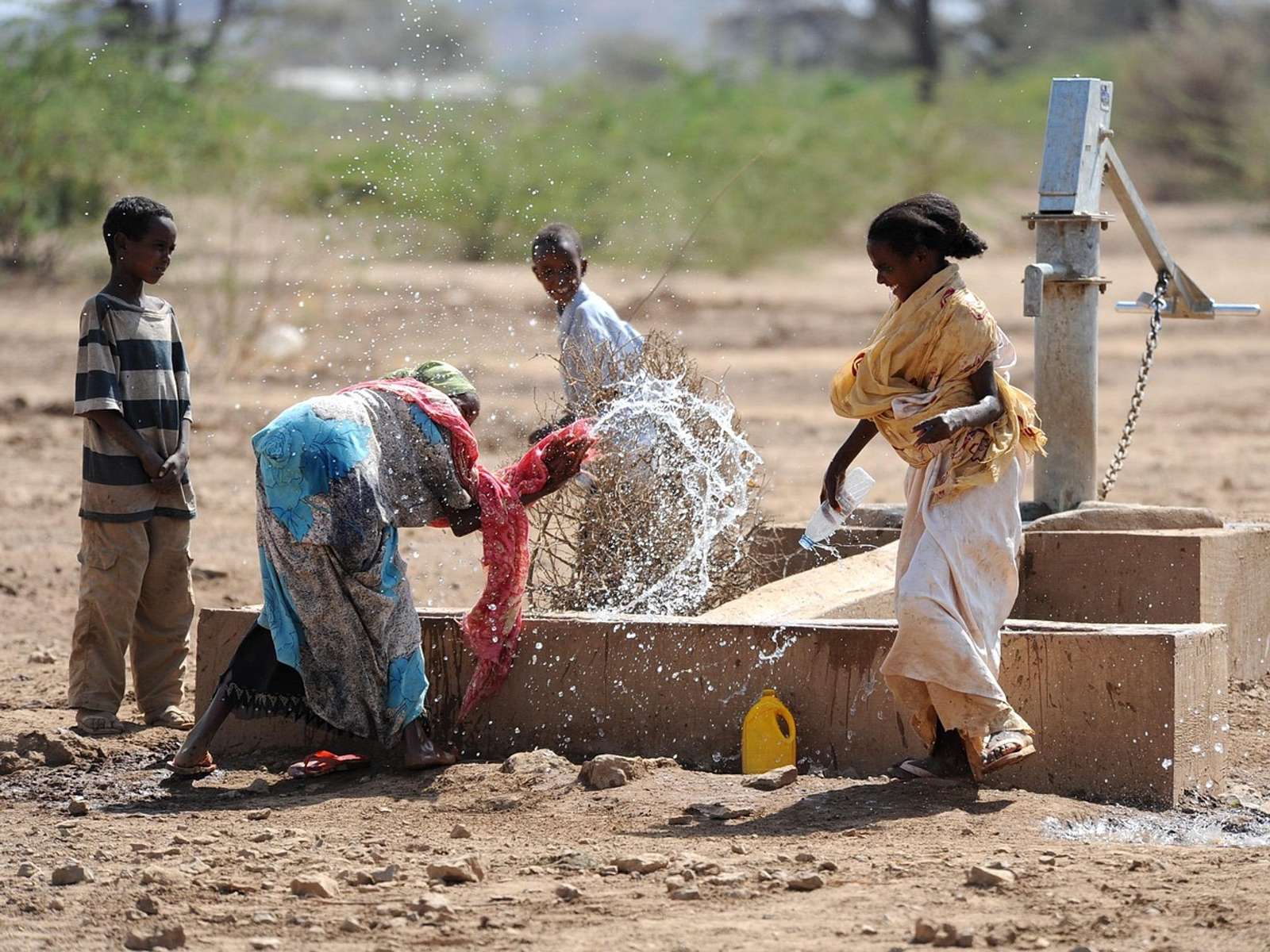
Four new water systems built on deep groundwater are now supplying 41,112 people, seven schools and three health facilities in Ethiopia's drought-hit Somali Region, the UN Development Programme (UNDP) said. The Productive Use of Water Project also provides water for 76,618 livestock.
When three rainy seasons failed
In 2022, three rainy seasons in a row failed across Ethiopia's lowlands. Wells ran dry, livestock died and crops withered, and for more than 155,000 children in the Somali and Oromia regions the school day began with a search for water, according to UNDP. A year later, more than 1 million people in the Somali Region faced acute water shortages at 323 locations. Water trucking kept communities going, but it is not a lasting solution.
Boreholes that beat their targets
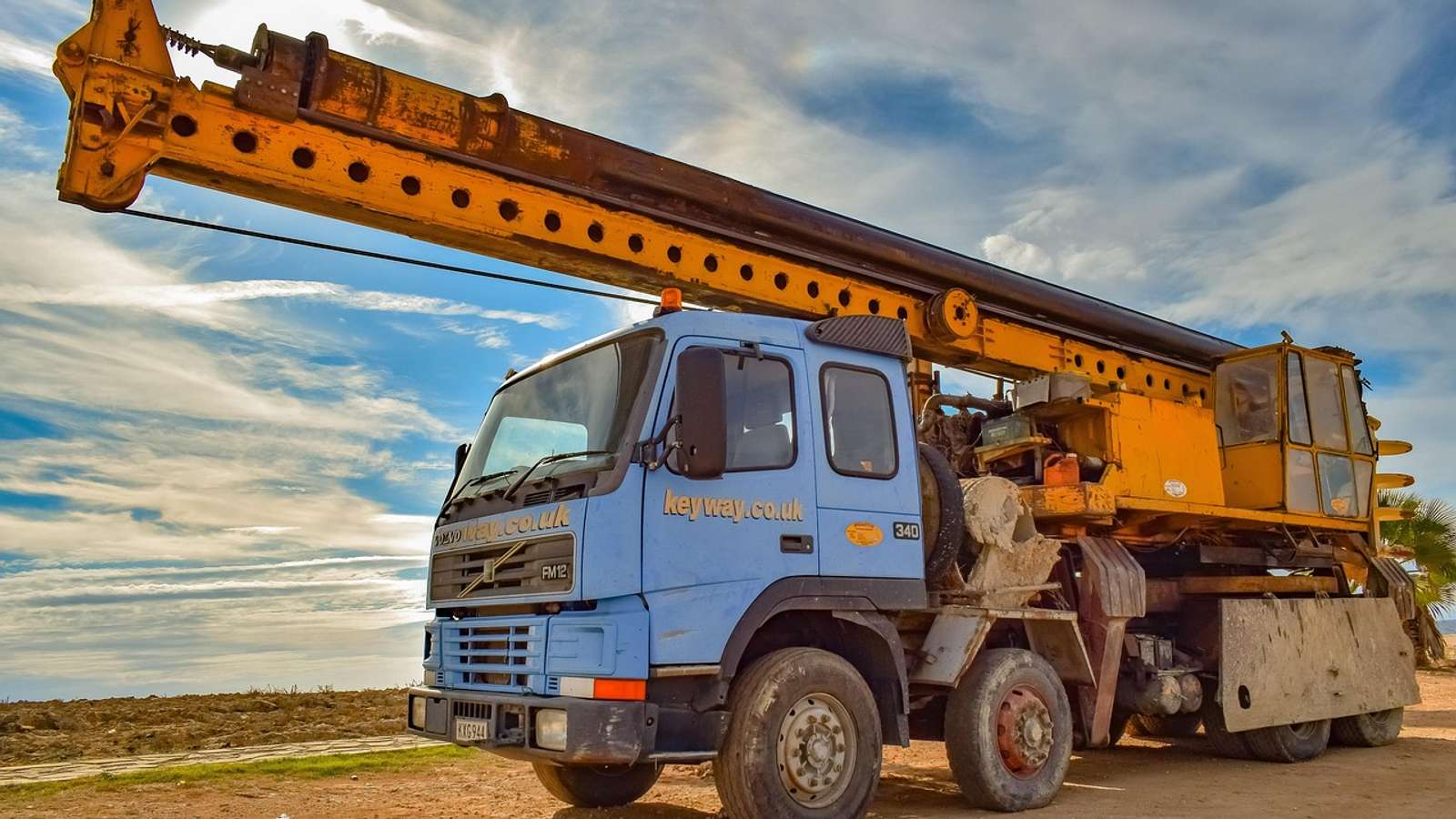
Between January and September 2026, the project drilled 11 boreholes. Each was designed to deliver 5 liters per second and instead produced 10 to 20 liters per second. As of September, four water systems in Dhagahbour, Shinile and Waaji were running, serving seven schools with 7,349 students. The strong yield at the Waaji wellfield allowed the water supply scheme for the city of Jijiga to be redesigned to reach many more people, through a 20 km pipeline co-financed by the Somali Regional Government with $1.6 million.
The project is run by UNDP under the Groundwater Access Facility for Africa, with funding from the Children's Investment Fund Foundation (CIFF), Ethiopia's federal water and energy ministry and the Somali Regional Government. It faced equipment logistics problems and nationwide fuel shortages, and responded with better maintenance arrangements, dedicated fuel storage and closer coordination with authorities.
Keeping the water flowing
The partners have agreed to measure success by water delivered through complete, working systems, not by boreholes drilled. Town utilities are being trained to run the wellfields, rural water committees will maintain smaller schemes, and an independent firm will certify construction. The project aims for 5 operational systems by the end of 2026 and 13 by 2027. More water stories are collected under clean water.
Sources
- United Nations Development Programme (UNDP) · undp.org
How we choose and verify sources: editorial policy.