Wales' only short-necked oil beetles are breeding again after two years without a sign of young
Surveyors found larvae of the short-necked oil beetle at Castlemartin Range in Pembrokeshire, its only site in Wales, after surveys in 2022 and 2025 found only dead adults, Natural Resources Wales said.
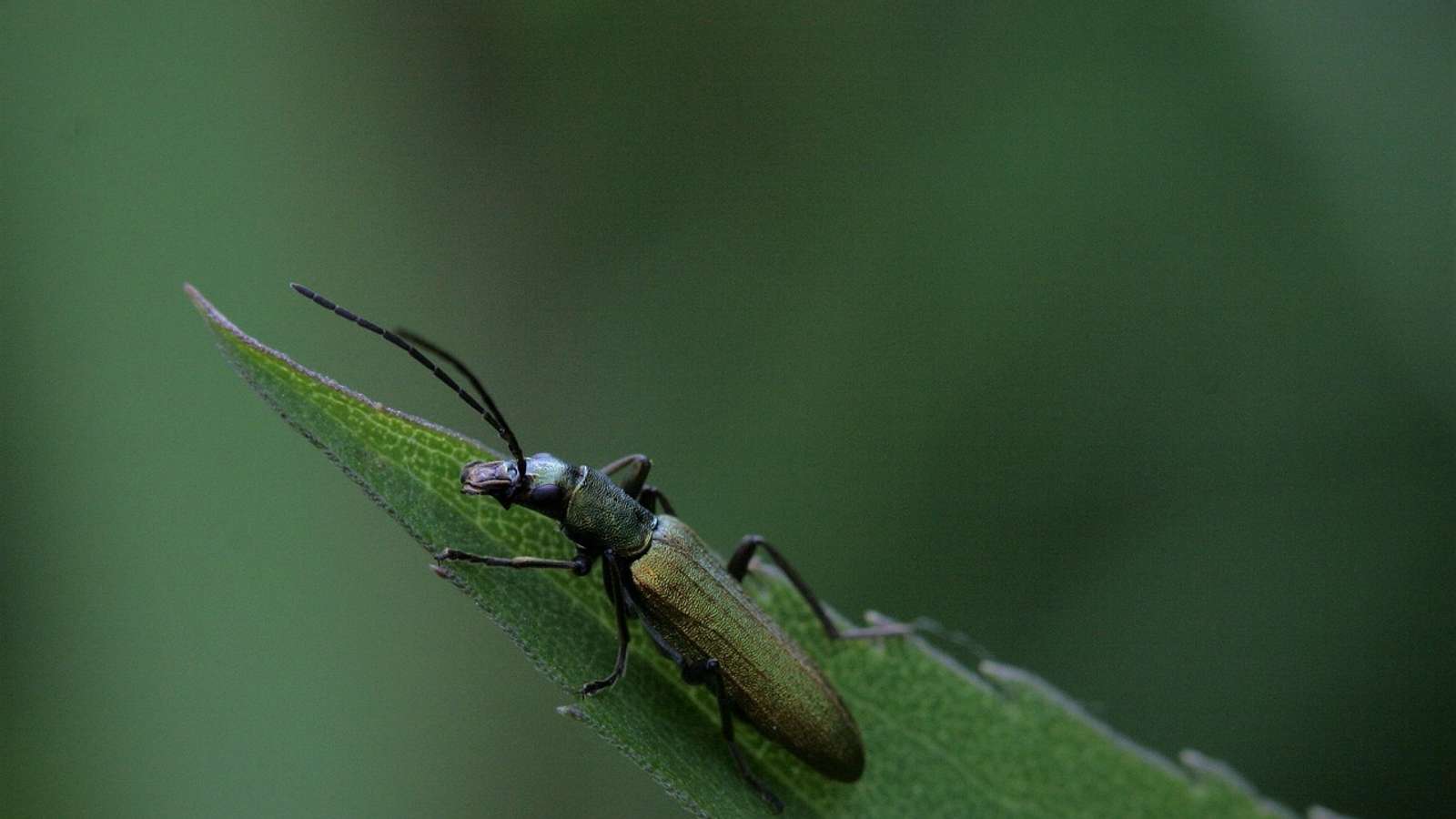
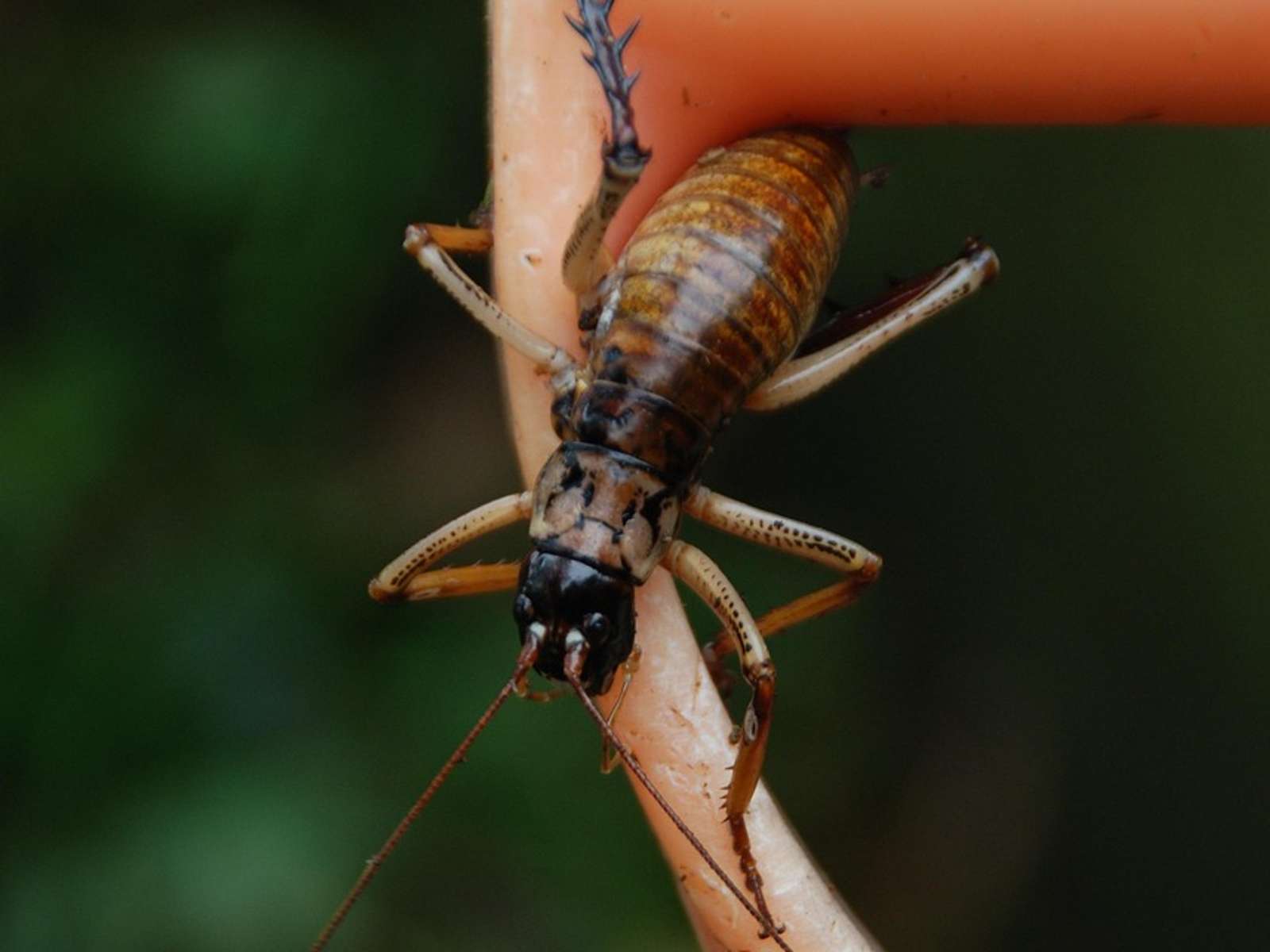
A rare beetle has been found breeding again at its only home in Wales, Natural Resources Wales (NRW) said on 28 October. Surveyors found larvae of the short-necked oil beetle, Meloe brevicollis, on Castlemartin Range in Pembrokeshire, after three years of searching.
Two years of dead adults, then larvae
The finding came after worrying years. Surveys in 2022 and 2025 found only dead adult beetles, which raised concerns about the species' future on the site, and there were two years without any larval sightings. In 2026, surveyors found larvae on a small part of the range. Their number, distribution and timing suggested the team had caught some hatchlings from a larger batch of young beetles.
“It was very exciting to find this species and evidence of its breeding again.” — Anna Hobbs, Project Delivery Officer, Bumblebee Conservation Trust
A beetle that hitchhikes on bees
The short-necked oil beetle has an unusual life cycle. Its larvae hitch a ride on solitary bees to the bees' nests, so the beetle depends on those bees to complete its life cycle. It also needs bare earth to lay its eggs, thick vegetation for shelter and plenty of flowers, a combination that few sites in the UK provide.
Part of a wider recovery program
The Bumblebee Conservation Trust has surveyed and monitored Castlemartin as part of the Shrill Carder Bee project, funded by The National Lottery Heritage Fund and part of Natur am Byth, a Welsh species recovery program. The work also supports other species that share the habitat, including the goldilocks aster and the pale dog violet.
“We are very grateful to our partners and volunteers for persevering with us after two years without larval sightings,” Hobbs said. The 2026 survey was the project's last for this species, but management of the site is expected to continue. More insects and other small creatures are collected under invertebrate conservation.
Sources
- Natural Resources Wales · naturalresources.wales
How we choose and verify sources: editorial policy.