Lab Breakthrough Offers New Hope for Poland's Critically Endangered Pondweed
Polish scientists have published the first complete lab protocol for mass-producing Groenlandia densa, a critically endangered aquatic plant, turning a handful of tissue fragments into thousands of new plants for river restoration.
Researchers in Poland have published the first complete laboratory recipe for mass-producing a critically endangered aquatic plant from tiny tissue fragments, offering conservation teams a reliable source of new plants for restoration without having to keep harvesting the dwindling wild population.
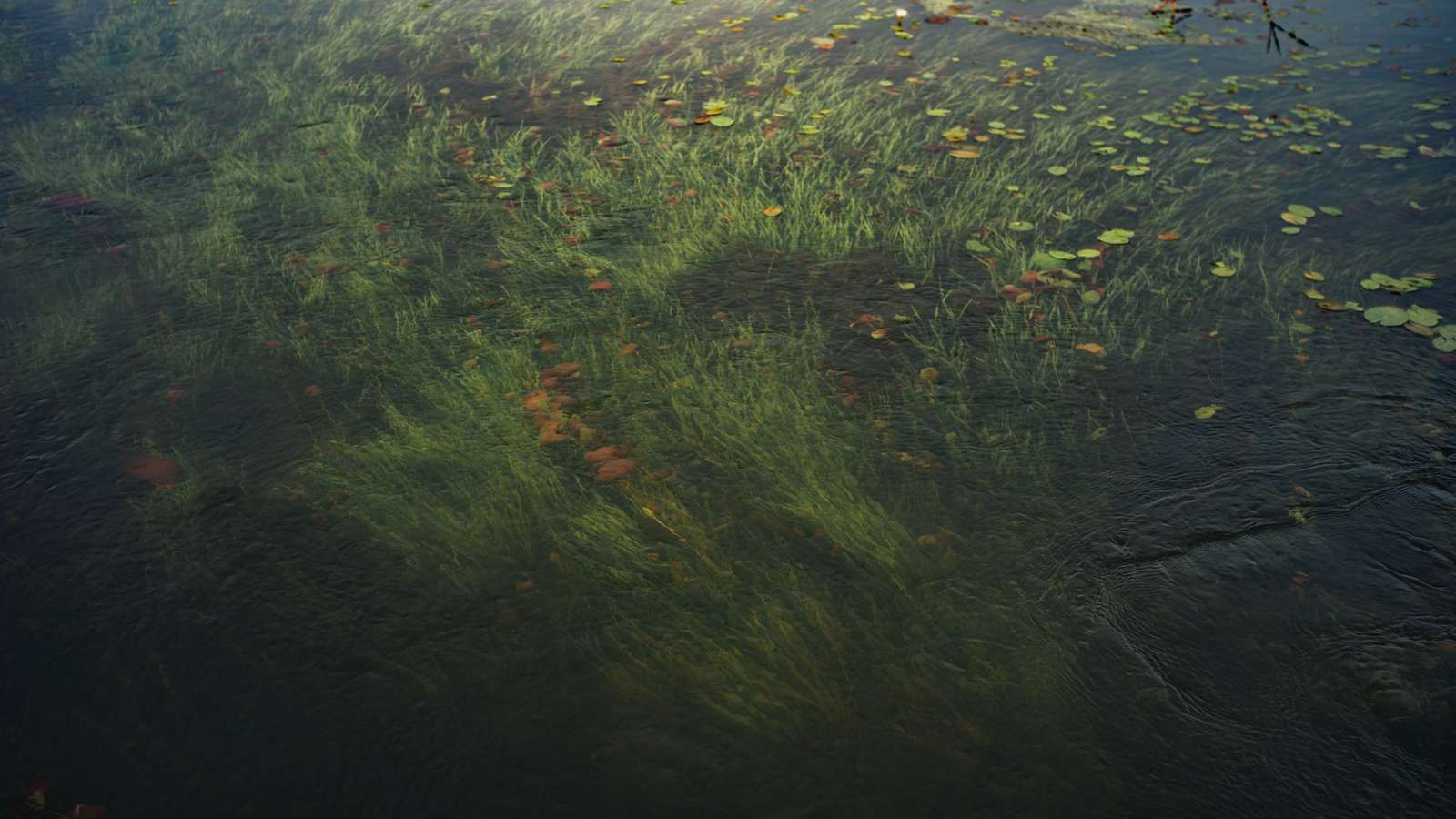
The protocol, developed by Danuta Kulpa and Mariola Wróbel at the West Pomeranian University of Technology in Szczecin, targets Groenlandia densa, known as opposite-leaved pondweed, a submerged plant that oxygenates water, shelters invertebrates and young fish, and serves as an indicator of clean water. The work was published August 30, 2026, in the open-access journal Plant Methods.
A plant in decline across Europe, not just Poland
Opposite-leaved pondweed is classified as critically endangered in Poland, but its troubles are not confined to one country. In Britain, where the species is listed as Vulnerable on the national Red List, a survey of previously known sites found the plant persisting at only about 23 percent of locations revisited between 2008 and 2013, a sign of how much ground it has lost even in places it was once documented. It is similarly listed as Near Threatened in Ireland and Vulnerable in Wales. Across its range, the causes are consistent: nutrient pollution, sediment buildup, water abstraction, and the loss of the shallow, clear, mineral-rich water it needs to survive.
In Poland, restoration efforts around the River Drawa basin, part of the LIFE Drawa conservation project, had faced a practical bottleneck: there was no reliable way to grow new plants without pulling more material from wild populations that were already shrinking.
Turning a few fragments into thousands of plants
Micropropagation, the technique of growing whole new plants from small pieces of tissue in sterile lab conditions, is well established for many land plants but far less common for aquatic species. Submerged tissue is soft and constantly exposed to water-borne microbes, making contamination a persistent risk during the sterilization step needed before tissue can be cultured.
Kulpa and Wróbel worked out a sterilization process using brief ethanol exposure followed by a carefully calibrated sodium hypochlorite treatment, strong enough to clear contaminants without destroying the plant tissue. From there, they tested different plant hormones to find the best combination for growth: a synthetic cytokinin called meta-topolin outperformed the more commonly used BAP for encouraging new shoots, and a specific mix of meta-topolin and the rooting hormone IBA proved most effective for multiplying healthy plantlets.
The results were striking by tissue-culture standards. Each starting fragment produced a multiplication coefficient of 10.1, meaning it yielded more than ten usable new plants per six-week growth cycle. Run repeatedly, that kind of exponential increase means a small number of sterile founder shoots could realistically expand into thousands of plants within about a year.
From glass jar to open water
Growing plants in a lab is only half the challenge. Moving a plant raised in sterile, nutrient-rich culture into a real pond or stream is a frequent failure point, since lab-grown plantlets often have thin, underdeveloped cuticles and stomata that behave erratically outside controlled conditions.
To ease that transition, the researchers gradually reduced the nutrient concentration of the growth medium before moving plants out of culture, forcing them to build their own root systems and photosynthetic capacity ahead of time. Under this approach, acclimatization succeeded 100 percent of the time in the study, with plants transitioning successfully from sterile jars into living water.
Why this matters beyond one species
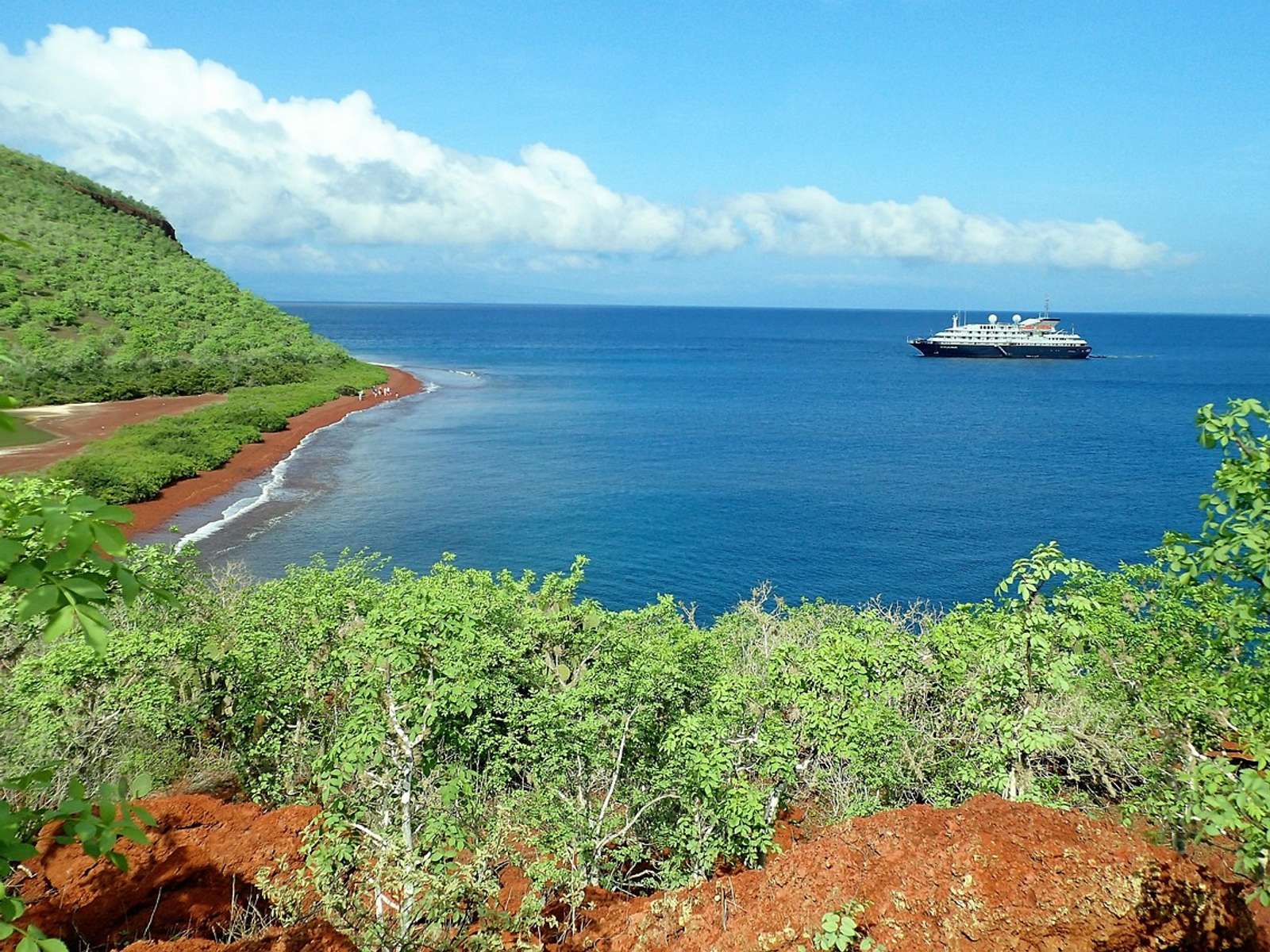
The protocol has not yet been deployed at field scale, and the researchers are clear that a lab technique alone will not save Groenlandia densa. Habitat protection, water quality management, and active reintroduction work still have to follow. What the research does provide is infrastructure: a documented, repeatable method that conservation teams can adopt immediately, without the years of trial and error that usually precede a working micropropagation protocol. Patient rescue work can bring a plant back from the brink: in the Galápagos, a plant reduced to six wild survivors now has 28 healthy adults at two restoration sites.
The authors also frame their approach, gentle sterilization, hormone screening, and staged acclimatization, as a template that could be adapted for other threatened aquatic plants facing the same basic obstacle: too few individuals left in the wild to propagate the normal way. For a plant that has quietly disappeared from a majority of its known European sites, a reliable way to grow it by the thousands is a meaningful head start.
Sources
- West Pomeranian University of Technology · bioengineer.org
How we choose and verify sources: editorial policy.