FedEx Volunteers Pack 10,000 Meals for Schoolchildren in Cebu, Philippines
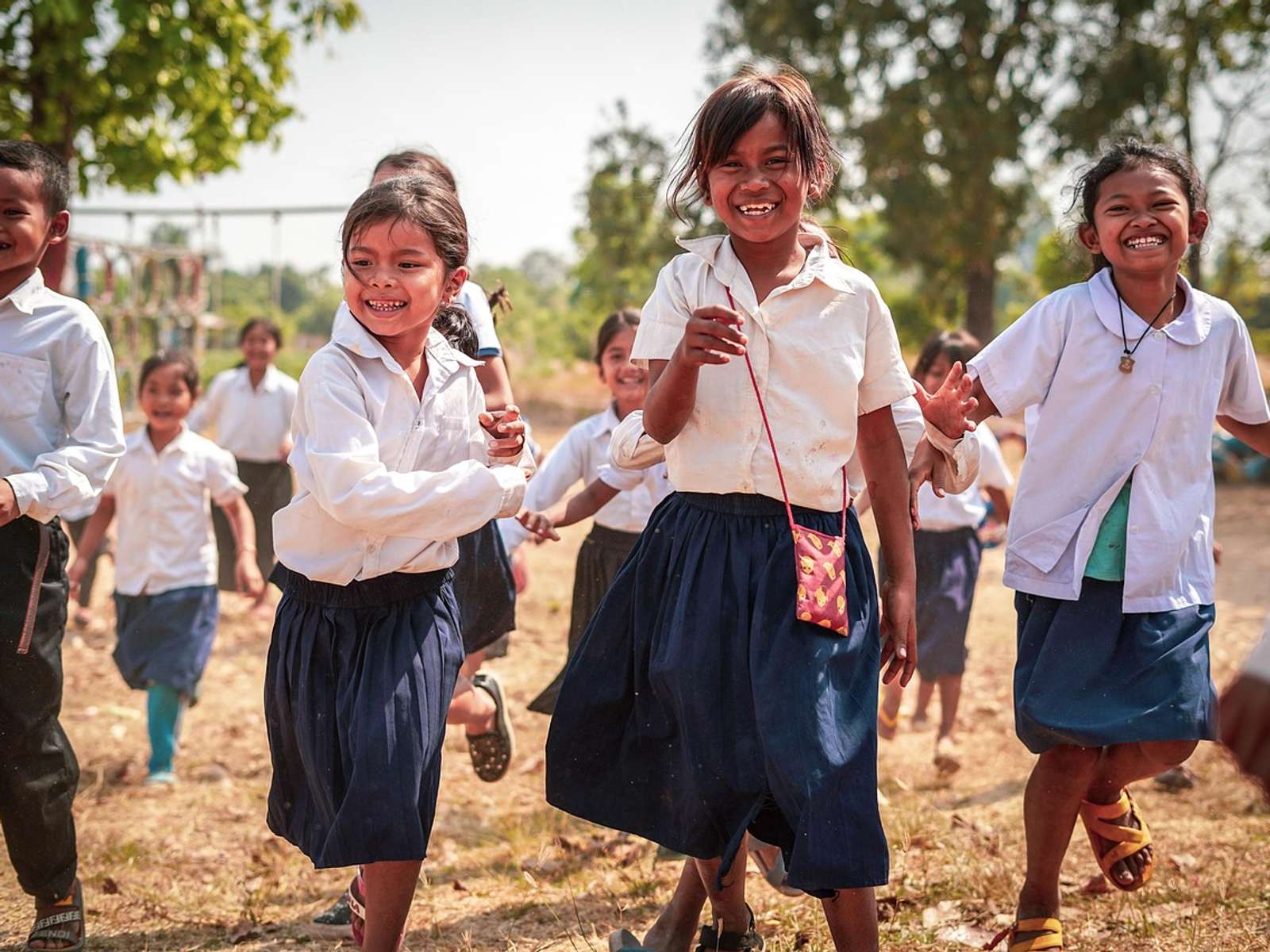
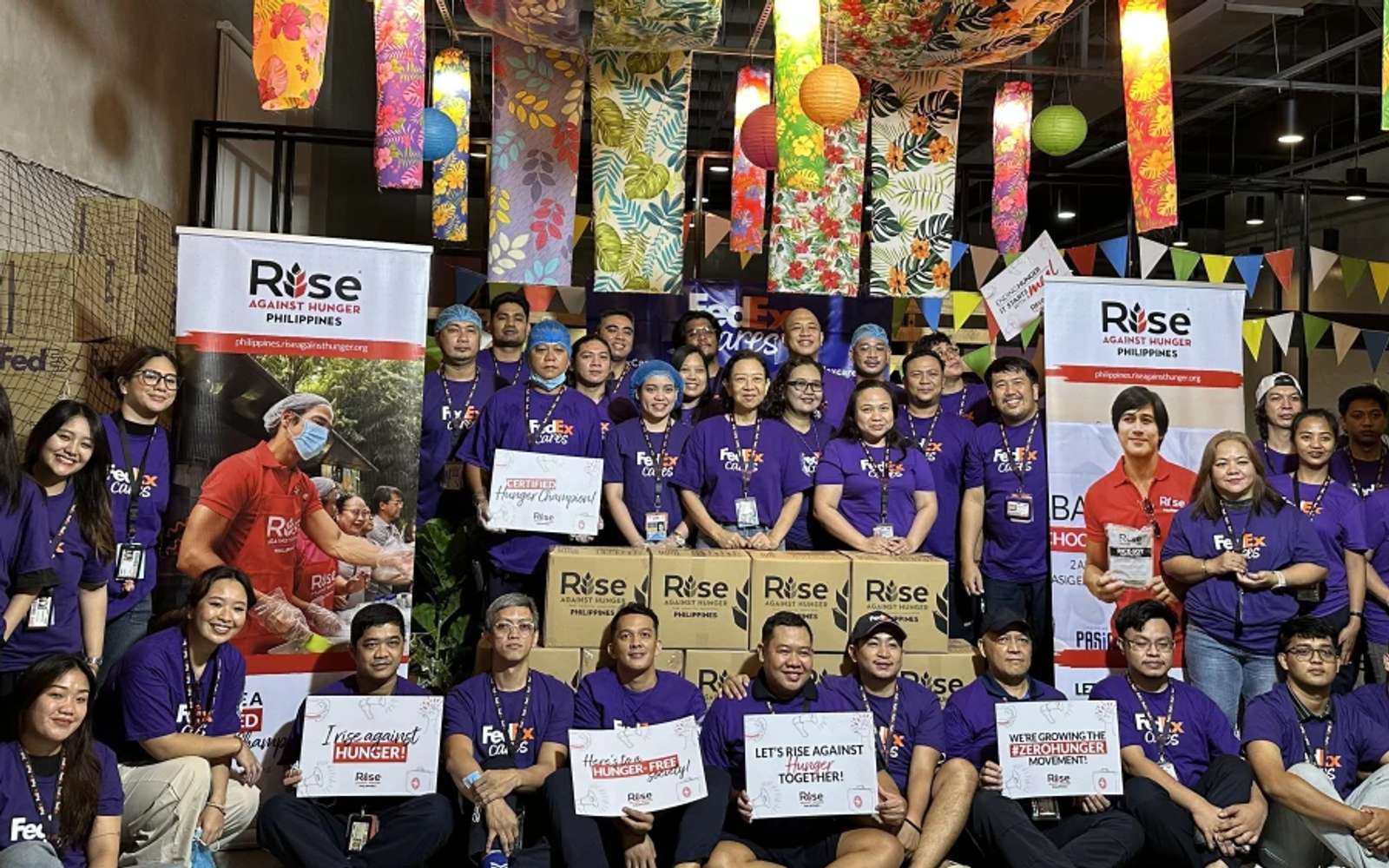
Sixty FedEx employees partnered with Rise Against Hunger Philippines to pack 10,000 fortified meal kits, enough to support 166 schoolchildren for four months, as the country faces its first rise in child stunting in a decade.
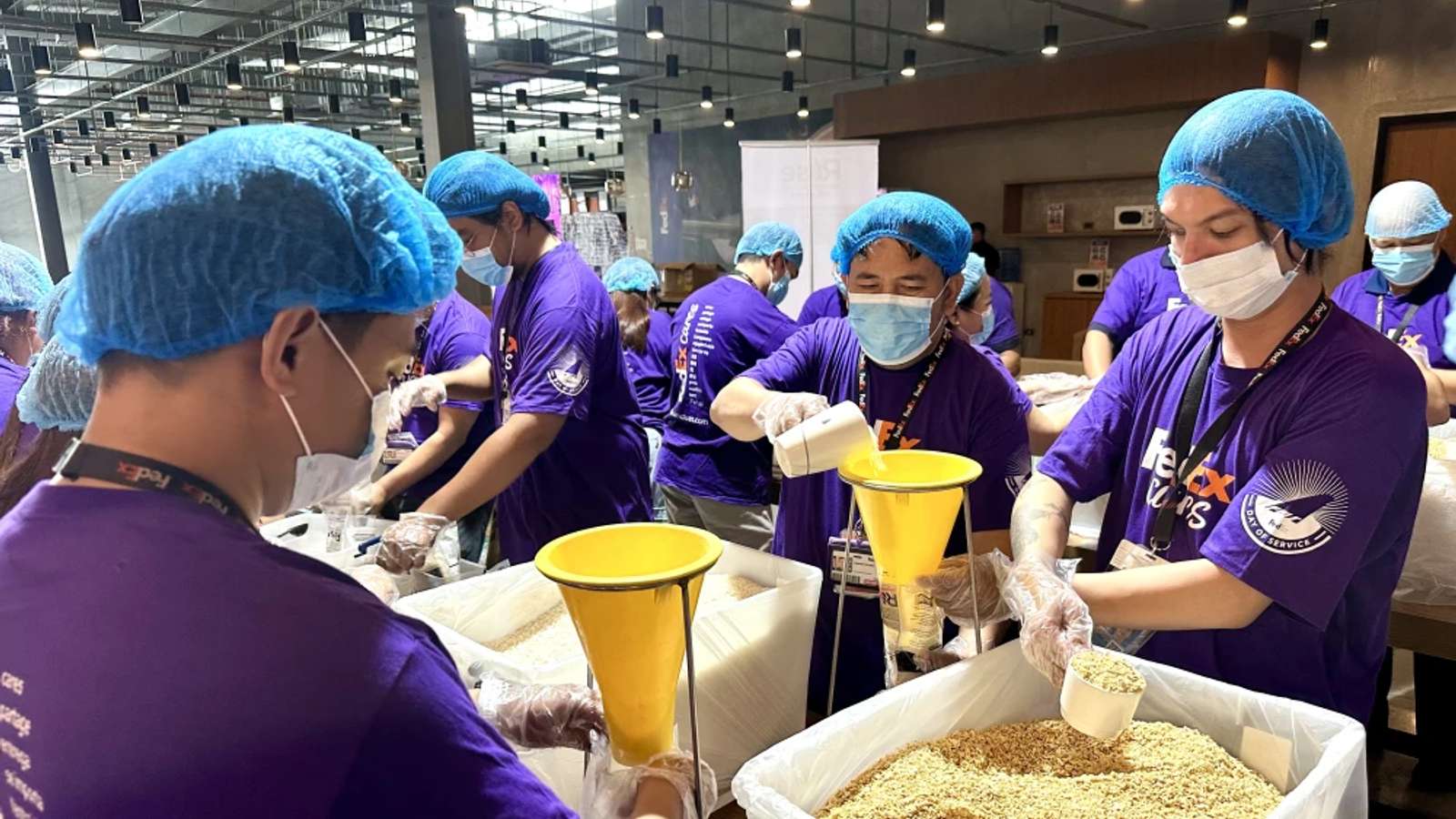
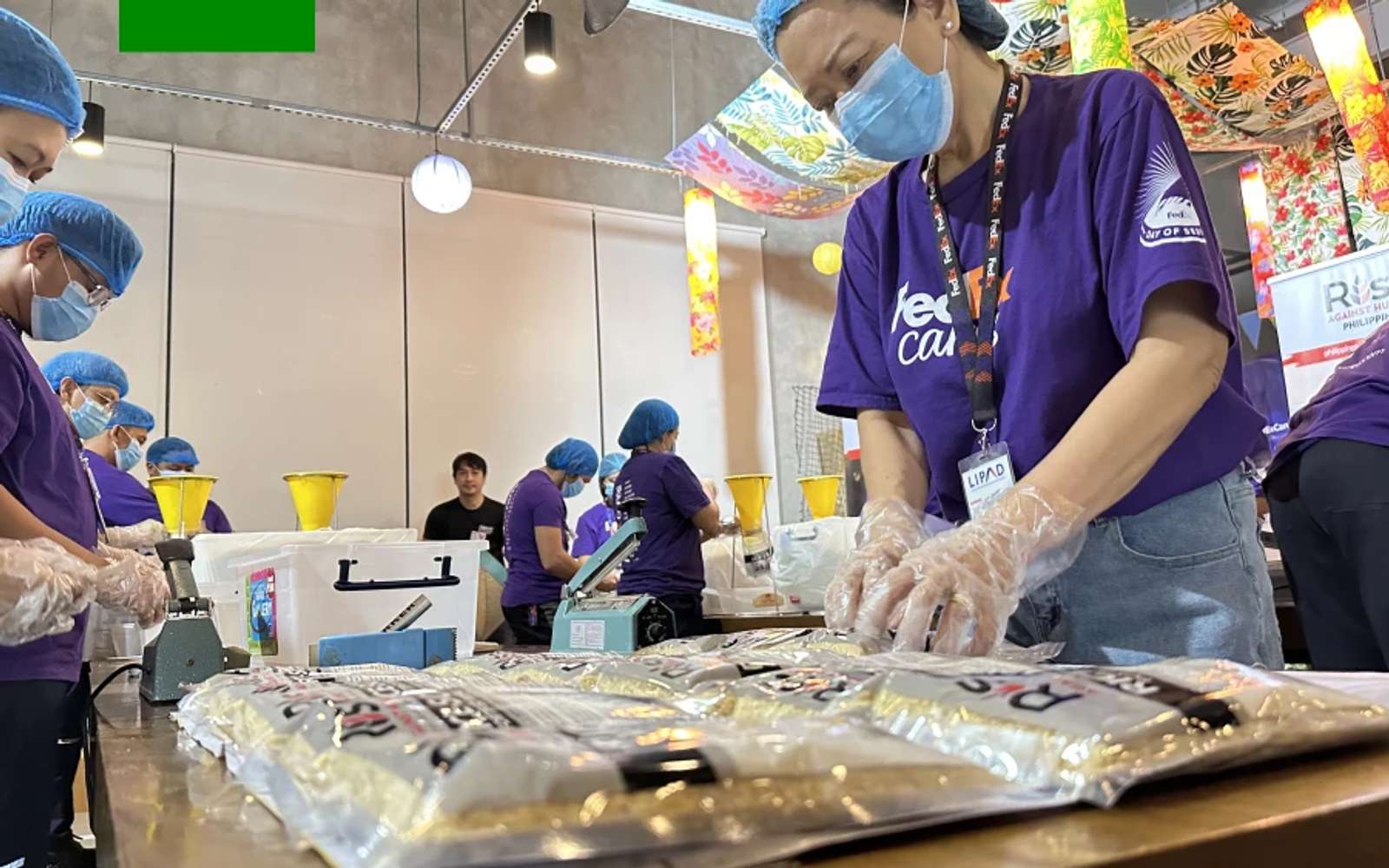
Sixty FedEx employees spent a day in Cordova, Cebu, packing 10,000 fortified meal kits for underserved schoolchildren, teaming up with the humanitarian group Rise Against Hunger Philippines. Some of the volunteers traveled from as far as Clark to take part. Together they filled bags with rice, dehydrated soy, dried vegetables and fruit, and a micronutrient powder containing 18 essential vitamins and minerals, a combination designed to support roughly 166 public school students for at least 120 days. Food drives can reach a big scale with enough helpers: in New York, the Buffalo Bills' Huddle for Hunger week collected a record 70,626 pounds of food.
The August 28 event was part of FedEx's "Purple Week," a company-wide celebration built around the FWS Day of Service, named for FedEx founder Frederick W. Smith.
Why nutrition support matters right now in the Philippines
The timing gives the packing day more weight than a typical volunteer photo opportunity. The Philippines' Department of Science and Technology's Food and Nutrition Research Institute released a 2025 survey showing that child stunting rose to 25.3 percent among children under five, up from 24 percent in 2023. It is the first increase in a decade, following years of steady decline since 2015, meaning roughly one in four young Filipino children is now affected.
The same survey found that a third of Filipinos experience moderate to severe food insecurity, with many households borrowing from relatives or buying groceries on credit just to get by. The problem is uneven across the country: stunting reaches 36 percent in the Bangsamoro region and 34 percent in the Zamboanga Peninsula, and is notably higher in rural areas (28 percent) than in cities (23 percent). Education officials have warned that malnourished children often arrive at school already behind in cognitive development and language, turning a nutrition problem into a long-term learning one.
Part of a longer-running partnership
This was not FedEx and Rise Against Hunger's first collaboration. Earlier this year, the two organizations distributed 3,600 meals to Aeta indigenous communities in Pampanga. Rise Against Hunger itself, founded in 1998 under the name Stop Hunger Now, says its Philippine programs now reach an estimated 1.73 million people annually through school feeding initiatives, mobile kitchens, community food banks and urban farms, often working alongside groups such as International Care Ministries, Convoy of Hope and Salesian Missions. The Cebu packing day fits into that broader, years-long effort rather than standing alone as a one-time gesture.
What the organizers said
"Every child deserves the opportunity to learn, grow, and reach their full potential, and proper nutrition is an important foundation," said Maribeth Espinosa, Managing Director of FedEx Philippines.
Sally Bull, Director of Philanthropy at Rise Against Hunger, said the meals packed during the event "will help nourish children while supporting their education."
A small piece of a much bigger challenge
Ten thousand meal kits will not, on their own, reverse a national stunting trend affecting one in four children under five. What the Cebu event does offer is a concrete, measurable contribution, roughly four months of supplemental nutrition for 166 students, delivered through a partnership that has repeated itself over time rather than a single act of corporate goodwill. Whether that kind of volunteer-driven support can help bend the national numbers back toward decline will depend on whether efforts like it continue, and scale, alongside the government and NGO programs already working on the same problem.
Sources
- FedEx Newsroom · newsroom.fedex.com
How we choose and verify sources: editorial policy.