Volunteers Complete 15-Hour Rescue of Climber Stranded on Six-Inch Sierra Nevada Ledge
An all-volunteer search and rescue team spent 15 hours reaching climber Rob Martin, stranded on a six-inch ledge 10,000 feet up California's Laurel Mountain, and brought him down safely overnight.
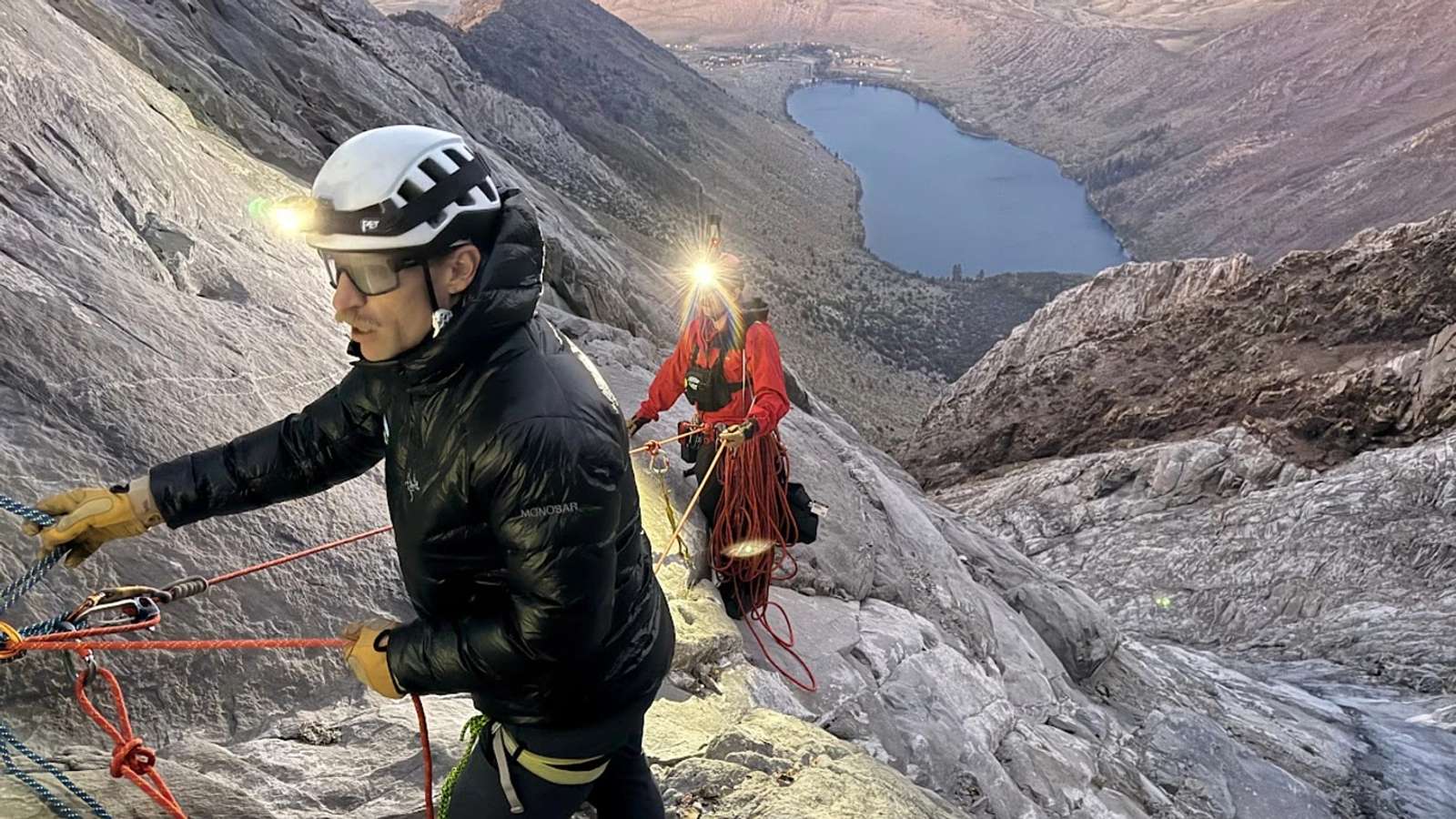
A climber stranded overnight on a six-inch-wide ledge, 10,000 feet up a Sierra Nevada peak with thousands of feet of open air beneath him, was brought down safely after an all-volunteer rescue team spent 15 hours reaching him in the dark.
Rob Martin had wandered off-route while climbing the Mendenhall Couloir on Laurel Mountain, near Mammoth Lakes, California, when the terrain turned into unprotectable, near-vertical rock with no safe way up or down. He triggered an SOS on his Garmin InReach satellite communicator at 1:20 p.m. on August 22. By the time rescuers reached him, he had spent hours balancing with only half his foot on the ledge at a time, alternating legs to fight off cramping.
A rescue that had to happen on foot
A California Highway Patrol helicopter tried to help but was grounded by 30-knot winds, leaving the rescue to Mono County Search and Rescue, a volunteer team operating under the Mono County Sheriff's Office. After roughly two hours of searching, rescuers located Martin, then hauled 1,200 feet of rope and rescue-bolting equipment up 1,200 vertical feet of terrain, much of it on loose, water-polished slate and limestone, using a 6x6 off-highway vehicle to get as close as the ground would allow before climbing the rest by headlamp.
Rescuer Mitchell Quiring descended to Martin, clipped him into the lowered rope system and eliminated the immediate risk of a fall. The full operation, from the first alert to Martin's return to solid ground, ran about 15 hours and wrapped up in the early hours of Sunday morning.
What it felt like from the ledge
Martin described leg and hand cramps setting in as the hours passed, and moments of what he called "scary and lonely thoughts" while he waited. Once safe, he was direct about who got him through it: "Mitch and his team saved my life."
The terrain has caught climbers before
The Mendenhall Couloir climbs roughly 3,000 vertical feet toward Laurel Mountain's 11,818-foot summit. Its central gully offers smooth, relatively predictable rock, but the terrain bordering it is loose and unforgiving, and wandering off the main line quickly leads into the kind of unprotectable climbing Martin found himself stuck in. It has happened before: a 2020 rescue in the same couloir involved a climber hit by falling rock who suffered head trauma and a broken leg.
A team that does this for free, again and again
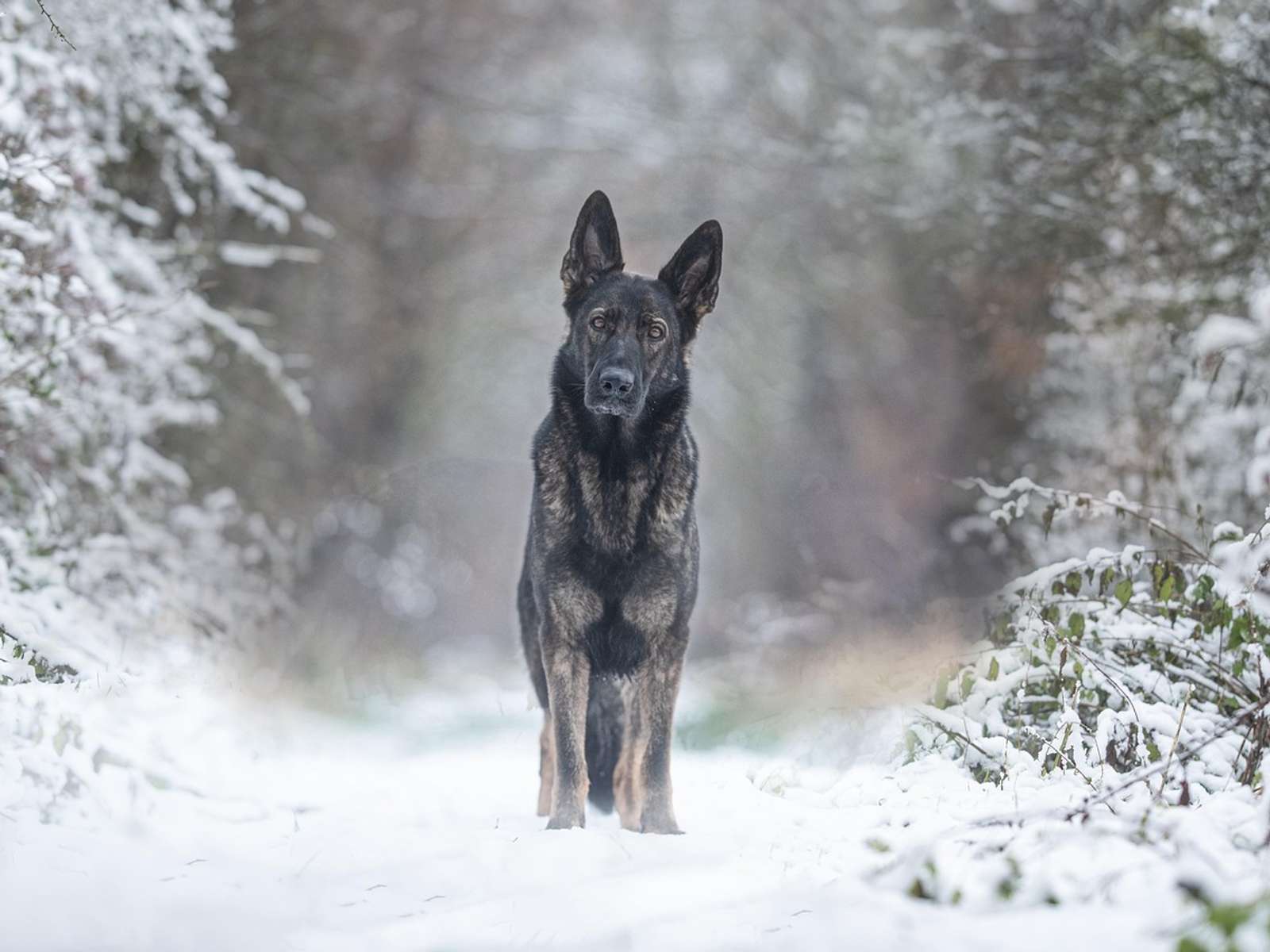
Mono County Search and Rescue has operated under that name since 1994, growing out of the earlier June Lake Mountain Rescue Team. It fields around 35 trained volunteers who typically respond to 30 to 50 missions a year across the county's mountains, in any weather, at any hour, without pay. Martin's rescue was already the team's 43rd operation of 2026, with the summer season still not over, a sign of how heavily this small volunteer force is leaned on across the Eastern Sierra's peak climbing months. Trained search teams make the difference elsewhere too: in Colorado, a sheriff's K9 named Arch found three missing children a mile into the woods.
His satellite communicator likely made the difference between a fast rescue and no rescue at all. Garmin's network alone logged more than 3,000 inReach SOS activations last year, the large majority from hikers and backpackers, and the company's response center was able to talk roughly 12 percent of those callers through self-rescue without ever dispatching a ground team. Martin's situation was too precarious for that kind of remote guidance, but the device gave rescuers Martin's location and the urgency of his situation immediately, rather than leaving him to be reported missing hours or days later.
Sources
- The Associated Press · apnews.com
How we choose and verify sources: editorial policy.