Engineered Bacteria Help Ocean Rocks Capture Carbon 2.6 Times Faster
Harvard and Stanford scientists engineered marine bacteria that speed up natural rock weathering, a process that traps atmospheric carbon dioxide in seawater, achieving a 2.6-fold increase in mineral dissolution in early pilot tests.
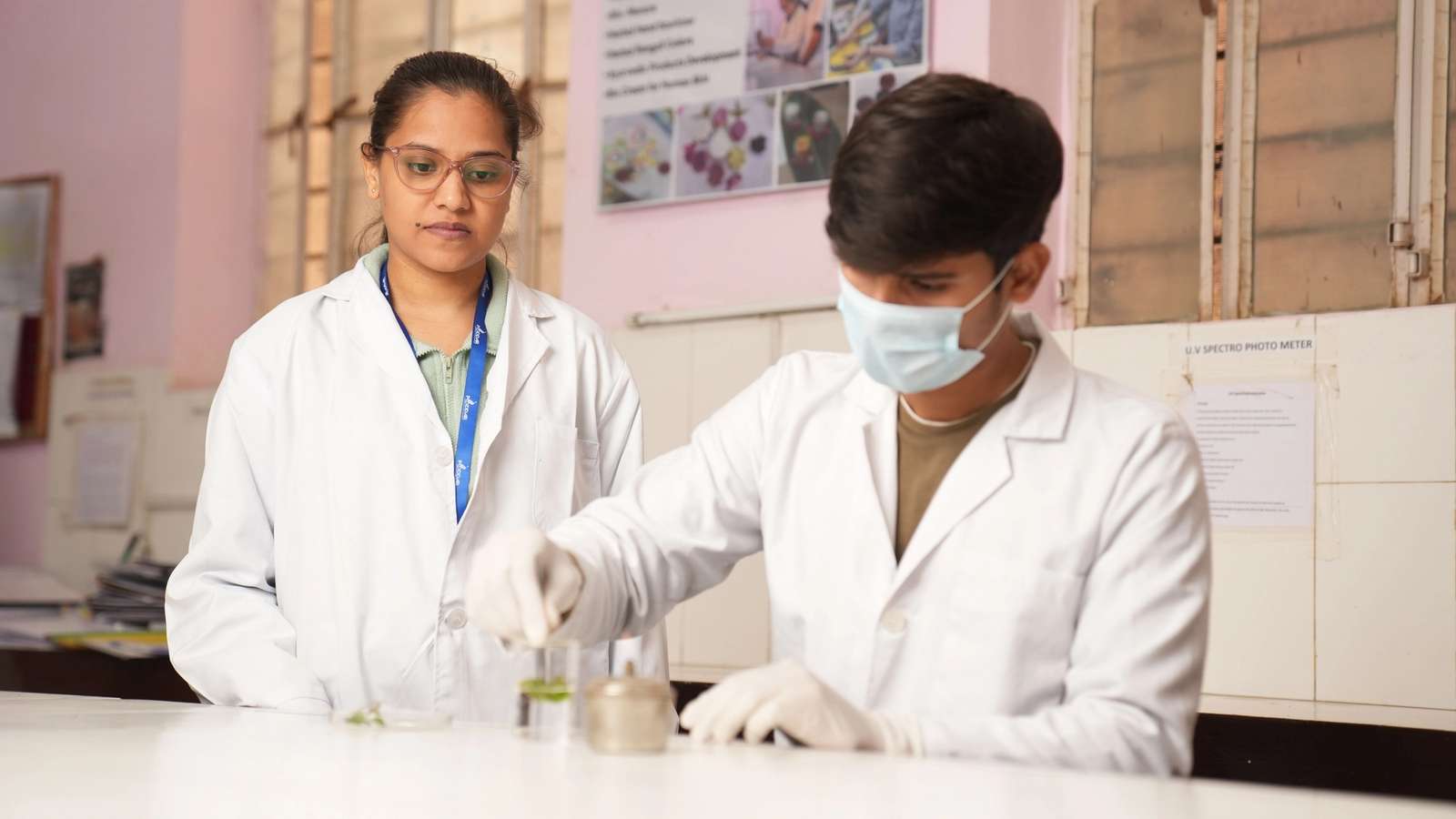
Scientists at Harvard's Wyss Institute, Harvard Medical School, and Stanford University have engineered marine bacteria that speed up one of nature's slowest carbon-removal processes, offering a promising new tool in the effort to draw down atmospheric carbon dioxide using the ocean.
In a study published August 28, 2026, in Nature Biotechnology, the team showed that bacteria modified to work harder at extracting iron from rock could accelerate the natural weathering of silicate minerals by 2.6 times. The process, called rock weathering, normally locks carbon dioxide away as stable bicarbonate over hundreds of thousands of years. The new research suggests biology could help compress that timeline dramatically.
An ancient process, sped up
When silicate rocks such as olivine dissolve in water, they release magnesium, iron, and silicate while trapping carbon dioxide from the surrounding water in a stable mineral form. It is one of the planet's original carbon sinks, but it is far too slow on its own to make a meaningful dent in current emissions.
One reason the process drags is rust. As iron is released from dissolving rock, it oxidizes and forms a crust on the mineral's surface, which blocks further weathering. Bacteria naturally produce molecules called siderophores that scavenge iron from their environment, but they typically stop producing siderophores once enough iron is available nearby, since the ongoing dissolution keeps replenishing the local supply.
Engineering bacteria to keep working
The research team, led by Wyss Founding Core Faculty member Pamela Silver and Associate Faculty member Michael Springer, focused on a marine bacterium called Alteromonas macleodii. Using genetic engineering, first author Neil Dalvie and colleagues altered the bacteria so they continuously produce high levels of siderophores regardless of how much iron is already present, effectively stripping away the rust that would otherwise slow the reaction.
"We engineered A. macleodii to always produce siderophores," the researchers explained, describing how they decoupled siderophore production from the environmental iron levels that normally regulate it. The genetic engineering itself took about a month, according to the team.
From lab dishes to pilot reactors
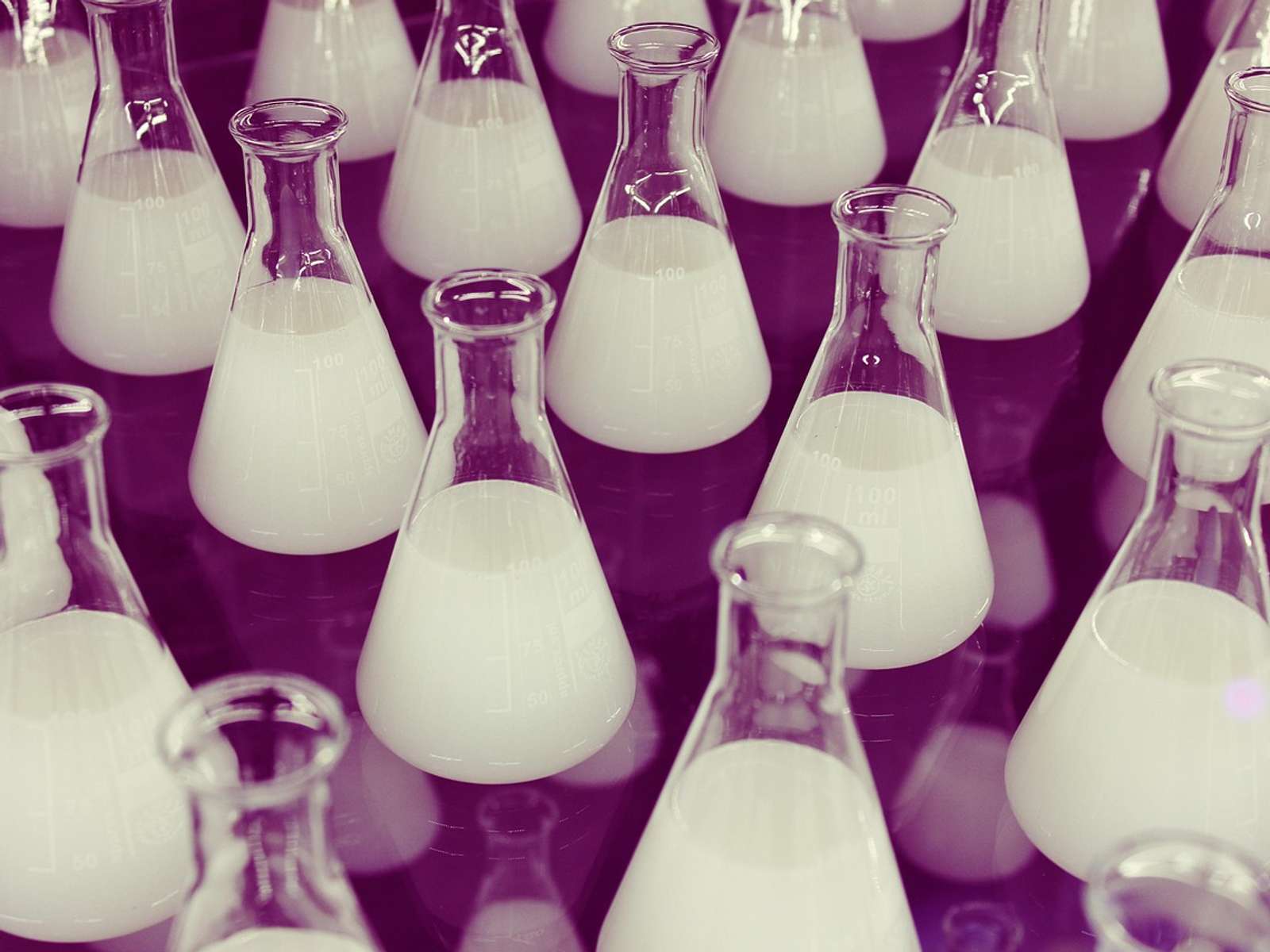
The Harvard team, working with Stanford collaborators Abigail Fitzgibbon and Steven Davis, tested the engineered bacteria first in small eVOLVER bioreactors before scaling up to pilot-size systems using several kilograms of olivine sand submerged in raw seawater drawn from Boston Harbor. In those pilot-scale trials, the engineered bacteria removed roughly 0.5 grams of atmospheric carbon dioxide per day.
The results confirmed the 2.6-fold acceleration in mineral dissolution held up outside the smallest lab setups. "Operating at pilot scale allowed us to solve scale-up problems," the researchers noted, while still capturing a measurable amount of carbon dioxide.
Why the approach matters
Enhanced rock weathering, the broader climate strategy of spreading crushed minerals to speed natural carbon capture, has drawn growing interest as a way to remove carbon dioxide already in the atmosphere rather than just cutting new emissions. But existing versions of the approach have generally been too slow to be practical at industrial scale. Boosting the process with engineered microbes gives researchers a biological lever they can potentially tune further.
"Our study embraces biologically inspired engineering and how synthetic biology can enhance climate-regulating processes," the team said of the broader approach behind the work.
What comes next
The results so far come from laboratory and pilot-scale bioreactors, not open-ocean deployment, and the researchers are careful to describe this as an early but encouraging step. Future work will need to address how to scale the process further, identify affordable and abundant sources of the mineral feedstock, and evaluate the long-term environmental effects of deploying engineered bacteria at larger volumes.
The team is also exploring whether valuable metals could be recovered alongside carbon capture during the process, potentially improving the economics of future deployment. One idea the researchers floated is growing the bacterial strains in large basins similar to those used at sewage treatment plants, which could offer a practical path to scaling up the technology. Microbes are being put to work for the ocean in other ways: in the Red Sea, probiotic bacteria helped corals get through a marine heat wave.
The research was supported by the Wyss Institute Director's Fund, the Synthetic Biology Hive at Harvard Medical School, the Harvard Climate and Sustainability Translational Fund, the Salata Institute for Climate and Sustainability, a Garden Grant from the Homeworld Collective, and a Schmidt Science Fellowship.
Sources
- Harvard's Wyss Institute · wyss.harvard.edu
How we choose and verify sources: editorial policy.