South Korea Exports Surge 68.7% as Chip Demand Extends Growth Streak to 15 Months
Fueled by AI-driven demand for memory chips, South Korea posted its 15th consecutive month of export growth in August, with shipments up 68.7% to a record $98.25 billion.
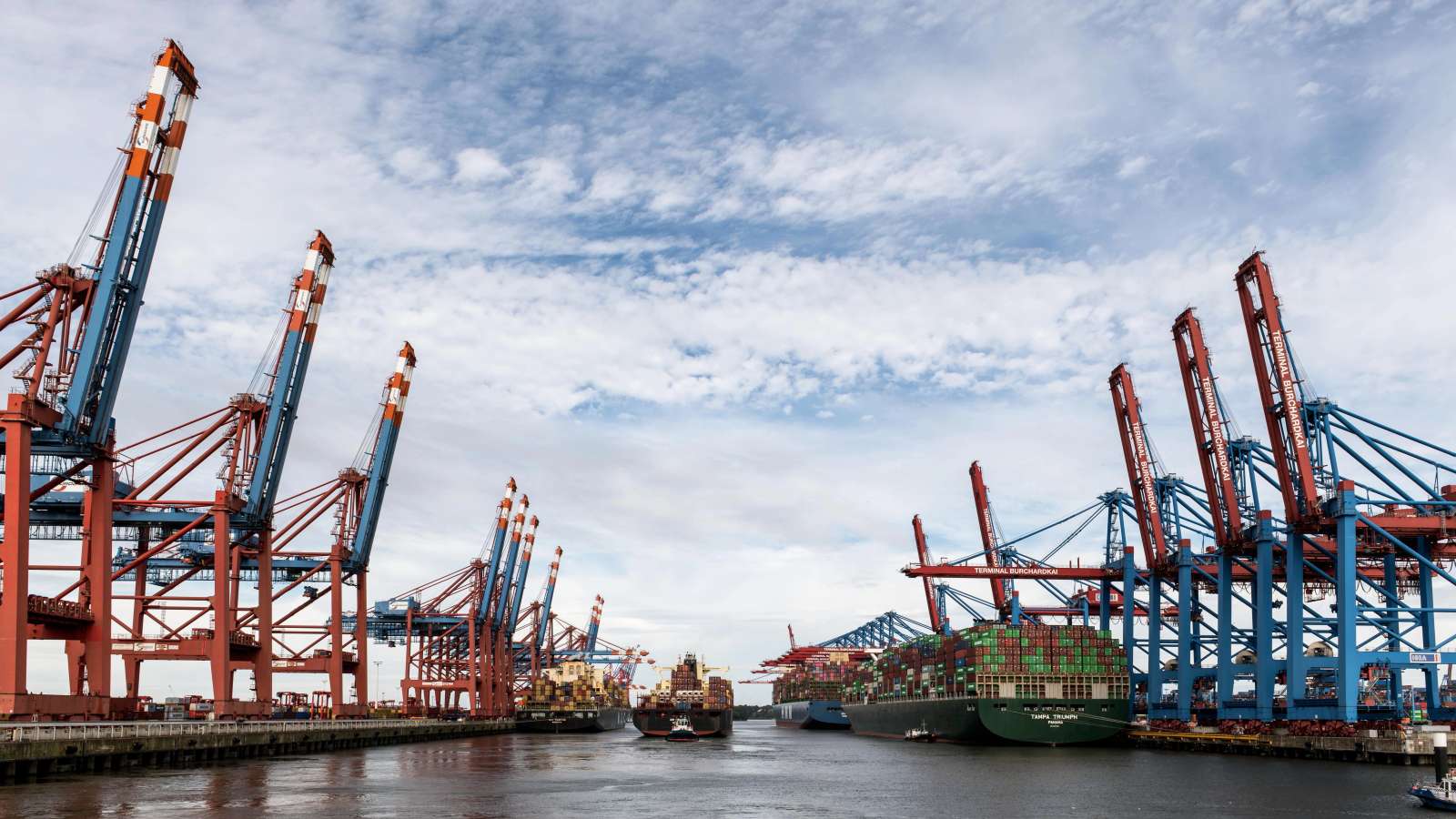
South Korea's exports jumped 68.7 percent in August compared with a year earlier, reaching $98.25 billion and marking the 15th consecutive month of growth, as global demand for memory chips tied to artificial intelligence infrastructure keeps pushing the country's trade figures to levels it has never recorded before.
Imports rose a more modest 22.6 percent to $63.51 billion, leaving South Korea with a trade surplus of $34.75 billion for the month, according to trade ministry data.
Chips are doing the heavy lifting
Semiconductor exports were the clear driver, climbing 209 percent year-on-year to $46.65 billion, the third straight month above $40 billion. Samsung Electronics and SK Hynix, the two firms behind most of that total, have benefited as US technology companies pour money into data centers and other AI infrastructure, pushing memory chip prices sharply higher. Petroleum products also grew, up 65.3 percent to $6.84 billion, while petrochemicals rose 12.2 percent. Automobile exports were the exception, falling 29.8 percent, which analysts attributed to summer plant shutdowns and labor strikes rather than weaker demand.
Exports to China rose 119.3 percent to $24.1 billion on semiconductor and machinery orders, while shipments to the United States climbed 89.3 percent to $16.5 billion, led by chips and computer equipment.
How unusual this actually is
The scale of the current run is easy to understate. Before March 2025, South Korea's monthly exports had never exceeded $70 billion; in July 2026 they broke $100 billion for the first time. Earlier this year, when growth hit 61 percent in June, economists called it the strongest pace since October 1978, essentially a 48-year high. Annual exports for 2025 as a whole reached $709 billion. Seen against that backdrop, August's 68.7 percent growth is not a one-off spike but the continuation of what is, by South Korea's own trade history, an extraordinary and sustained run.
Why one country's chip exports matter more broadly
South Korea's fortunes are unusually tied to the global AI buildout: Samsung and SK Hynix together supply a large share of the world's high-bandwidth memory chips used in AI servers, so their export volumes serve as a real-time gauge of how much hyperscalers and cloud providers worldwide are actually spending on AI infrastructure, rather than just how they talk about it. For South Korea specifically, a 15-month export expansion translates into manufacturing jobs, tax revenue, and a stronger currency position at a time when many other export-dependent economies are struggling with weaker global demand. The country's technology push reaches into space as well, where its homegrown Nuri rocket put 14 satellites into orbit in October.
Where the risk sits
The rally is not without vulnerabilities. Some analysts have flagged the country's growing reliance on a single sector, since semiconductors now make up a large share of total exports, leaving South Korea more exposed if AI infrastructure spending slows or chip prices correct. Energy costs are a separate factor to watch: oil prices have fallen sharply this year following diplomatic developments in the Middle East, which helped petroleum exports this time around but could just as easily reverse. For now, though, trade officials and private economists alike see little sign of the chip-driven momentum fading heading into the final months of the year.
Sources
- Reuters · reuters.com
How we choose and verify sources: editorial policy.