Stanford engineers and colleagues built a photonic chip that takes in mixed, partially coherent light from two or three lasers and sorts it into separate, independent beams. The method could help microscopes and telescopes tell overlapping light sources apart.
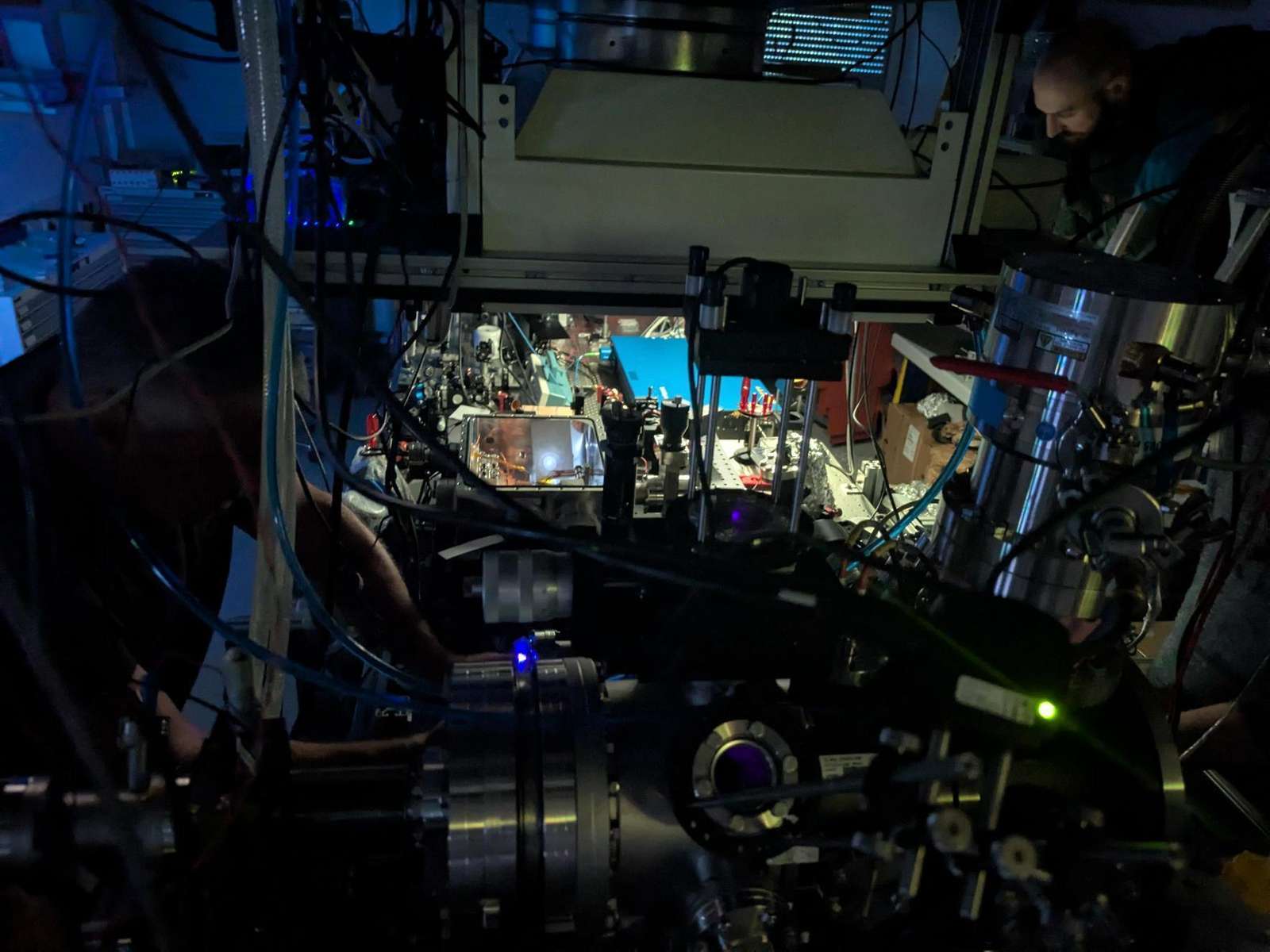
A team from TU Wien and Germany's PTB has built a thorium nuclear clock that stabilizes itself, with a precision equal to an error of about one second in 30 million years. It ran for more than a day on its own.
Researchers in New Zealand and the US have shown a chip-based optical frequency comb, built from two lasers, that performs the key jobs needed for portable atomic clocks and GPS-free navigation.