Traditional leaders from eight African countries sign the Lusaka Declaration on wildlife and communities
Traditional leaders from Kenya, Zambia, Malawi, Zimbabwe, Namibia, Botswana, Benin and Ghana signed the Lusaka Declaration, asking for a formal role in conservation decisions and committing to wildlife corridors and community-led conflict prevention.
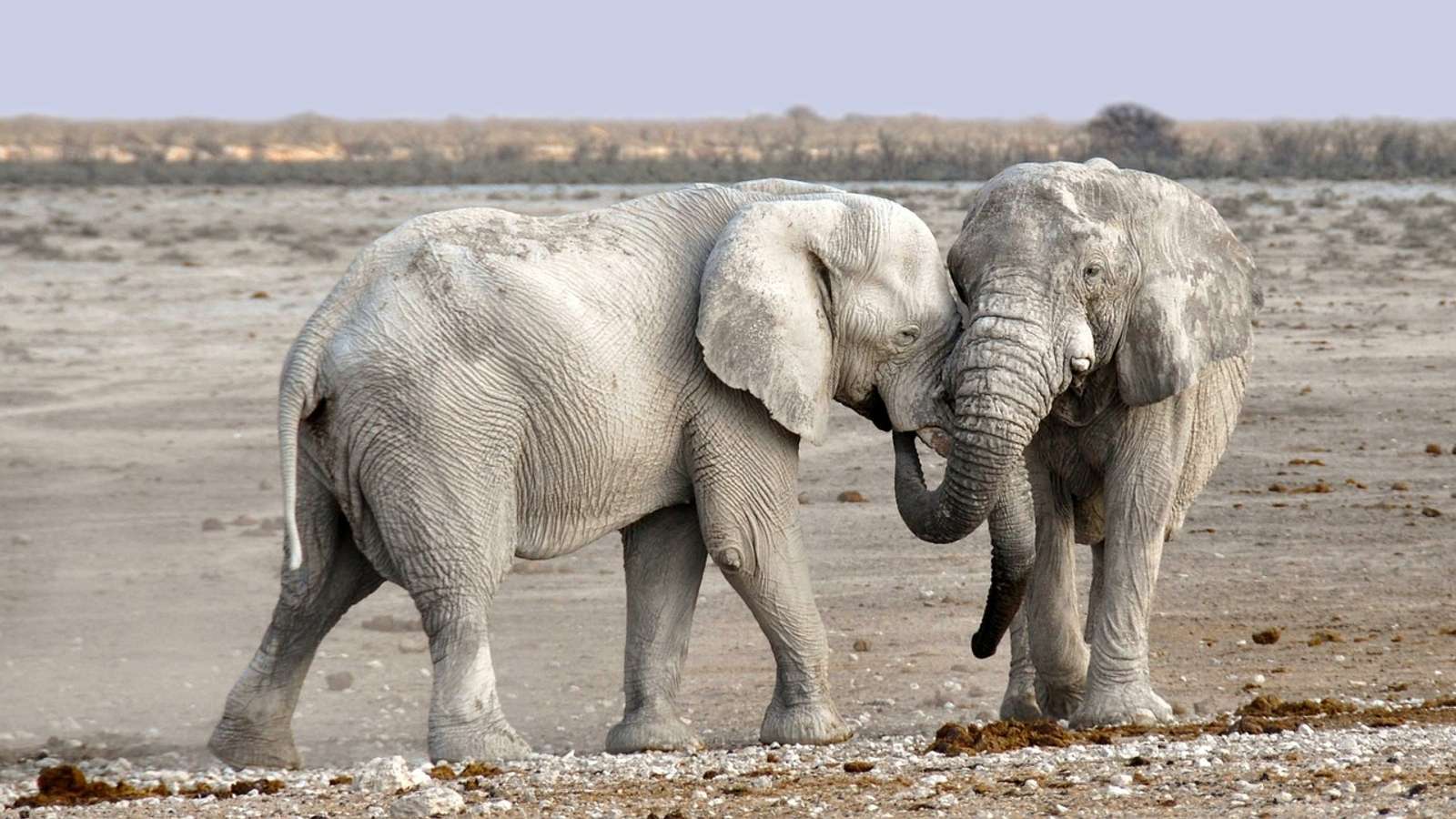
Traditional leaders from eight African countries have signed the Lusaka Declaration, committing to protect wildlife while putting their communities at the center of conservation, the International Fund for Animal Welfare (IFAW) said on 30 October. The declaration closed the fifth summit of the African Traditional Leaders Conservation Network in Lusaka, Zambia, on 28 October.
Eight countries, one set of priorities
The signatories came from Kenya, Zambia, Malawi, Zimbabwe, Namibia, Botswana, Benin and Ghana. The declaration lists seven priorities: a formal role for traditional leaders in conservation and land-use decisions; secure wildlife corridors and reconnected habitats across borders; community-led prevention of and response to human-wildlife conflict, with fair compensation and relief; passing traditional practices to younger generations; investing in young conservation leaders, entrepreneurs and technologies such as SkyWatch; reforestation, watershed restoration and climate-smart farming; and long-term funding for the network.
It also asks national governments to formally recognize traditional leaders and include them in conservation planning.
“Our goal is to put communities at the heart of conservation and ensure that both people and wildlife benefit.” — Tom Lesarge, senior leader of the Samburu community, Kenya
Conflict and climate on the agenda
Leaders at the summit named rising human-wildlife conflict and climate change as their most pressing problems, along with a lack of opportunities for young people in traditional leadership. Habitat fragmentation, expanding infrastructure and changing land use were also raised. The network brings together traditional authorities, government officials, conservation experts, researchers and community representatives. Forecasts of El Niño for the 2026-27 season raise concerns about drought and water shortages, IFAW said in its report on the summit's opening. “Conservation should never be imposed on communities,” said Evans Muhanga, permanent secretary of Zambia's tourism ministry.
“I want to see livelihoods sustained in my community for generations to come,” said Grace Banda, Chieftainess Mwanya of Zambia. IFAW supports the network through Room to Roam, its effort to secure and reconnect wildlife habitat across eastern and southern Africa. The declaration “represents a significant step forward in amplifying the voices of traditional leaders in conservation across Africa,” said Azzedine Downes, IFAW's president. At the opening he put it more simply: “It's not livelihoods from wildlife; it's livelihoods with wildlife.”
Signed every year, judged by what follows
A declaration is signed at the end of each annual meeting of the network. IFAW did not say how many leaders signed or how progress on the seven priorities will be tracked, and the date and place of the next summit have not been announced. The declaration addresses its call for formal recognition to national governments; IFAW did not report any government response. In Zimbabwe, IFAW and the national parks authority have started nature clubs at 21 schools near Hwange National Park.
Sources
How we choose and verify sources: editorial policy.