Rescued Fox Cubs Released Back Into the Wild After Four Months of Care
Three fox cubs pulled from a narrow gap between two Leicester houses by firefighters have been released into the countryside after four months of rehabilitation, following a rescue that initially left one cub's survival in doubt.
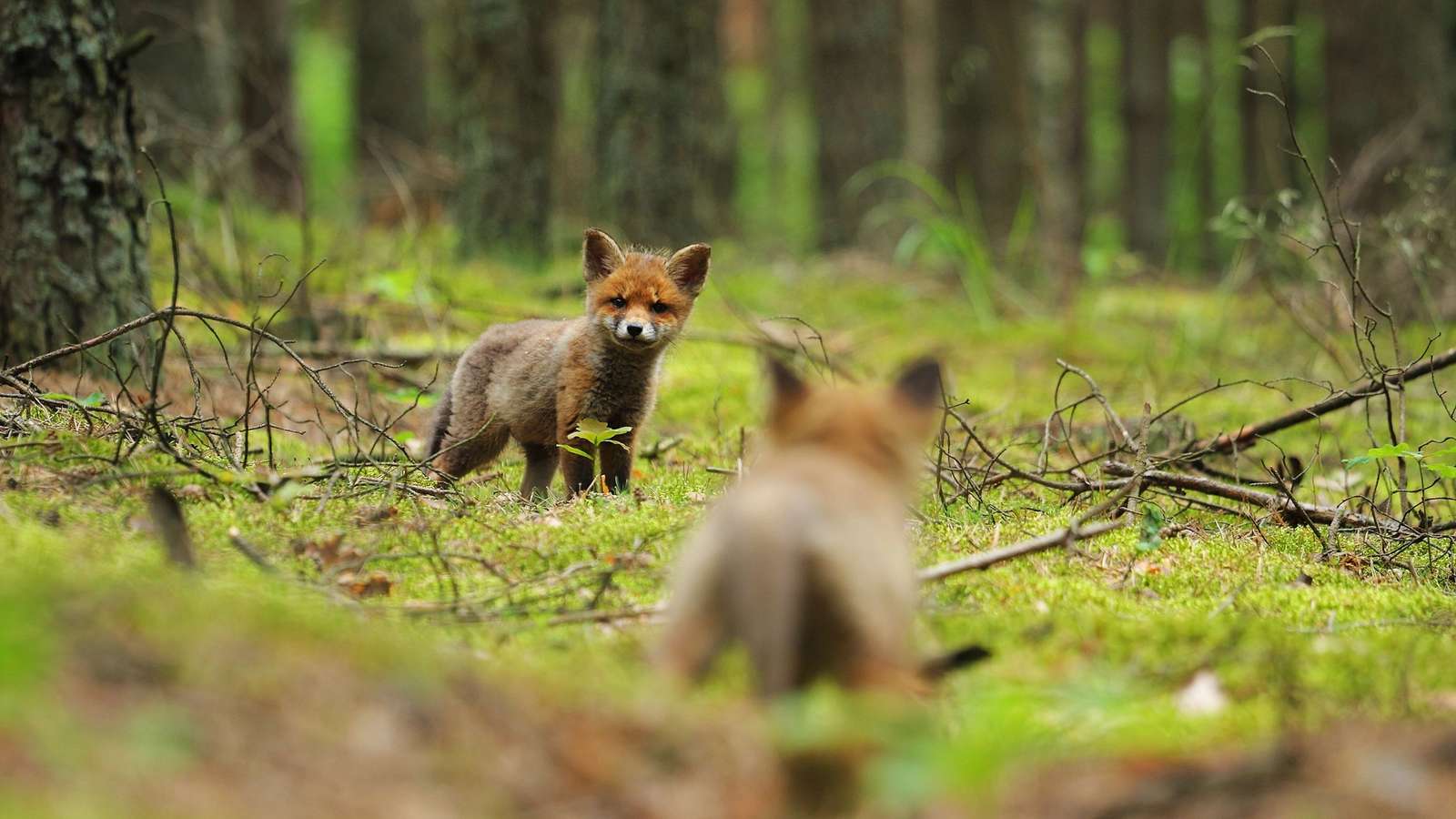
Three fox cubs that firefighters pulled from a narrowing gap between two houses in Leicester have been released back into the countryside, four months after a rescue that at one point left their survival in doubt.
The cubs became trapped on Letchworth Road over Easter weekend in April, after running into an increasingly tight space between two buildings and becoming stuck. Neighbors heard the distressed cries and called for help. Leicestershire Fire and Rescue Service removed brickwork from a garage wall to reach the cubs and free them.
A rough start
All three cubs had sustained constriction injuries from being squeezed in the confined space. One was in particularly bad shape, requiring overnight oxygen therapy, and staff were not confident it would survive. "It wasn't certain if it would pull through, but thankfully it did," said Amy Blower, a team leader at Leicestershire Wildlife Hospital, which took over the cubs' long-term care after initial treatment from the RSPCA.
Learning to be wild again
Over the following four months, the cubs lived in an outdoor pen at the hospital, in Kibworth Beauchamp near Market Harborough, where staff used enrichment activities such as digging, which mimics natural den-building behavior, and food-searching exercises to help rebuild the instincts they would need to survive independently. On August 28, 2026, the three were released together at an undisclosed countryside location, with the hospital planning to provide supplemental feeding for at least two weeks while they adjusted to finding food on their own. Wildlife teams elsewhere do the same on a bigger scale: in Vietnam, rangers released 84 rescued animals from 13 species back into the wild.
"It was quite an exhilarating feeling seeing them go back into the wild," Blower said.
Why encounters like this keep happening
Britain's roughly 357,000 red foxes are not evenly distributed: rural fox numbers have dropped by nearly half since 1995, while urban populations have stayed comparatively steady over the same period, according to national wildlife surveys. That stability means foxes remain a regular presence in British towns and cities, denning and raising cubs in the gaps, sheds, and structures that make up urban environments, which is part of why incidents like cubs becoming trapped between buildings are not unusual for wildlife rescue services.
Leicestershire Wildlife Hospital, which has been treating sick, injured, orphaned and distressed wild animals since 1984, says the number of animals it takes in rises every year. The charity relies entirely on donations, with no government funding, and offers free treatment to every animal brought to it, a model that costs roughly £7,000 a month to sustain.
A rescue that depended on doing the right thing
Leicestershire Fire and Rescue Service credited the residents who called for help rather than attempting to free the cubs themselves, a decision that likely limited further injury to animals already in a fragile state. That sequence, a concerned resident, a fire crew willing to open up a wall, an RSPCA handoff, and months of specialized rehabilitation, is what ultimately turned a dangerous situation into three foxes returning to the wild rather than a story that ended very differently.
For a charity running on donations and a fire service used to more routine calls, the cubs' release is a small, concrete return on that chain of decisions: three animals given a second chance because enough people along the way did their part.
Sources
- AOL · aol.com
How we choose and verify sources: editorial policy.