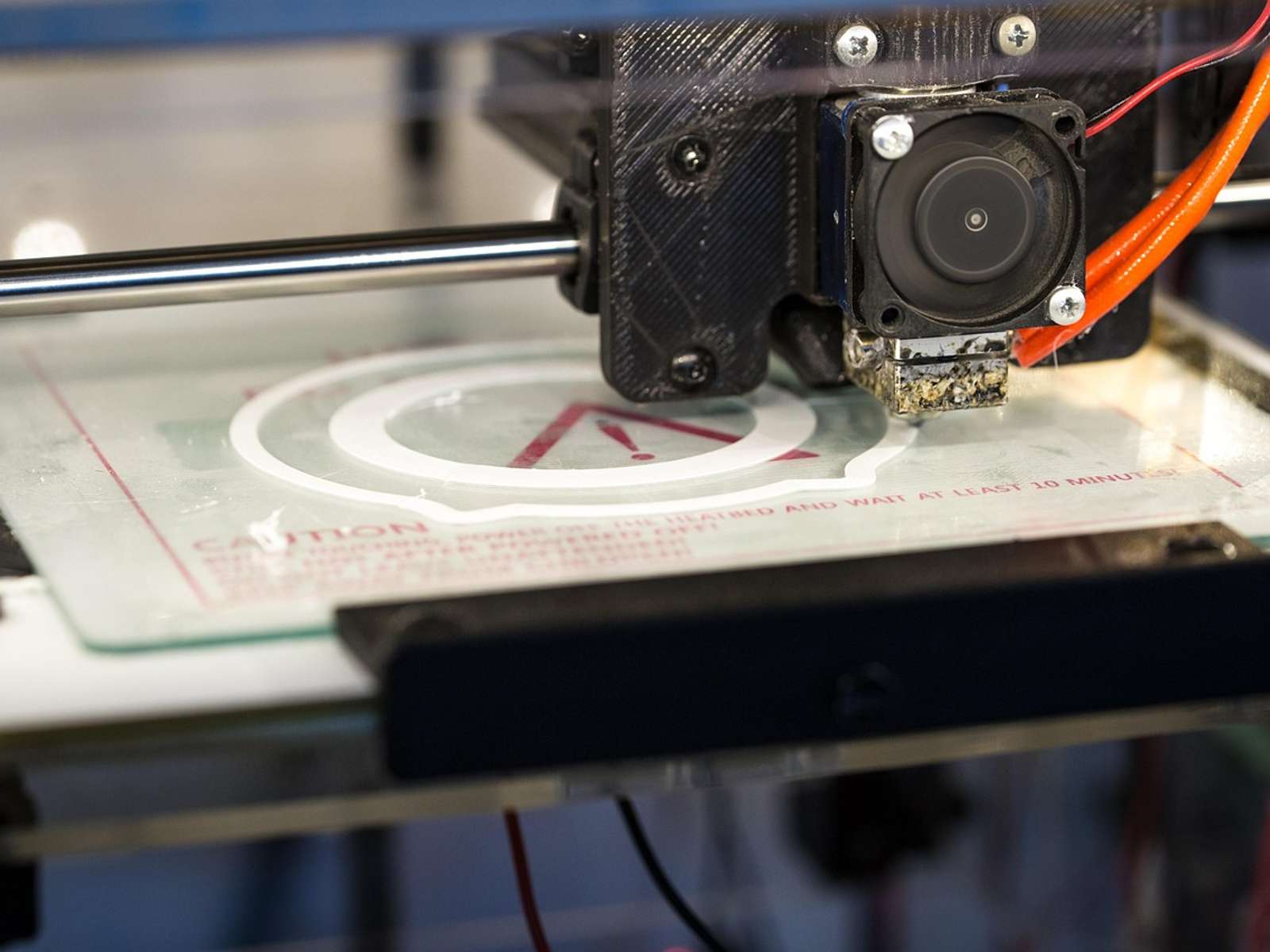
MIT CSAIL and Tianjin University's X-Hinges software embeds two different conductive materials in 3D-printed objects, so a lamp can sense a pinch and a glove can teach a robot hand to grasp. It senses motion along up to three axes.
MIT engineers built a soft silicone sheet with light-carrying rubber fibers that rebuilds its own shape on screen almost in real time. They hope it could one day help physical therapists track patients' movement.
A Binghamton University team built paper wallpaper that generates a small current from room humidity. An array of 1,596 units powered a wireless keyboard and lowered the room's humidity in lab tests.
MIT researchers have built 3D-printed "bifur-circuit" blocks that reconfigure into a huge range of stable shapes while keeping their electrical connections fully intact, a step toward furniture and gadgets that can physically transform.