Brazil approves the first human trial of Vivaxin, a homegrown vaccine against vivax malaria
Brazil's health regulator Anvisa has approved a phase 1 trial of Vivaxin, a vaccine against Plasmodium vivax malaria developed by USP and UFMG. Recruitment of 48 healthy adults is due to start in January 2027.
Brazil's health regulator Anvisa has approved the first trial in people of Vivaxin, a vaccine against Plasmodium vivax malaria developed in Brazil, Agência FAPESP reported on 15 October. The approval was published in the Official Gazette on 7 October.
The vaccine was developed at the University of São Paulo (USP) with the Vaccine Technology Center (CTVacinas) at the Federal University of Minas Gerais (UFMG) and the pharmaceutical company Cristália, which is producing the trial batches.
“This is a vaccine unprecedented in the world. It was entirely conceived in Brazil.” — Irene Soares, professor at USP's Faculty of Pharmaceutical Sciences and co-coordinator of the project (translated from Portuguese)
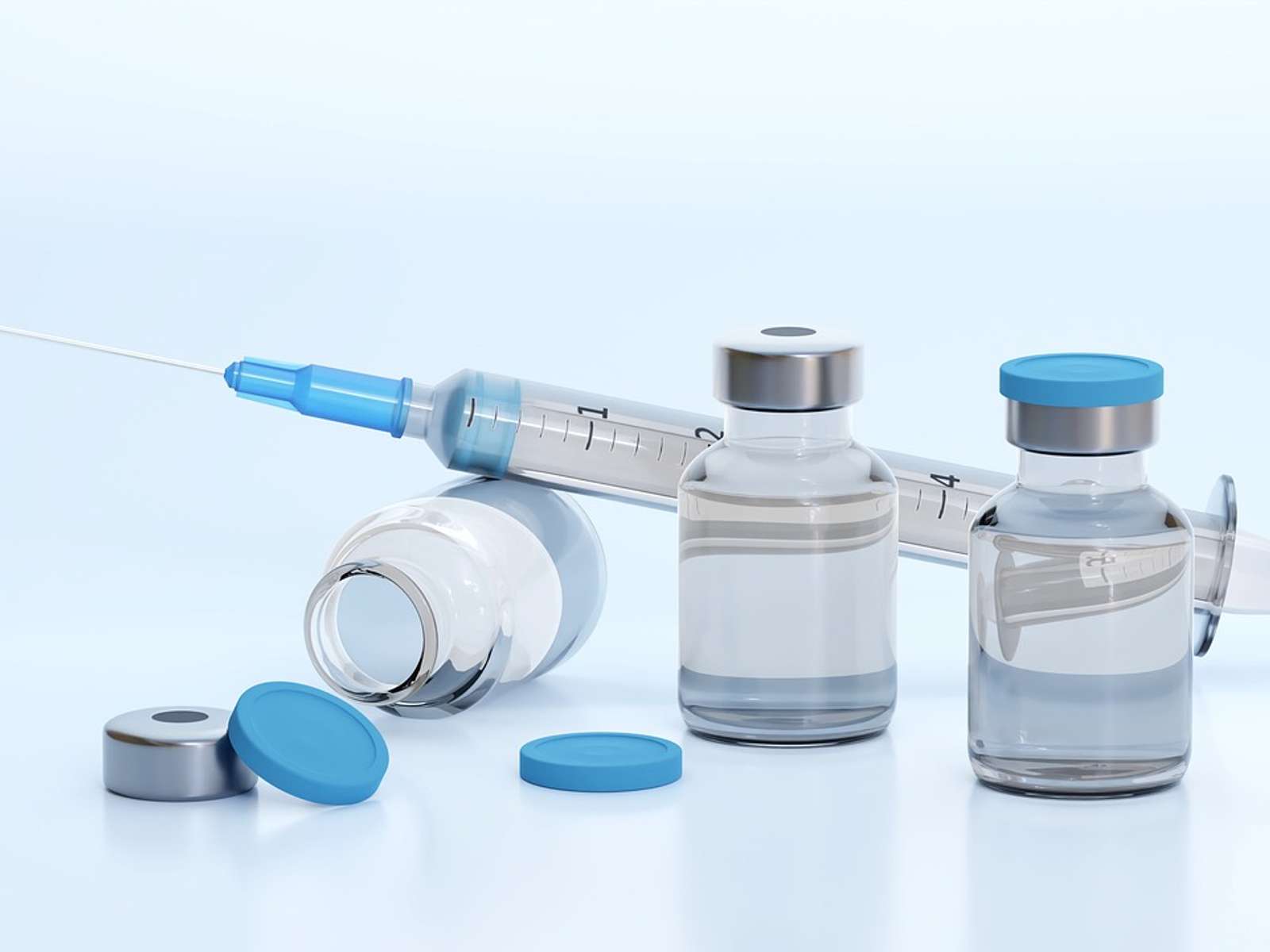
The vaccine aims to stop the parasite before it reaches the liver
Vivaxin uses a lab-made protein that combines three variants of the parasite's PvCSP protein, mixed with an adjuvant called CTVad3. It is designed to make the body produce antibodies that block the parasite from invading liver cells. In mice and primates, the researchers reported that it was safe, triggered a strong immune response and gave 100% protection.
Stopping vivax early matters because of how it behaves in the body. The parasite can leave dormant forms called hypnozoites in the liver, which can cause relapses months to years after the first infection, according to the US Centers for Disease Control and Prevention. Patients therefore need an extra course of primaquine or tafenoquine on top of standard malaria drugs.
The most common malaria in the Americas
Brazil recorded 118,037 locally acquired vivax cases in 2025, 15% fewer than the year before, and more than 95% of them were in the Amazon. Worldwide, WHO's 2025 malaria report counts 9.9 million vivax cases out of 282 million malaria cases, and in the Americas vivax causes 63% of cases, FAPESP said. Brazil aims to end local malaria transmission by 2035.
The vaccine “may play an extremely important role in eliminating malaria from our territory.” — Ricardo Gazzinelli, director of CTVacinas and co-coordinator (translated from Portuguese)
What this means for patients now
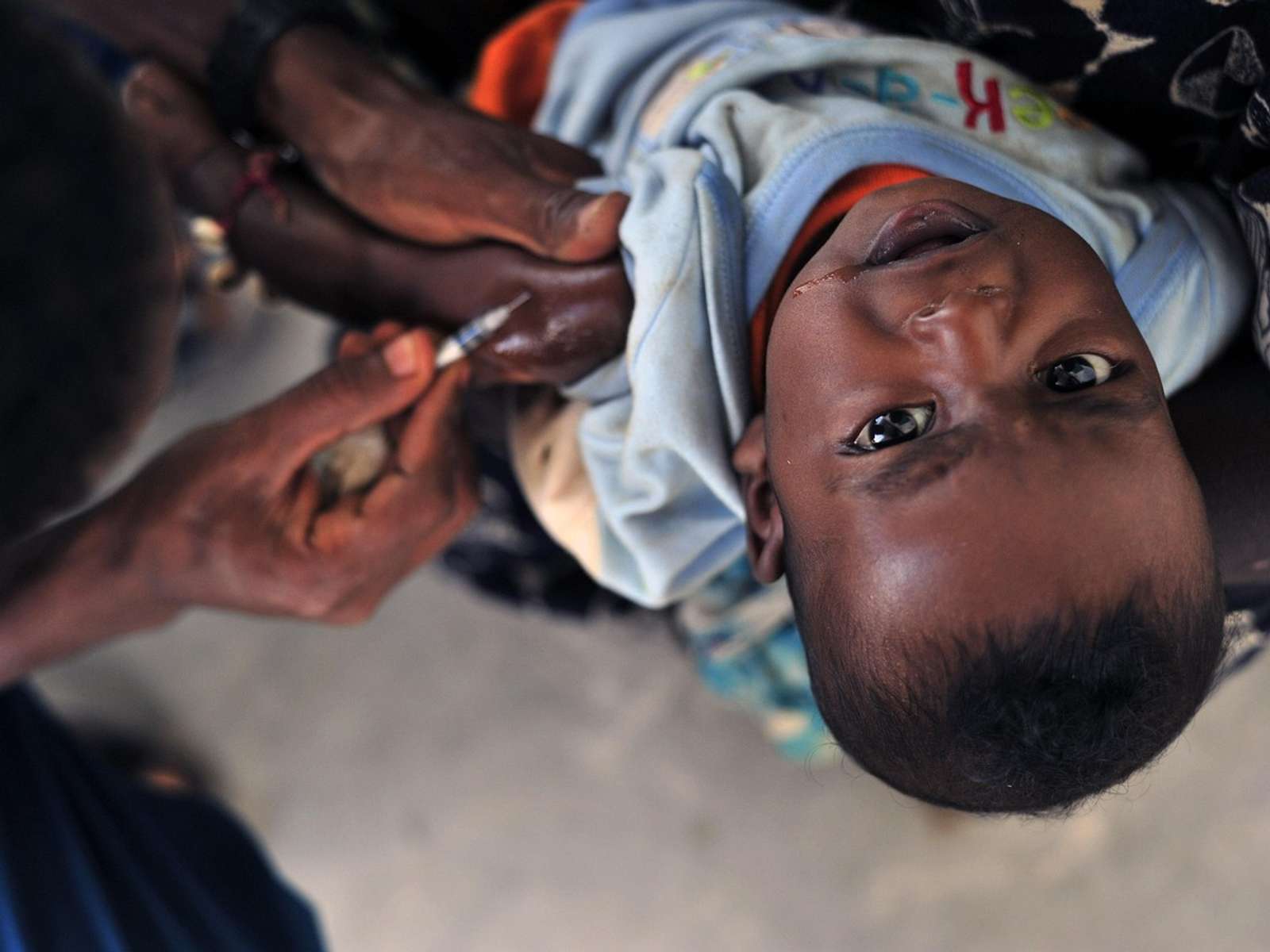
Vivaxin is not available to anyone yet. The phase 1 trial will compare the vaccine with a placebo in 48 healthy adults aged 18 to 59 who have never had malaria, giving three doses 28 days apart and following them for a year. It will check safety, reactions to the injection and antibody production, not whether the vaccine prevents malaria.
Recruitment is due to start in January 2027. If the vaccine proves safe, phases 2 and 3 would involve about 300 people in Brazil, mainly in the Amazon, and other countries may join later; no completion date has been set. Soares said the approval took almost a year and a half. Uganda took a similar first step this year, giving the first doses of an experimental vaccine against Bundibugyo Ebola in a phase 1 trial.
The research, which began in the early 2010s, was funded by FAPESP, Finep and Brazil's ministries of health and of science, technology and innovation. Patent applications have been filed in Brazil and abroad.
Not medical advice. This article reports on research and health programs for general information. Results from early studies often change in larger trials. Talk to a doctor before making decisions about your own health or treatment.
Sources
- Agência FAPESP · agencia.fapesp.br
- cdc.gov
How we choose and verify sources: editorial policy.