New approvals, trial results and research in cancer care, with the stage of each result stated plainly: lab study, early trial or approved treatment.

Weill Cornell researchers found that many cancer cells that lost the TNKS1 gene depend on its twin, TNKS2. A compound that blocks TNKS2 slowed those cells in lab dishes without affecting cells with normal TNKS1.

A UK-wide study of more than 200 children found that the leukemia left after the first cycle of blinatumomab is the strongest predictor of relapse. The new BlinPredict tool has already shaped UK treatment guidelines.

In a 60-patient phase 1b trial led by MD Anderson, firmonertinib shrank tumors in 68% of previously untreated patients with EGFR PACC-mutated lung cancer at the higher dose, with a median of 16 months before the disease worsened.

Doctors in Edinburgh have transplanted testicular tissue frozen before a 19-year-old's chemotherapy back into his body, the UK's first such procedure and only the second reported worldwide.
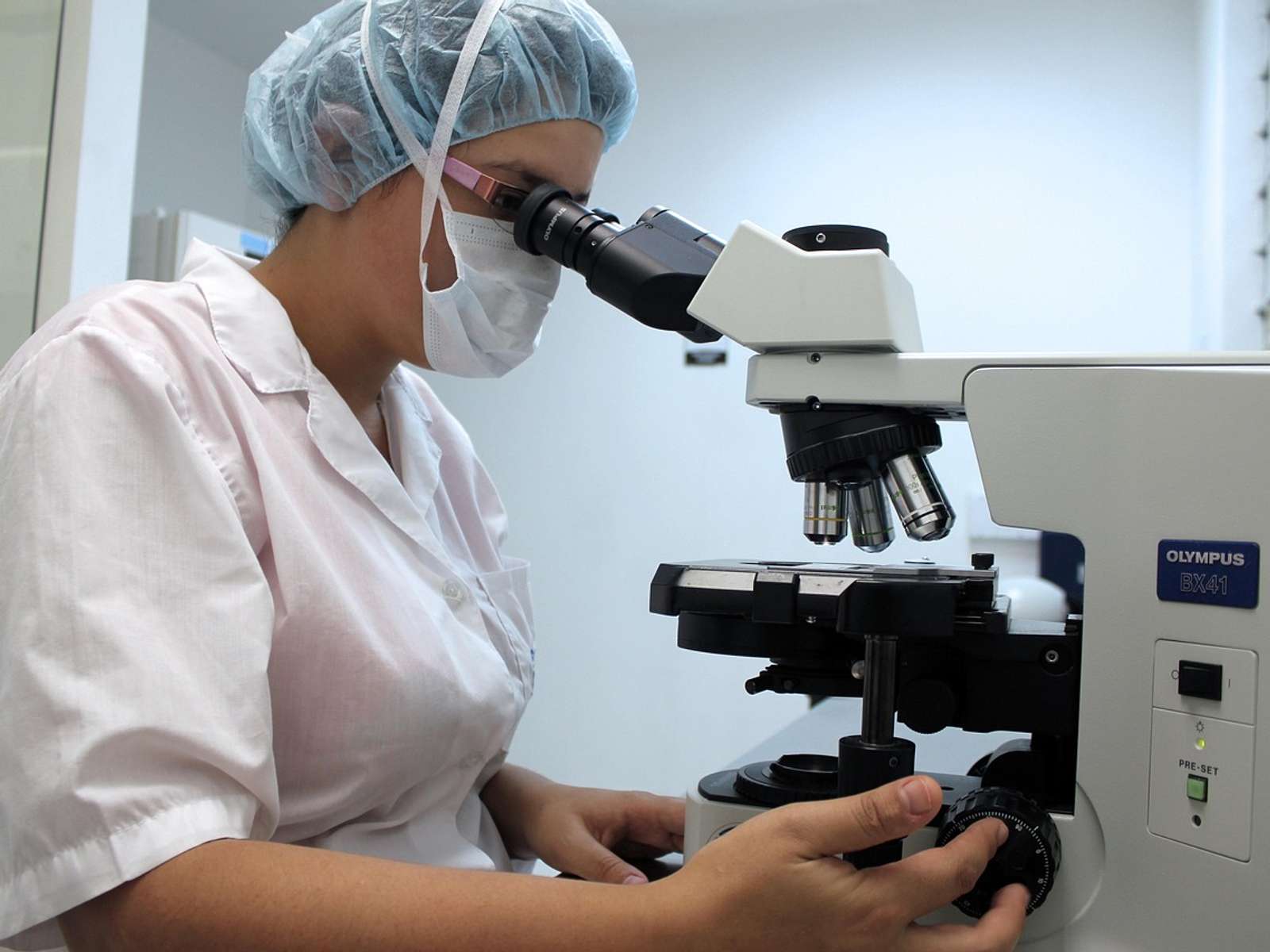
Memorial Sloan Kettering researchers found that the signaling molecule MEK drives T cells into exhaustion by making them overspend energy. Blocking it helped the cells persist in lab and animal models. MEK inhibitors are already approved drugs, but no patient has been tested yet.
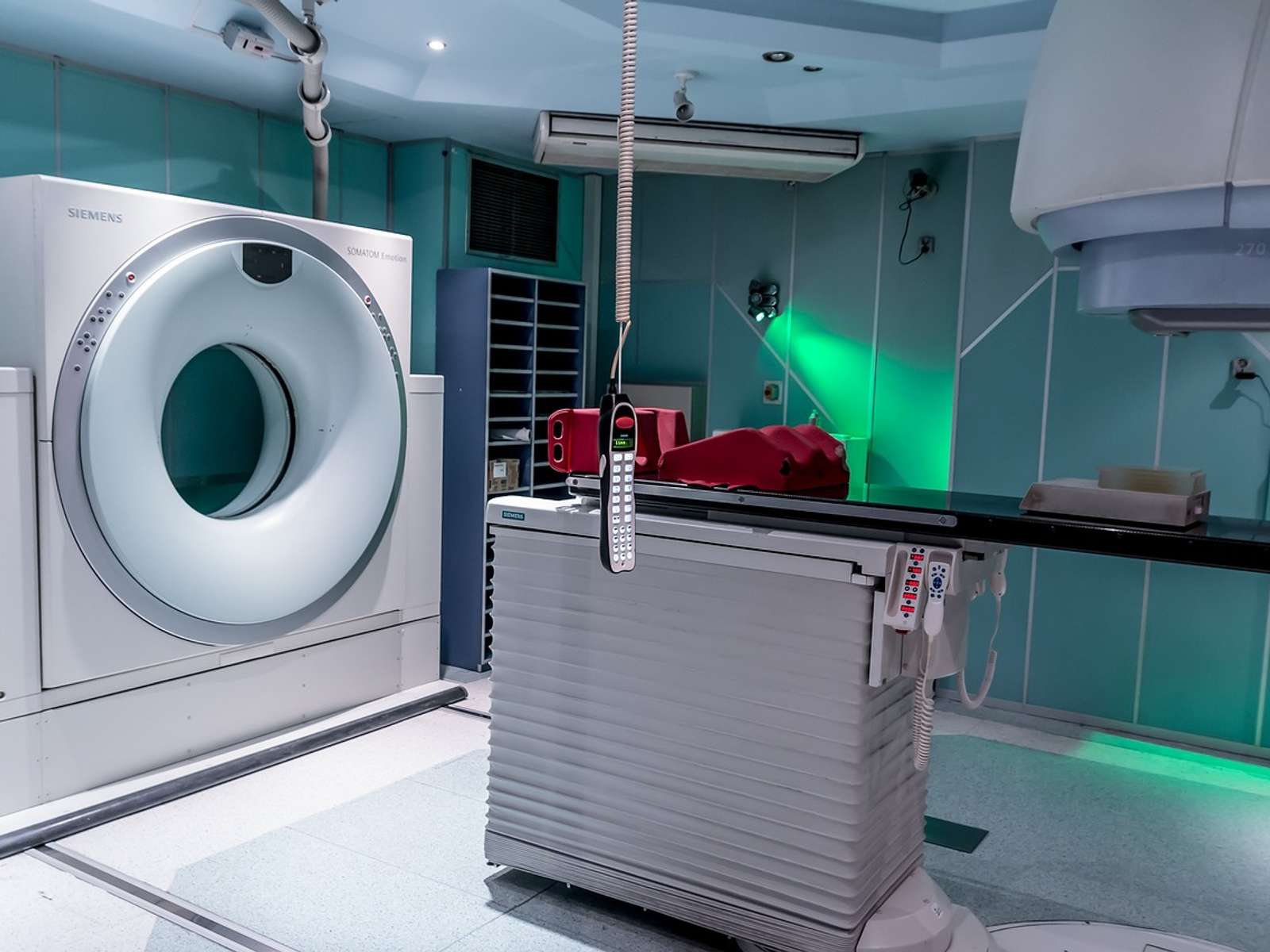
In a University of Calgary trial, 82% of 24 glioblastoma patients given high-dose niacin with standard treatment had no cancer progression after six months, against about 54% in earlier studies. The trial is small and has no control group.

Stanford researchers' urine test, uRARE-seq, detected localized bladder cancer with 95% sensitivity at 90% specificity in 683 samples and flagged which patients were more likely to respond to BCG immunotherapy.

The FDA has approved pirtobrutinib (Jaypirca) for adults with previously untreated chronic lymphocytic leukemia, after a 282-patient trial found it cut the risk of progression or death by 80% compared with chemoimmunotherapy.

The FDA has approved a first-in-class targeted treatment for metastatic pancreatic cancer after a major trial showed substantially longer median survival than standard chemotherapy.
About this topic
In 2022 there were an estimated 20 million new cancer cases and 9.7 million cancer deaths worldwide, according to the World Health Organization's cancer agency, IARC. WHO expects more than 35 million new cases a year by 2050, a 77% increase on 2022. Against that background, steady progress in diagnosis and treatment matters, even when each step is small.
The stories on this page report that progress: regulatory approvals such as the FDA's decision on pirtobrutinib for newly diagnosed chronic lymphocytic leukemia and a first-of-its-kind targeted therapy for metastatic pancreatic cancer, early trials such as high-dose vitamin B3 in glioblastoma, new tests such as a urine RNA test for bladder cancer, and laboratory research on how to keep the immune system's T cells working against tumors.
Cancer news is easy to oversell, so every story states its stage. A result in cells or mice is not a treatment, a small early trial is not proof, and an approval applies to a specific group of patients. We name the study or regulator behind each result and link to it, and we say when results come from a single company or a small number of patients.
None of these articles is medical advice. If you or someone close to you is affected, a doctor can explain whether a new treatment or trial is relevant to your situation.