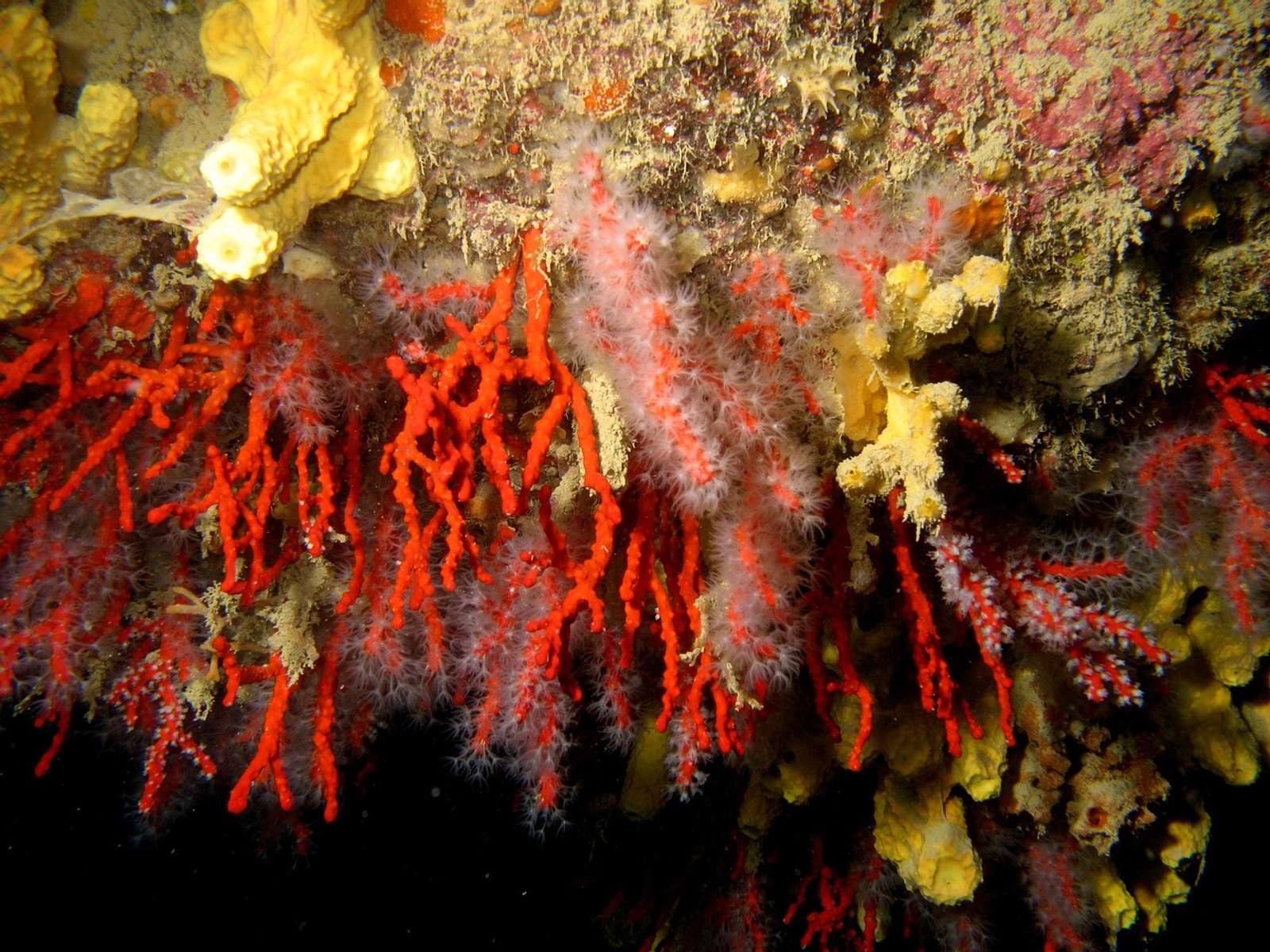
Scientists have described Laurinque elenya, a bright yellow deep-sea coral from seamounts off Costa Rica, and placed it in a new family, Laurinqueidae, named with an Elvish word from The Lord of the Rings.
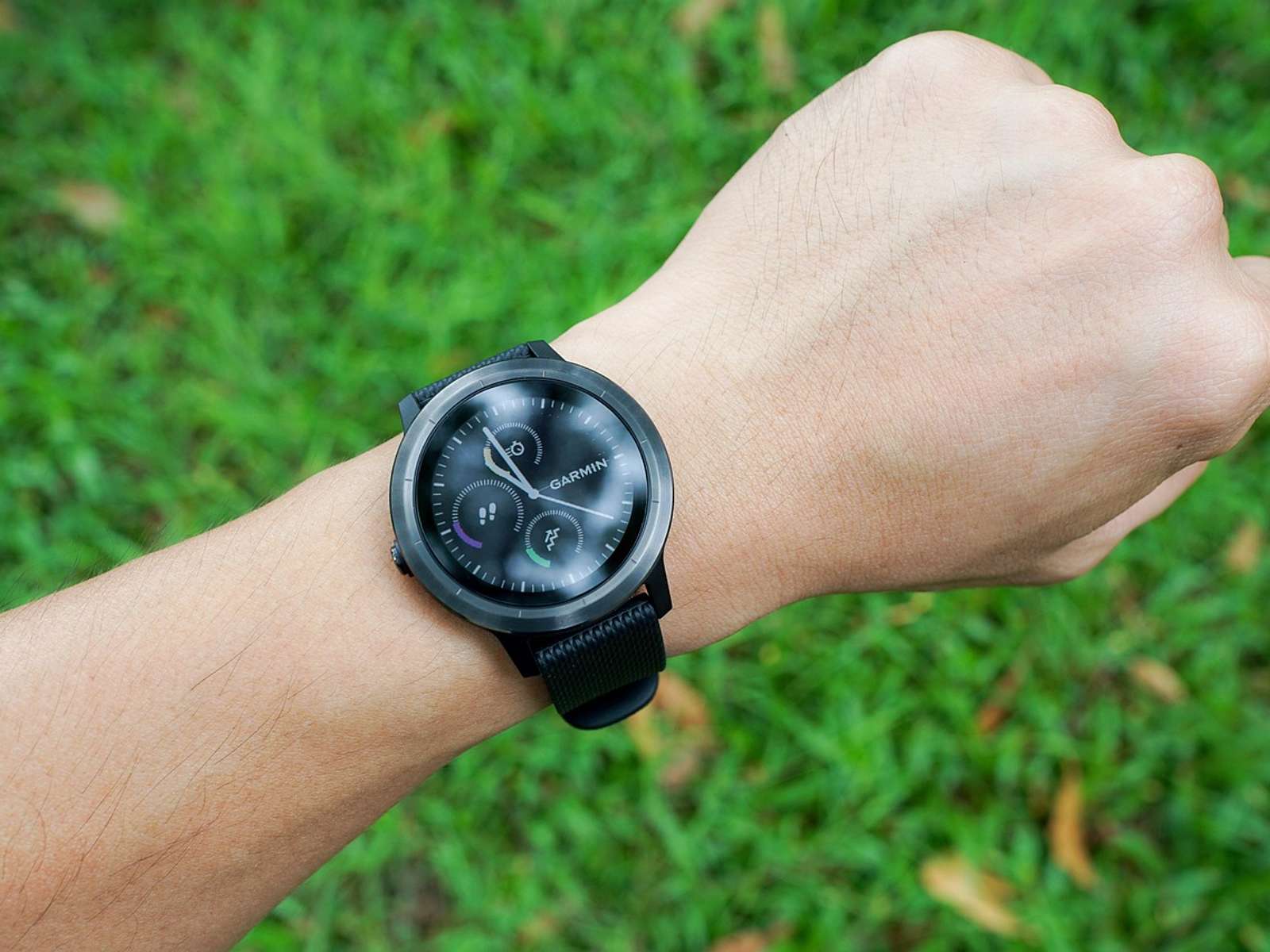
A vibrating wristband first built as a foamcore prototype in MIT's product-design class is now FDA-cleared for adults with essential tremor. In two trials, more than 70% of patients improved. Insurance coverage is the next hurdle.
In Alta Floresta, Brazil, rope canopy bridges over city roads recorded nearly 15,000 animal crossings in 15 months, and eight more bridges have been added, bringing the total to 15.
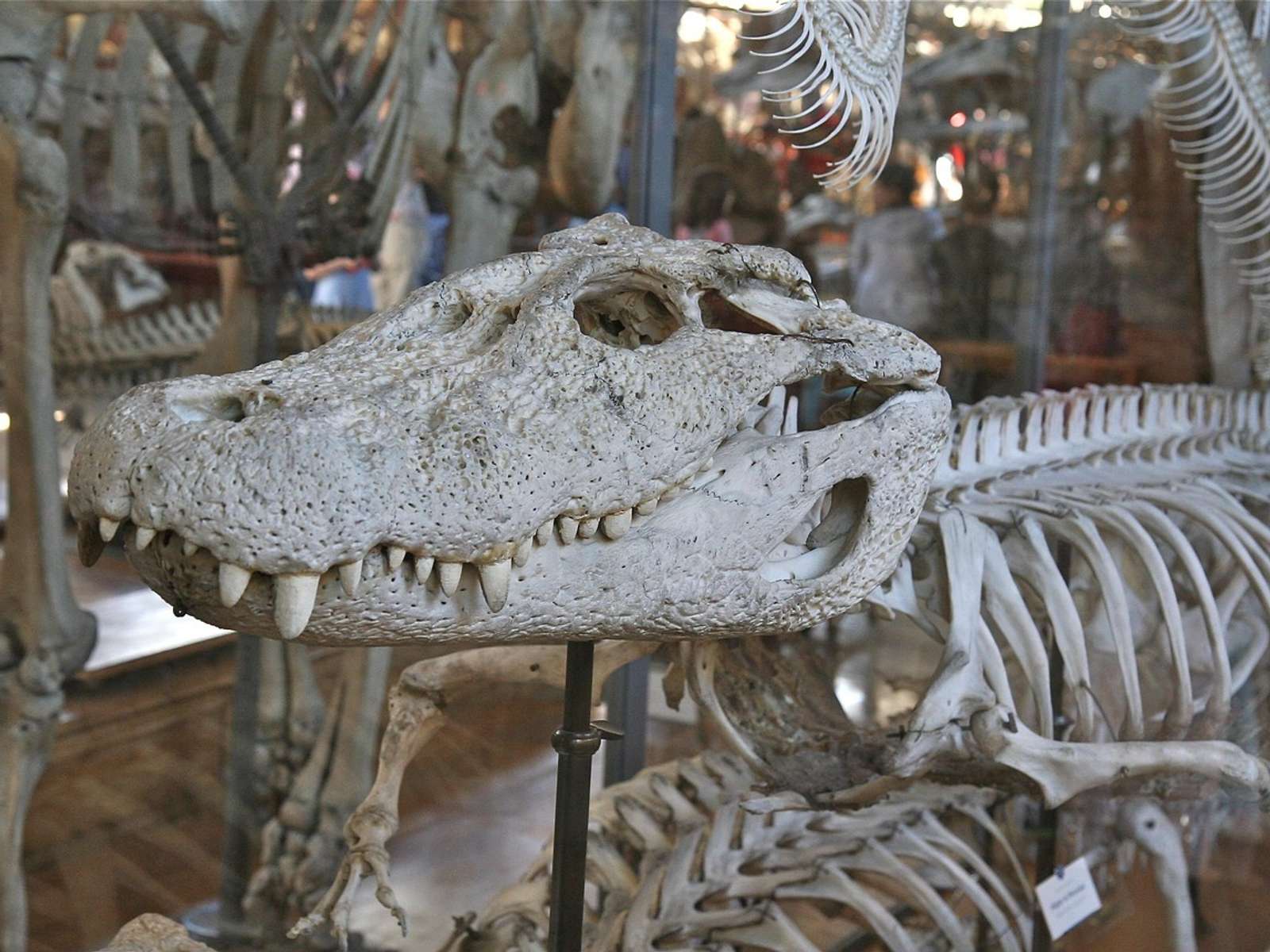
Fossils dug up in Egypt in the 1920s belong to a new gavial-like crocodile, Herugavialis cairensis, from the same rock formation as the Great Sphinx, a team led by UCL researchers reports.
In Kolofata, in Cameroon's Far North Region, a UNDP and KSrelief programme is teaching trades from solar installation and water-pump repair to tailoring and catering to people rebuilding their lives after insecurity.
An evaluation in Mozambique's cyclone-hit Sofala province found that bringing nutrition, sanitation and behaviour-change programmes to the same communities was linked to a 6.7% relative drop in severe stunting.
Victoria has formally established three new national parks, Mount Buangor, Pyrenees and Wombat–Lerderderg, along with new conservation and regional parks and nearly 30 reserves.
NASA's Transiting Exoplanet Survey Satellite has now found more than 1,000 confirmed planets, a milestone reached as 70 new planets were added to the NASA Exoplanet Archive in a single weekly update.
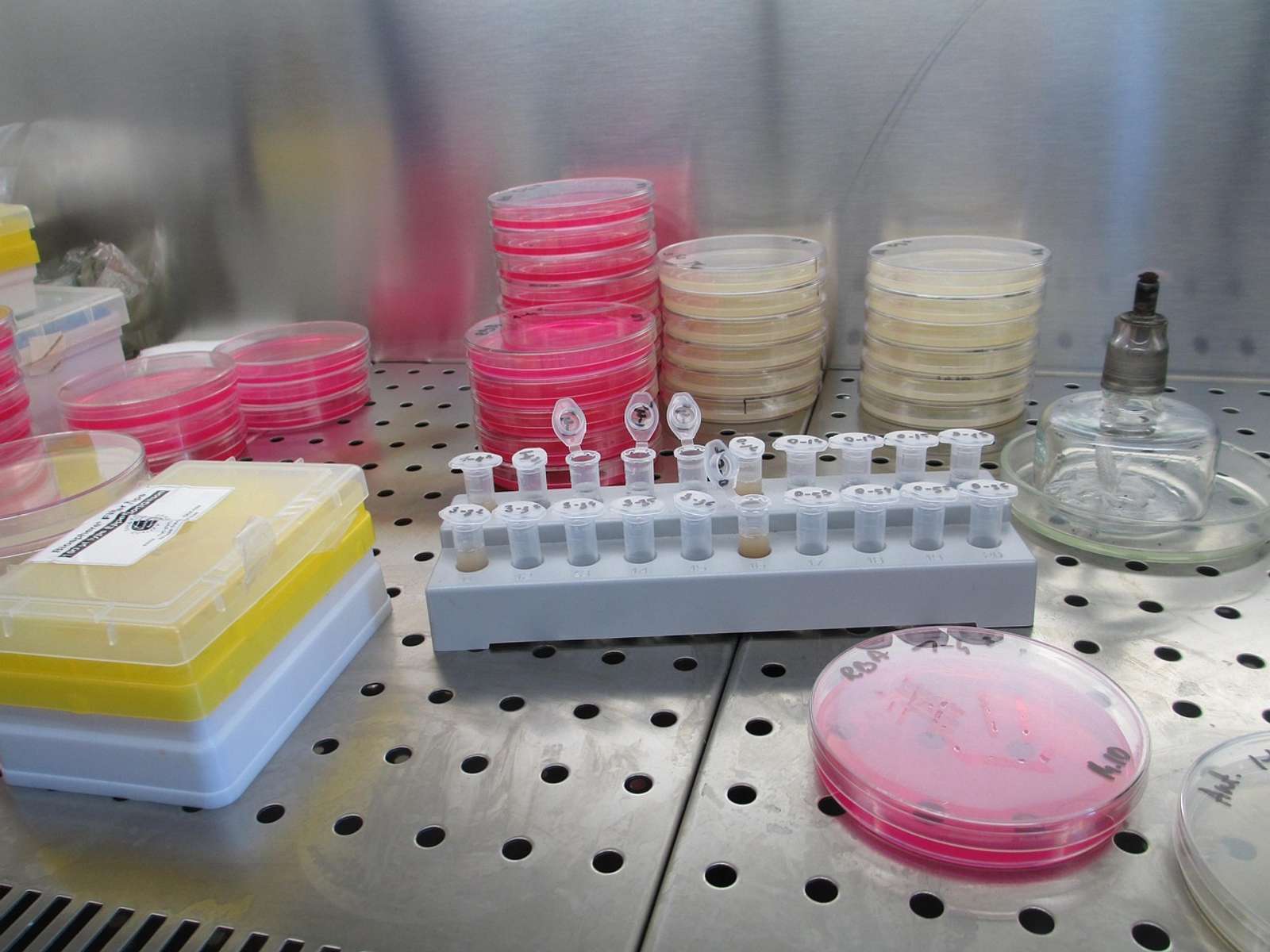
Using X-ray laser snapshots, Oxford researchers recorded step by step how the enzyme IPNS builds the ring at the heart of penicillin, settling a question open for more than 40 years. The team hopes the findings will help design new antibiotics.
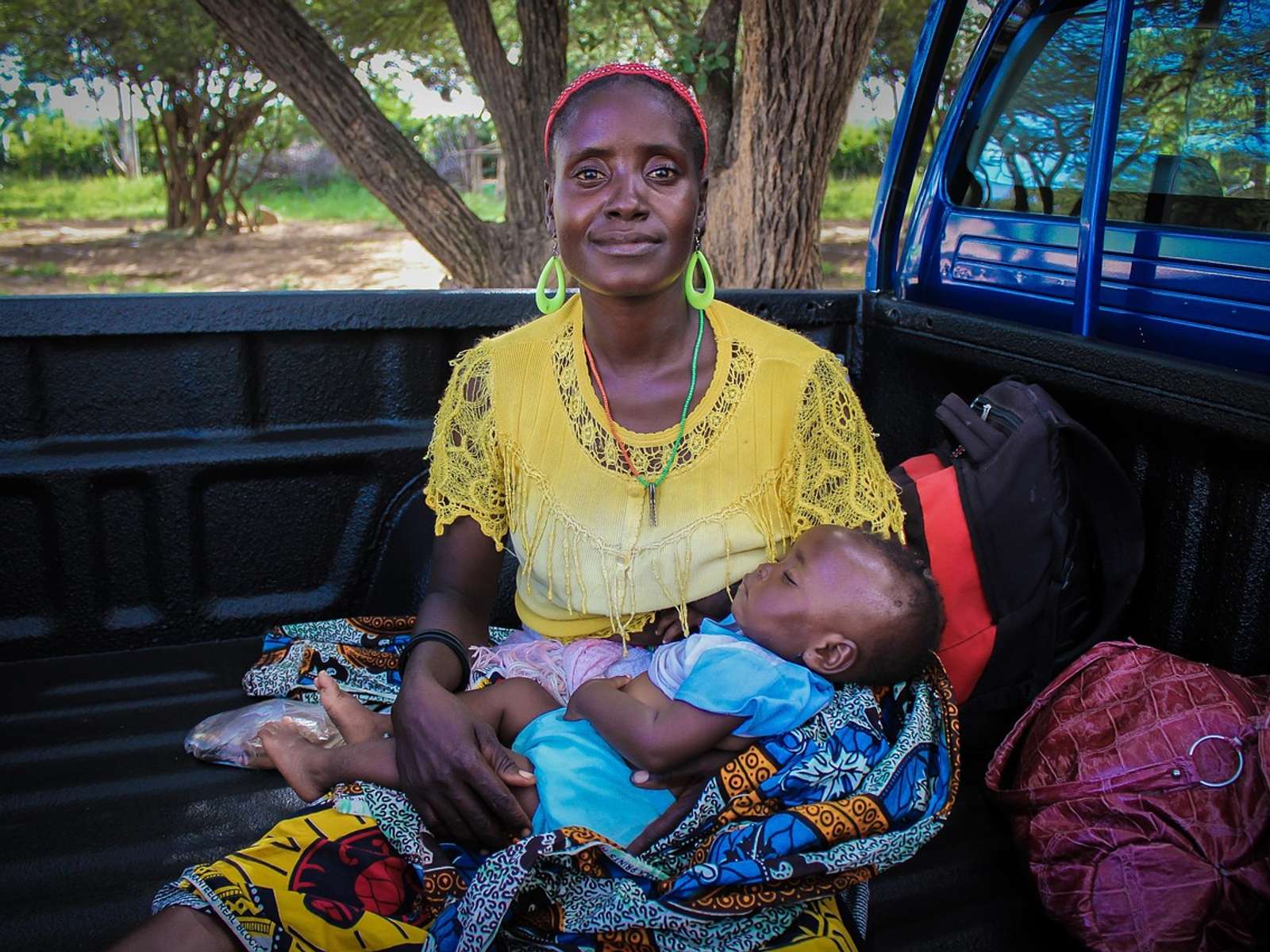
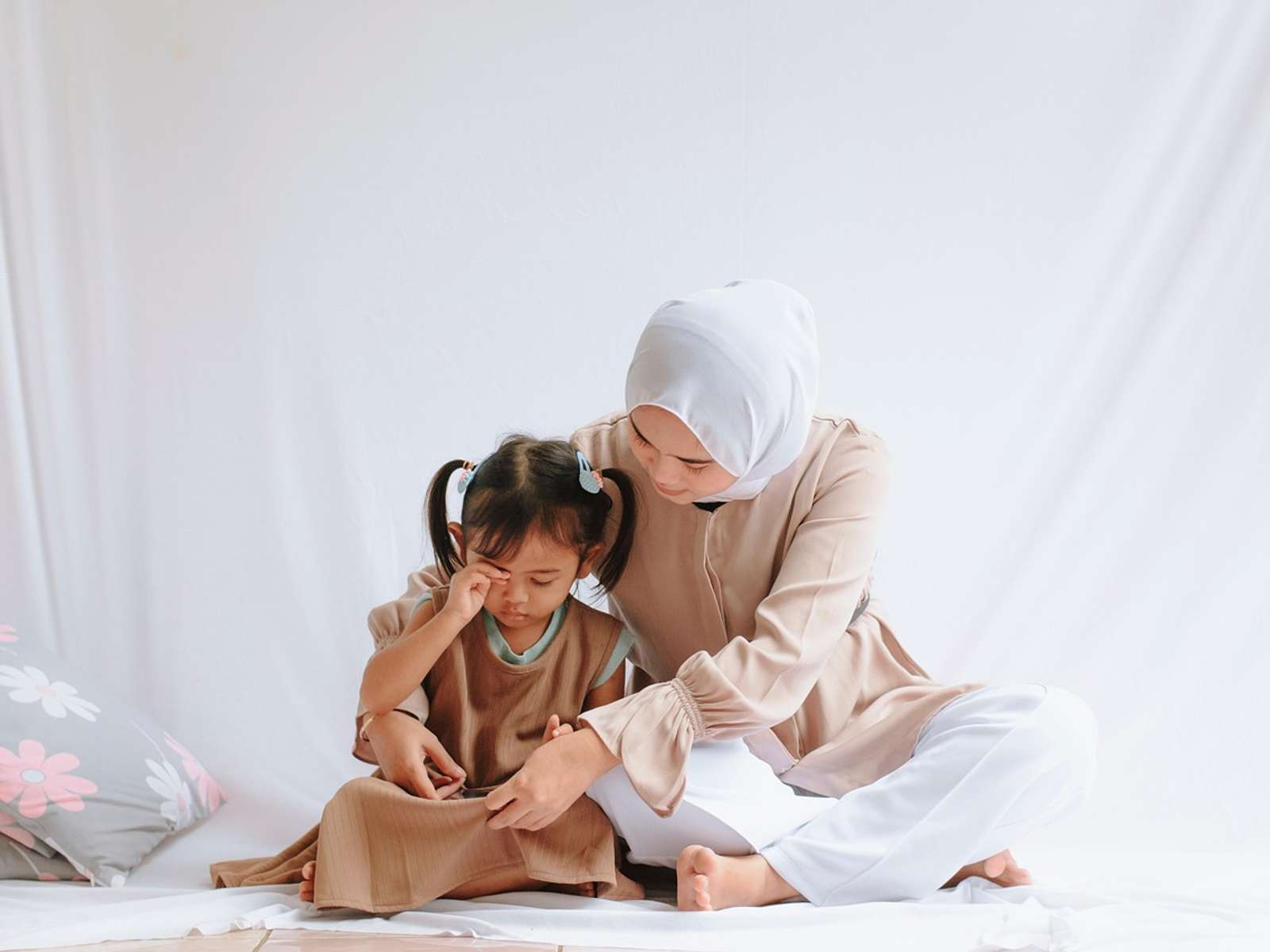
A two-year-old girl in South Papua, Indonesia, gained 2 kilograms and is walking and playing again after outpatient treatment for severe wasting with ready-to-use therapeutic food.
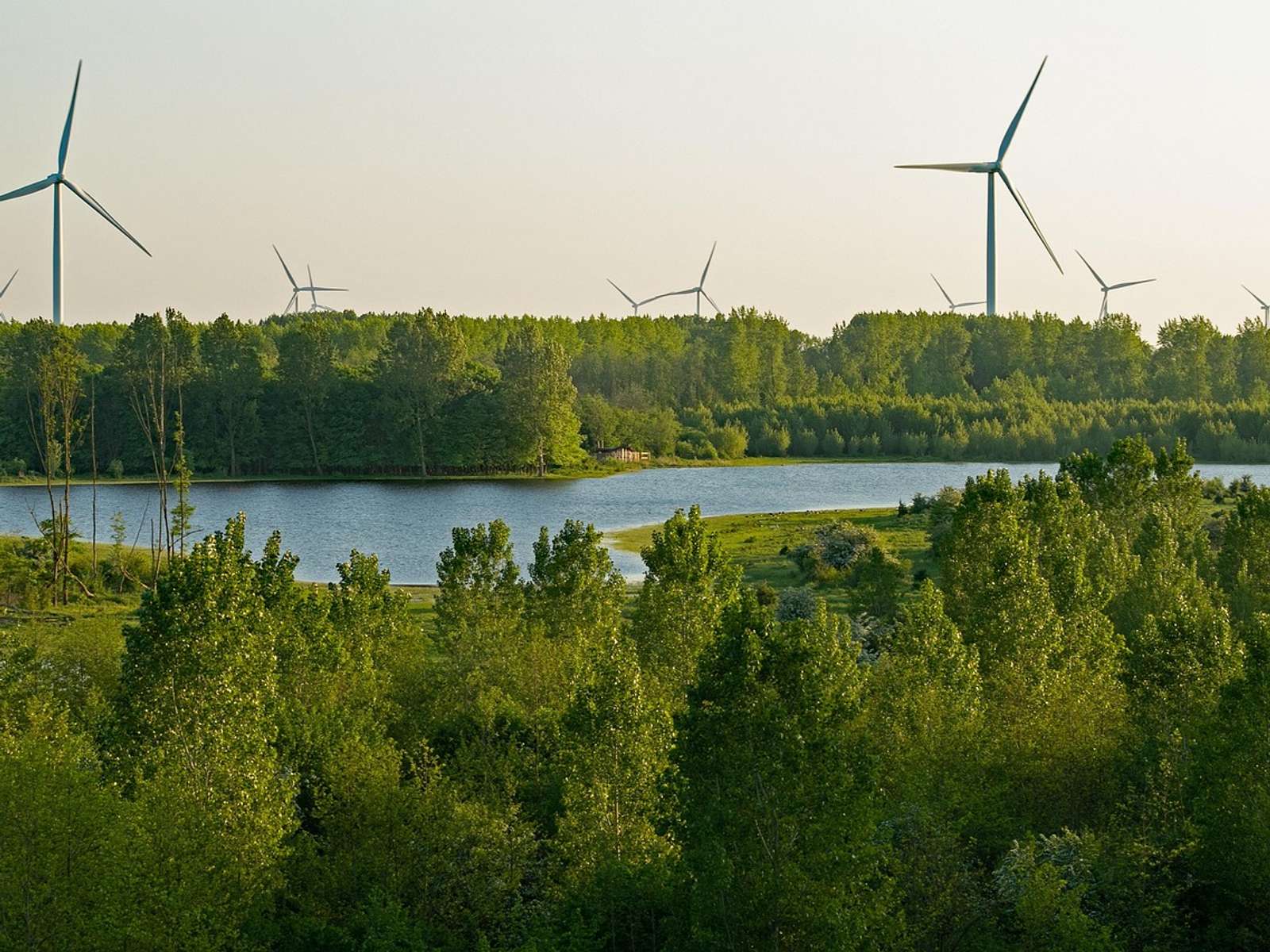
A 13-year experiment at the El Ruedo wind farm in Cádiz, Spain, found that painting one of three blades black reduced bird deaths at those turbines by 74% compared with unpainted turbines.
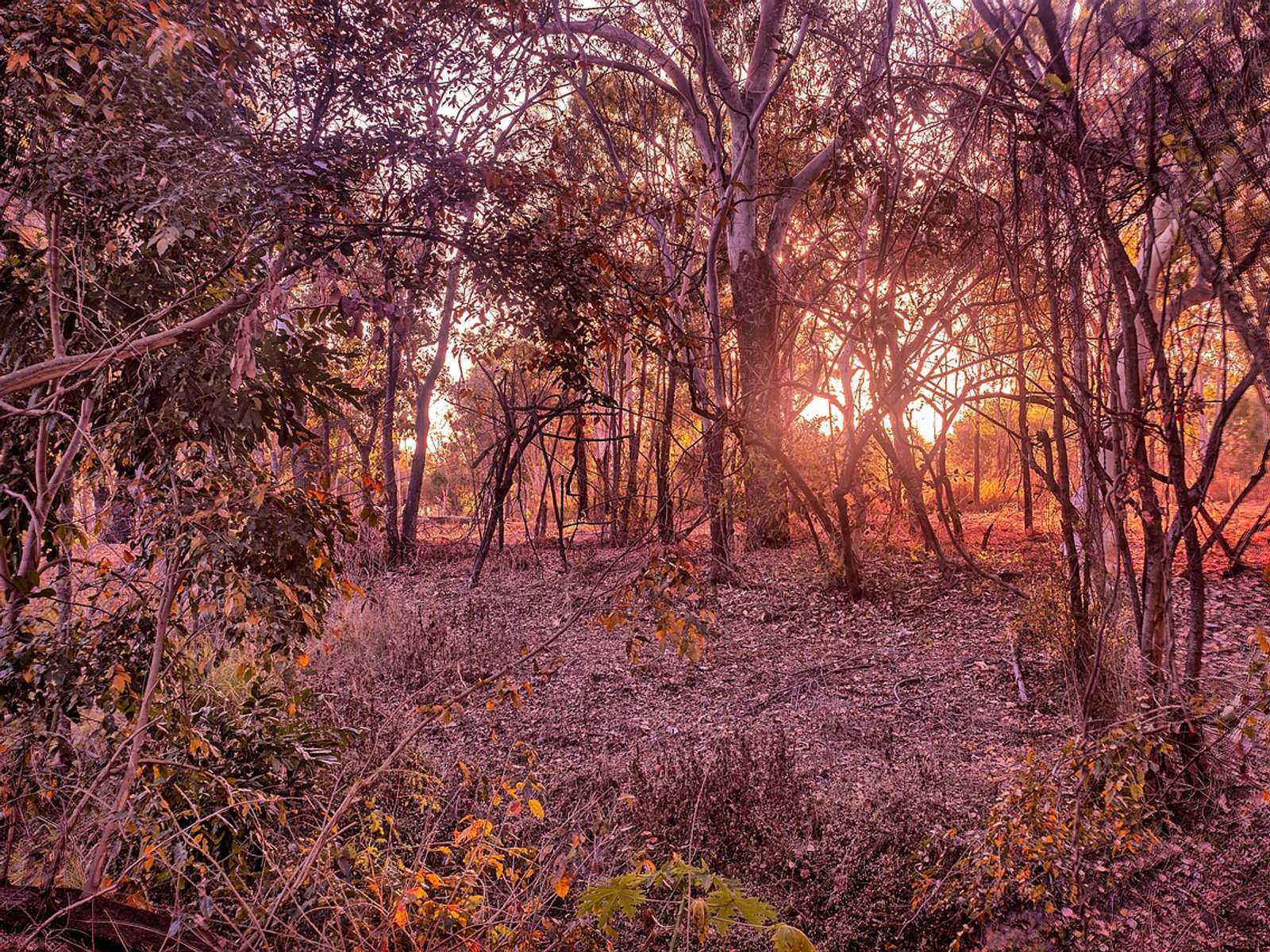
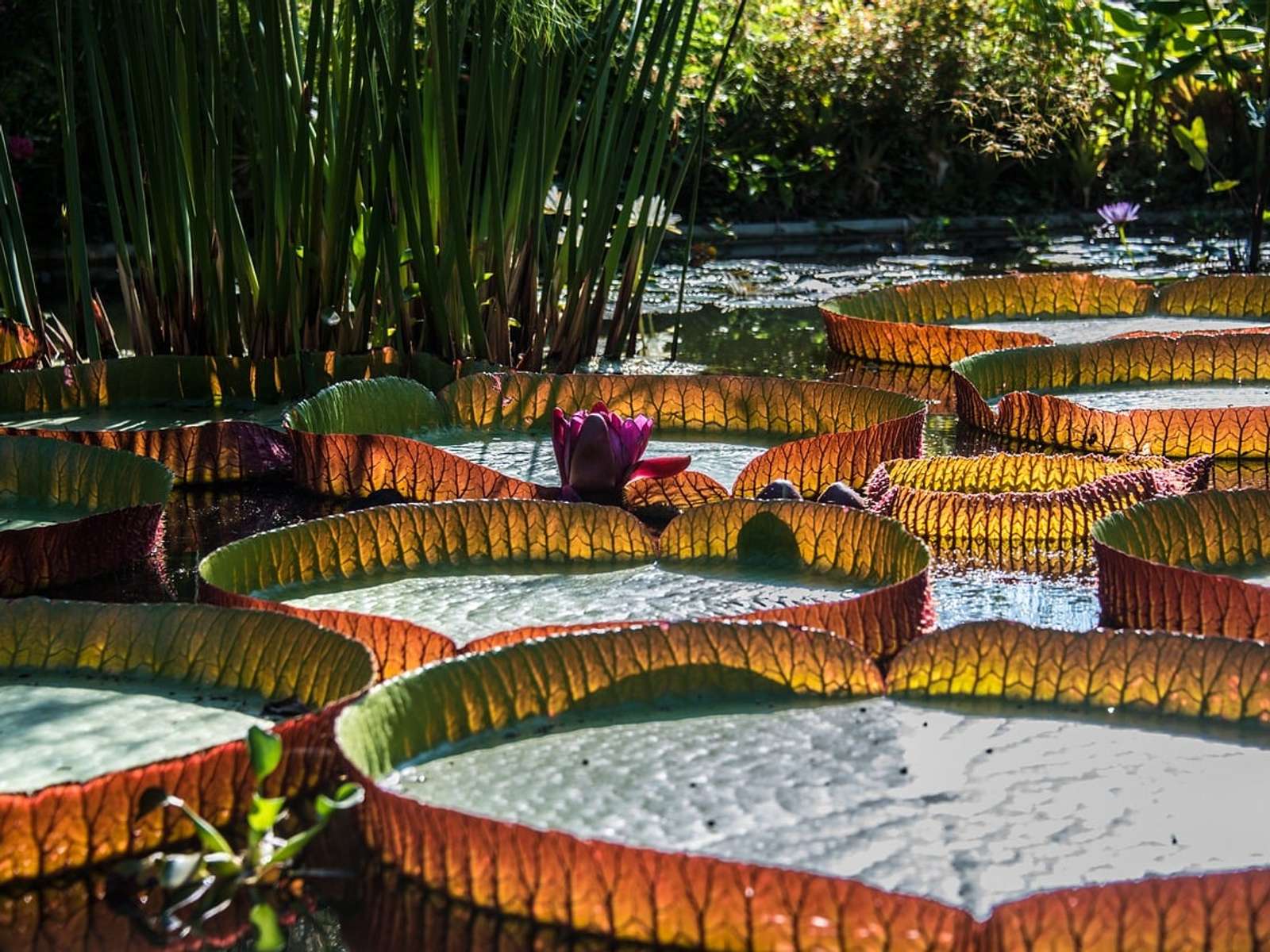
Kew horticulturist Carlos Magdalena spotted an unfamiliar giant waterlily in an Instagram photo from Colombia. Five years later it has been named Victoria colombiana, and only 30 to 50 plants are thought to survive.
By tracking molecules as they were heated, chemists at Warwick and Birmingham found materials that normally vanish along the way, including a new form of the solar-fuel compound bismuth vanadate and an oxide that stores lithium.
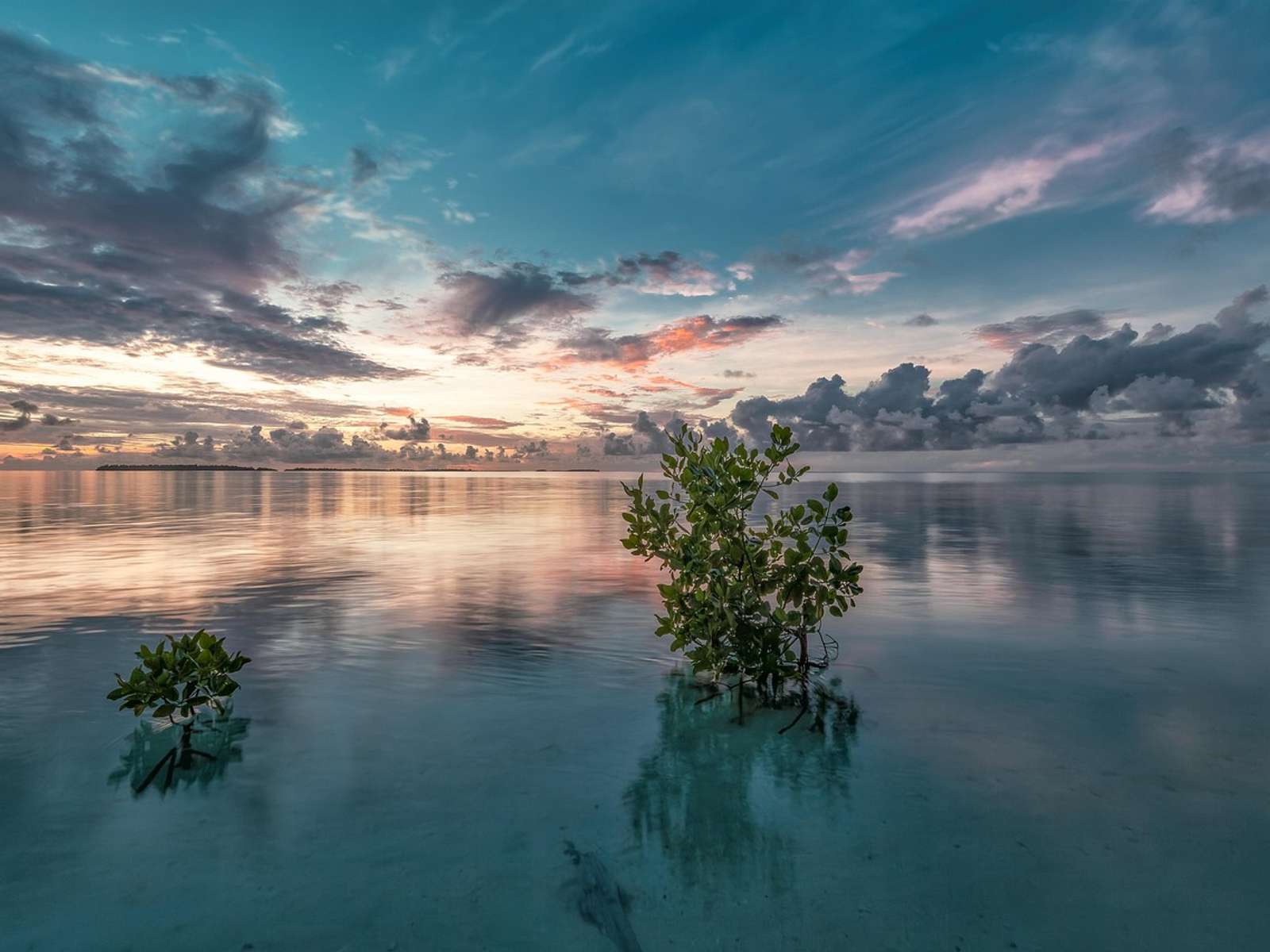
Meeting in Dar es Salaam for the Nairobi Convention's 40th anniversary, ten countries adopted 15 decisions on plastic pollution, mangroves, seagrass, coral reefs and the blue economy.
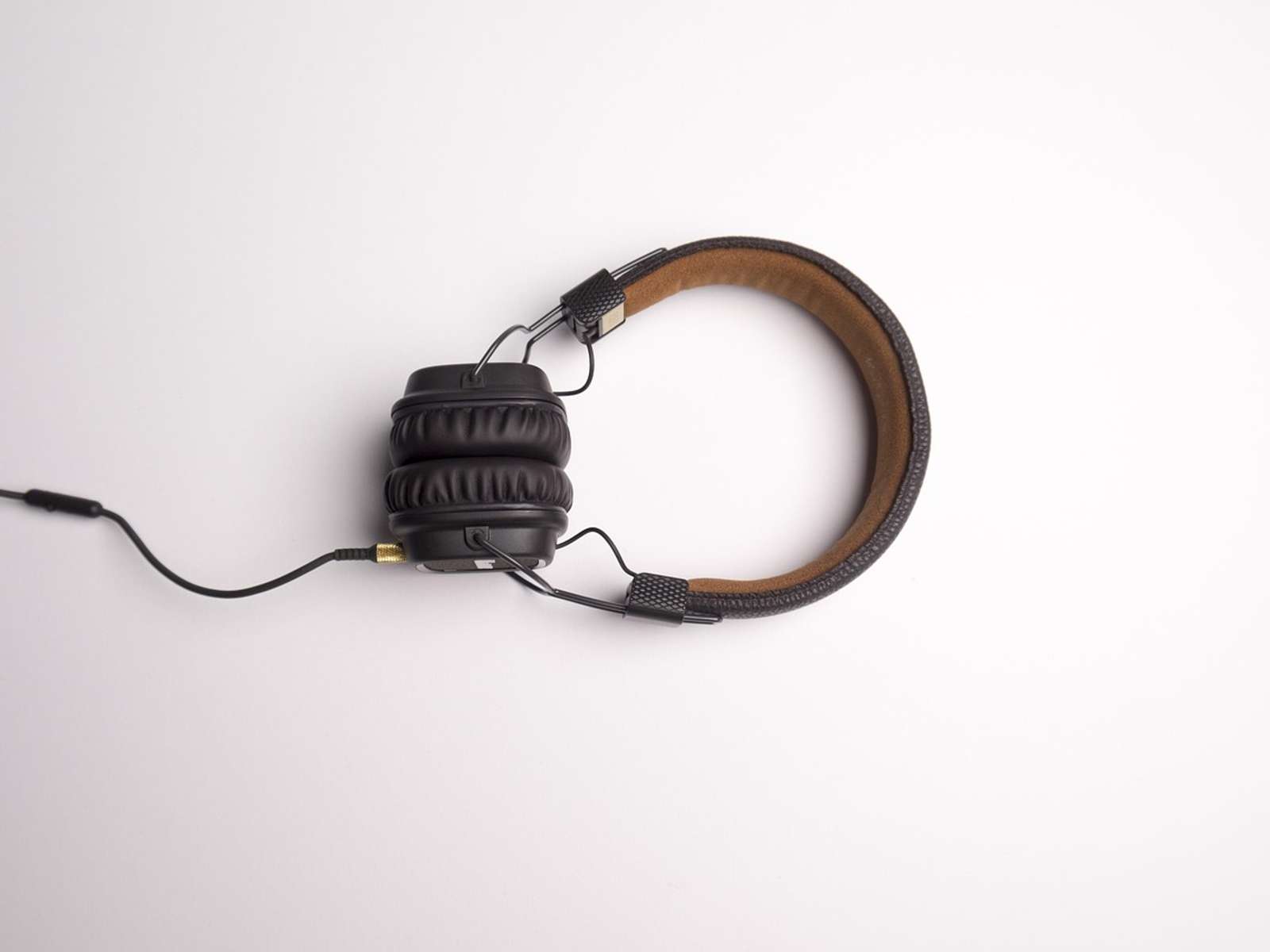
In a study of 204 patients having a cannula inserted before an MRI scan in Zurich, those who listened to their own favourite music reported the biggest reduction in pain.
Field studies in Hawaii led by Scripps Institution of Oceanography found that broadcasting healthy reef sounds increased coral settlement near the speaker and drew 4 to 14 times more fish larvae.
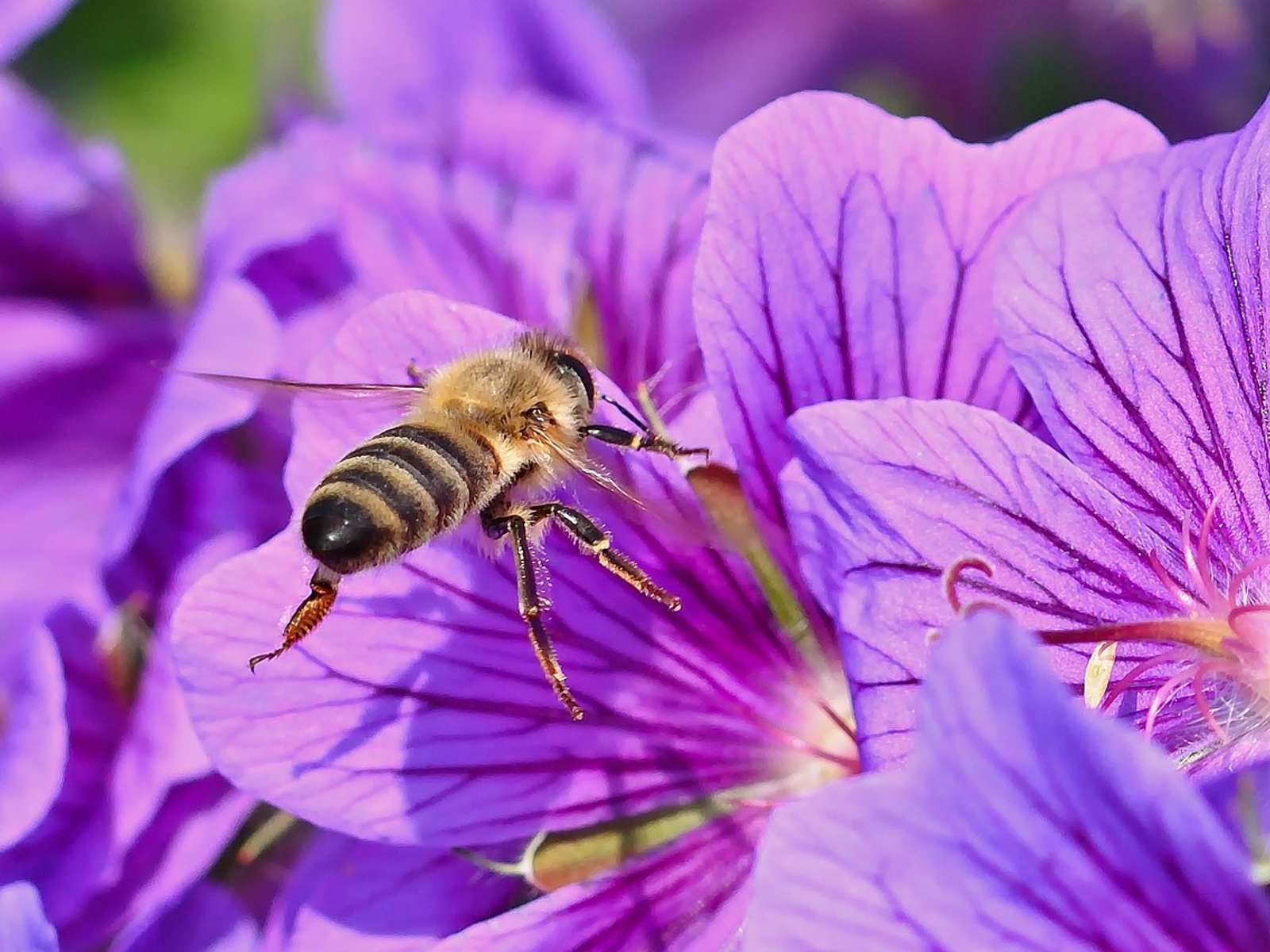
A team led by Penn State researchers documented 738 bee species in Colombia, including 246 never recorded there before, in the first annotated checklist of its kind for any country in the Western Hemisphere.
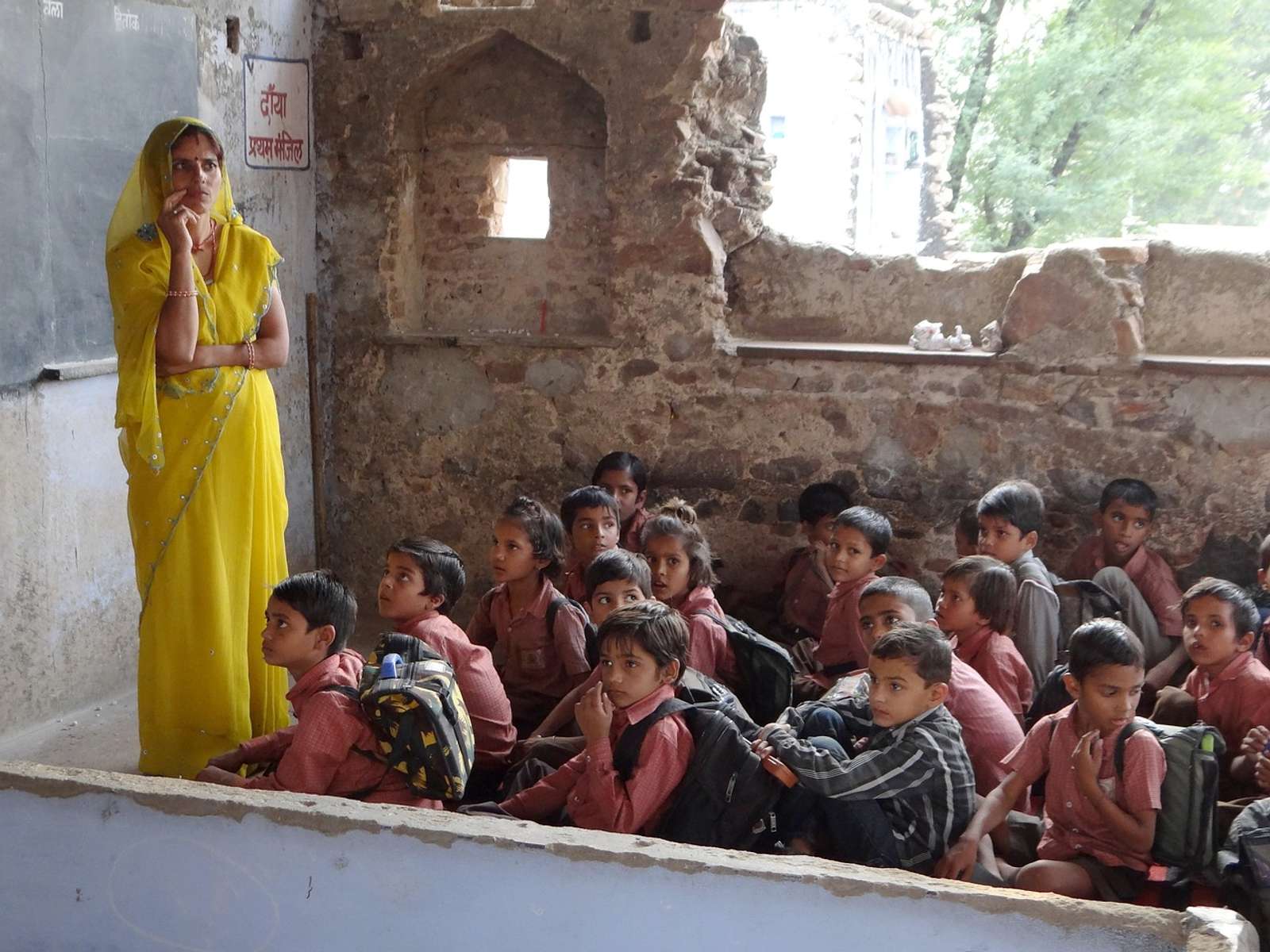
Shiksha Copilot, an AI system from Microsoft Research India evaluated with Cornell, saved more than 1,000 teachers in Karnataka about two hours a week, and about 30,000 teachers in Telangana now use it.
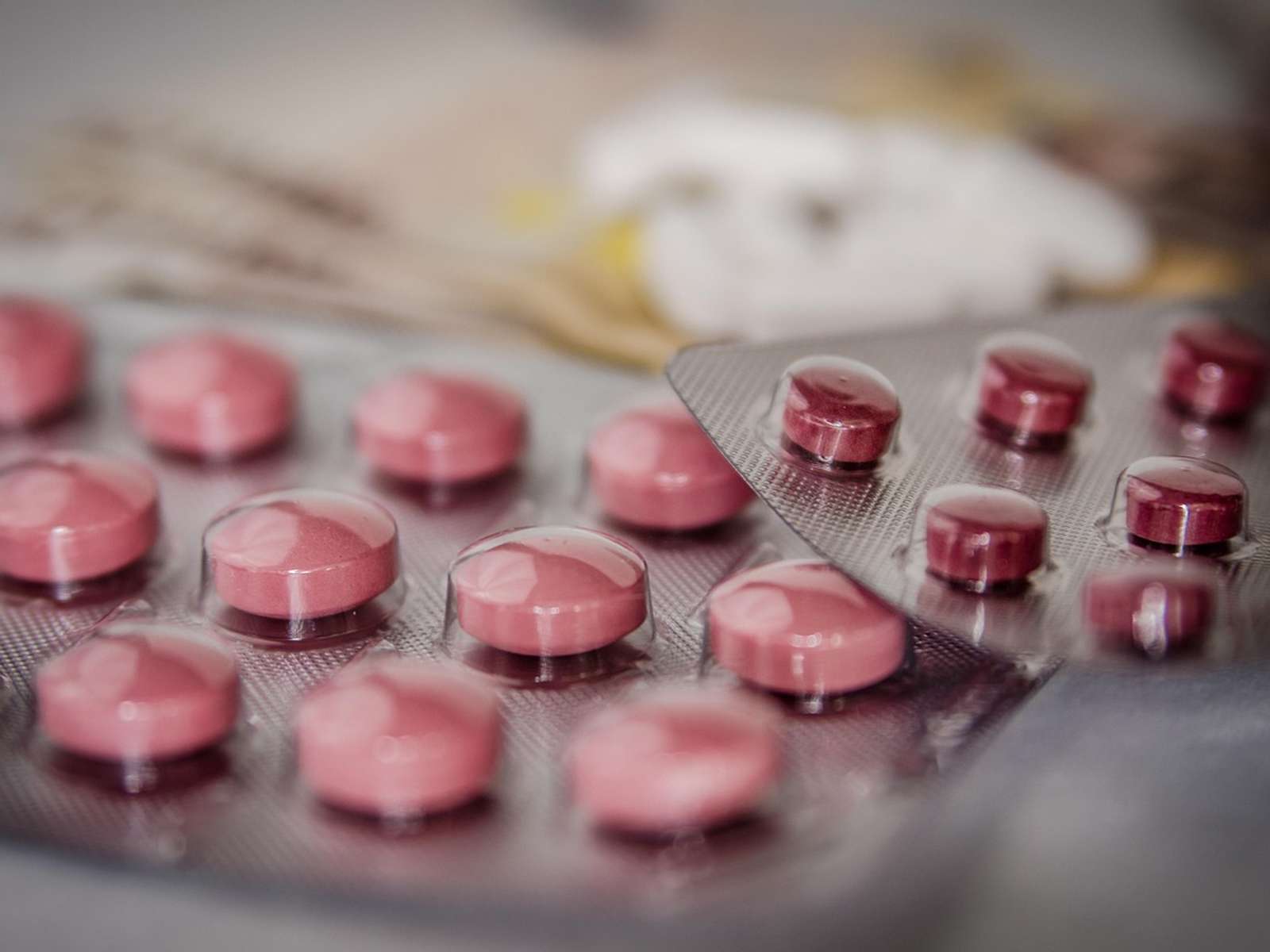
In England's I-WOTCH trial, 29% of chronic pain patients who joined a nurse-led support program had stopped strong opioids after a year, against 7% on usual care. A new economic analysis says the program costs more up front but may still be good value for the NHS.
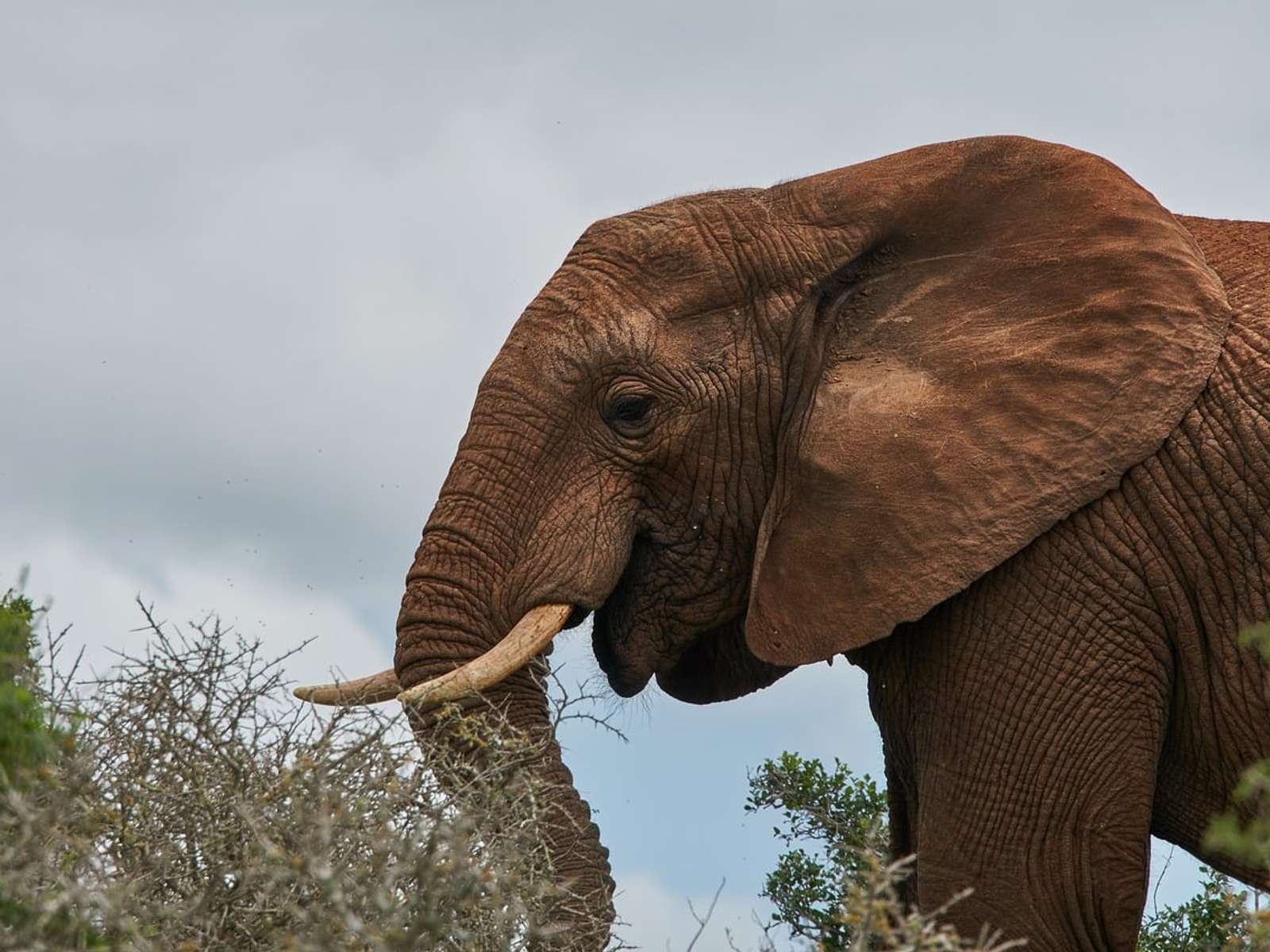
A study of wild elephants in South Africa found they use more than 40 types of gestures intentionally, checking whether others are watching and repeating signals until they get the response they want.
Scientists led by Germany's Helmholtz-Zentrum Hereon made a polystyrene with about 50% plant-based content, produced with microwaves and designed with breaking points so it can be broken down after use.
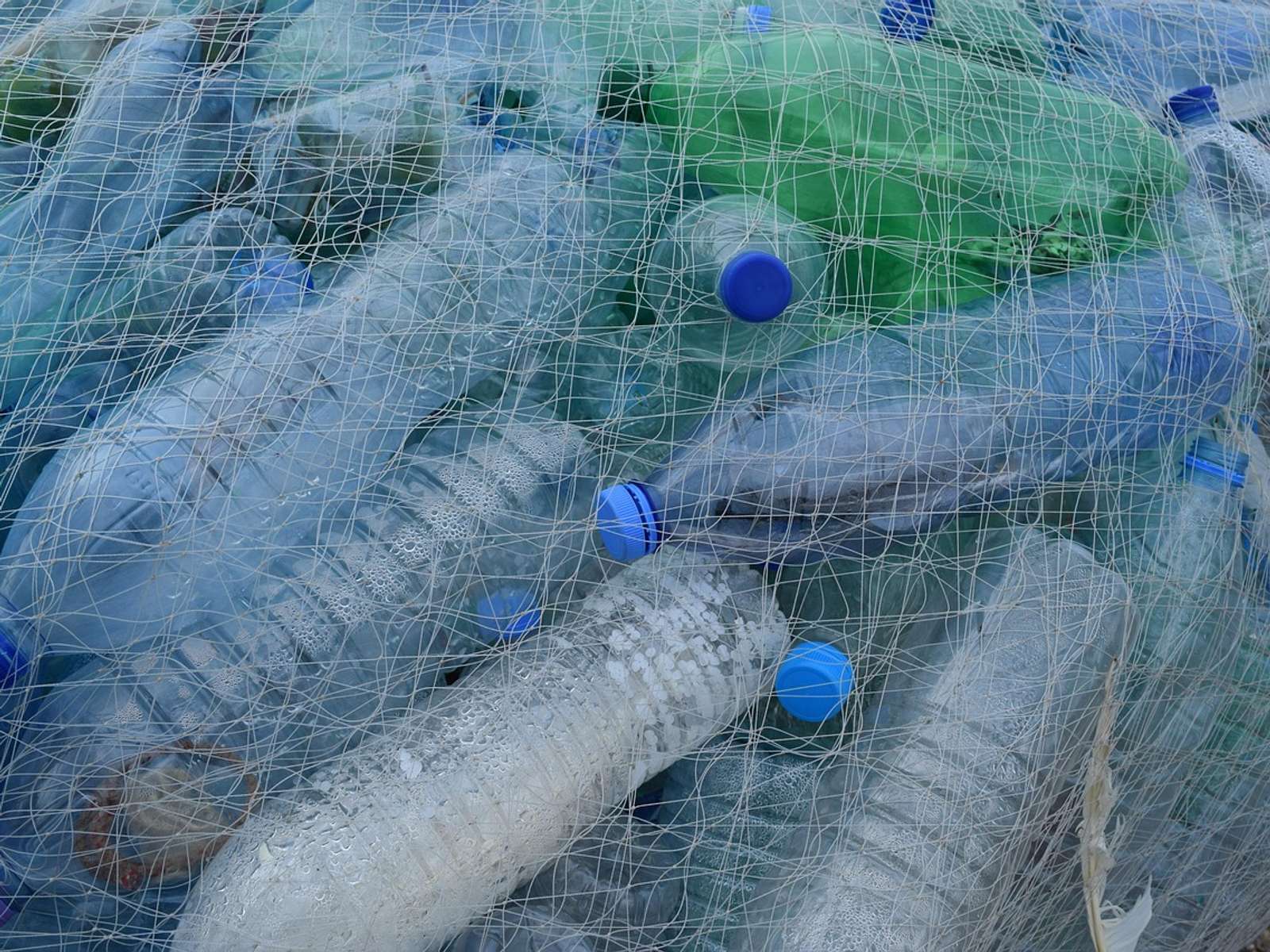
On Kenya's Pate Island, a community group collected 18.1 tonnes of plastic in eight months, earns money from the waste and is restoring one of the island's historic gates with recycled plastic.
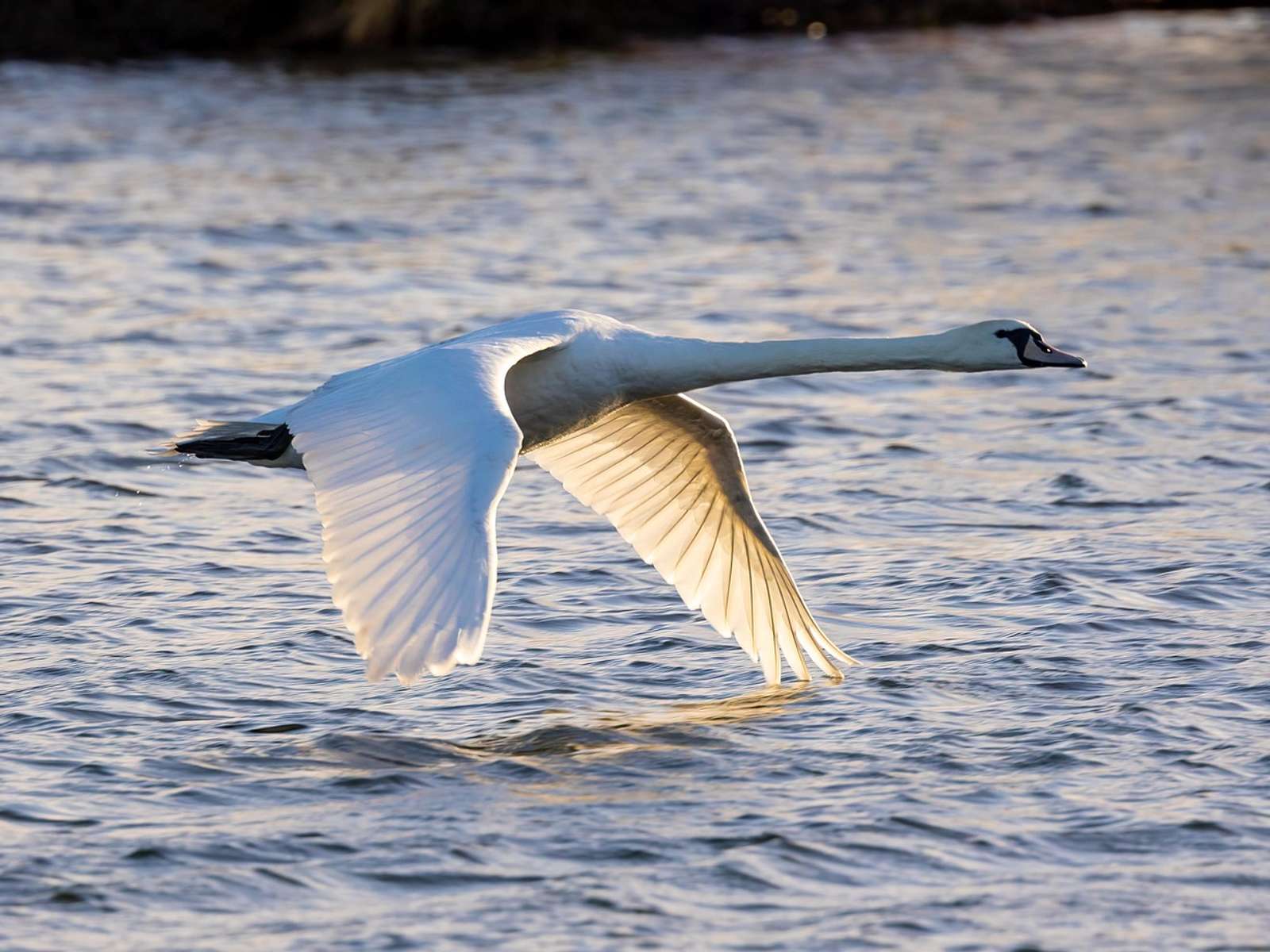
The European Parliament has rejected two attempts to block an EU-wide ban on lead gunshot, clearing the way for a rule that conservationists say will protect around 135 million birds at risk of lead poisoning.
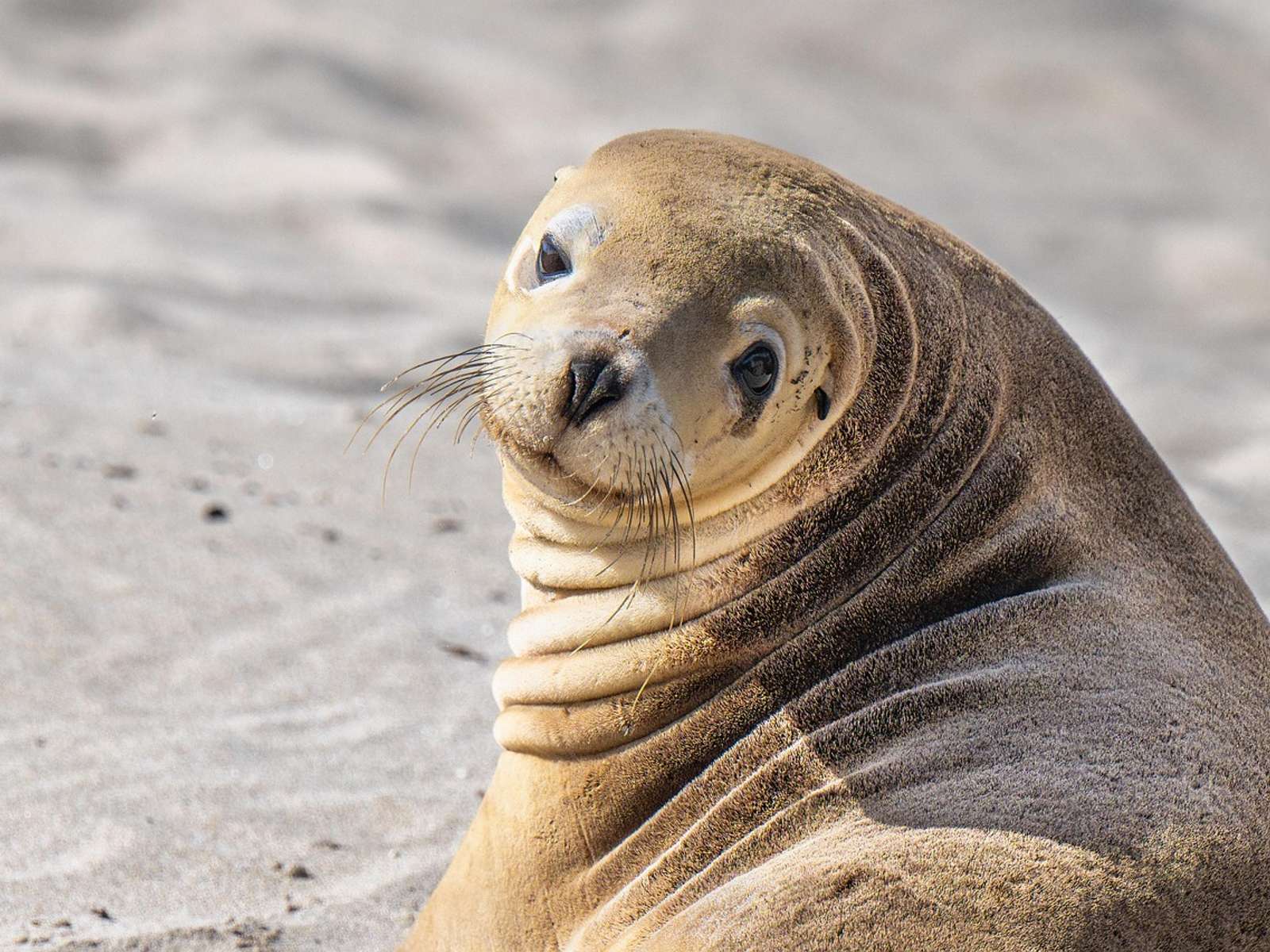
Researchers at Curtin University and Taronga trained sea lions and fur seals to press a paddle when they heard a tone, producing the first hearing baselines for the two Australian species.