Every story we have published, newest first. 380 stories so far.

In Mwinilunga, Zambia, girls who became pregnant are back at school under the country's re-entry policy, with support from a UNICEF and EU program. One wants to join the police, another to study physiotherapy.
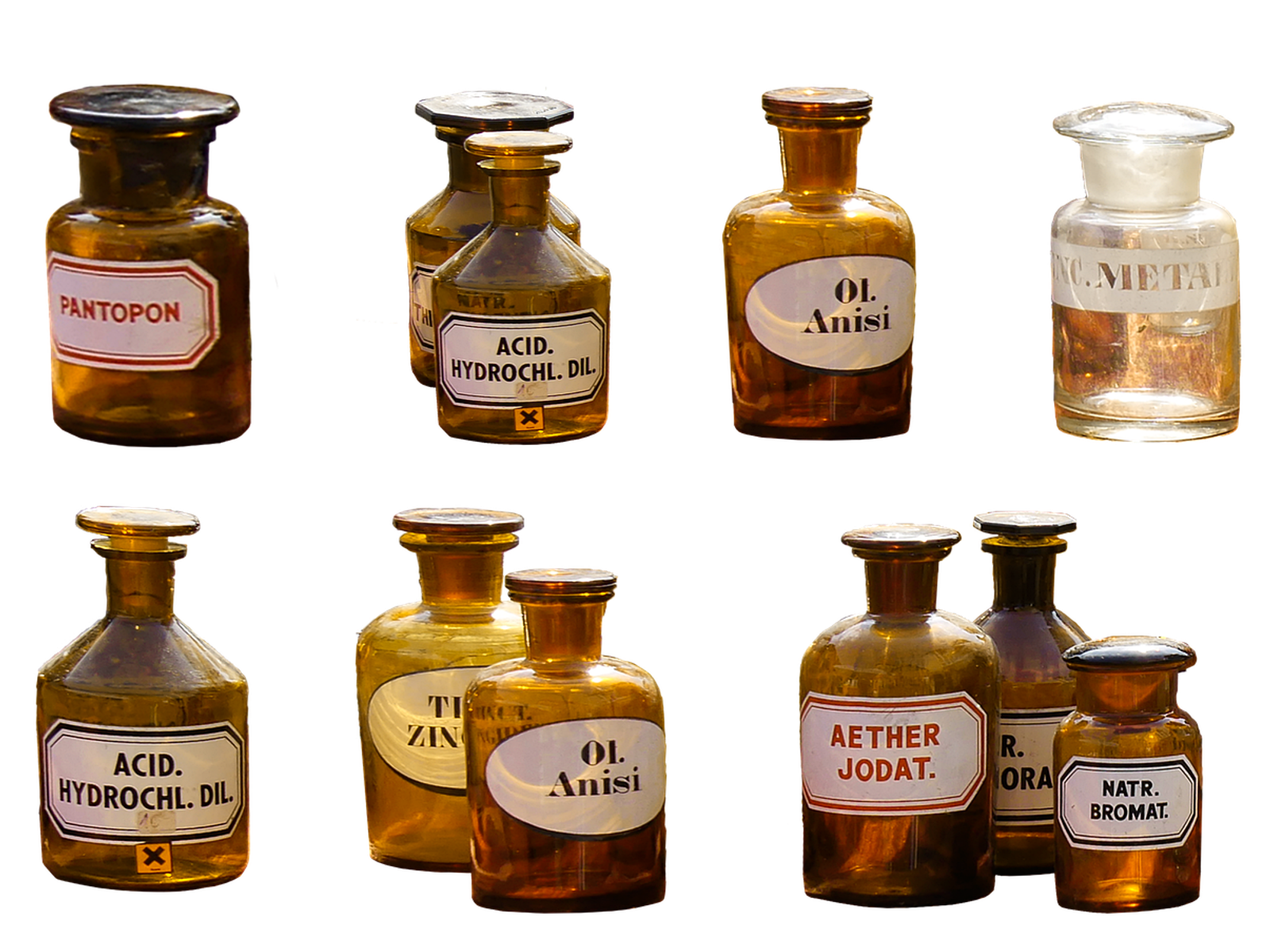
UNICEF has handed 75,000 vials of medicine to health authorities in Khyber Pakhtunkhwa, where more than 10,500 leishmaniasis cases have been reported this year, over 4,400 of them in children under 16.
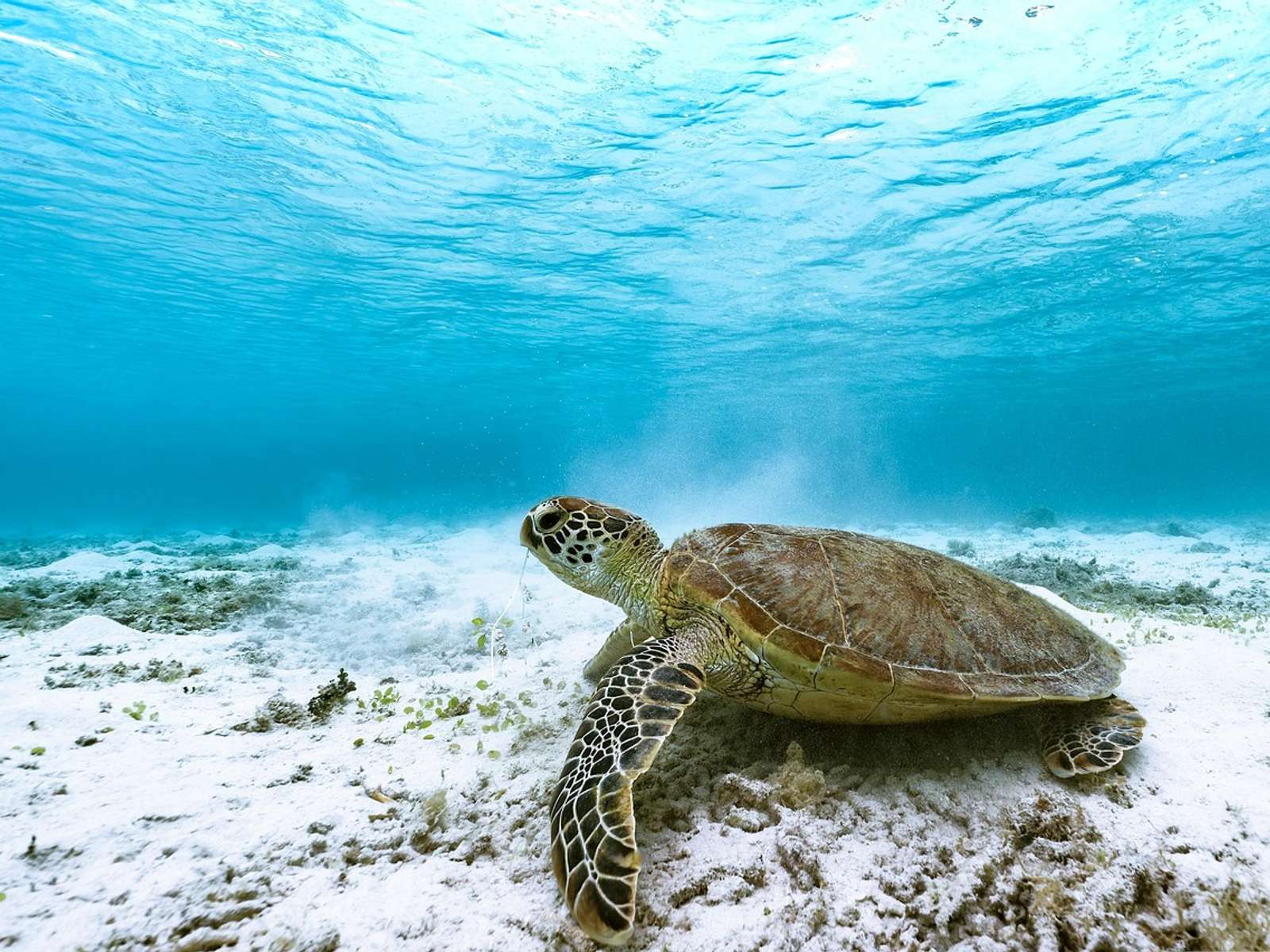
Fishermen reported an unmanned boat off Serangan Beach in Bali carrying 22 live green turtles. After vet checks, Indonesia's marine ministry released 20 of them on 13 October; two are still being treated.
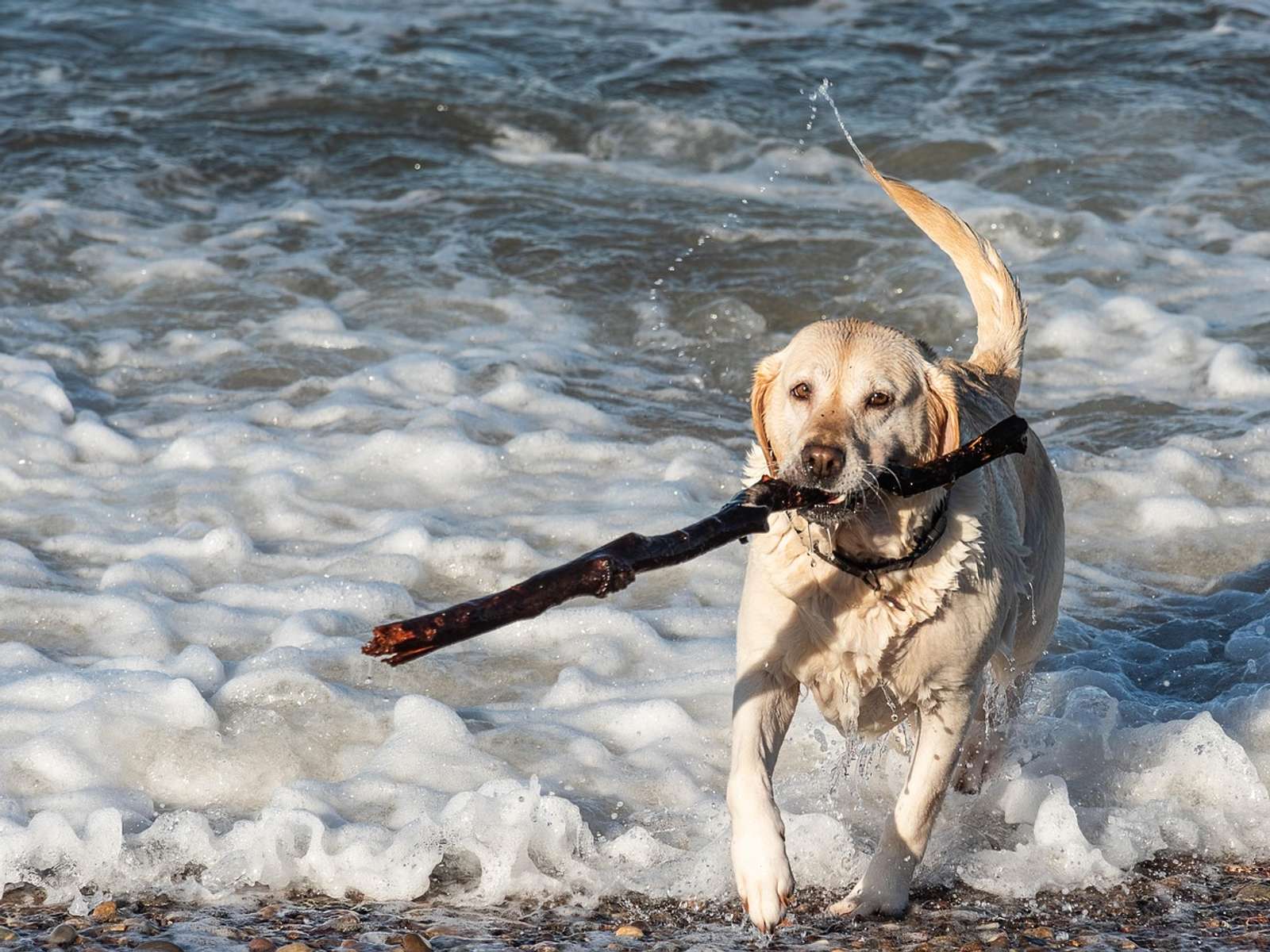
Sgiath, a Scottish labrador trained to detect the invasive carpet sea squirt by scent, won Animal of the Year at IFAW's Animal Action Awards 2026 in London, alongside six people honored for work on anteaters, lions, sharks, wildlife crime and rescue.
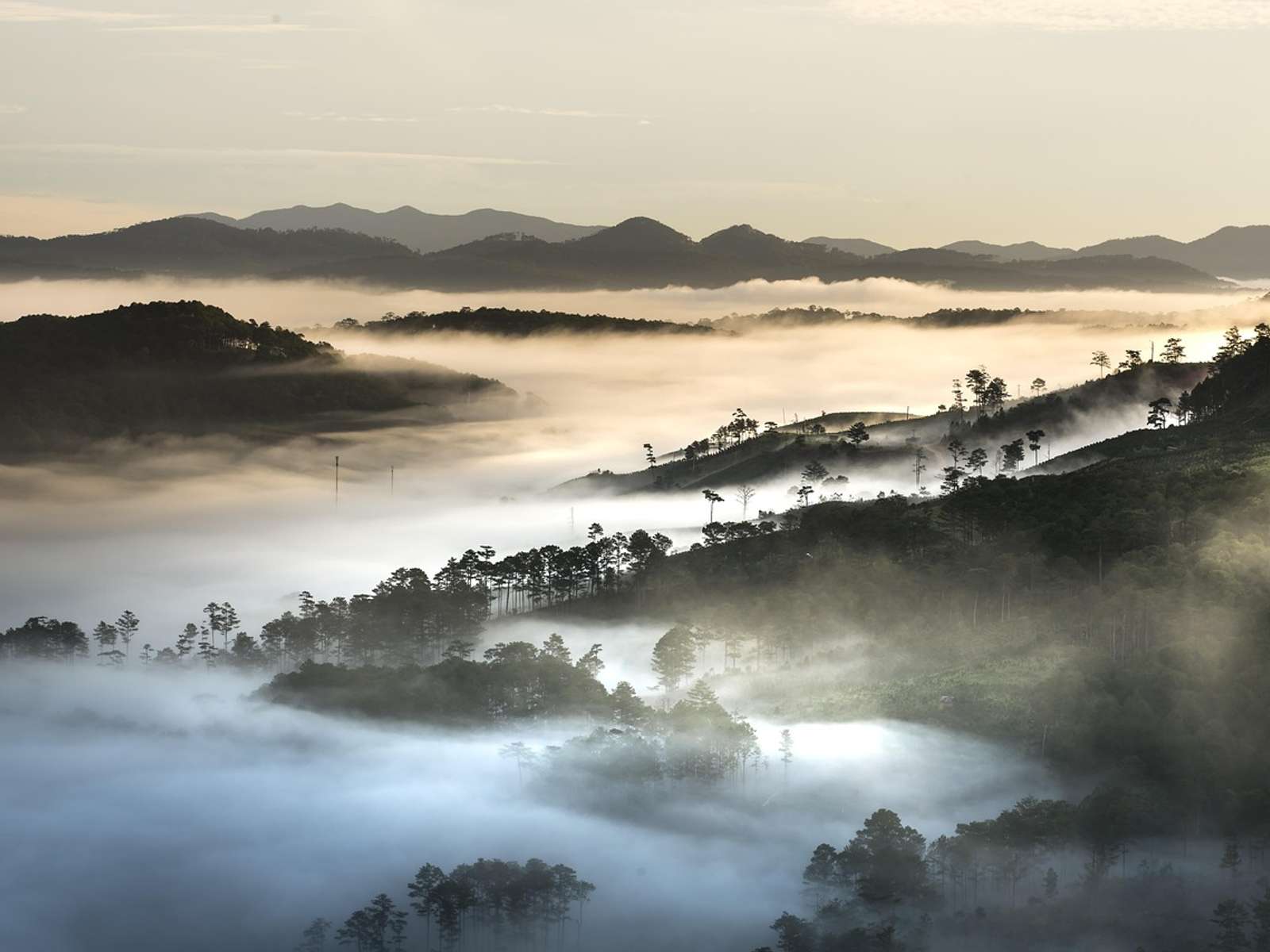
Lam Dong province has established the Ta Kou Nature Reserve, 8,408 hectares of mostly natural forest where surveys recorded about 287 animal species, including black-shanked douc langurs. A plan worth about $3 million runs to 2030.
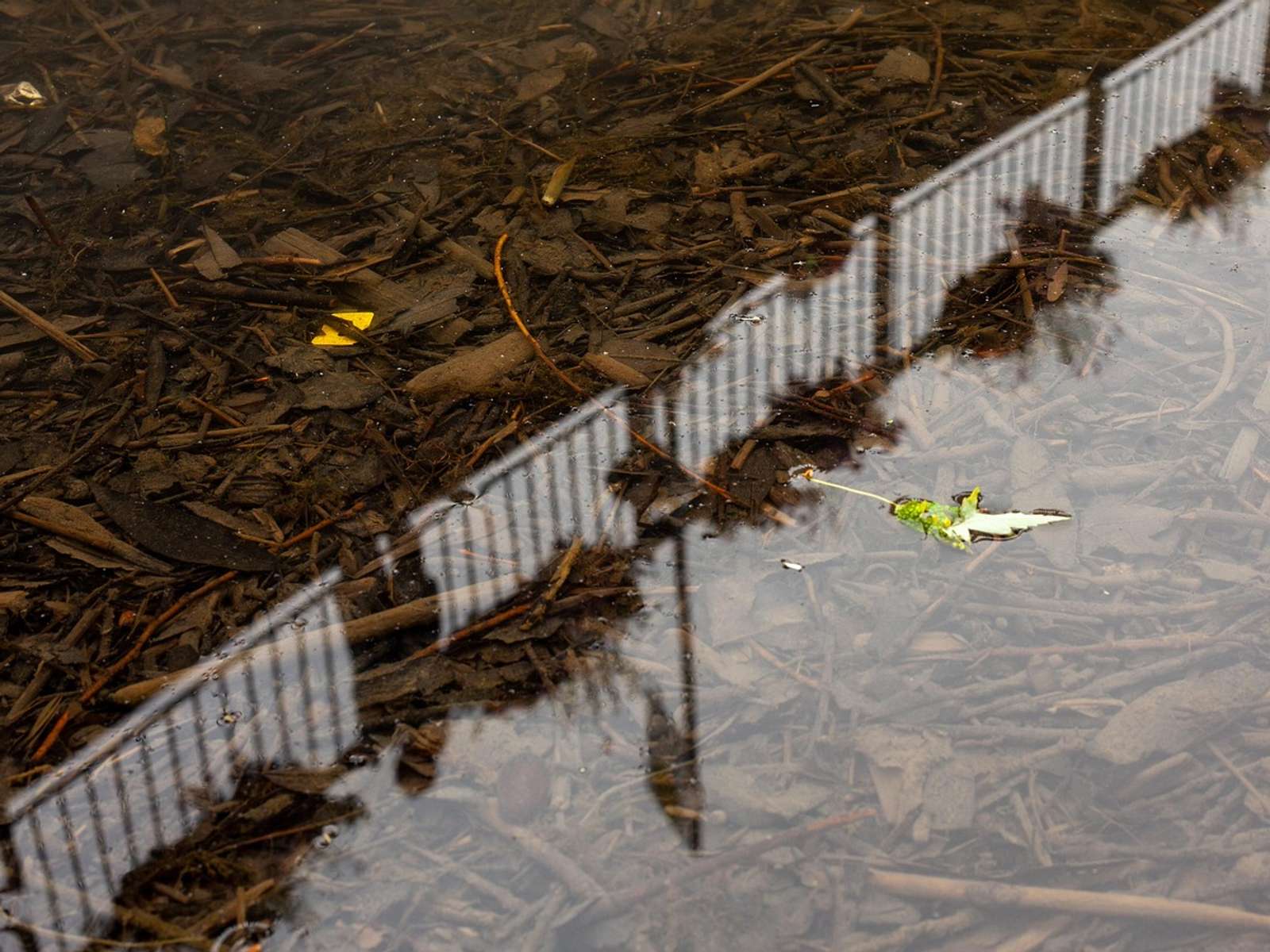
Indonesia and UNDP launched the Sungai Lestari program in Bali to stop plastic reaching the sea. In Surabaya and Surakarta it has already removed 492 tonnes of waste from four rivers, paying groups only for verified results.

Malyn Lyceum No. 2 in Ukraine's Zhytomyr region, damaged by a blast wave during Russian attacks in 2022, reopened after a renovation of almost €2 million with a new roof, insulation, heating and safety systems for up to 600 pupils.

MIT researchers built an AI model that links 3D crystal structures with written descriptions of their properties. Asked for solid-state battery electrolytes, it surfaced materials already identified as promising candidates.
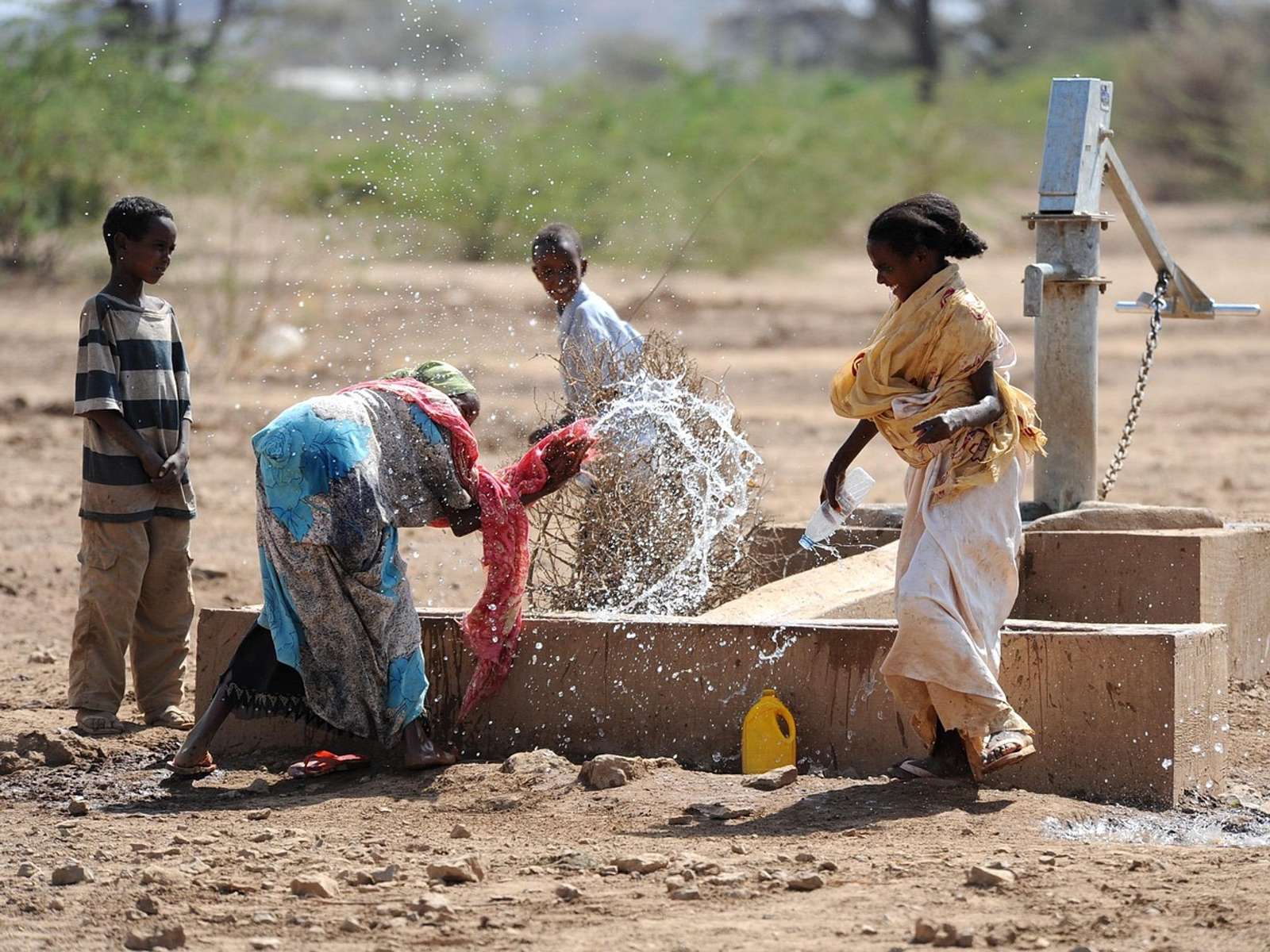
After a cholera outbreak with 720 suspected cases and 46 deaths, UNICEF and Oxfam set up river-water treatment systems in villages along the Oubangui in the Central African Republic, aiming to give 15,000 people safe water.
San Diego Zoo Wildlife Alliance has established a third reintroduced population of Pacific pocket mice, a thumb-sized rodent rediscovered in 1993. More than 500 have been released since 2006.

In a 60-patient phase 1b trial led by MD Anderson, firmonertinib shrank tumors in 68% of previously untreated patients with EGFR PACC-mutated lung cancer at the higher dose, with a median of 16 months before the disease worsened.
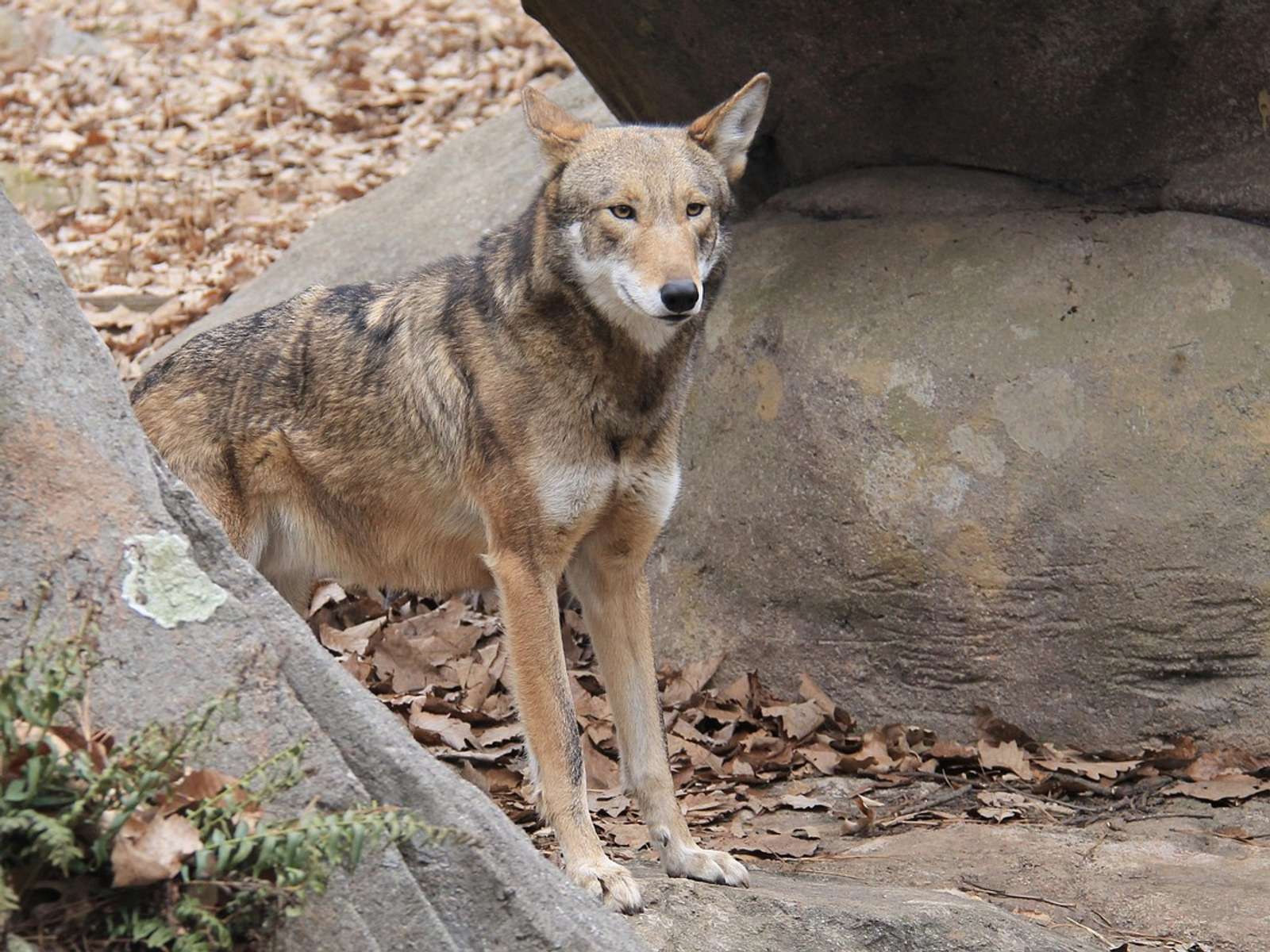
Red wolves Carolina and Jacques and their five pups moved from Durham's Museum of Life and Science to the Wolf Conservation Center in New York, in an exchange meant to keep the species' small captive population genetically healthy.
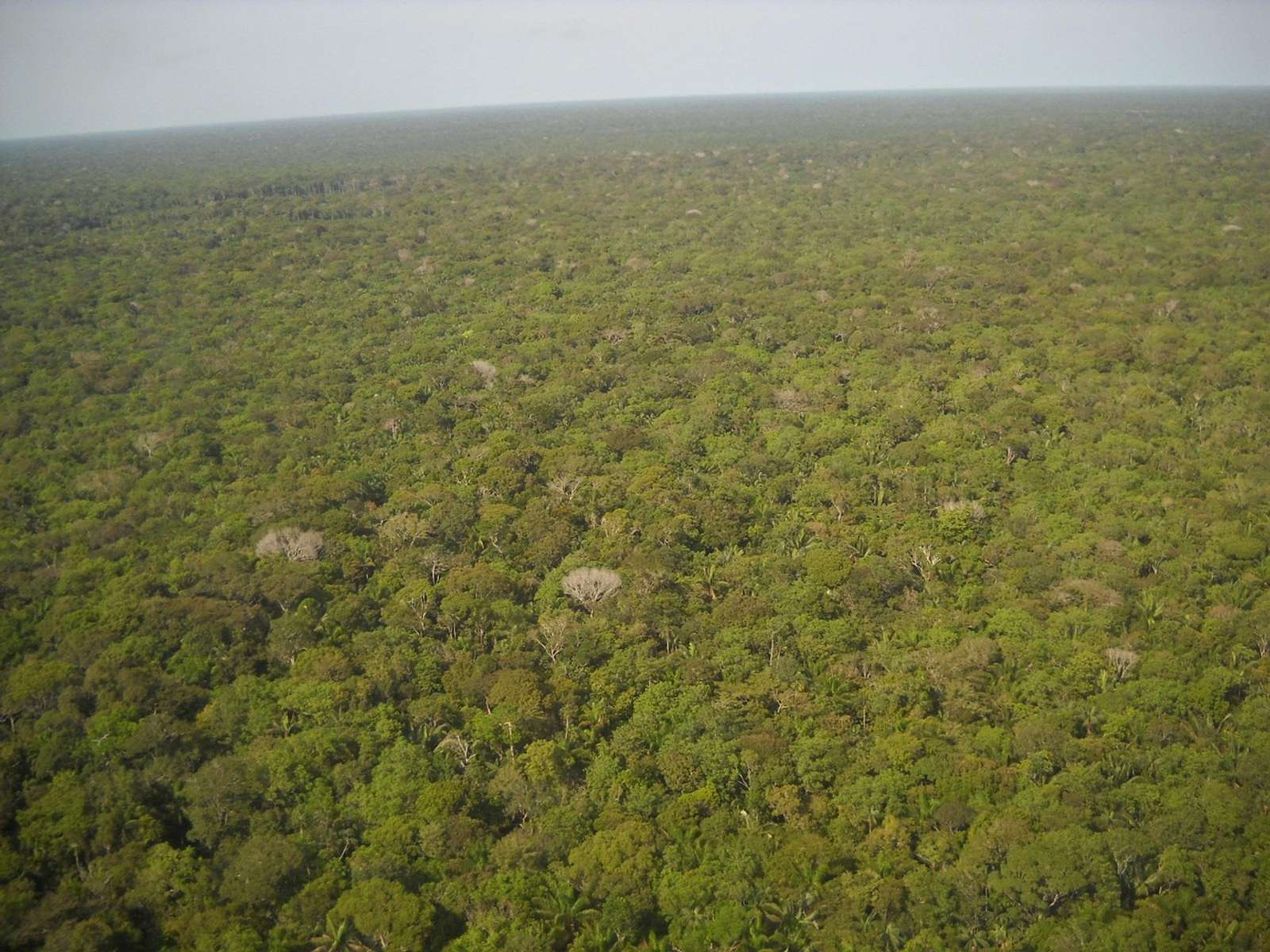
Satellite monitoring by Brazil's space institute INPE recorded 3,335 square kilometers of Amazon deforestation from August 2025 to July 2026, down 41.8% in a year and the lowest since 1988. Clearing in the Cerrado also hit a record low.
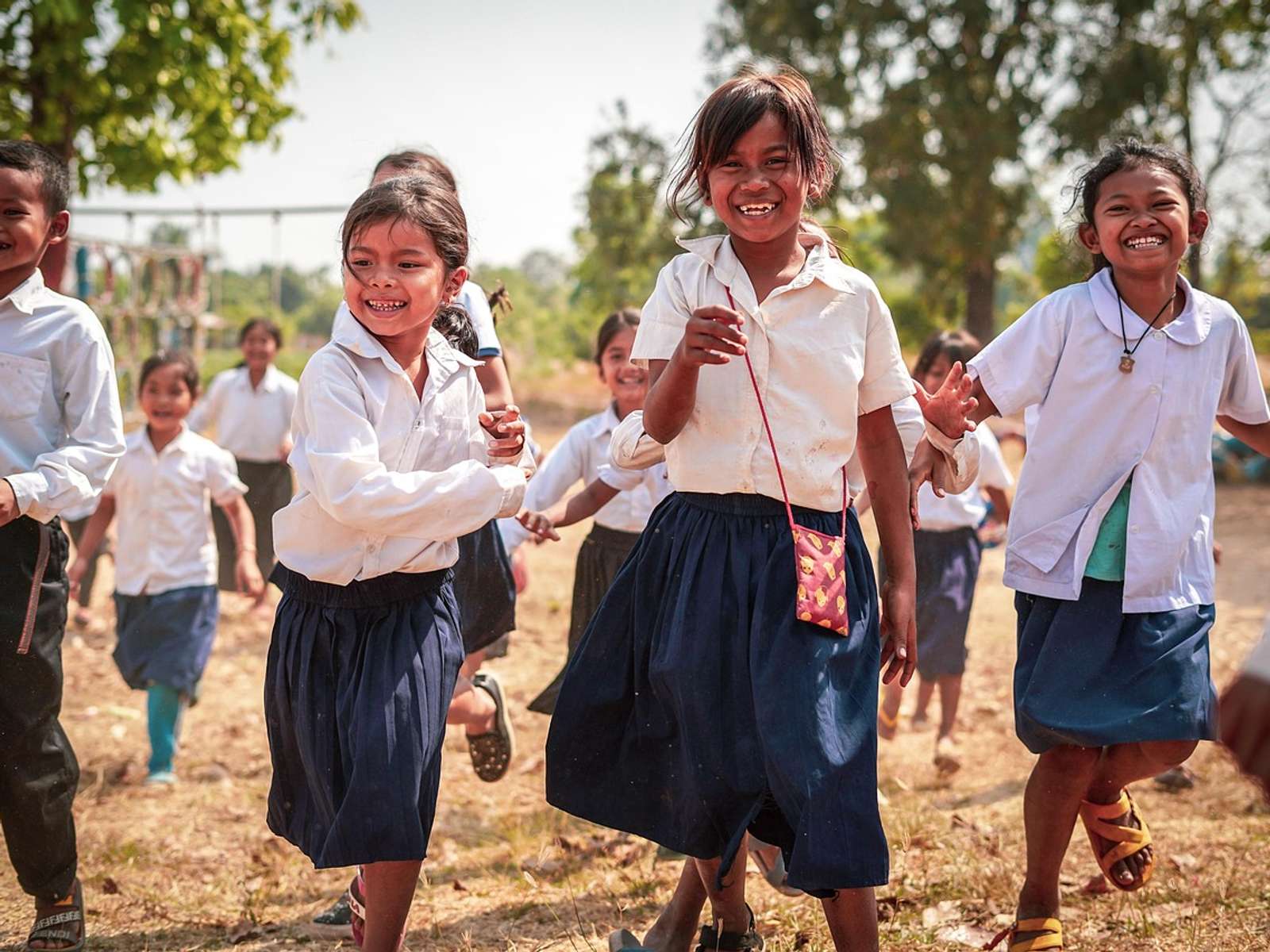
In Prey Veng, five 16-year-old volunteers have taught about 1,300 primary schoolchildren about healthy food and persuaded snack vendors to drop banned products, through a UNICEF-backed youth program that has reached 50,000 students.
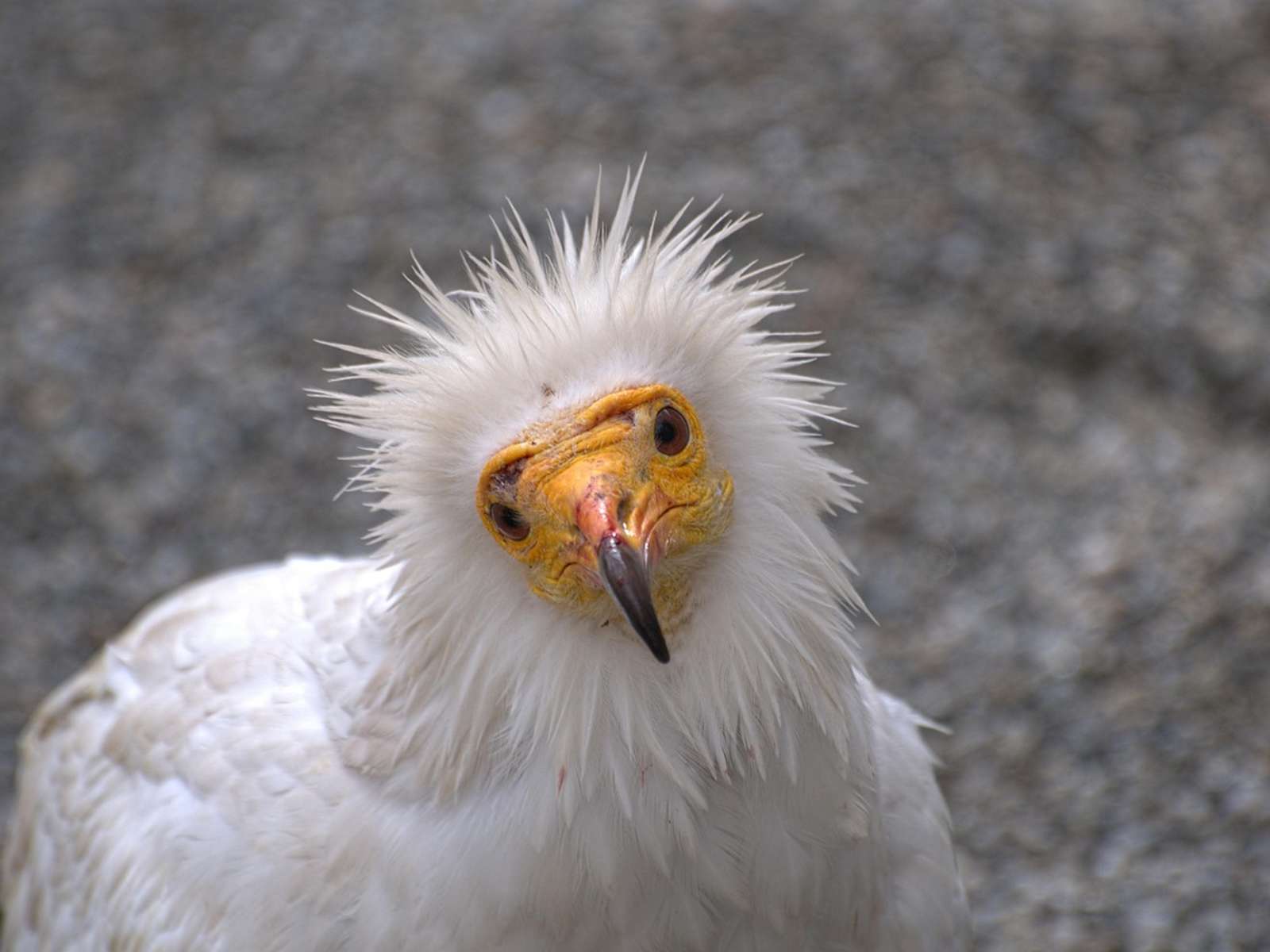
Brok, rescued from a Lebanese farm in 2021, and Qalamoon, found at an illegal wildlife facility, became parents at Prague Zoo when their chick Kali hatched on 12 July. Neither parent can return to the wild, but Kali joins Europe's breeding program.
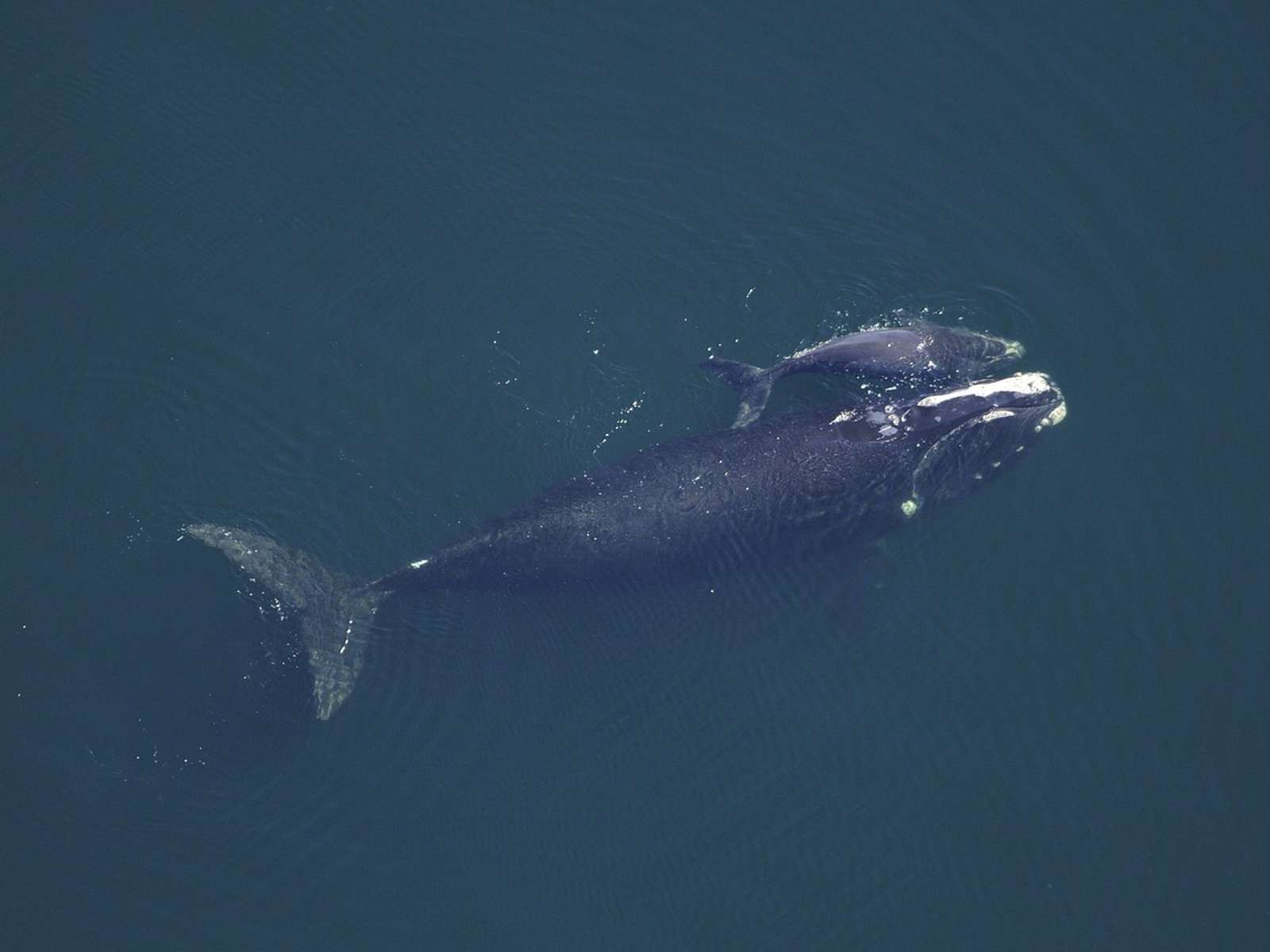
Satellite tracking of 21 southern right whales from New Zealand's Auckland Islands showed half swam straight west to feed south of Australia, while the rest took a month-longer L-shaped route. Both groups arrived at about the same time.
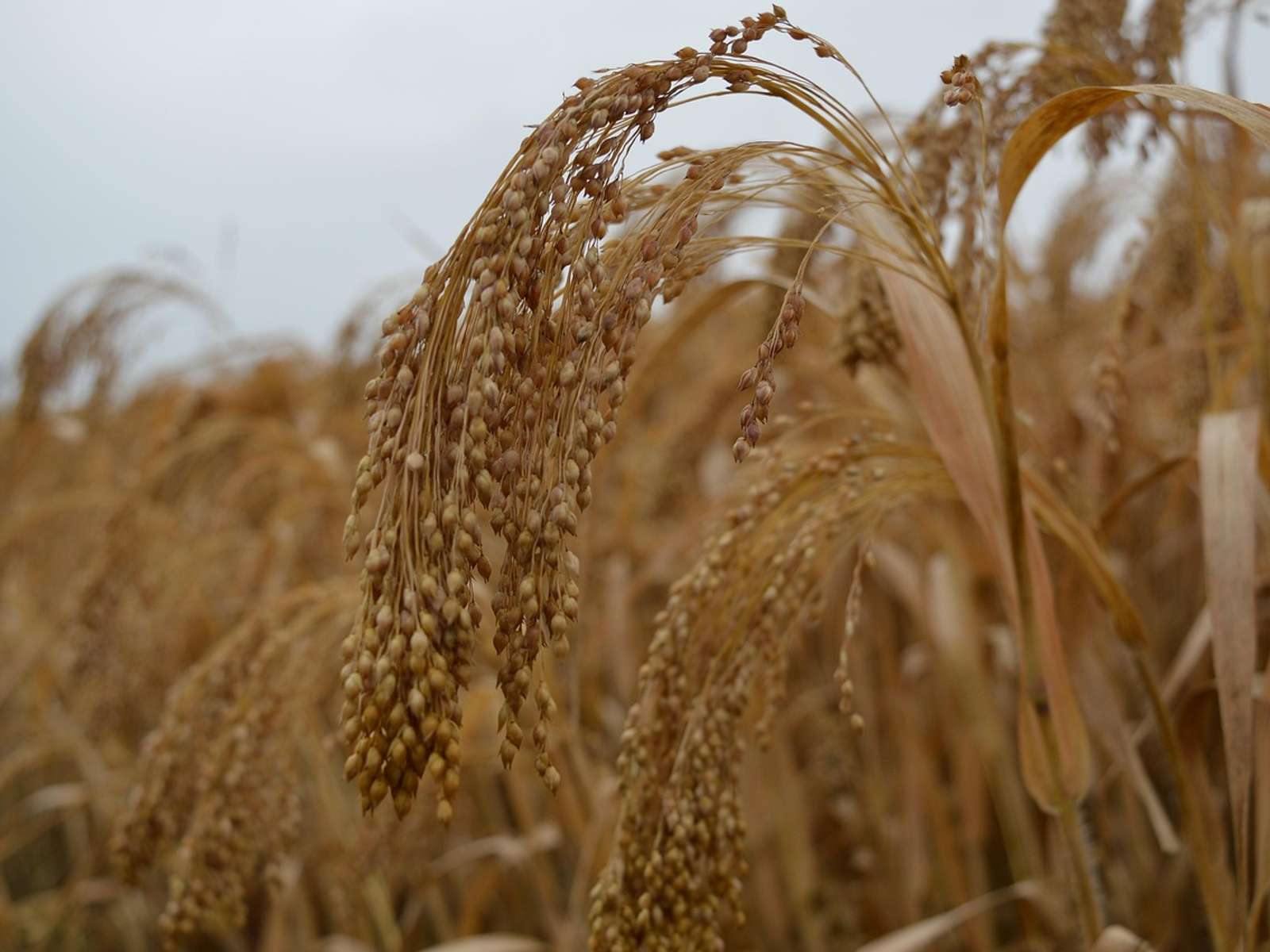
In Syalbada, Jumla, an all-women farmers' group of 27 has started growing proso millet, or Chino, together on about three hectares, with seeds, a thresher and market links from a UNDP project. Nearby, a cooperative now buys such crops at Rs. 100 per kg.
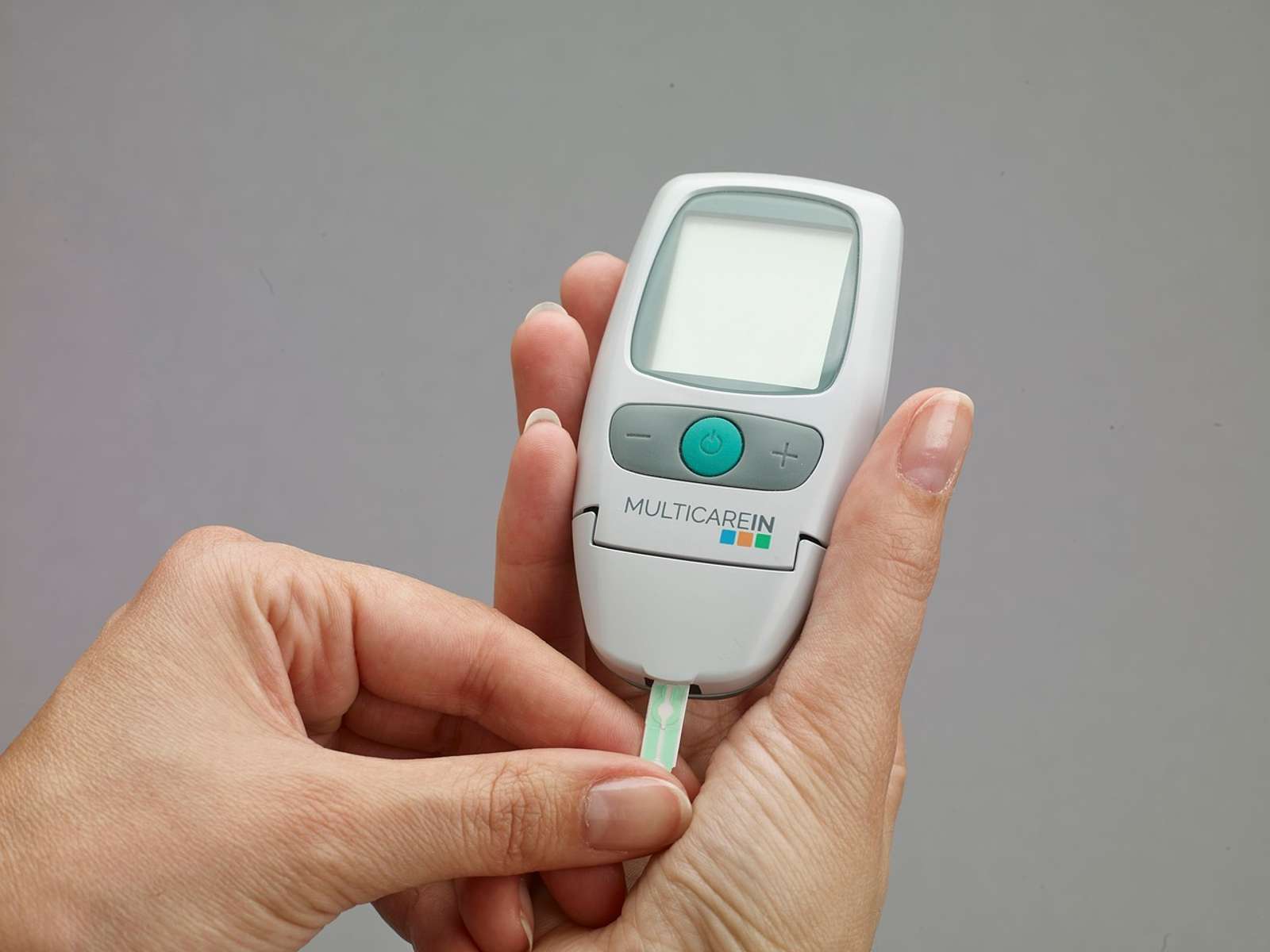
In a 26-week trial of 283 adults with type 2 diabetes who don't use insulin, those given continuous glucose monitors spent about five more hours a day in their target range and lowered their A1c by 0.9 points more than with routine care.

A WCS-led study used more than 134,000 GPS locations from 99 jaguars to map the corridors that connect their populations across the Americas. It found new pathways, warned that some old ones may be lost, and showed many lie outside protected areas.

In Tawila, North Darfur, a solar-powered water yard built by UNICEF now gives about 10,000 displaced people at least 15 liters of safe water a day each, from 36 taps. Mothers like Hayat no longer queue for water trucks before sunrise.
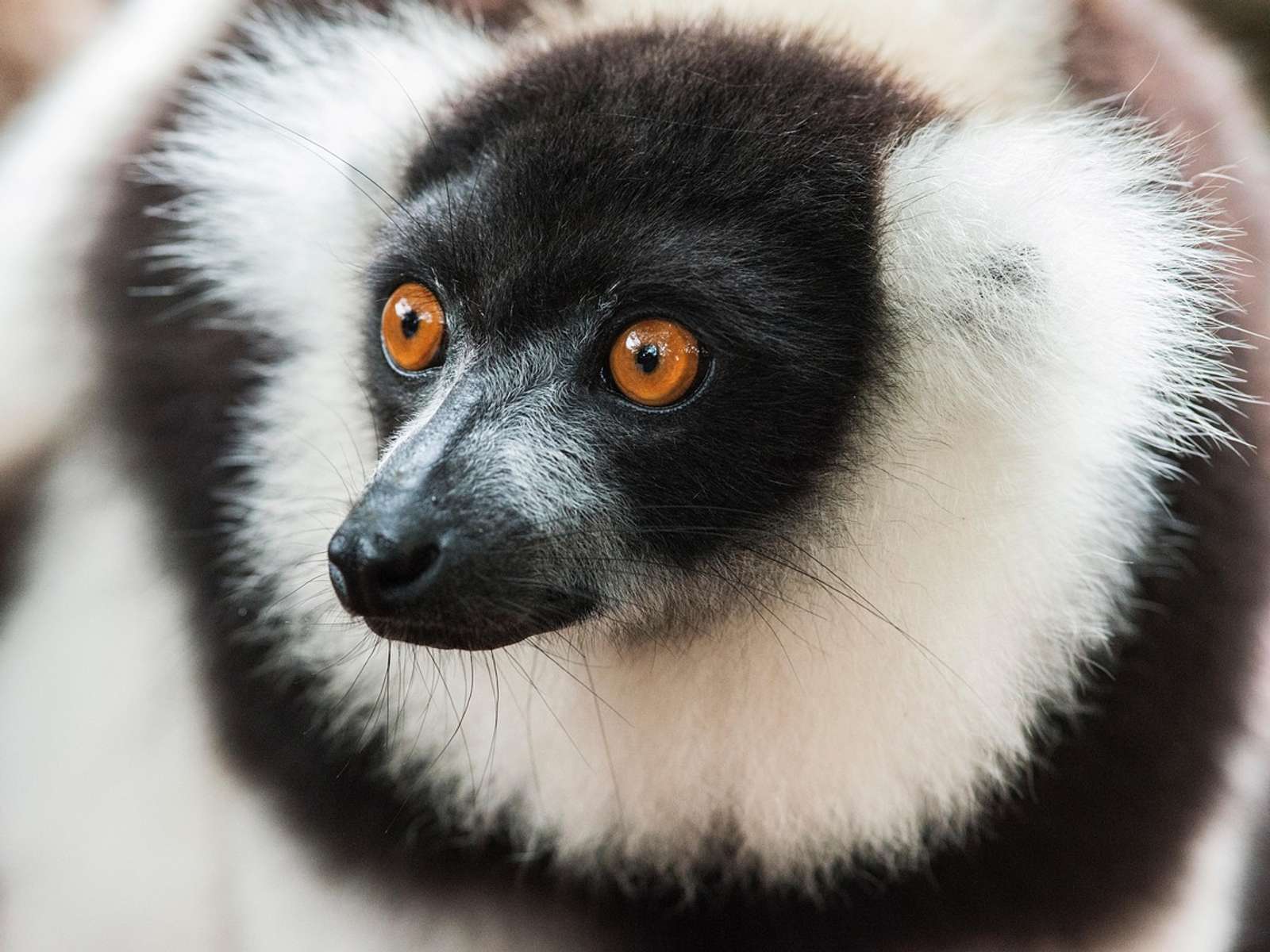
Nine private funders, including the Bezos Earth Fund, Rainforest Trust and Re:wild, launched the Species Recovery Alliance at the UN biodiversity summit with more than $500 million over five years for species listed as endangered or worse.
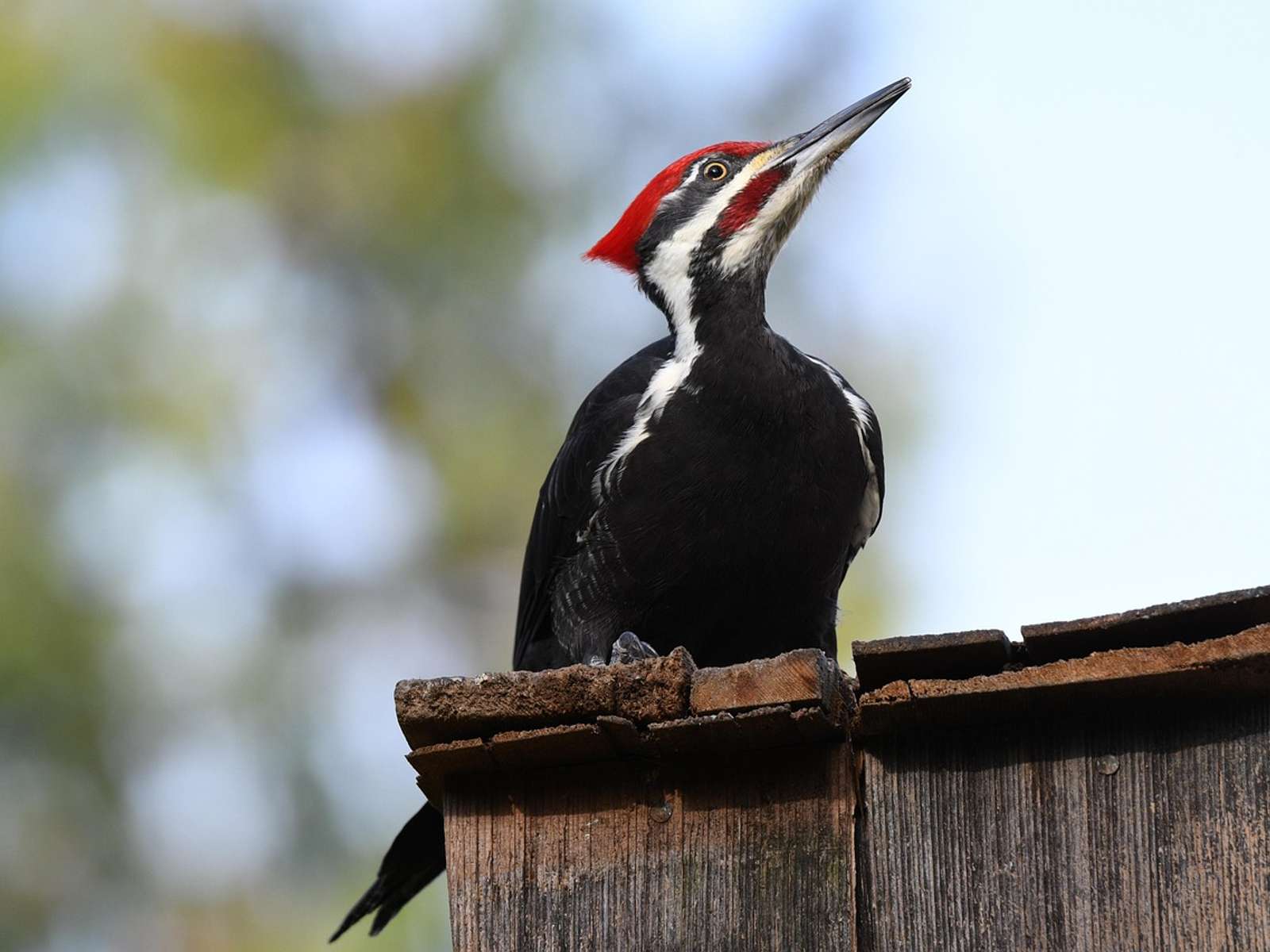
Researchers built an open 3D model of the imperial woodpecker, the largest woodpecker on record, unseen in the wild since 1956. It is based on a museum specimen photographed 288 times and the only film of the living bird, and anyone can download it.
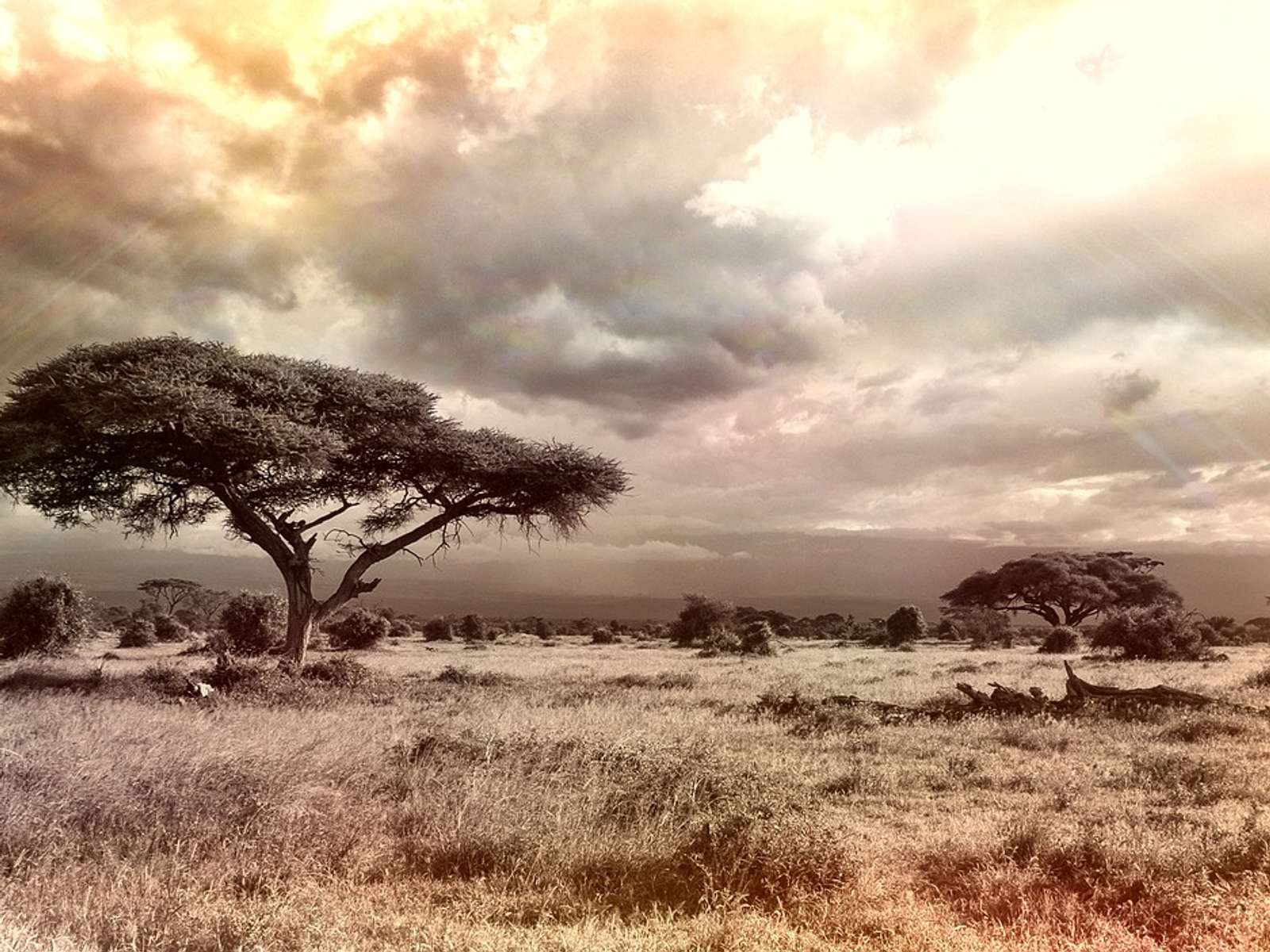
Official data put conservation areas at 18.5% of the world's land. A Nature study led from the University of Kent estimates the real figure at 26.81%, close to the 30% goal for 2030, but warns that the extra land fills few gaps in nature protection.
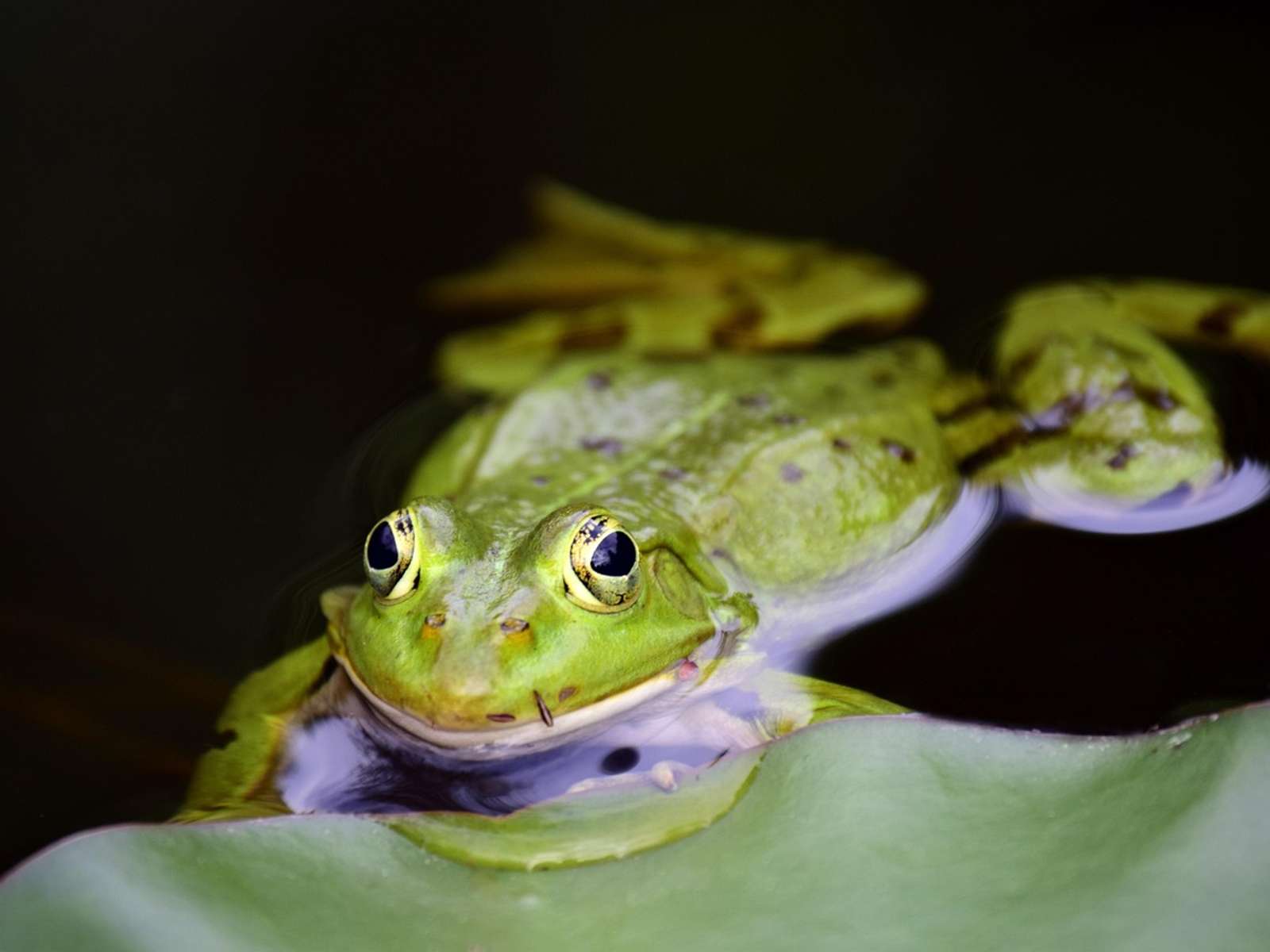
Museum specimens show the chytrid fungus arrived at Brazil's Boracéia station just as frogs vanished in 1979-1982. Today most species there appear to have recovered, Smithsonian and Penn State researchers report, though five have not been found.