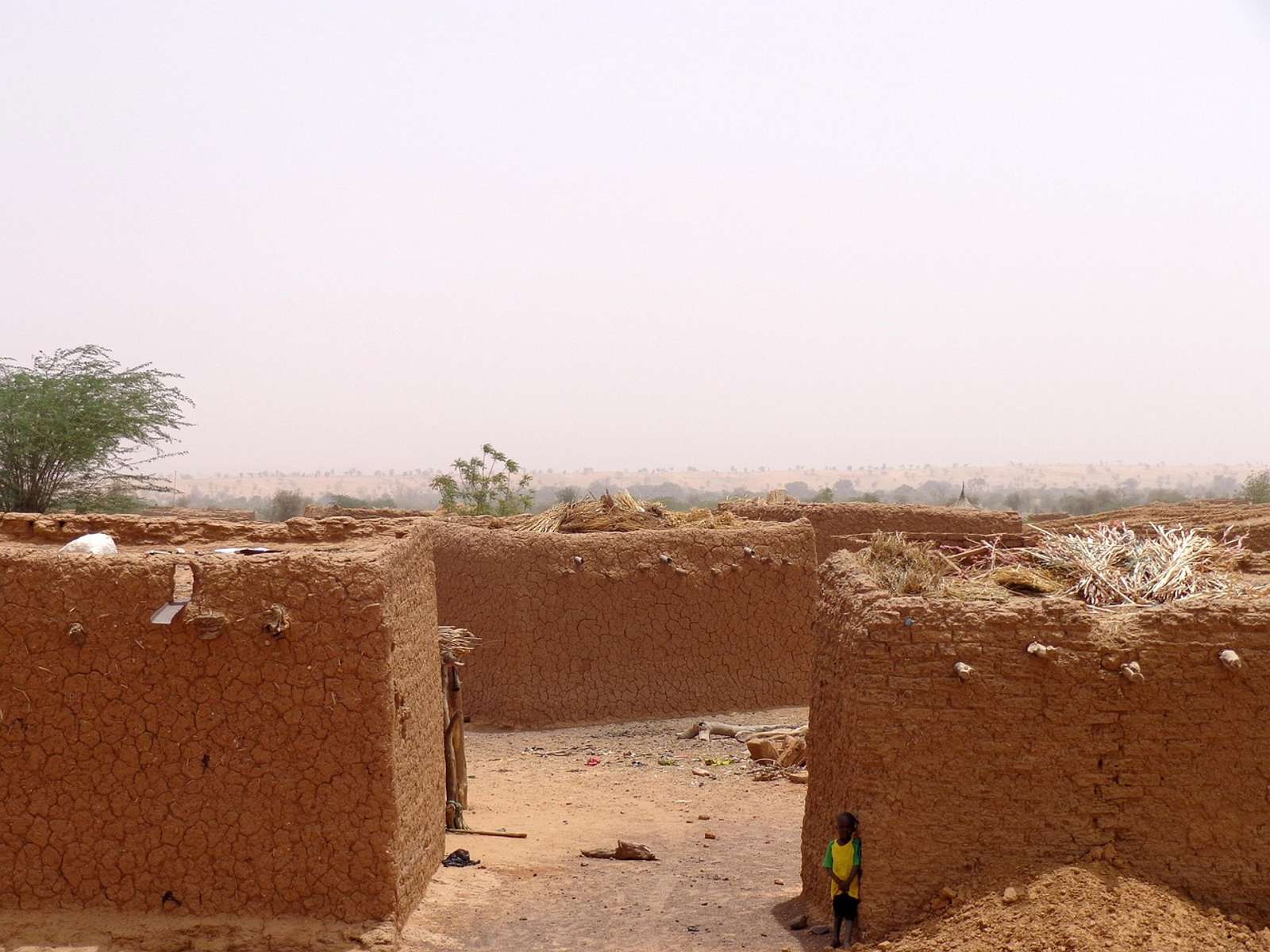
A new US$78 million GEF programme, run with UNEP, aims to restore 270,000 hectares of degraded land and improve the livelihoods of 5 million people across nine Great Green Wall countries.
Australia's High Court dismissed MACH Energy's appeal, confirming that the approval of the Mount Pleasant coal mine expansion was flawed because planners had not properly dealt with emissions from burning the exported coal.
Rescue teams in Indonesia have saved dozens of orangutans from wildfires in Borneo and Sumatra in recent months, including a burned young female named Novita now in intensive care.
Cerevance's experimental drug solengepras reduced the daily time people with Parkinson's spend with poorly controlled symptoms in a 341-person phase 3 trial, without adding troublesome involuntary movements.
A catalyst made of five rare-earth elements starts converting methane into ethane and ethylene at 525°C and held its output for 240 hours in lab tests, Institute of Science Tokyo said. Conventional catalysts need about 800°C.
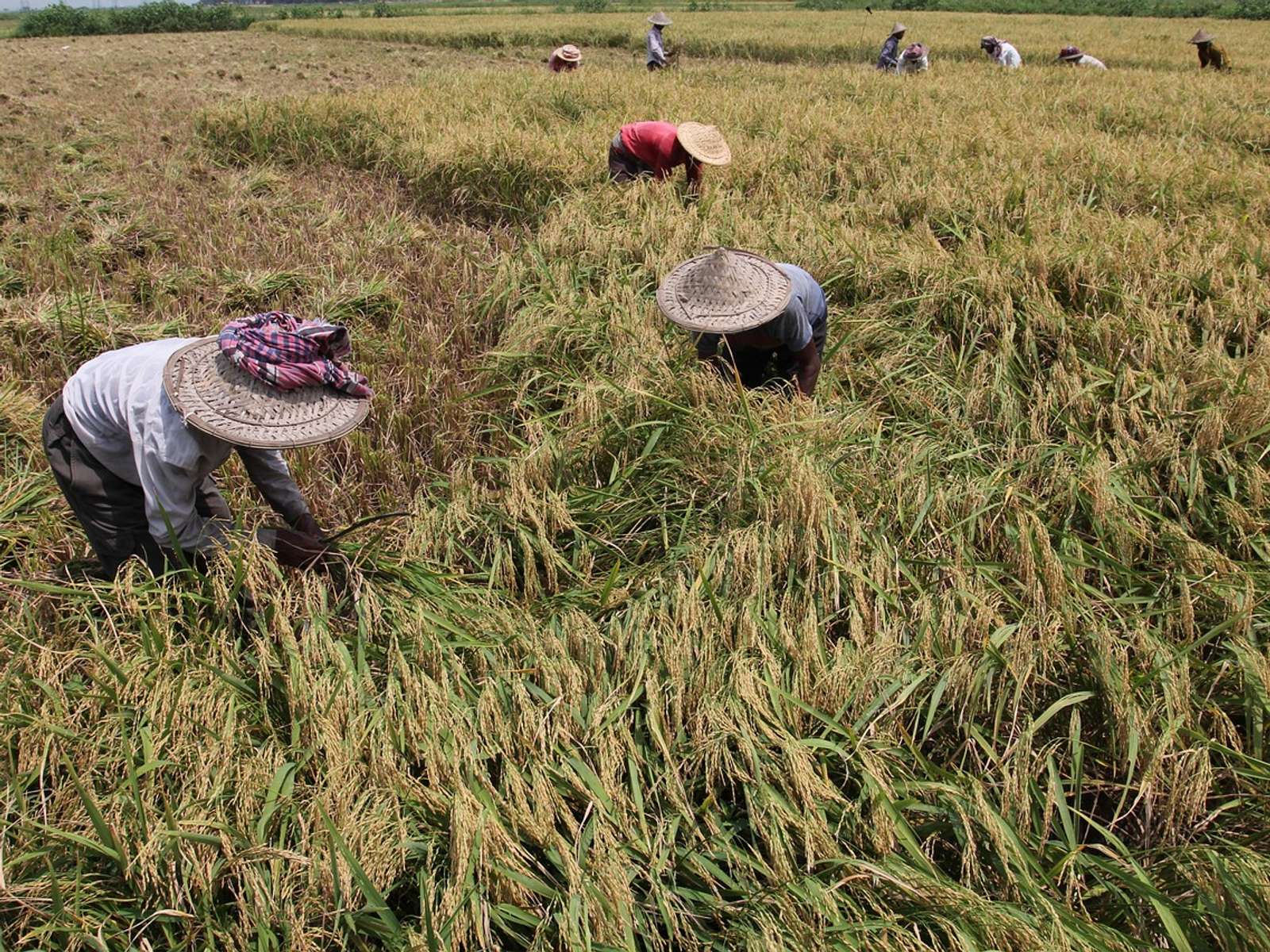
Two six-year projects backed by IFAD, Bangladesh and Denmark aim to reach 2.5 million rural people in flood- and drought-prone regions with raised shelters, flash-flood warnings, better roads, loans and training.
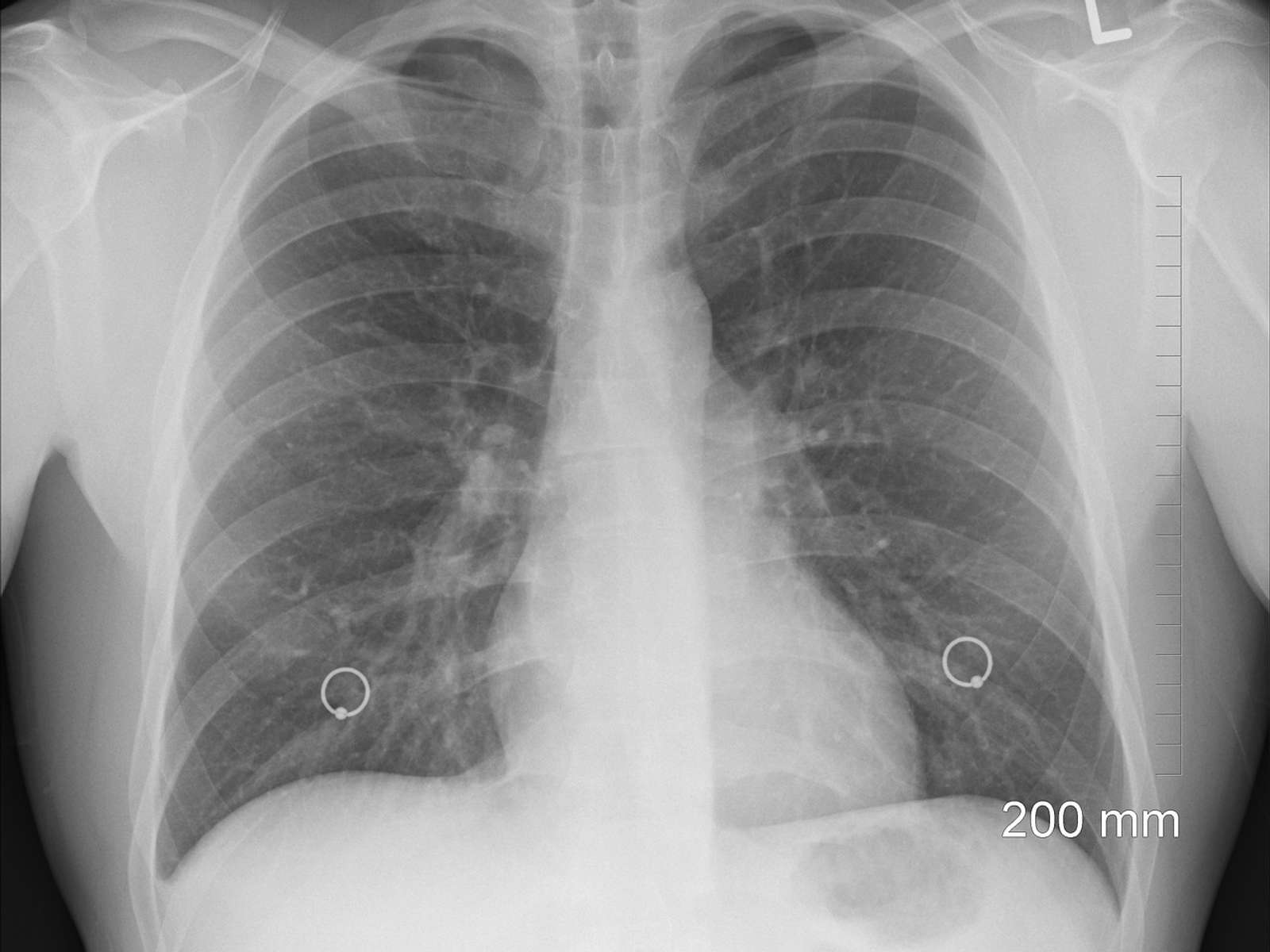
UCL researchers found that suppressive immune cells build up months or years before lung cancer forms, tracked them with prototype blood tests and halved tumour formation in mice with a drug.
Doctors in Edinburgh have transplanted testicular tissue frozen before a 19-year-old's chemotherapy back into his body, the UK's first such procedure and only the second reported worldwide.
Young people from 18 of Papua New Guinea's 22 provinces drew up the country's first Youth Climate Manifesto and presented it to government officials in Port Moresby.
Fiji has launched a National Action Plan for Coral Reef Conservation, drawing on University of Queensland research that identified reefs less exposed to climate stress.
The share of young women in Nepal who married before 18 fell from 37% in 2014 to 28% in 2024-25, and marriage before 15 halved, but girls from the poorest homes are being left behind.
WHO and partners have launched a roadmap to 2035 to cut deaths from pre-eclampsia and other high blood pressure disorders in pregnancy, which kill an estimated 42,000 women a year.
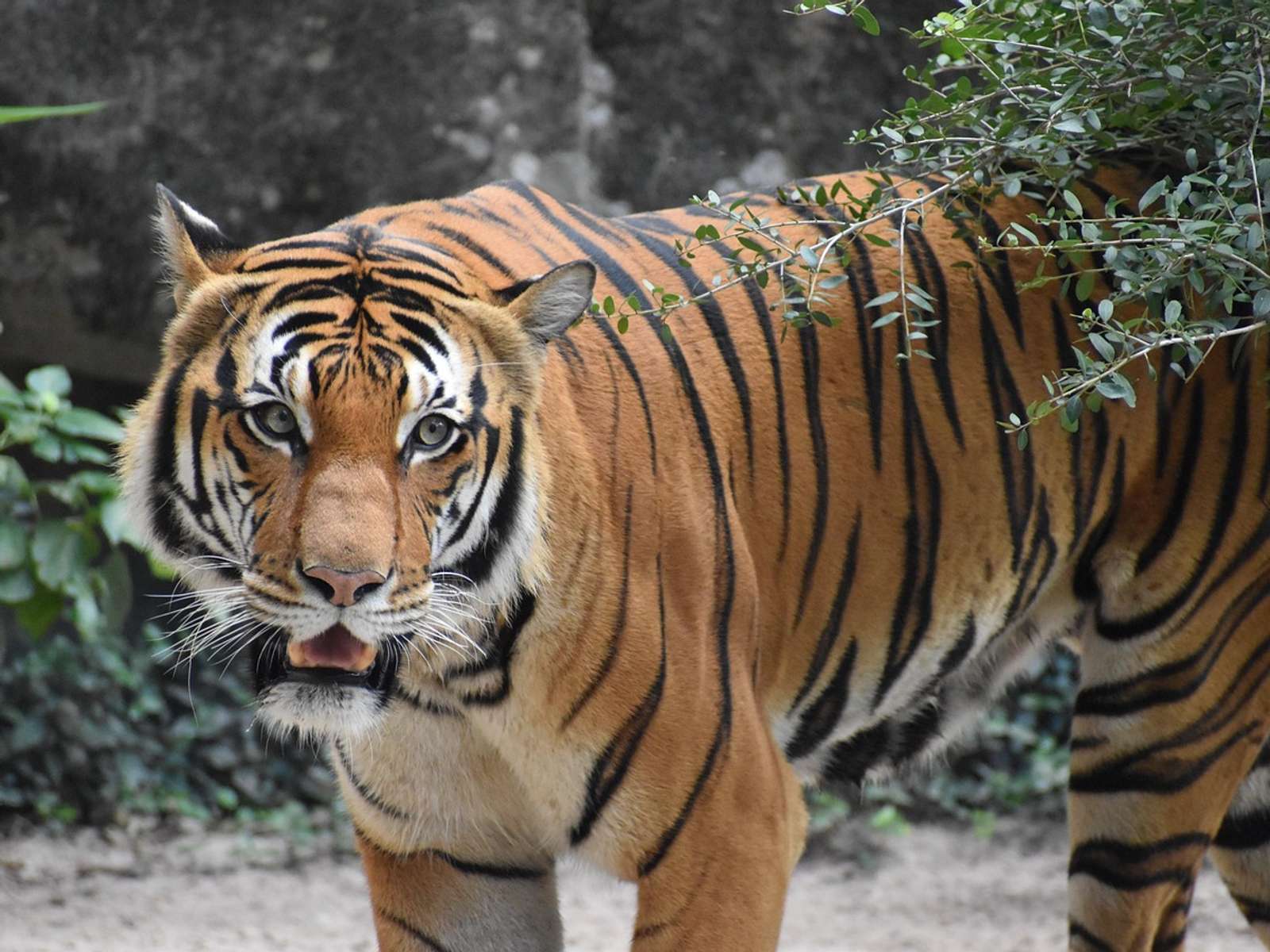
Camera traps in Thailand's Western Forest Complex show a wild tigress named Mae Kaew has raised three litters, nine cubs in all, and one of her daughters has now had two cubs of her own.
A new UNDP and Generali Central challenge will give up to three insurance solutions grants of up to $40,000 each to help protect India's more than 73 million small businesses from climate, health and financial shocks.
A University of Auckland engineer is trialling a smartphone tool that reads tiny pulse movements in the skin of the neck, one of eight heart projects sharing NZ$2.32 million from New Zealand's Heart Foundation.
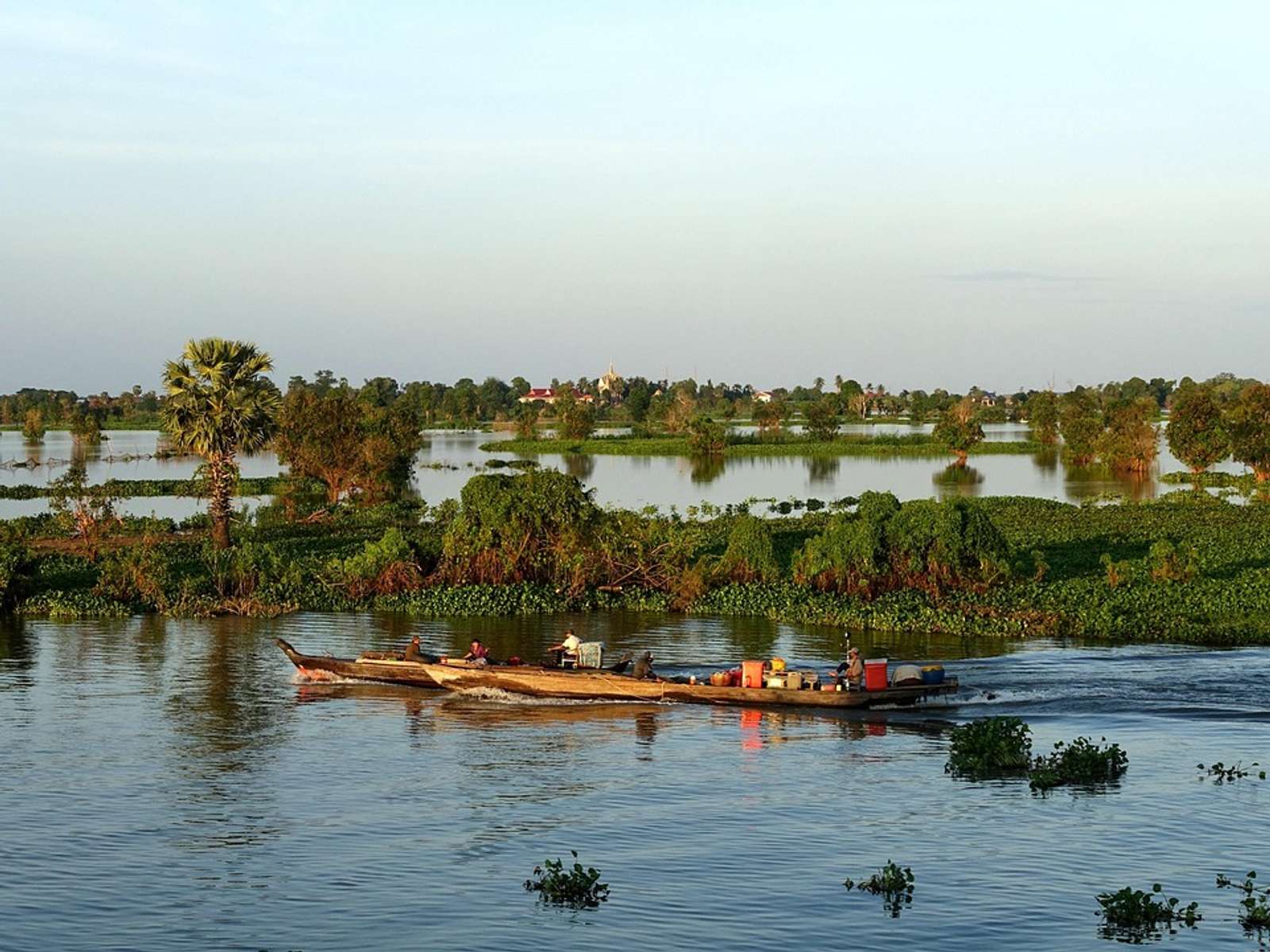
An ADB-backed project built landfills, wastewater plants, drains and latrines in two Cambodian towns on the Tonle Sap, improving services for more than 114,000 residents of Southeast Asia's largest lake basin.
President Cyril Ramaphosa opened the CSIR's FuturePharma facility in Pretoria on 7 October. The open-access site helps researchers and young companies scale up medicine ingredients, part of a push to cut South Africa's reliance on imported drugs.
Moldova's new EduResurse platform gathers textbooks, lesson plans, videos, exercises and exam materials for every school level in one free website, built by UNICEF and the education ministry with EU support.
Using an AI method called equation discovery, Oxford physicists derived three readable equations that capture how North Atlantic ocean temperatures, air pressure and rainfall interact over decades.
A white-crowned mangabey, a West African monkey that signals with its white eyelids, has been born at BIOPARC Valencia, the 10th birth there for the European breeding program.
Scientists sequenced mitochondrial DNA in individual brainstem neurons from people with Parkinson's for the first time, finding heavy damage but also a protective response that was stronger in people who lived longer.
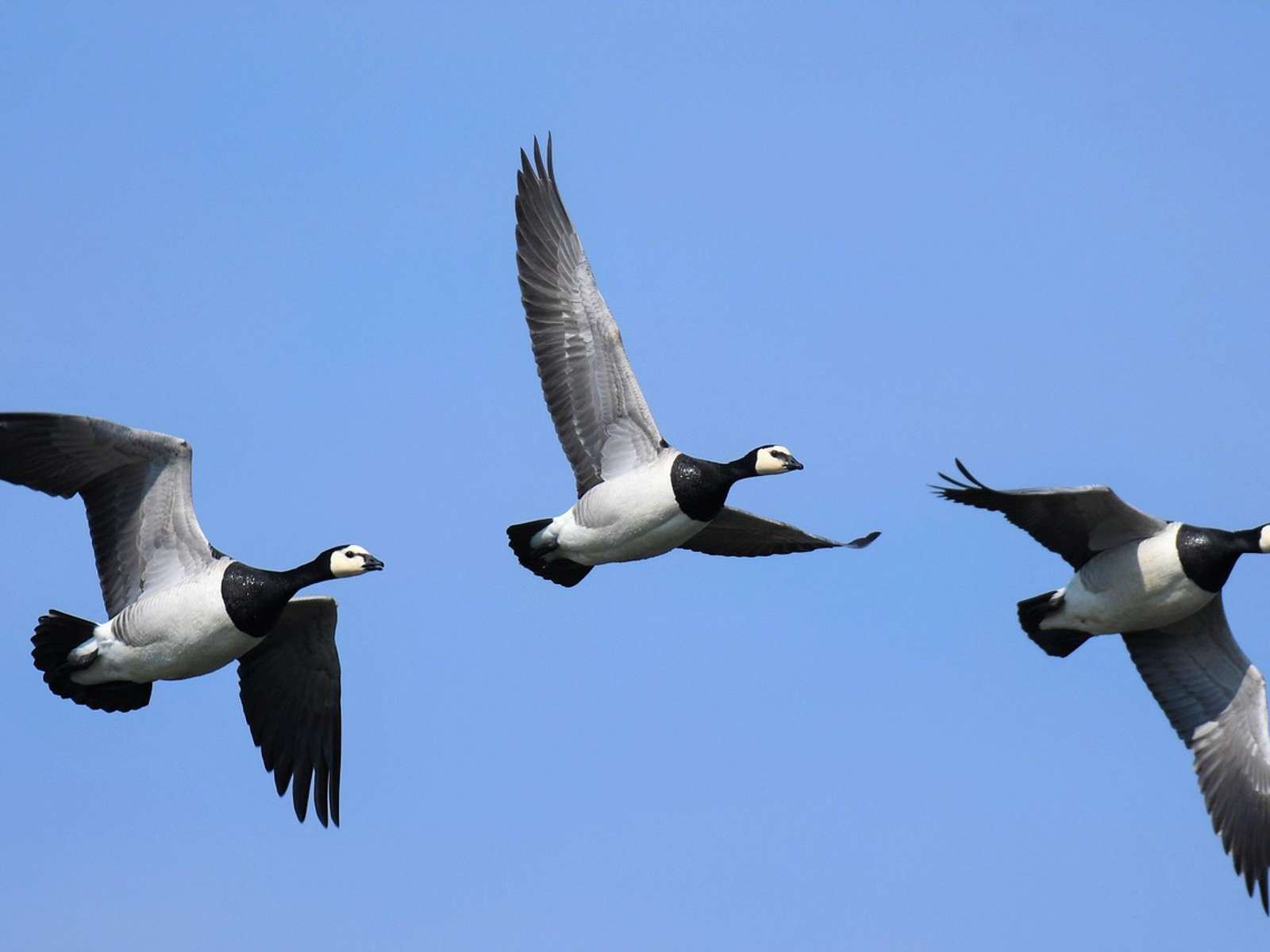
Over one October weekend, more than 23,000 people at 927 events across Europe and Central Asia counted 4.8 million birds on autumn migration, with barnacle geese the most counted species.
Researchers in New Zealand and the US have shown a chip-based optical frequency comb, built from two lasers, that performs the key jobs needed for portable atomic clocks and GPS-free navigation.
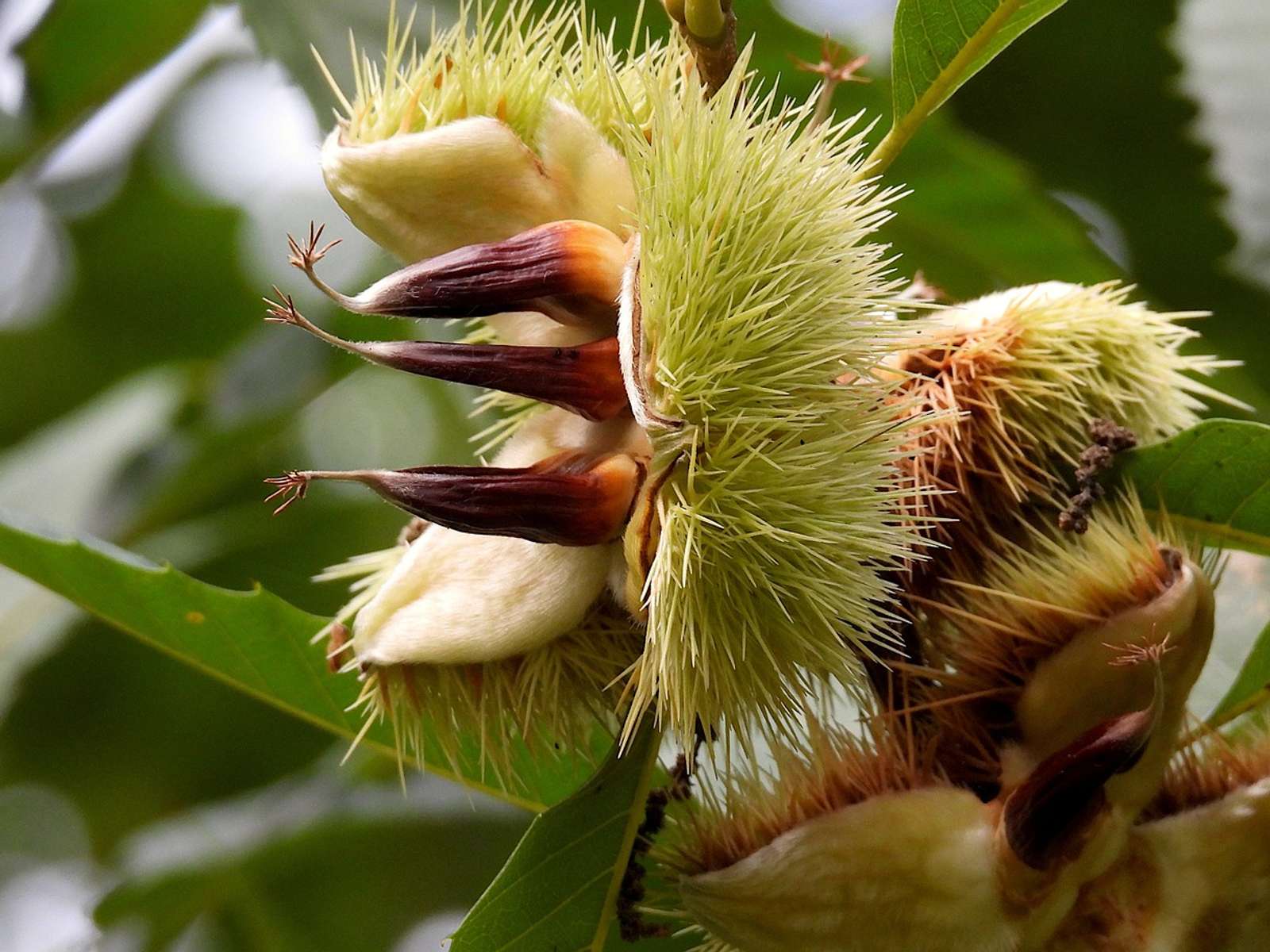
Twenty blight-resistant hybrid American chestnut trees were planted at the Bronx Zoo, where the zoo's chief forester first documented the disease that killed nearly 4 billion of the trees.