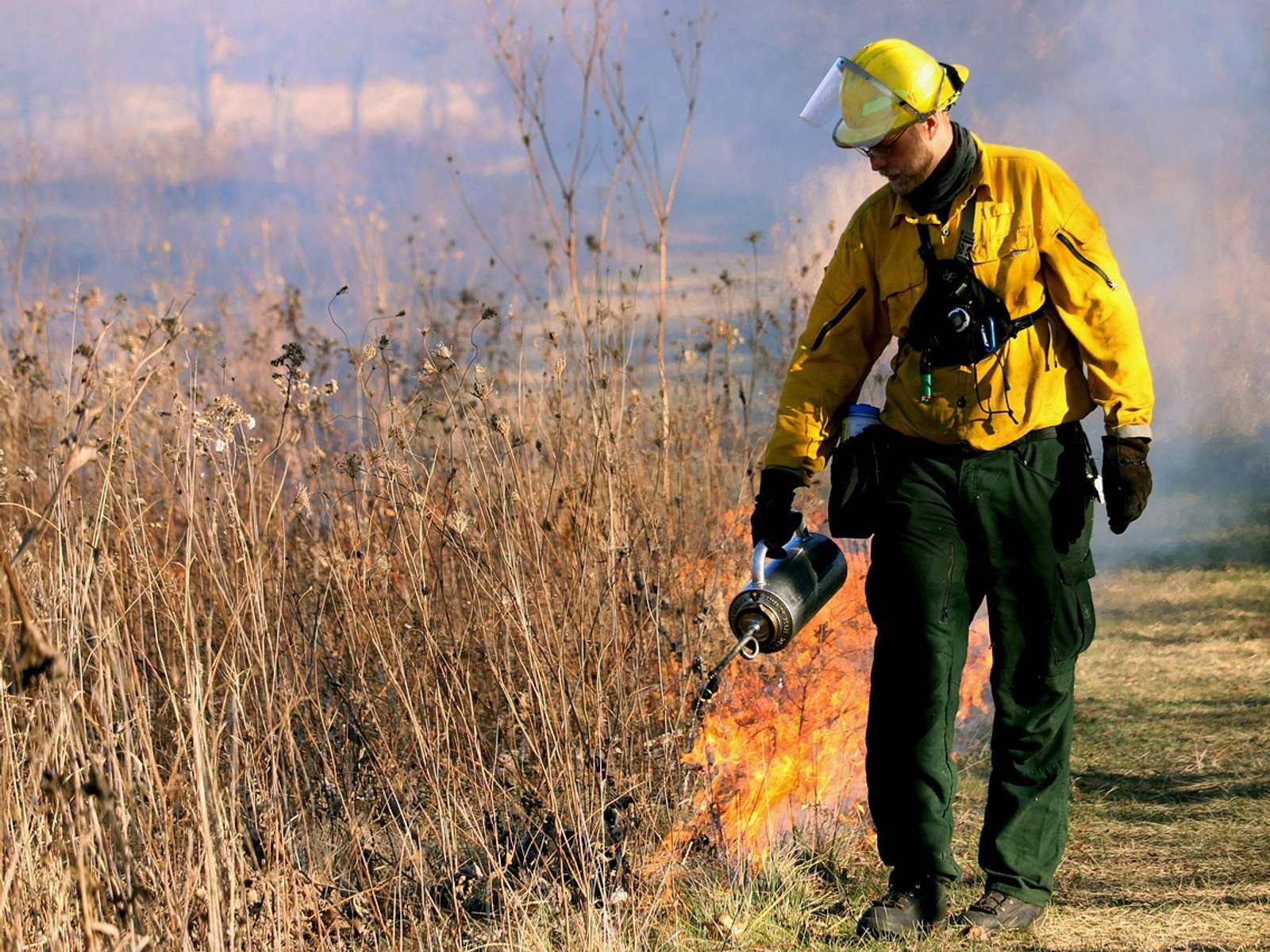
Governor Gavin Newsom signed AB 2483 on 28 September. It standardizes the credentials earned in California's prison fire camps and gives formerly incarcerated firefighters hiring priority for some entry-level Cal Fire jobs, without guaranteeing a job.
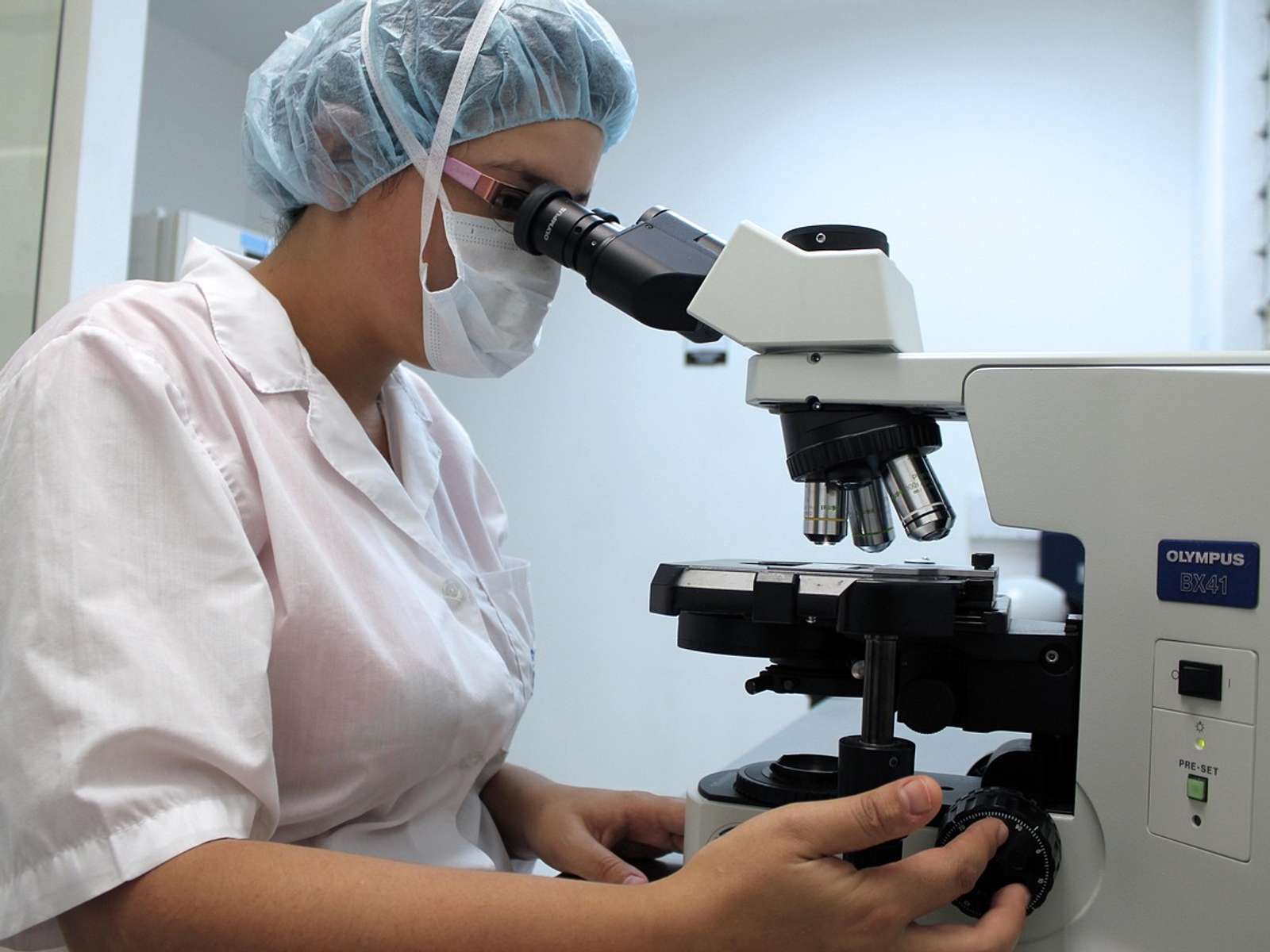
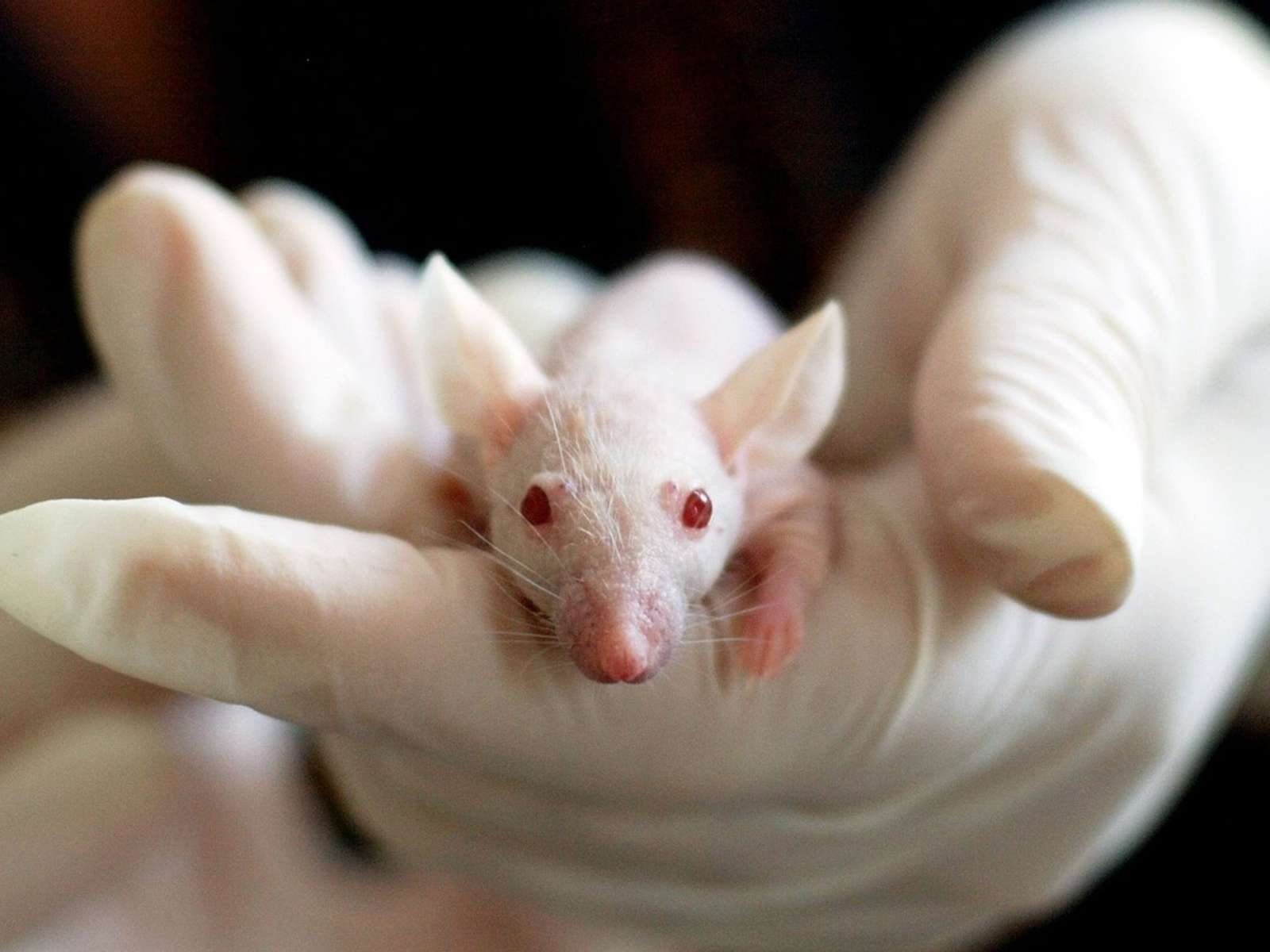
Memorial Sloan Kettering researchers found that the signaling molecule MEK drives T cells into exhaustion by making them overspend energy. Blocking it helped the cells persist in lab and animal models. MEK inhibitors are already approved drugs, but no patient has been tested yet.
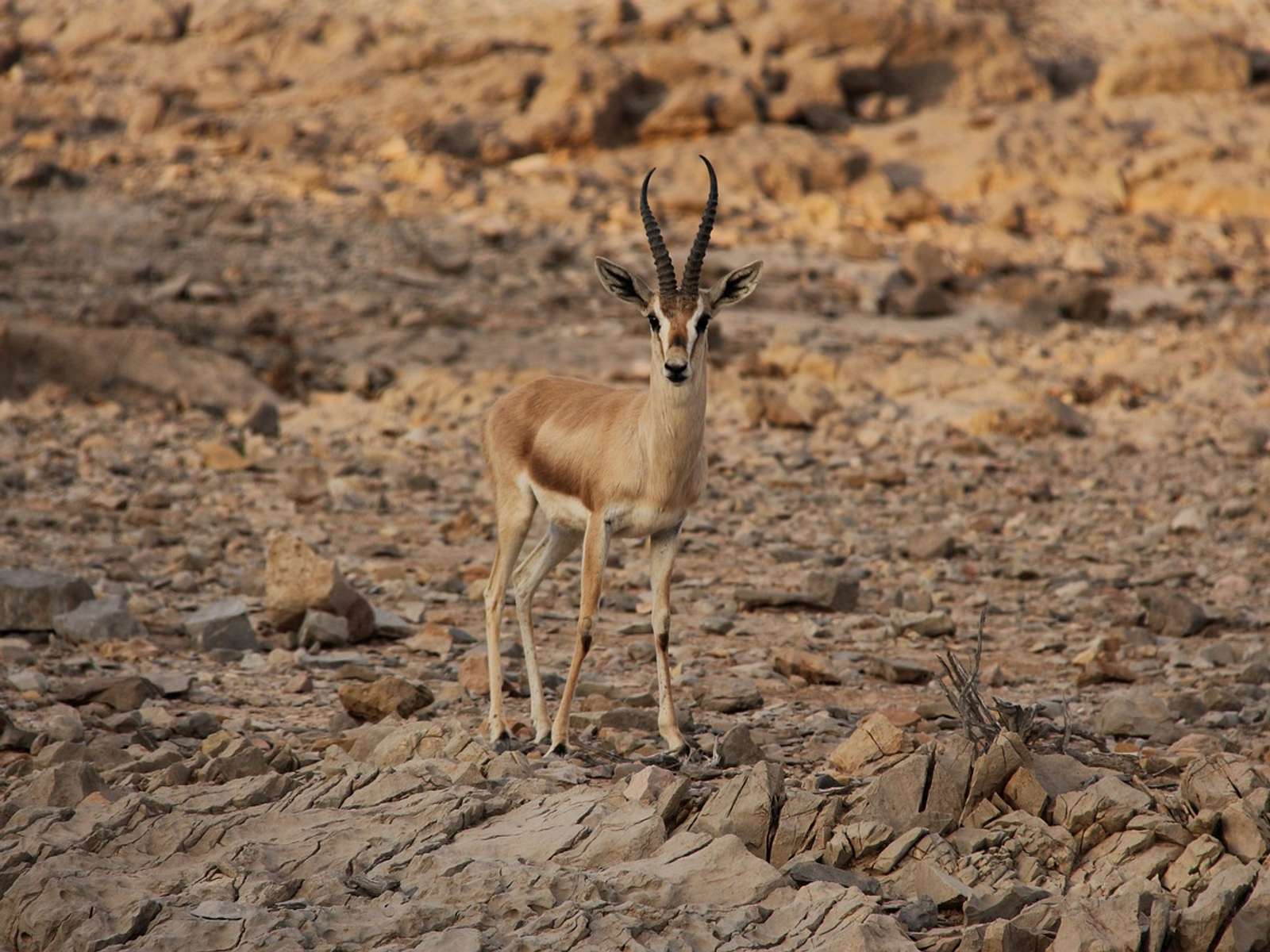
Thirty-eight vulnerable sand gazelles now live among the panels of a working 250-megawatt solar park in northwest Saudi Arabia, where a royal reserve hopes to breed a herd of about 600 by 2031 for release into the wild.
Dusty Langby, 12, walked 540 km in 16 days from Warren, NSW, to Parliament House to raise money for Little Wings, which flies sick children to specialist care. The government matched his total and added A$1 million.
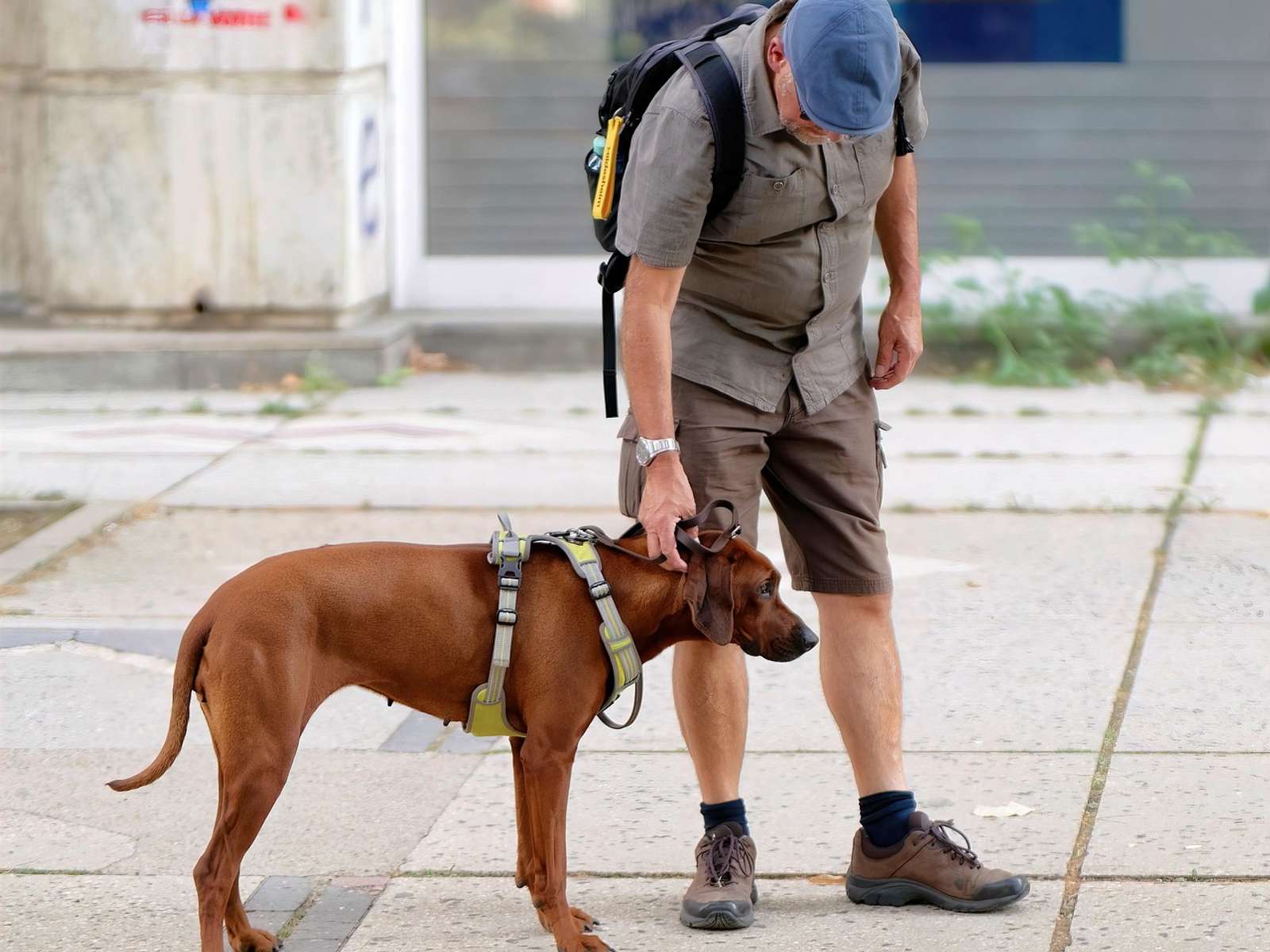
Since 1 October, landlords in Washington DC may not refuse a tenant's dog, or charge more for it, because of its breed, size or weight. It is the last part of "Roscoe's Law," which already caps pet deposits and pet rent.
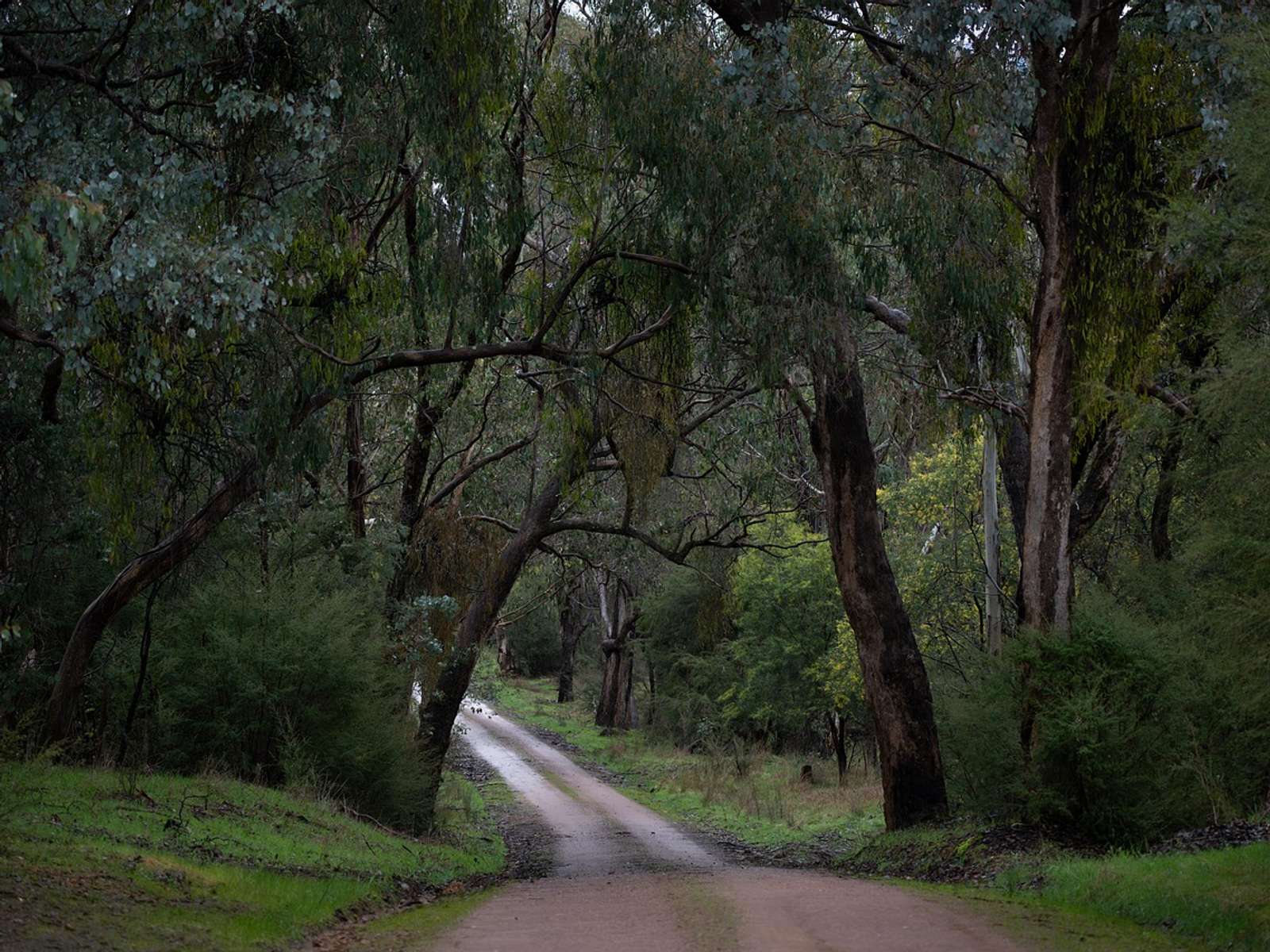
Thirty years after a Victorian logging trial was abandoned, University of Melbourne researchers found heavily thinned mountain ash stands had grown trees 20% wider than untouched forest and had recovered all the carbon removed.
In 2018, Payton Obert raised $768 at a lemonade stand to buy toys for hospital patients. Eight years later, Payton’s Lemonade Stand has raised more than $5 million in cash and donated goods for children in Greater Cincinnati.
A Cedars-Sinai-led team found that the enzyme UBE2N drops in liver cells as fatty liver disease turns into MASH, and that bringing it back to normal levels in mice reduced fat buildup, inflammation and scarring. The work is preclinical.
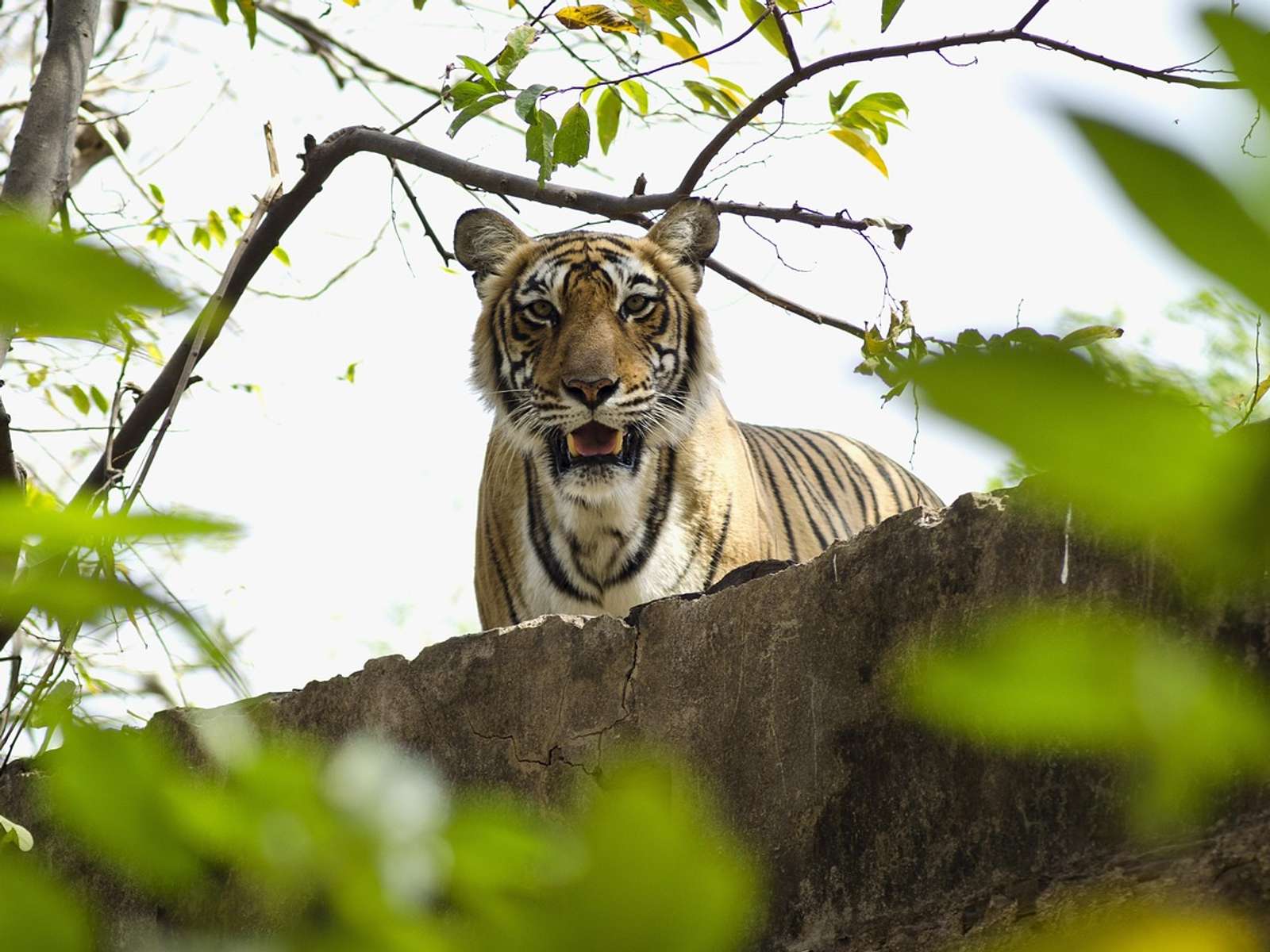
Tigress T138, about three years old, was flown from Bihar's Valmiki reserve and released into West Bengal's Buxa Tiger Reserve on 2 October, the first step in a phased plan to bring back a breeding tiger population.
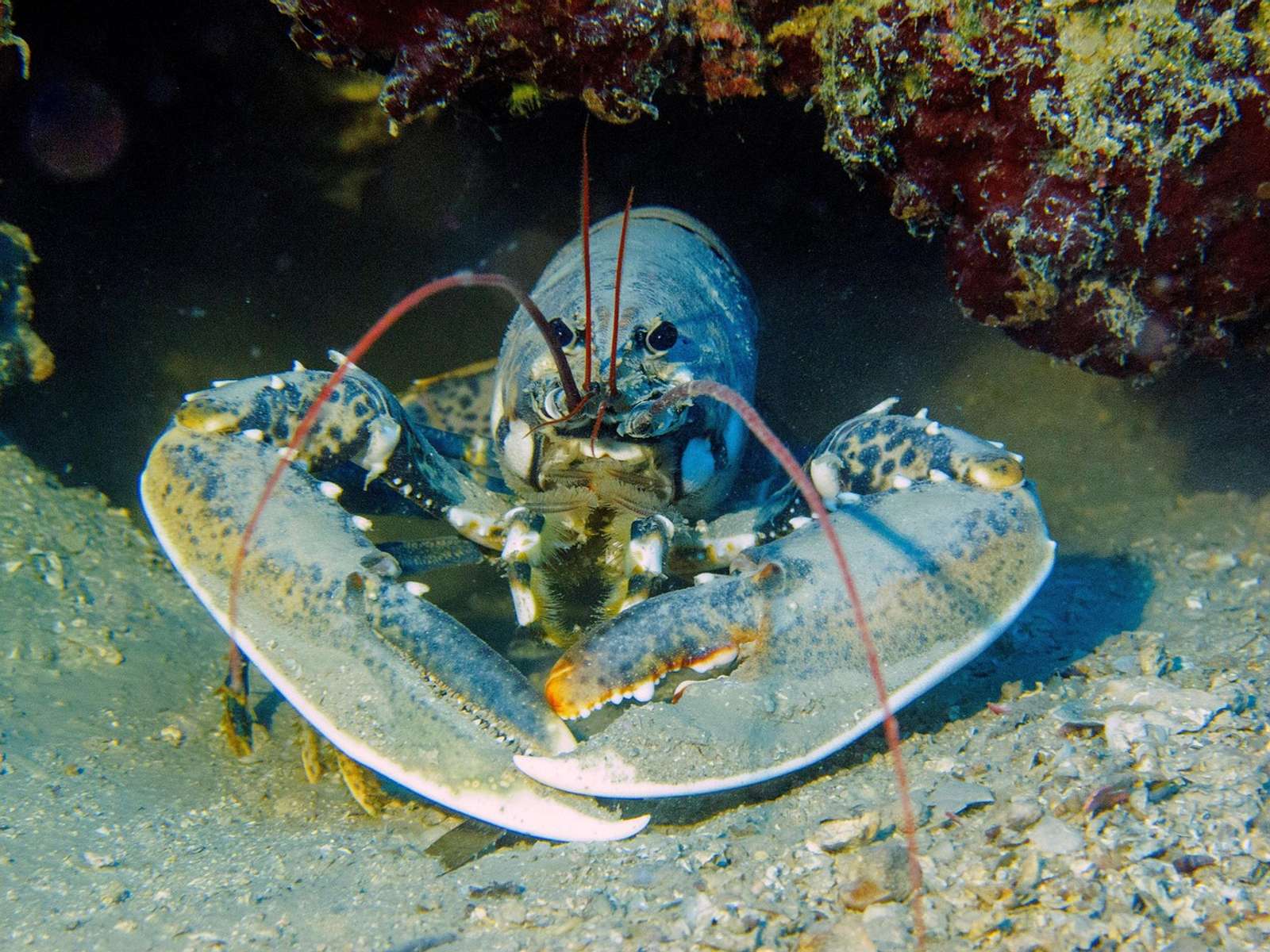
A rare white “ghost” lobster named Casper has moved from the Maine State Aquarium to the University of New England, where scientists are working out which genes give some lobsters unusual shell colors.
In a University of Calgary trial, 82% of 24 glioblastoma patients given high-dose niacin with standard treatment had no cancer progression after six months, against about 54% in earlier studies. The trial is small and has no control group.
Days after the Nashville Symphony suspended its season over a $10 million budget gap, Oracle pledged $10 million so the orchestra can reinstate its 2026-27 season and recall the musicians and staff who faced furlough.
Oregon State University chemists report a light-driven material that produces hydrogen from water using sulfur-containing organic parts instead of an added expensive metal catalyst, a design they say could help lower the cost of green hydrogen.
A five-year-old Philippine eagle rescued in Magpet, Cotabato, was carrying three airgun pellets. Vets removed two, and the critically endangered bird is under close care. The rescue also shows eagles still use a nesting territory last confirmed active in 1990.
A $1.4 million Japanese grant, run by the FAO with Laos's agriculture ministry, has finished 31 small irrigation schemes and 17 road improvements in Luang Prabang and Oudomxay, and 1,150 households earned wages building them.
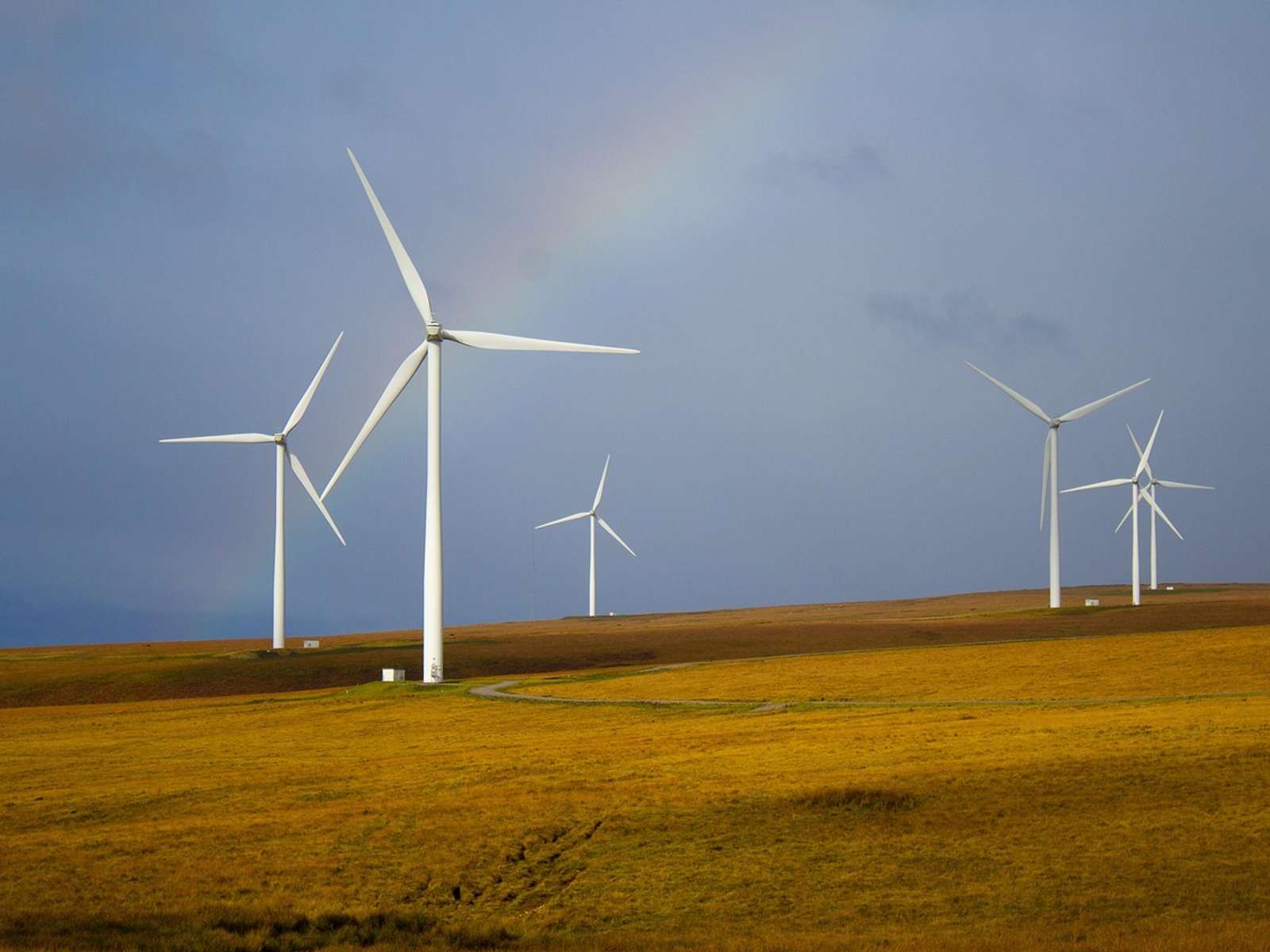
Rezolv Energy has energised the first phase of its VIFOR wind farm in Buzău County, 30 Vestas turbines producing 192 MW, the largest wind project switched on in Romania in more than a decade.
In a randomized trial of adults under 45, 54% of those on a low-calorie diet with supervised exercise reached type 2 diabetes remission at 24 weeks, versus 4% receiving usual care, researchers at McGill and Leicester report.
Stanford researchers' urine test, uRARE-seq, detected localized bladder cancer with 95% sensitivity at 90% specificity in 683 samples and flagged which patients were more likely to respond to BCG immunotherapy.
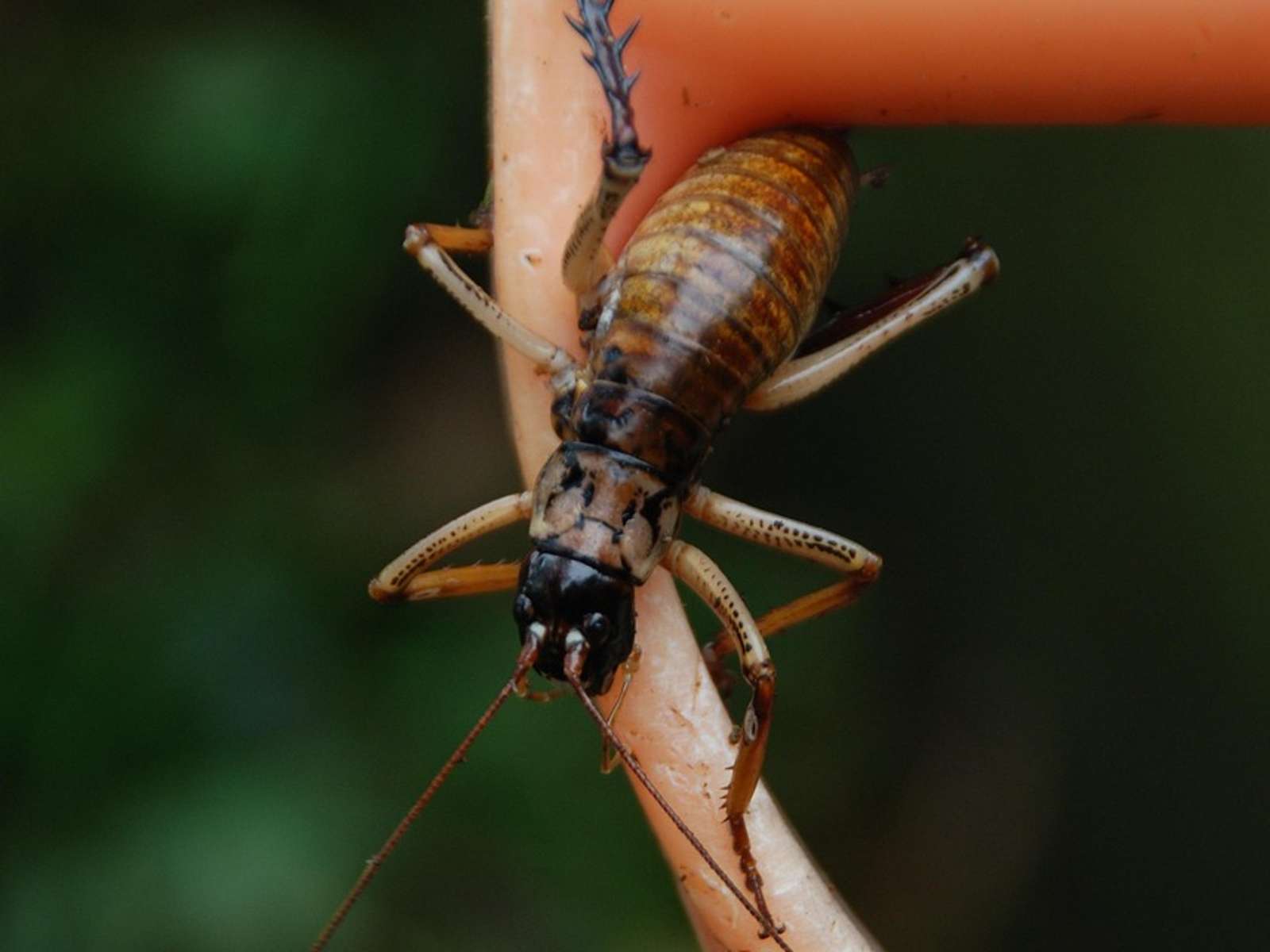
A 15-year breeding program at Butterfly Creek and Auckland Zoo has put 11,000 wētāpunga into 10 new wild sites. The giant insect's status improved from Nationally Endangered in 2004 to Nationally Increasing in 2022.
A team at the University of Science and Technology of China placed a thin superconductor inside a terahertz cavity and saw its critical temperature rise by up to 5.4%, the first experimental evidence that vacuum fluctuations can strengthen superconductivity.
Kentucky's $2.5 million investment in Undue Medical Debt has already wiped out $103 million owed by 46,000 residents, and the program aims to reach more than 130,000 people and $250 million. No application is needed.
Kevin Sinfield ran seven ultramarathons in seven days, visiting all 12 Super League clubs before finishing at Old Trafford on October 3, in the last of his annual challenges for motor neurone disease charities.
The Byzantine pilgrimage complex of Saint Simeon the Stylite near Aleppo reopened to visitors on 28 September after restoration and safety work, Syria's state news agency reported. Its column has been put back in place.
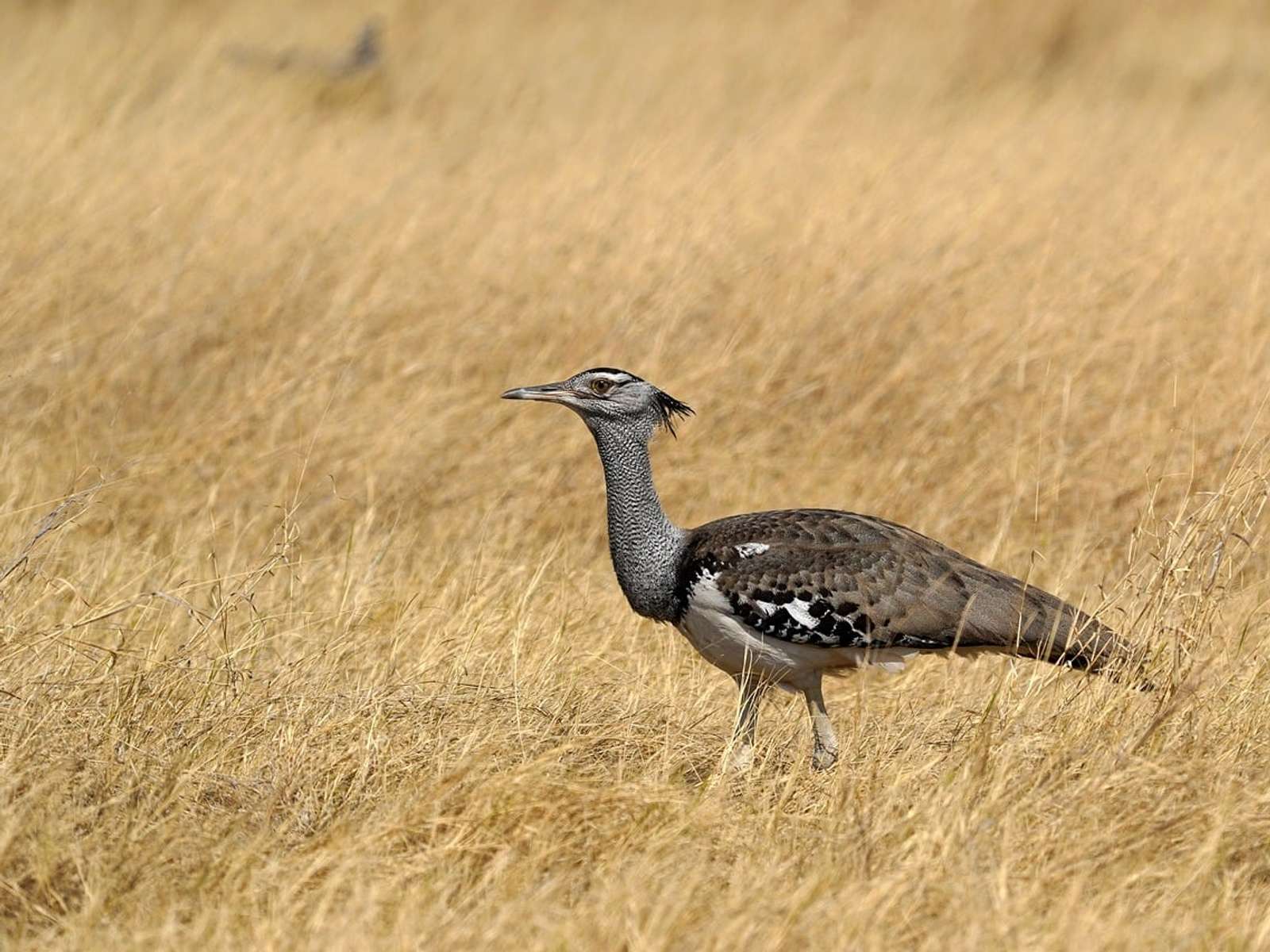
Two male Great Indian Bustards bred in captivity were released at Desert National Park in Rajasthan on 4 October, the first step from breeding the critically endangered bird to returning it to the wild.