Enzyme Shields Mouse Livers From Fat, Inflammation and Scarring, Study Finds
Researchers co-led by Cedars-Sinai found that the enzyme UBE2N declines as fatty liver disease worsens, and that restoring it in mice reduced fat buildup, inflammation and scarring. The work is preclinical.
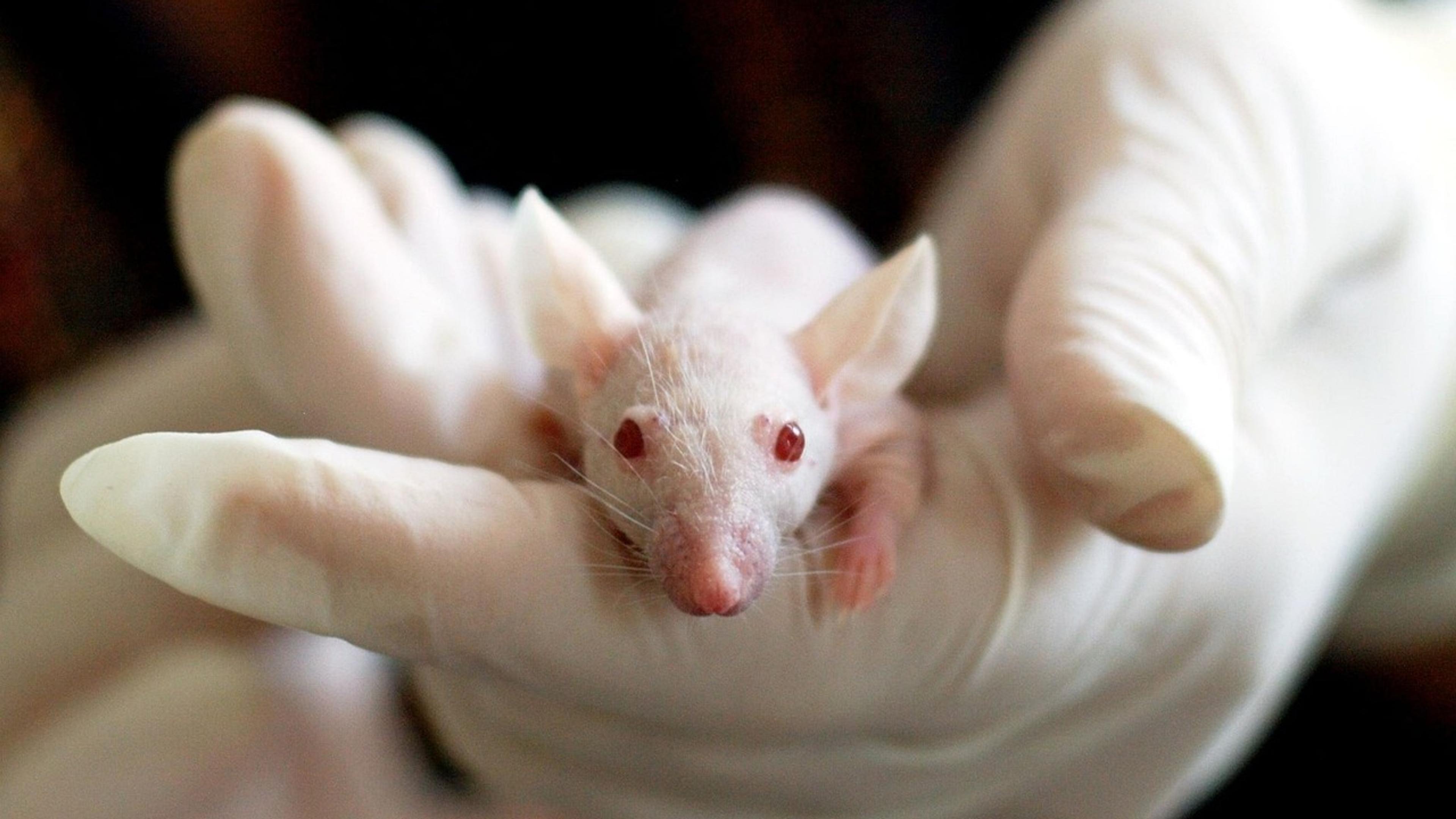
An enzyme called UBE2N may help protect the liver as fatty liver disease becomes more severe, according to a preclinical study co-led by Cedars-Sinai and published in Nature Metabolism. When researchers restored the enzyme to normal levels in mice, fat buildup, inflammation and scarring in the liver all fell.
About 100 million Americans have fatty liver disease
Metabolic dysfunction-associated steatotic liver disease, or MASLD, was formerly called nonalcoholic fatty liver disease. About 100 million people in the United States have it, according to the American Liver Foundation, and roughly 20% to 25% go on to develop MASH, a more serious form in which excess fat comes with inflammation, cell injury and scarring.
There is no cure for MASH, and care centers mainly on lifestyle changes. The U.S. Food and Drug Administration approved the first drug for liver scarring caused by the disease in 2024, but treatment options remain limited.
Levels of the enzyme drop as the disease advances
Earlier research has linked damaged mitochondria, the structures that make energy for cells, to MASH. In the new multicenter study, the team found that UBE2N levels fall in liver cells as the disease progresses. The enzyme appears to help cells clear out damaged mitochondria and break down fat.
“The UBE2N enzyme appears to protect the liver from the inflammation and damage associated with MASH by helping remove damaged mitochondria and supporting the breakdown of fat. When levels of the enzyme fell, we saw more damaged cells and injury to the liver.” — Ekihiro Seki, MD, PhD, Professor of Medicine and Biomedical Sciences, Cedars-Sinai
The researchers then raised UBE2N back to normal levels in the livers of laboratory mice and saw less fat accumulation, inflammation and scarring.
The findings point to a drug target, not a treatment
The results suggest UBE2N could become a target for therapies meant to stop MASLD from progressing to MASH, but they come from mice and have not been tested in people. Shelly Lu, director of the Karsh Division of Gastroenterology and Hepatology at Cedars-Sinai, said future studies can test whether boosting this pathway “can complement existing treatments, identify patients most likely to benefit and lead to new therapeutic approaches for preventing advanced disease.”
The study was funded by the U.S. National Institutes of Health and by research agencies in South Korea and China, among others.
Like what you're reading?
Related stories

Years of Free Weekly Groceries Were Linked to Lower Blood Pressure and Weight in a Massachusetts Study
In a before-and-after study of 68 adults, patients who received free weekly plant-based grocery packages for an average of 2.7 years saw their diastolic blood pressure, weight and BMI fall in step with how many packages they received.
Scientists Built Molecular Threads That Quadrupled Neuron Activity in Lab Tests
Northwestern University researchers built self-assembling molecular threads that boosted neuron growth and synapse formation in lab tests, pointing toward future materials for brain and nerve repair.
Scientists Grow Working Salivary Gland Tissue From Stem Cells, Offering Hope for Severe Dry Mouth
University at Buffalo researchers grew miniature salivary glands from human stem cells that functioned after transplant into mice, a step toward treating severe dry mouth from cancer therapy and autoimmune disease.