Simple Urine Test Could Help Save Hundreds More Donor Kidneys Each Year
A quick urine test could help doctors identify healthy donor kidneys that might otherwise go unused, potentially making hundreds more organs available for transplantation each year.
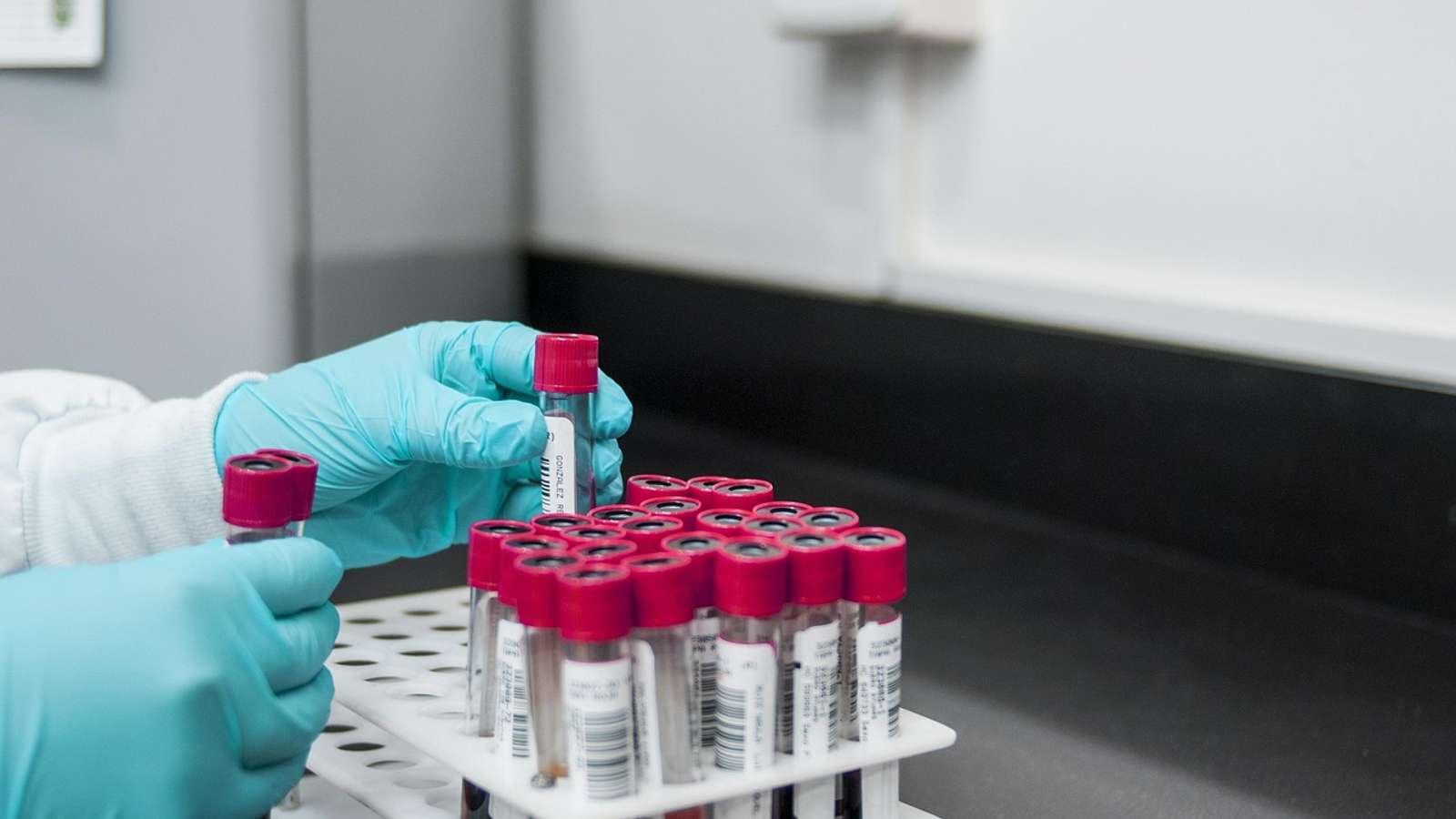
A simple urine test could give transplant doctors a much clearer picture of whether a donated kidney is likely to work well, potentially allowing hundreds more organs to be used instead of discarded each year.
Researchers led by Johns Hopkins Medicine have found that measuring three biological markers in the urine of deceased kidney donors can improve predictions about how well their kidneys will function after transplantation.
The approach could be especially valuable because doctors currently have only a limited amount of time and information when deciding whether a donated kidney is suitable for a patient.
In the United States, more than 92,000 people are waiting for a kidney transplant. At the same time, nearly one in four recovered donor kidneys goes unused each year, in part because transplant teams cannot always be confident about the quality of an available organ.
Looking beyond a donor's medical history
One of the main tools currently used to evaluate deceased-donor kidneys is the Kidney Donor Profile Index, or KDPI.
The score estimates the relative risk associated with a donor kidney using factors such as the donor's age and medical history. While useful, researchers say it does not always provide enough information about what is happening inside the kidney itself.
The Johns Hopkins-led team investigated whether biological signals found directly in urine could fill some of that gap.
Researchers focused on three biomarkers called uromodulin, osteopontin and YKL-40. These markers can provide information about the condition of kidney tissue and how well it may be recovering from injury.
The study included 474 deceased kidney donors whose kidneys were transplanted into two different recipients. Researchers then followed the recipients for three years to assess how well the transplanted kidneys functioned.
More accurate predictions
When researchers used the KDPI score alone, their model predicted longer-term kidney function with an accuracy of about 80%.
After adding the three urinary biomarkers, accuracy increased to 86%.
The combined approach was also better at identifying kidneys likely to produce favorable outcomes. According to the researchers, this could give transplant teams greater confidence in accepting kidneys that might otherwise be rejected because of uncertainty about their quality.
Another advantage is speed.
The biomarkers can potentially be measured using inexpensive lateral-flow devices similar in concept to home pregnancy tests. Results can be available in around 30 minutes, which is particularly important during organ donation, where decisions often need to be made quickly.
Hundreds more kidneys could become available
The researchers also modeled what could happen if the test were incorporated into real-world donor evaluations.
Using information from more than 1,500 deceased donors, they estimated that biomarker testing could reduce unnecessary kidney biopsies in roughly 20% of donors. It could also return at least one kidney to the transplant pool in about 7% of donors whose organs might otherwise go unused.
Applied to a hypothetical group of 10,000 deceased donors, that could mean more than 2,000 fewer kidney biopsies and around 700 additional kidneys becoming available for transplantation.
For patients waiting for a transplant, even a modest increase in the number of usable kidneys could make an enormous difference.
There is still work to do before the test becomes part of routine transplant medicine. The current study was observational, and researchers say the next step is to test the approach prospectively and in real time during the organ donation process.
Still, the findings point toward a future in which transplant teams can evaluate an organ using not just the donor's history, but also real-time biological information from the kidney itself. Urine is proving useful in cancer care as well, where Stanford researchers developed an RNA test that detects bladder cancer.
That could mean fewer healthy organs being lost to uncertainty and more donated kidneys reaching the patients who desperately need them.
Not medical advice. This article reports on research and health programs for general information. Results from early studies often change in larger trials. Talk to a doctor before making decisions about your own health or treatment.
Sources
- Johns Hopkins Medicine · hopkinsmedicine.org
How we choose and verify sources: editorial policy.