Every story we have published, newest first. 380 stories so far.
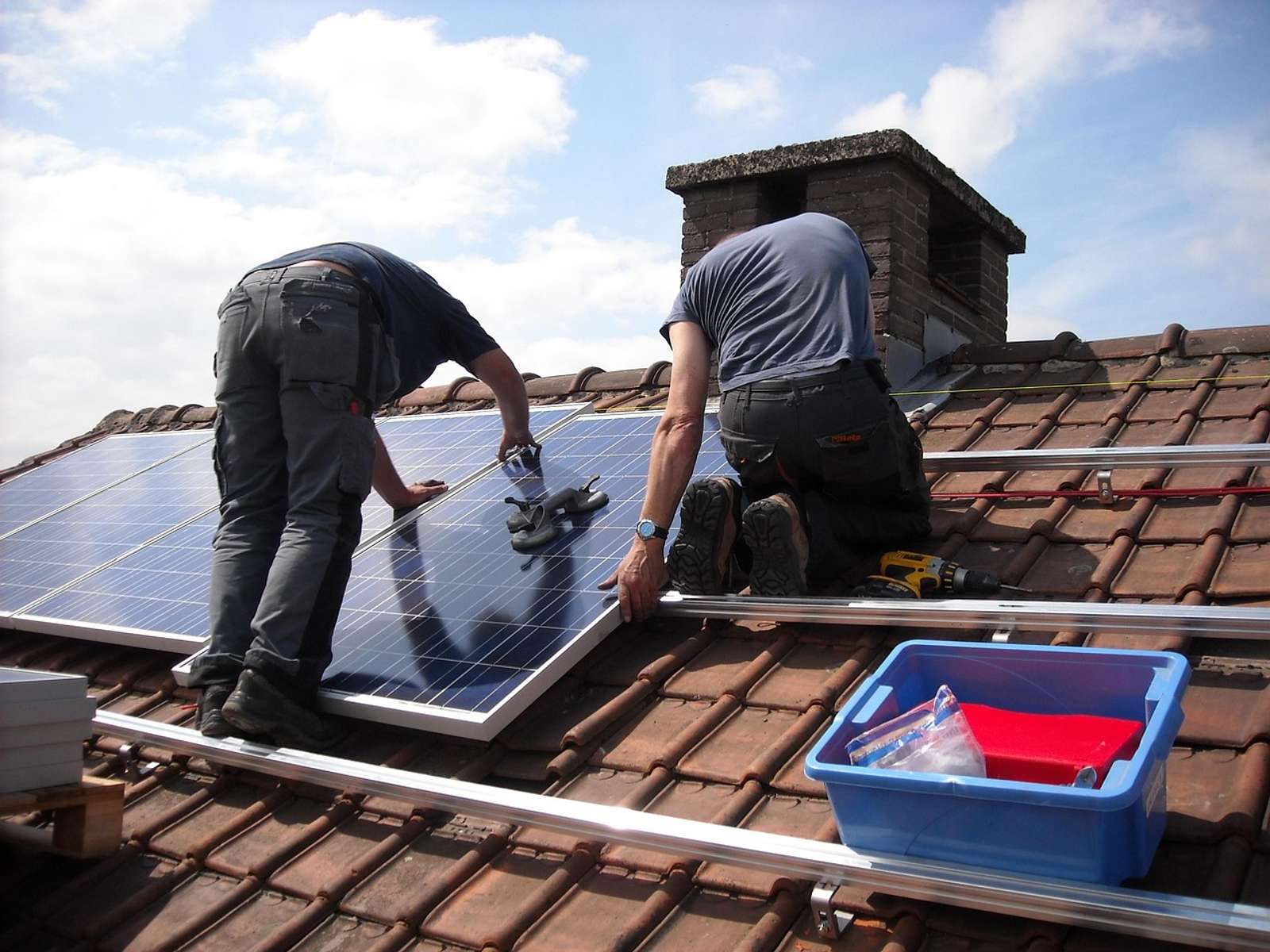
In Cambodia's Ratanakiri province, Indigenous students are learning to install and maintain solar systems through UNICEF's Youth Solar (YOSO) program. About 2,600 students in Ratanakiri and Preah Vihear are expected to take part in 2026.
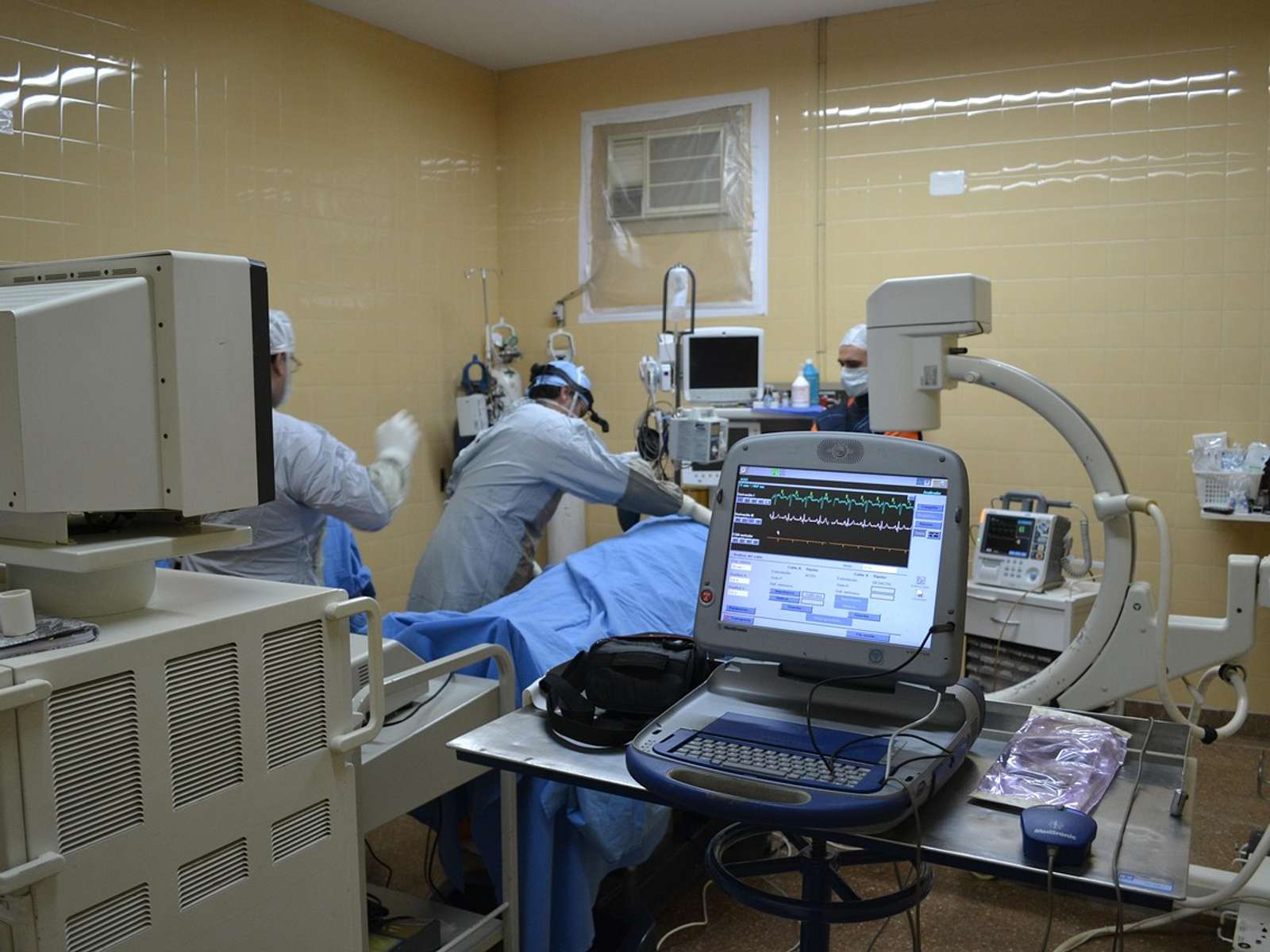
UC Davis Health has finished imaging the last of 10 patients in the first human study of a catheter that combines two optical techniques to show the makeup of plaque in heart arteries. Results have not yet been reported.
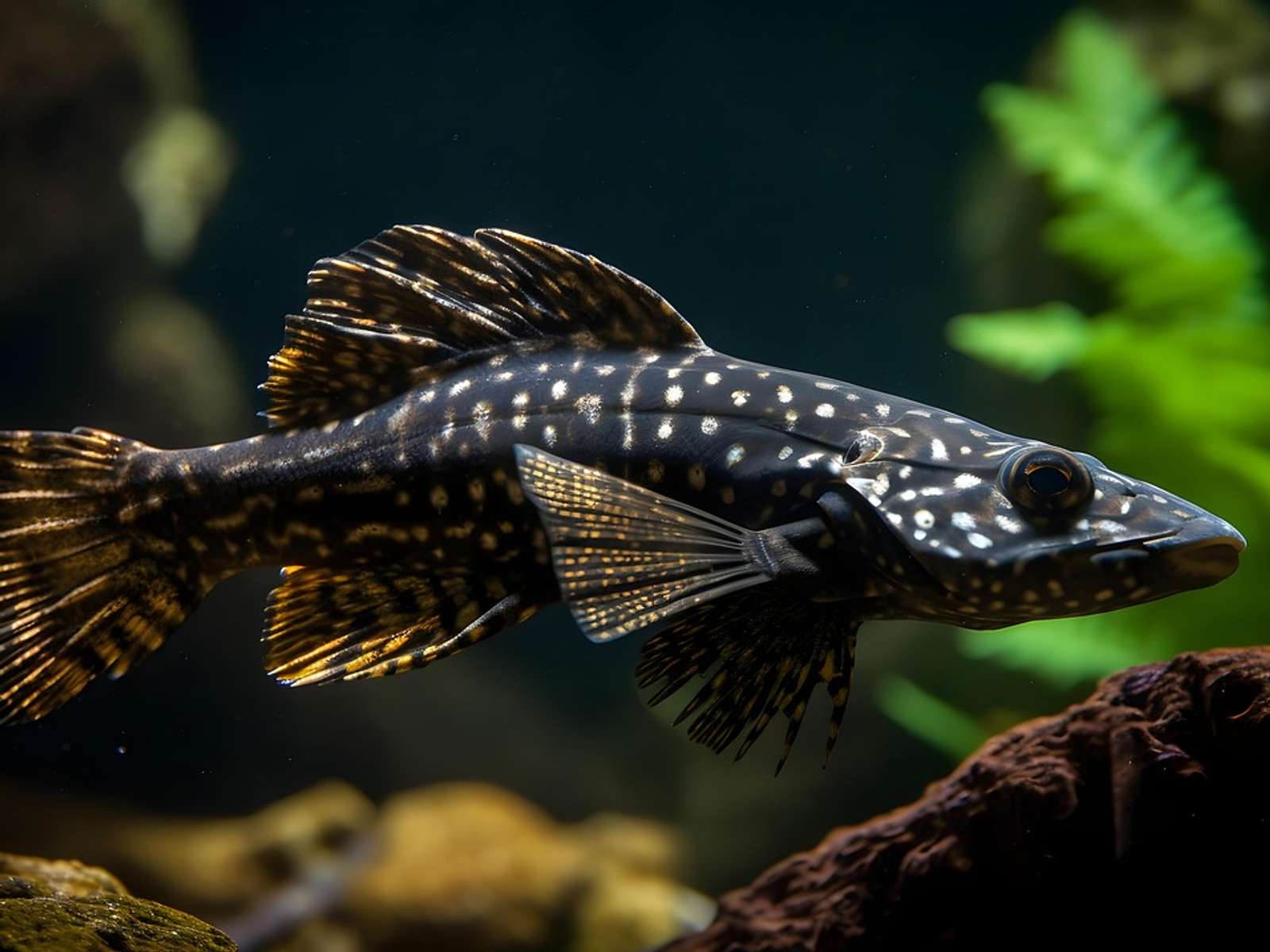
Scientists from Brazil's Museu Nacional and Museu Paraense Emílio Goeldi have described Peckoltia kahxi, a mottled armored catfish known from just two sites in the rapids of the Trombetas basin in Pará.
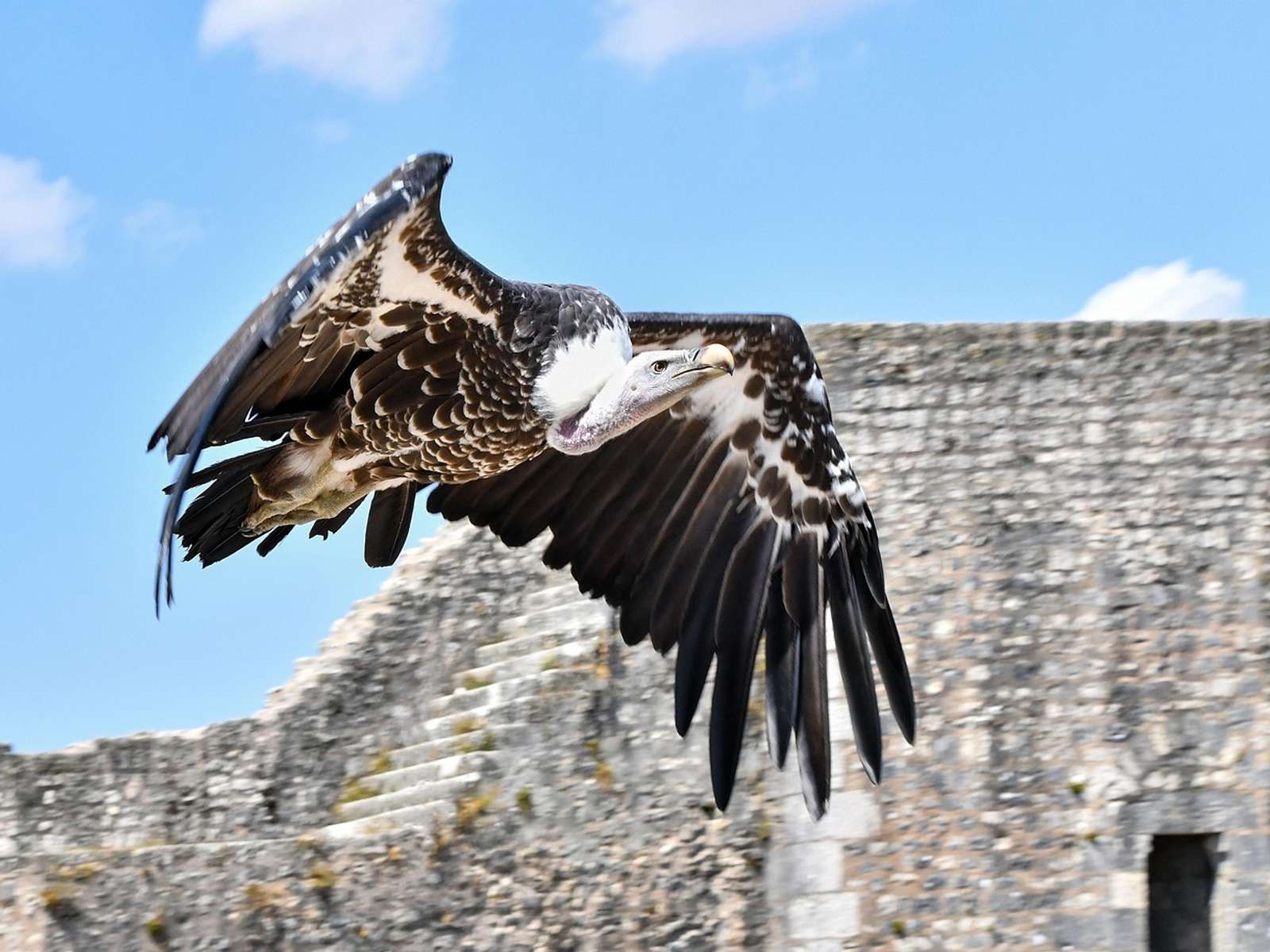
A Vulture Conservation Foundation study under BalkanDetox LIFE found the average number of vultures recorded as poisoned each year fell from 22 to about 8. But poisoning rose again in 2025, and offenders are rarely punished.
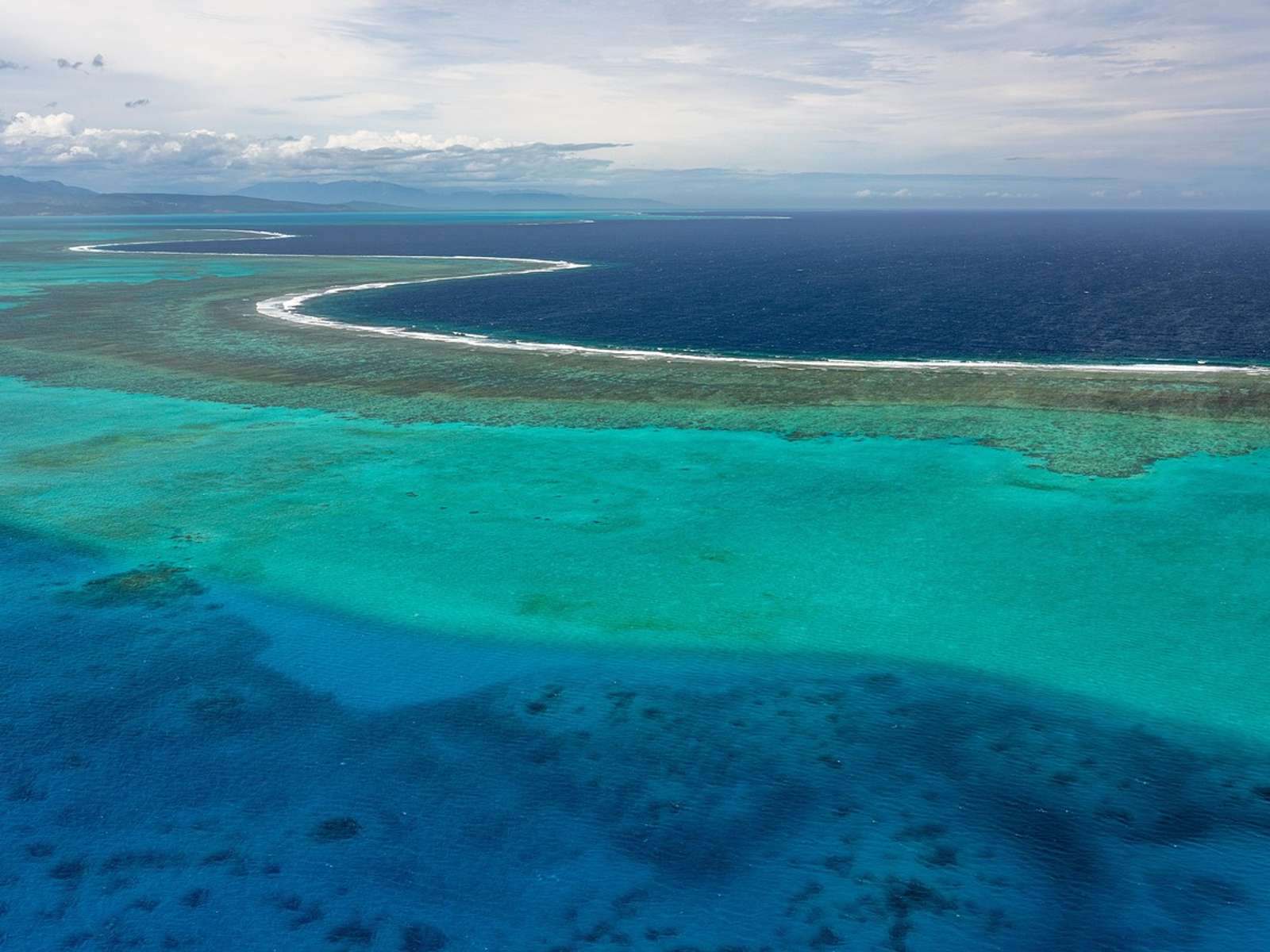
A Lancaster University-led study of 28 atoll islands found reefs around rat-free, seabird-rich islands grow 1.8 to 2.5 times faster, fast enough to keep pace with sea-level rise under 2°C of warming, the authors project.
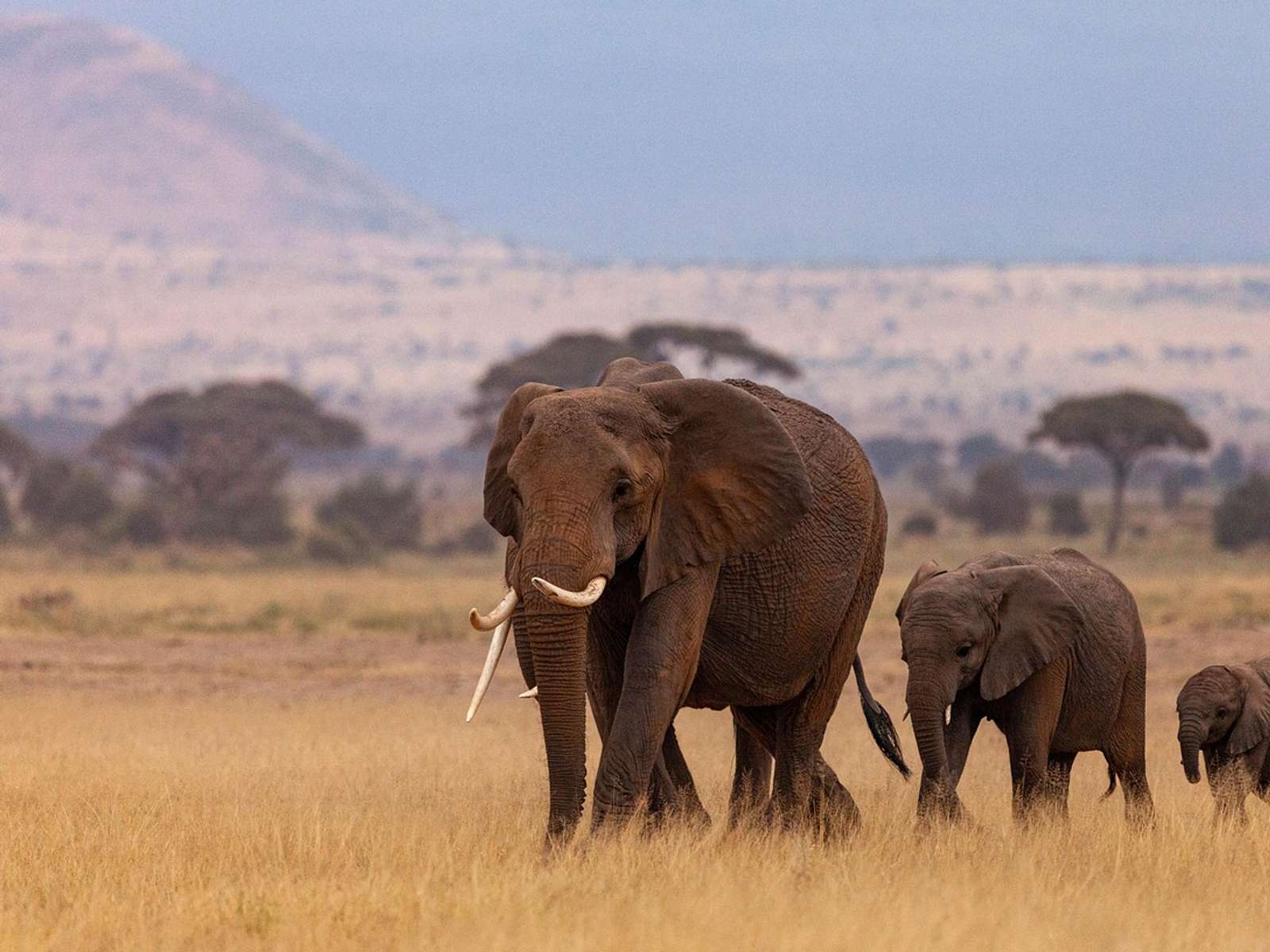
Kenya's government and The Nature Conservancy unveiled Thamani Asili, a $160 million Project Finance for Permanence covering about 17.3 million hectares over 10 years. About 1.6 million people are expected to benefit directly.

A young male Sumatran orangutan rescued from an apartment near Mumbai in 2024 has been flown home to Indonesia. Renamed Heera, he will go through quarantine and rehabilitation at the Sumatran Rescue Alliance in North Sumatra.
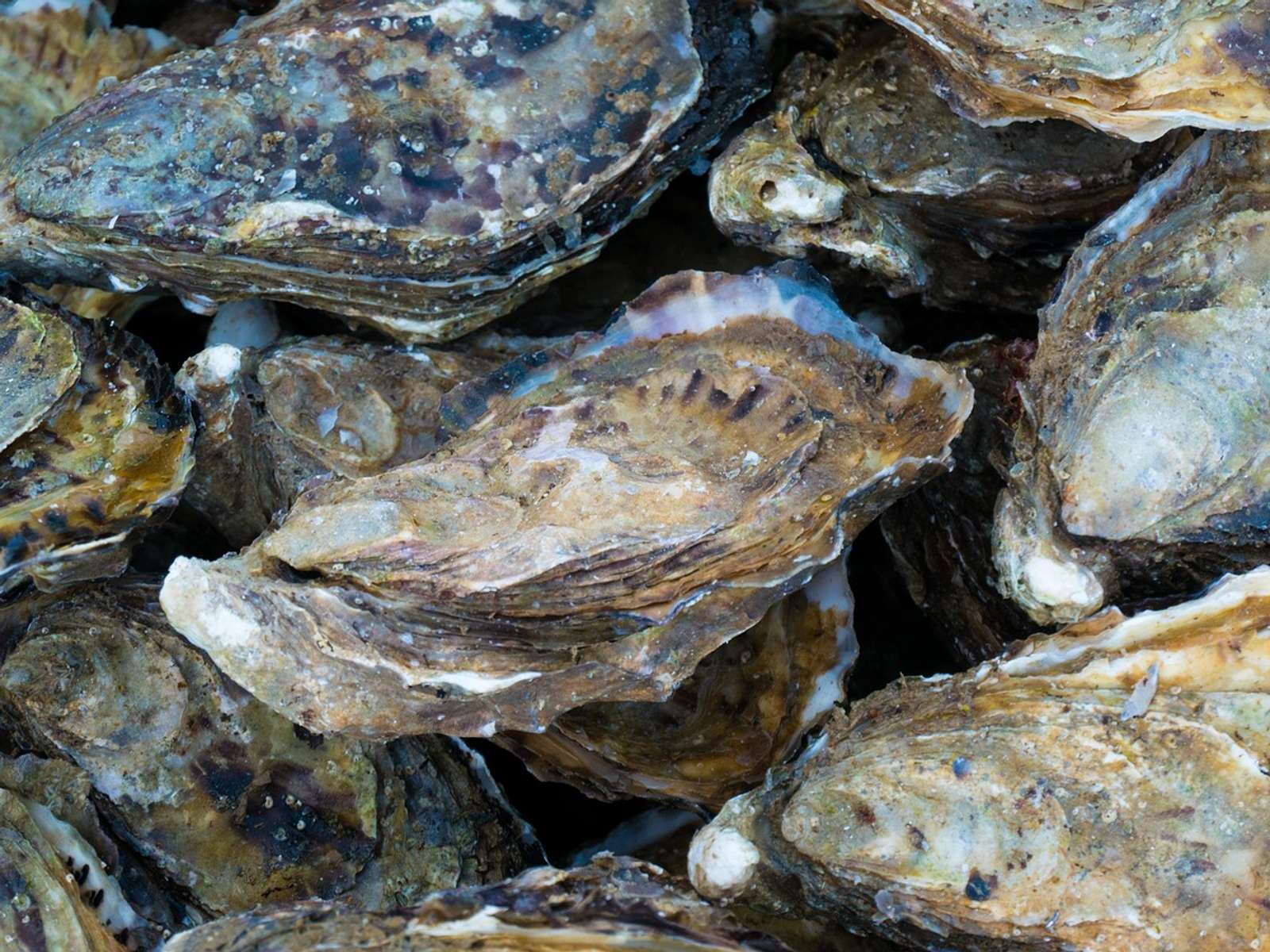
A study led from the University of São Paulo found that bivalves without eyes, such as the Pacific oyster, express up to nine light-sensing opsins in their tissues. The human retina uses five to form images.
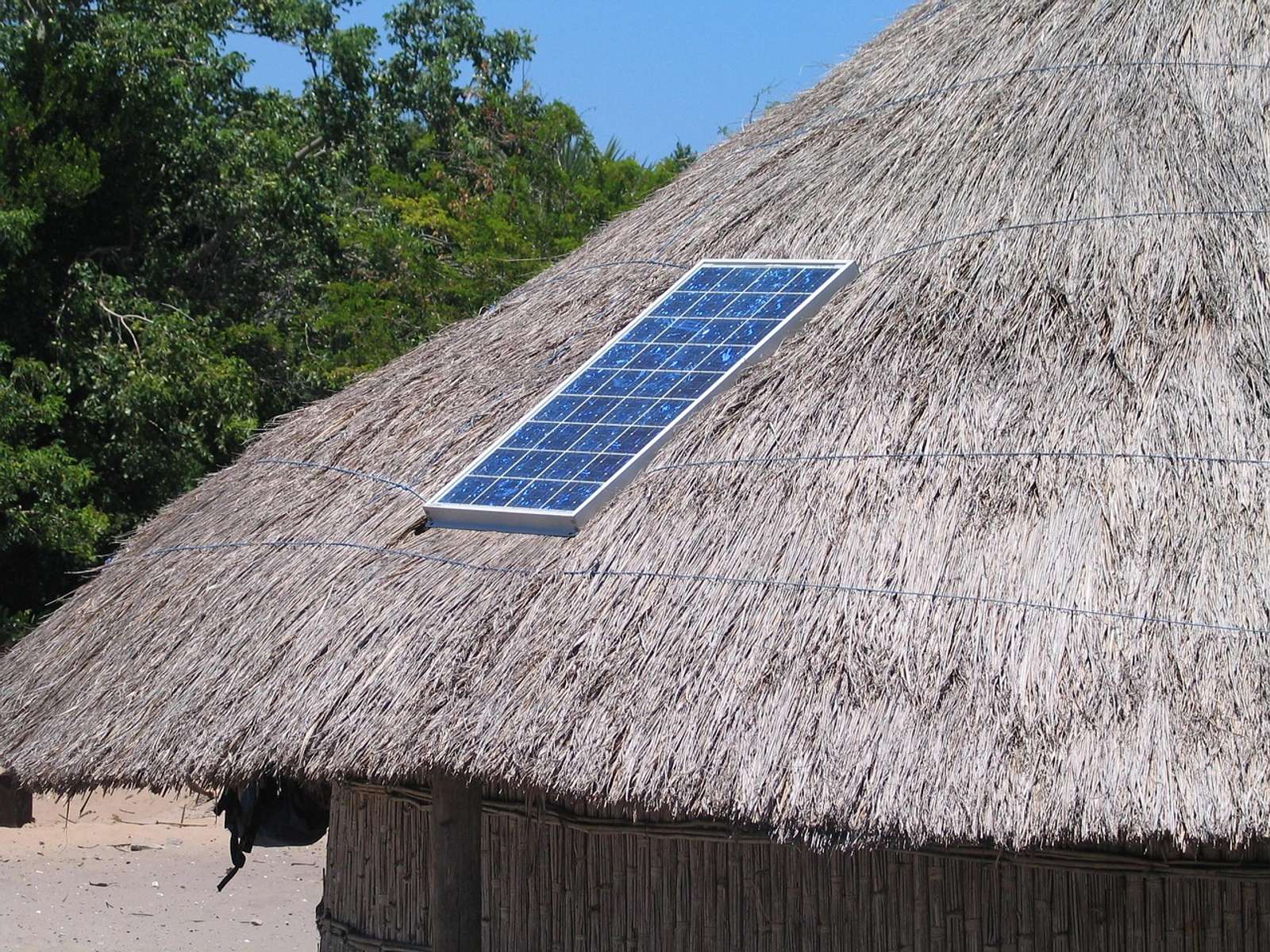
A solar system handed over by UNICEF with KOICA funding now powers the health center, a school and the community center in Vila Maumeta on Atauro, serving 2,155 residents. Vaccine fridges and emergency care no longer stop at midnight.

Researchers from Utrecht University recorded 2,500 calls from Critically Endangered Rüppell's vultures at two Dutch zoos and found 16 call types. Chicks start calling inside the egg about two days before hatching.

Between January and October 2026, more than one million people in Niger gained electricity through the World Bank-backed Haské project, in a country where about 23% of people had power in 2024. The target is 2.5 million by 2027.
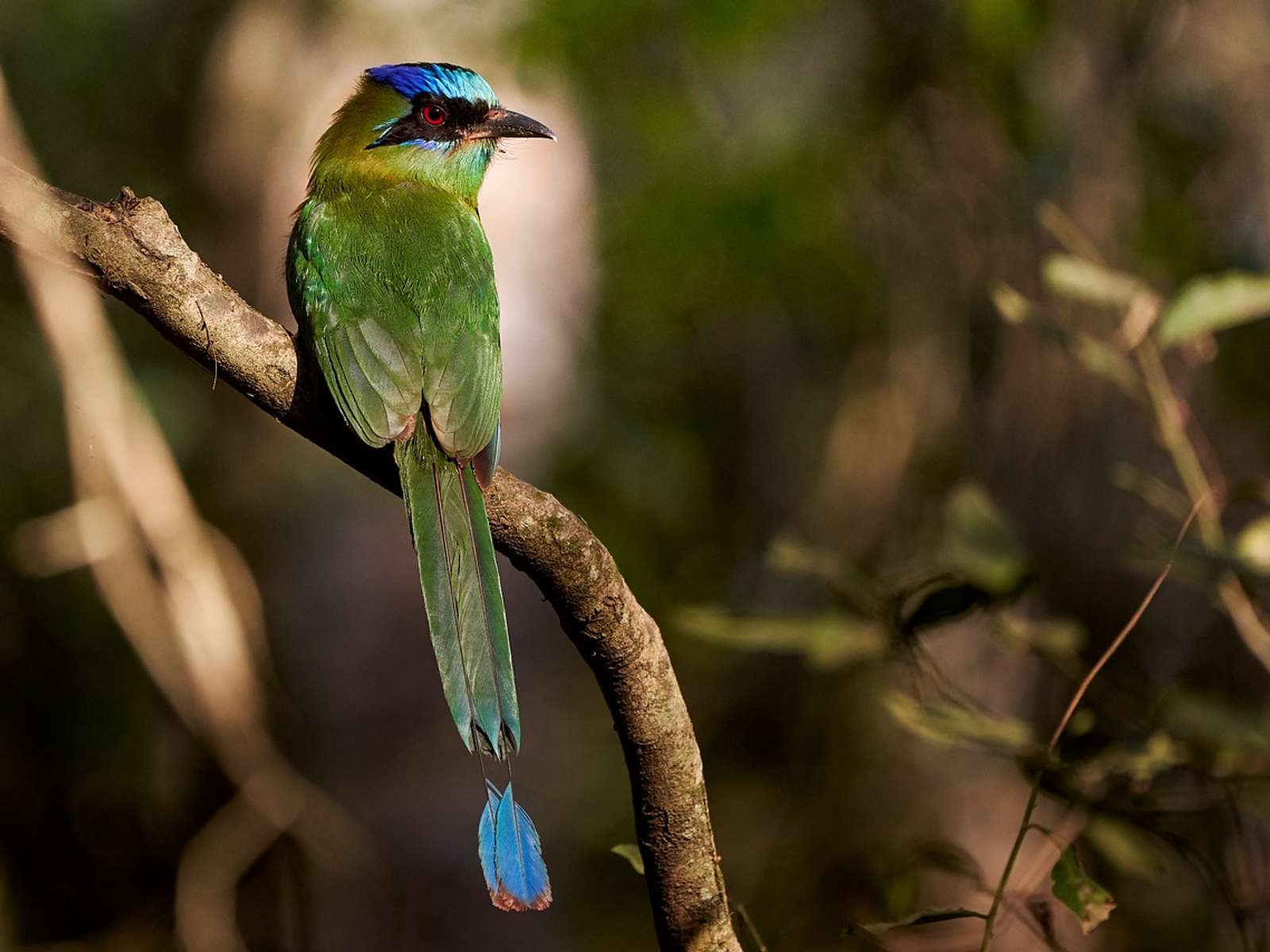
The American Ornithological Society has split the Guatemalan motmot from the russet-crowned motmot. Found only in the dry Motagua valley, it becomes Guatemala's first endemic bird species.
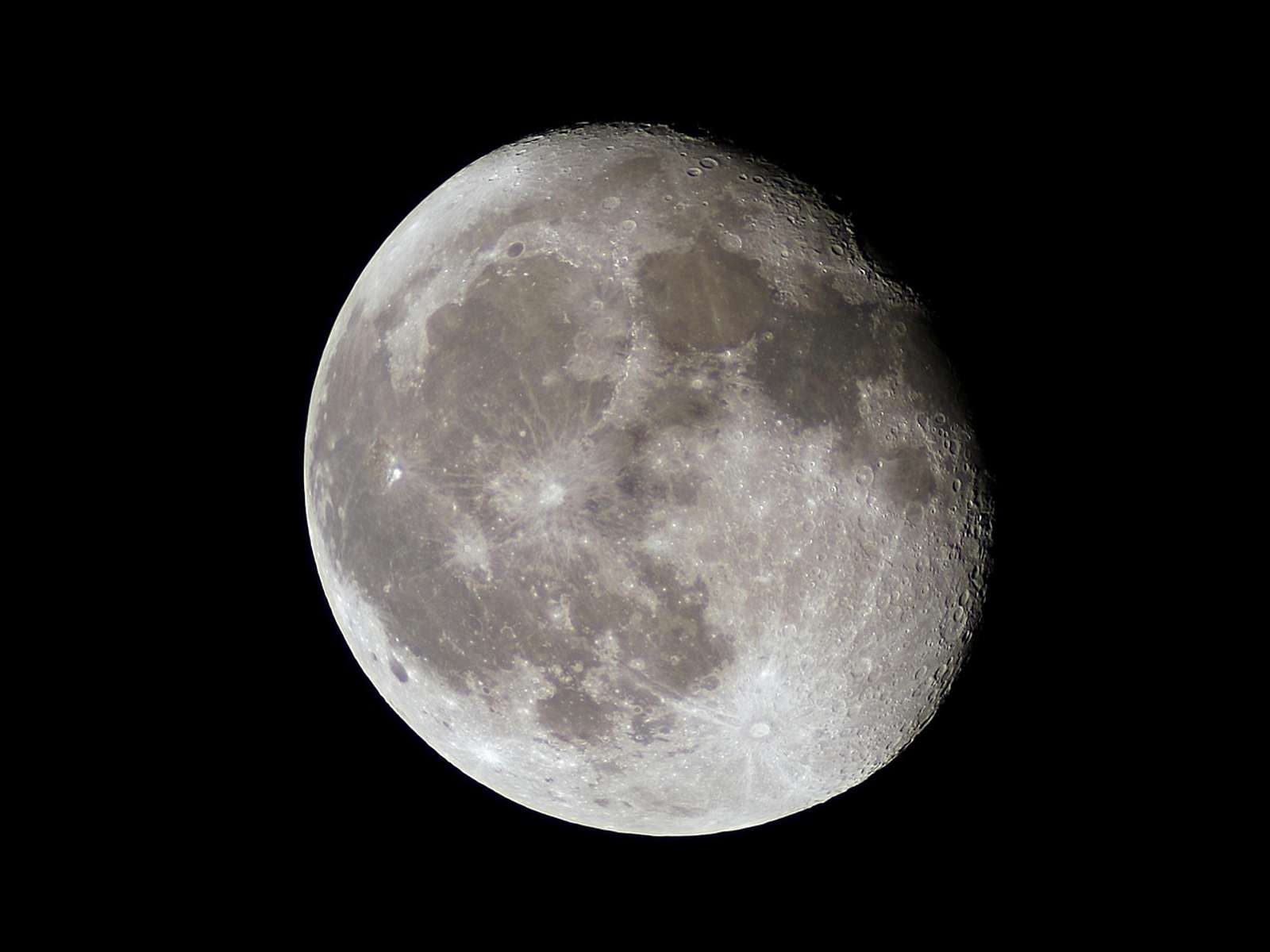
MIT's CERBERUZ team won NASA's LunaRecycle Challenge with a machine that grinds mixed plastics and aerospace foam into powder and molds it into new parts, with no water or chemicals. The team won $925,000 over the competition.
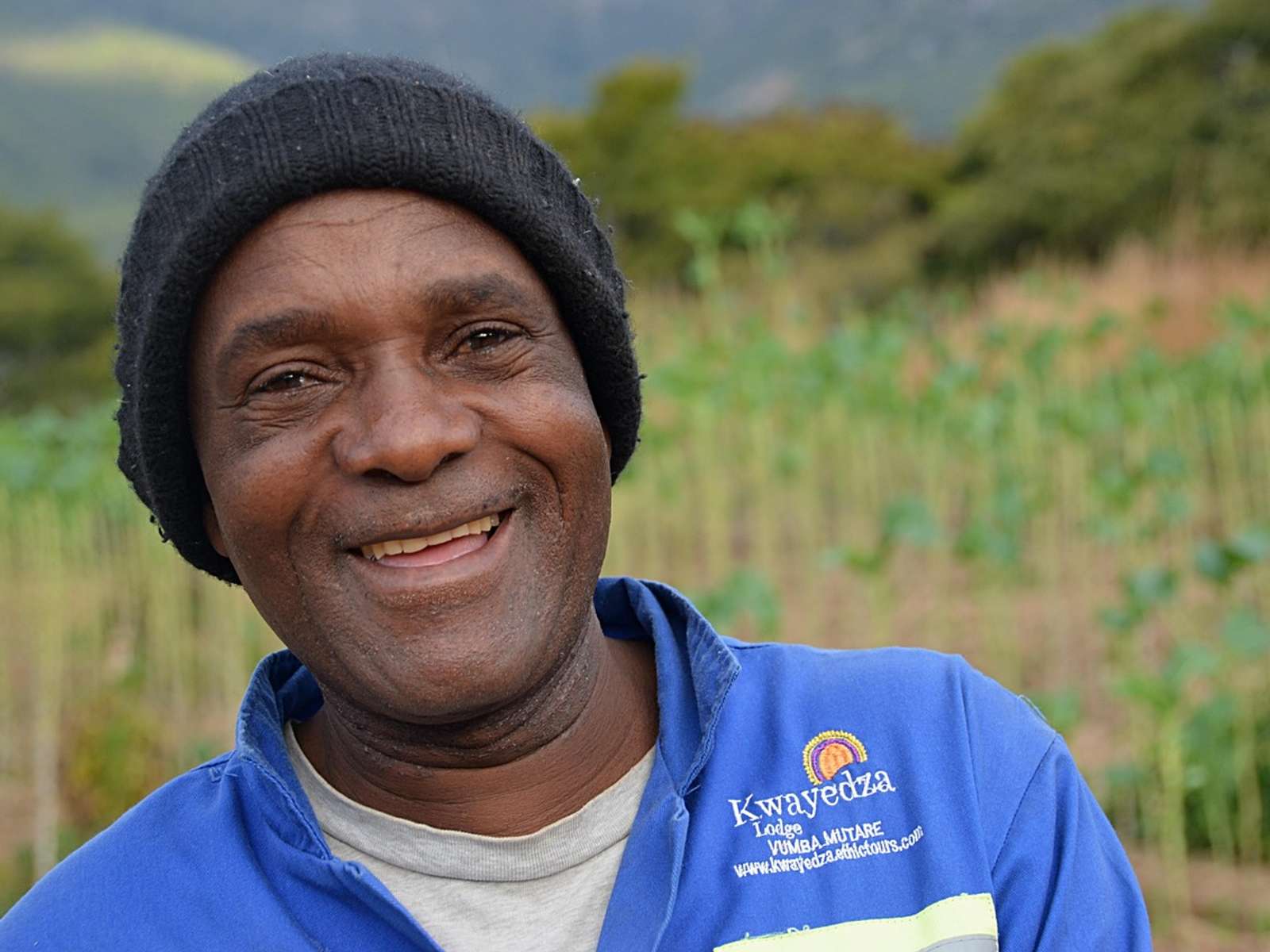
In southern Zimbabwe, a UNDP and Green Climate Fund project has reached 229,414 women directly. Earth augers and threshers cut their farm workload by a reported 76%, and women now hold about half the seats on irrigation committees.
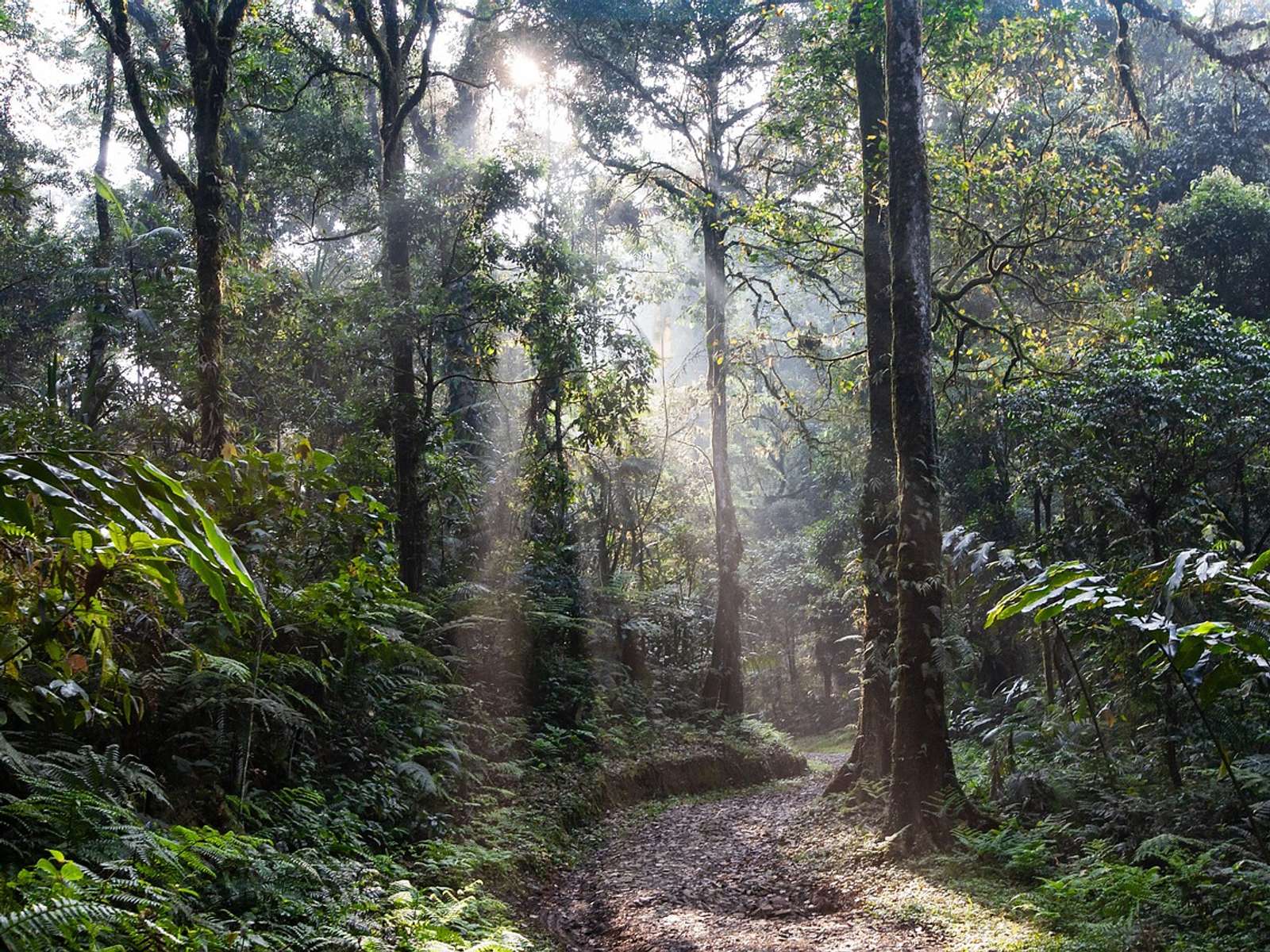
Rescue records from Alobi Wildlife Rescue Center show more than 90 Bangka slow lorises were rescued on Indonesia's Bangka Island between 2015 and 2025, proving a species missing from the scientific record since the 1930s survives.

MIT and Boston Children's Hospital researchers built E(3)-Pose, a model that uses the left-right symmetry of the fetal head to track its position during MRI, so scans can adjust on the fly instead of leaving gaps.

A Cornell-led review of nearly 400 studies in Current Biology finds birds move nitrogen and phosphorus between sea, lakes and land through their waste and bodies, feeding coral reefs and forests. Where seabird colonies vanish, reefs suffer.
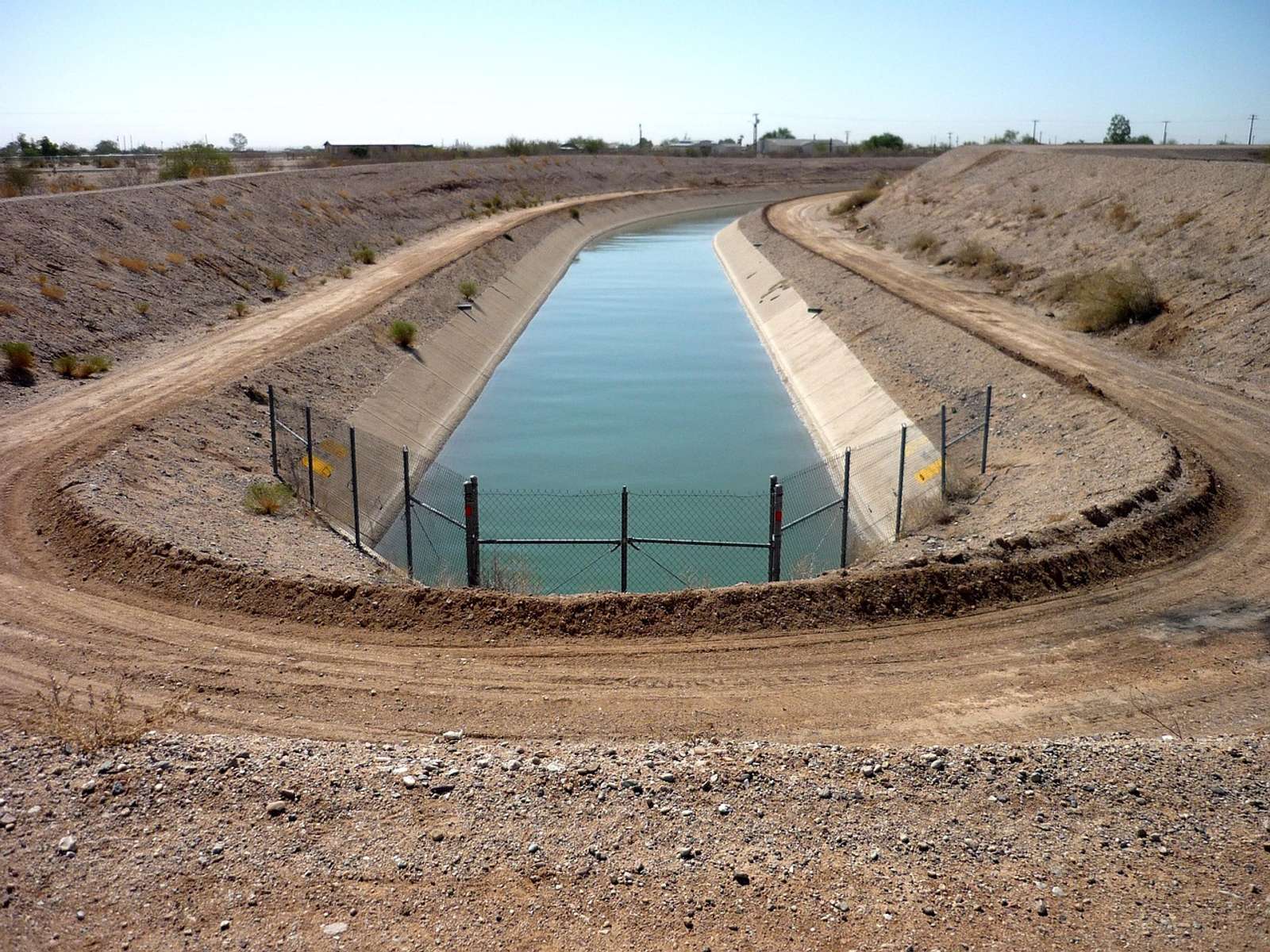
In Kyrgyzstan's Ferghana Valley, a UNDP project led by women has restored more than 22 km of irrigation and installed 204 drip systems, benefiting 3,980 people where 77% of residents had faced conflicts over water.
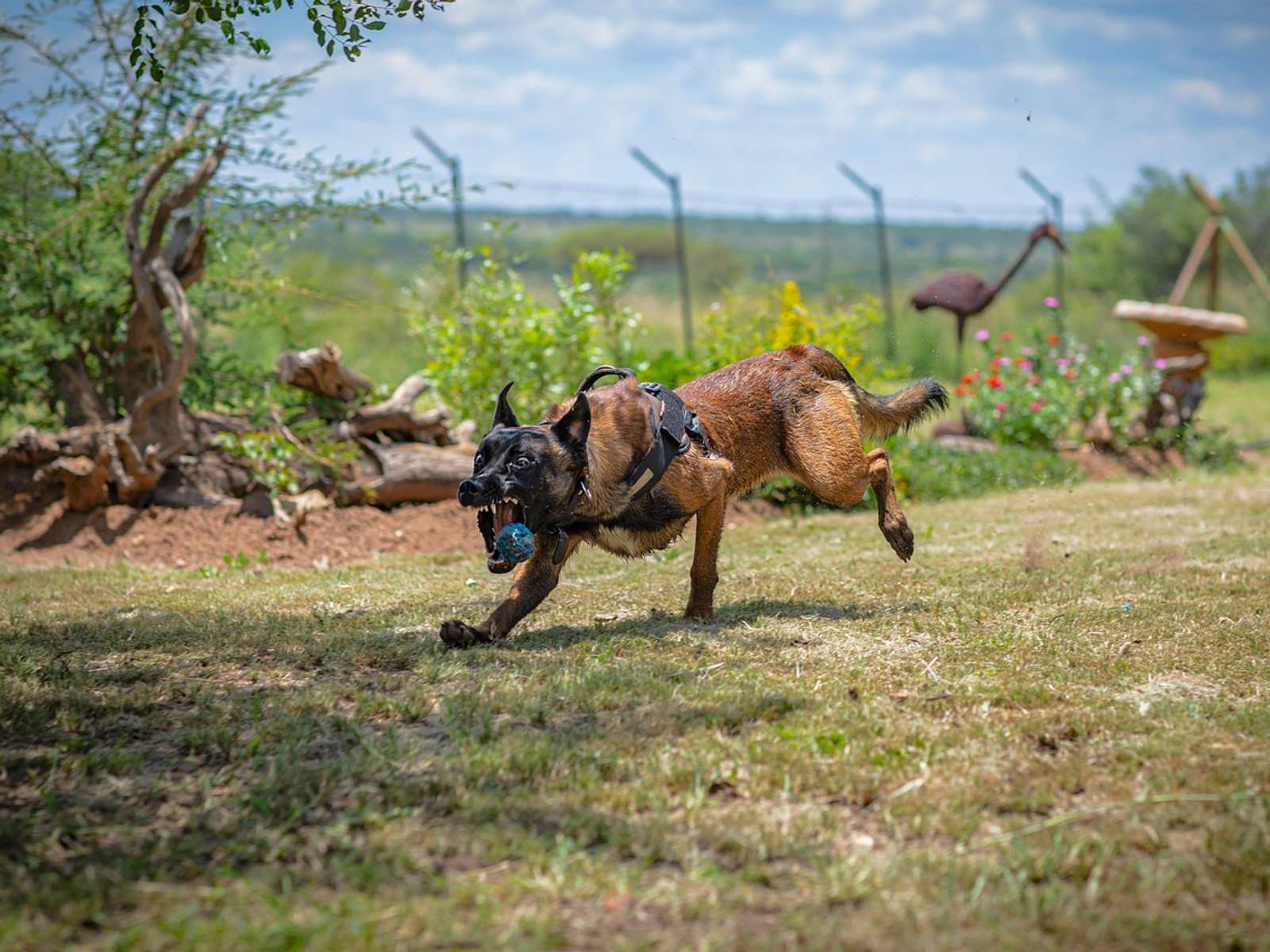
Jasper, a two-year-old Belgian Malinois, has graduated into the IFAW-JAAN anti-poaching dog unit at Ujung Kulon National Park in Indonesia, the last home of the Javan rhino. In his final test he found two snares and illegal fishers.
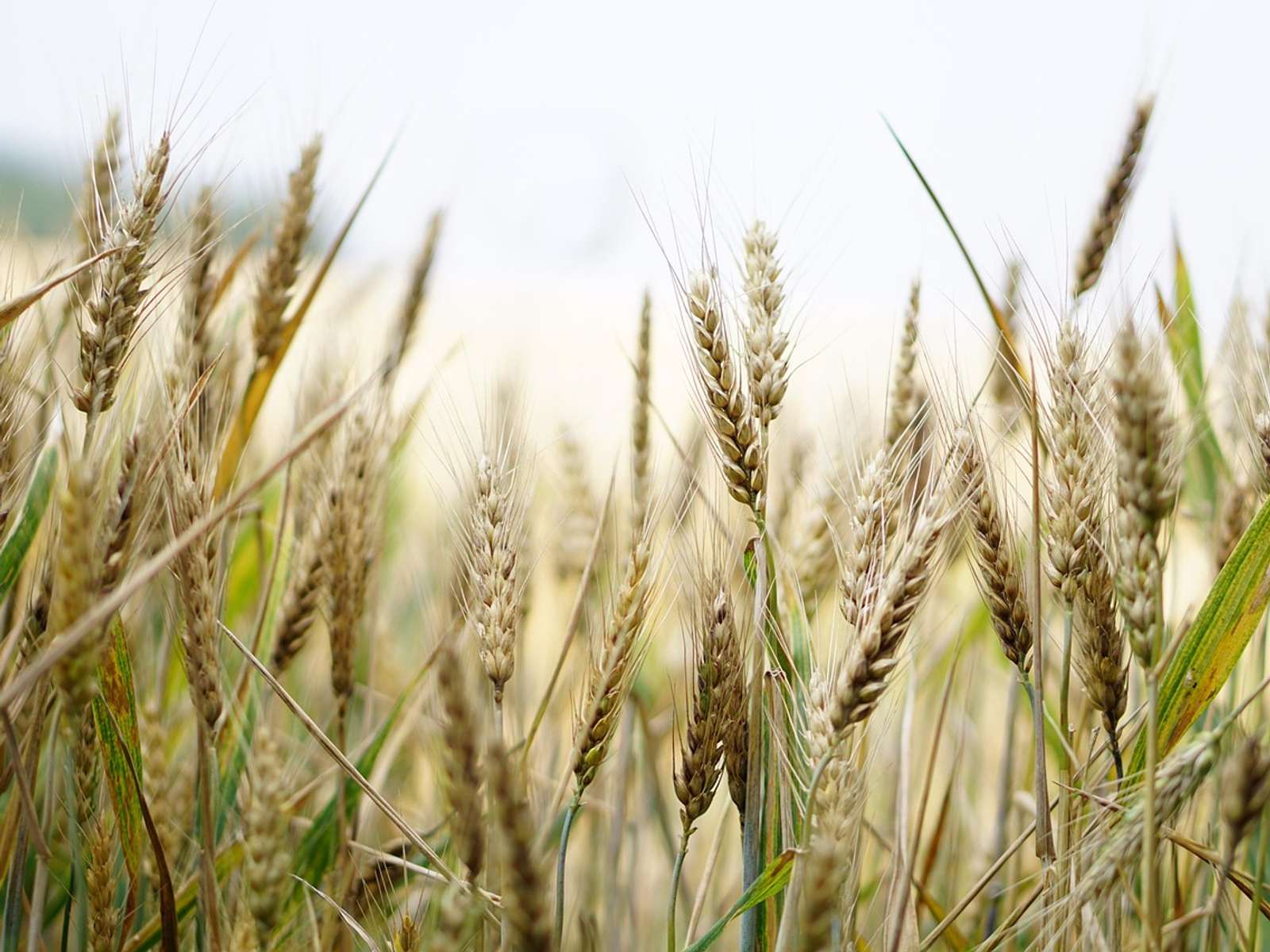
Scientists at Tanzania's TARI-Selian have been trained to use a low-cost LAMP test from the John Innes Centre that confirms wheat blast in 30 to 60 minutes. The disease, which can wipe out whole fields, is already in neighboring Zambia.
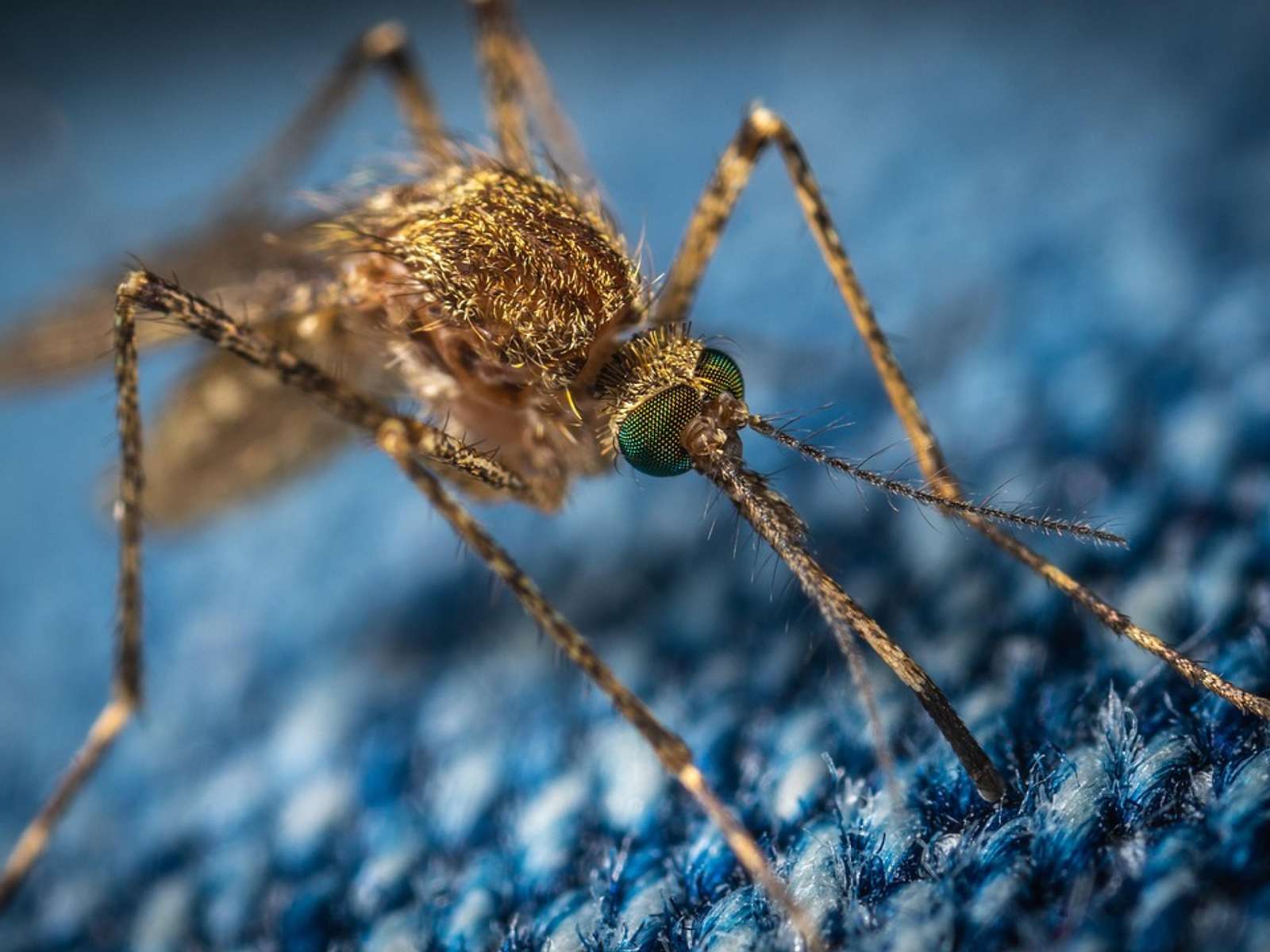
Brazil's health regulator Anvisa has approved a phase 1 trial of Vivaxin, a vaccine against Plasmodium vivax malaria developed by USP and UFMG. Recruitment of 48 healthy adults is due to start in January 2027.
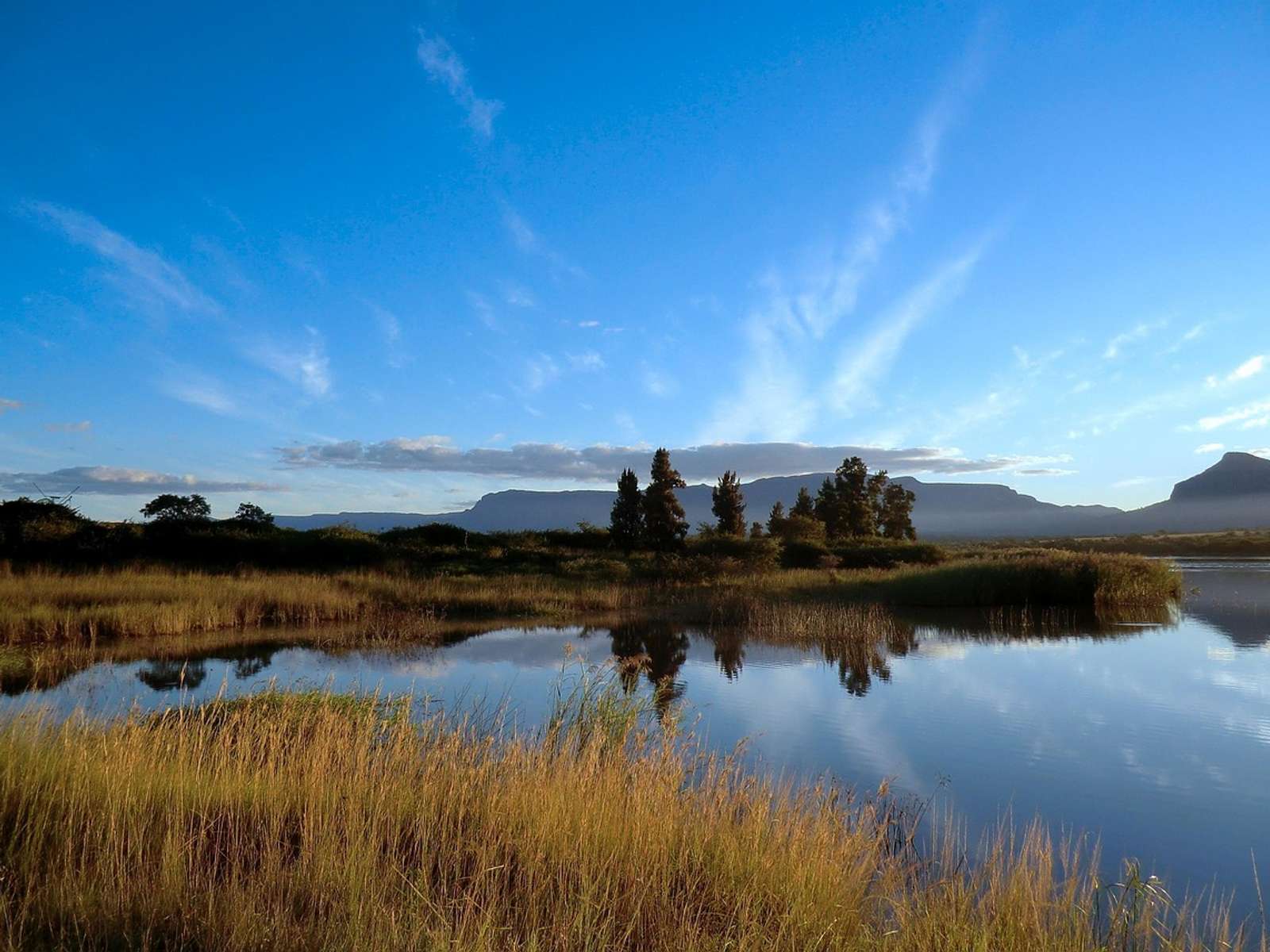
South Africa has declared the Grasslands National Park, 18 properties covering about 10,226 hectares between Nqanqarhu and Rhodes. It is the first national park created mainly through landowners signing on to protect their land.
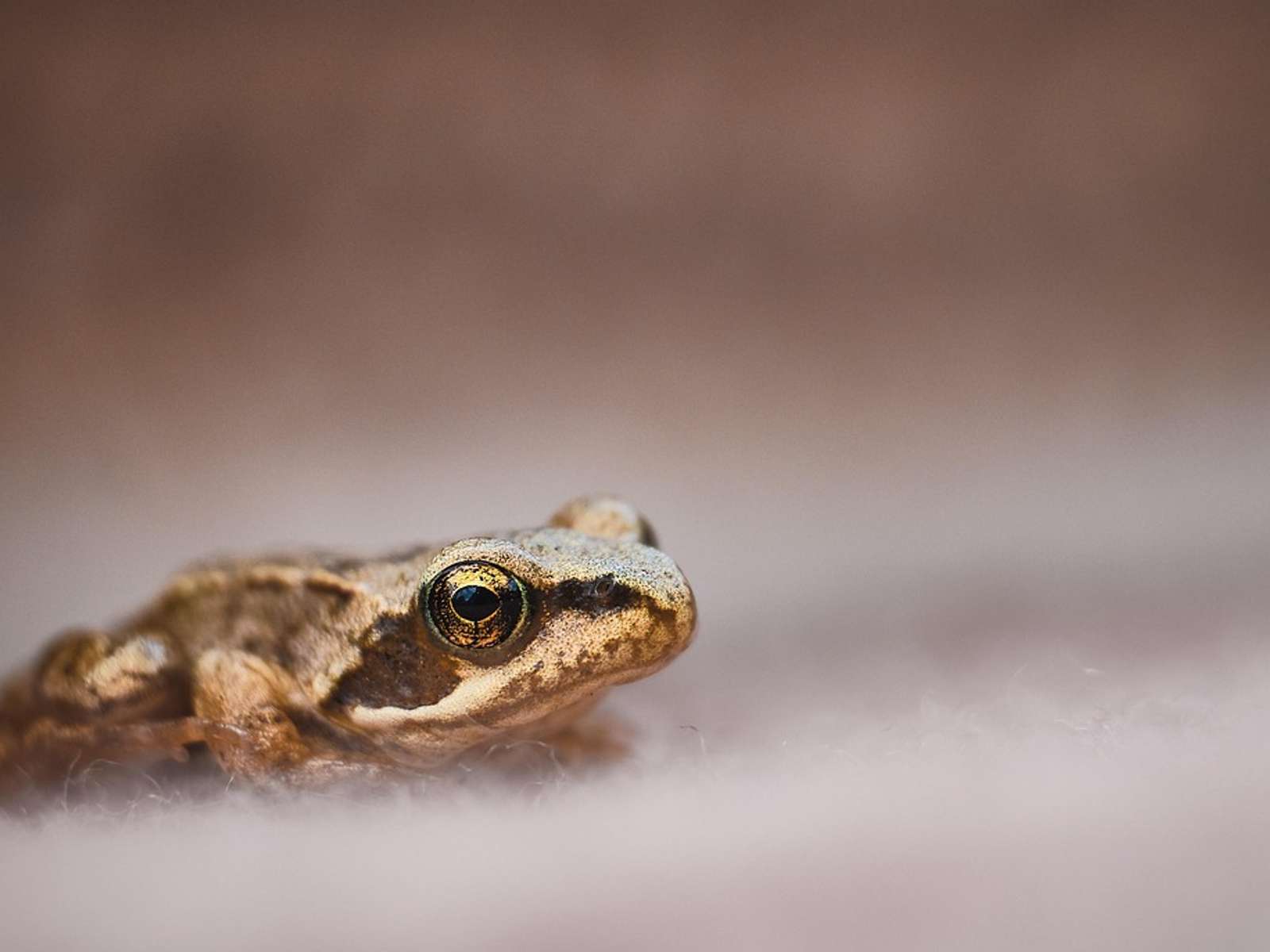
Fifteen Afia Birago's puddle frogs, a Critically Endangered species known from just two pools in Ghana's Atewa Hills, have hatched at London Zoo. They are the first of their species bred under human care anywhere.
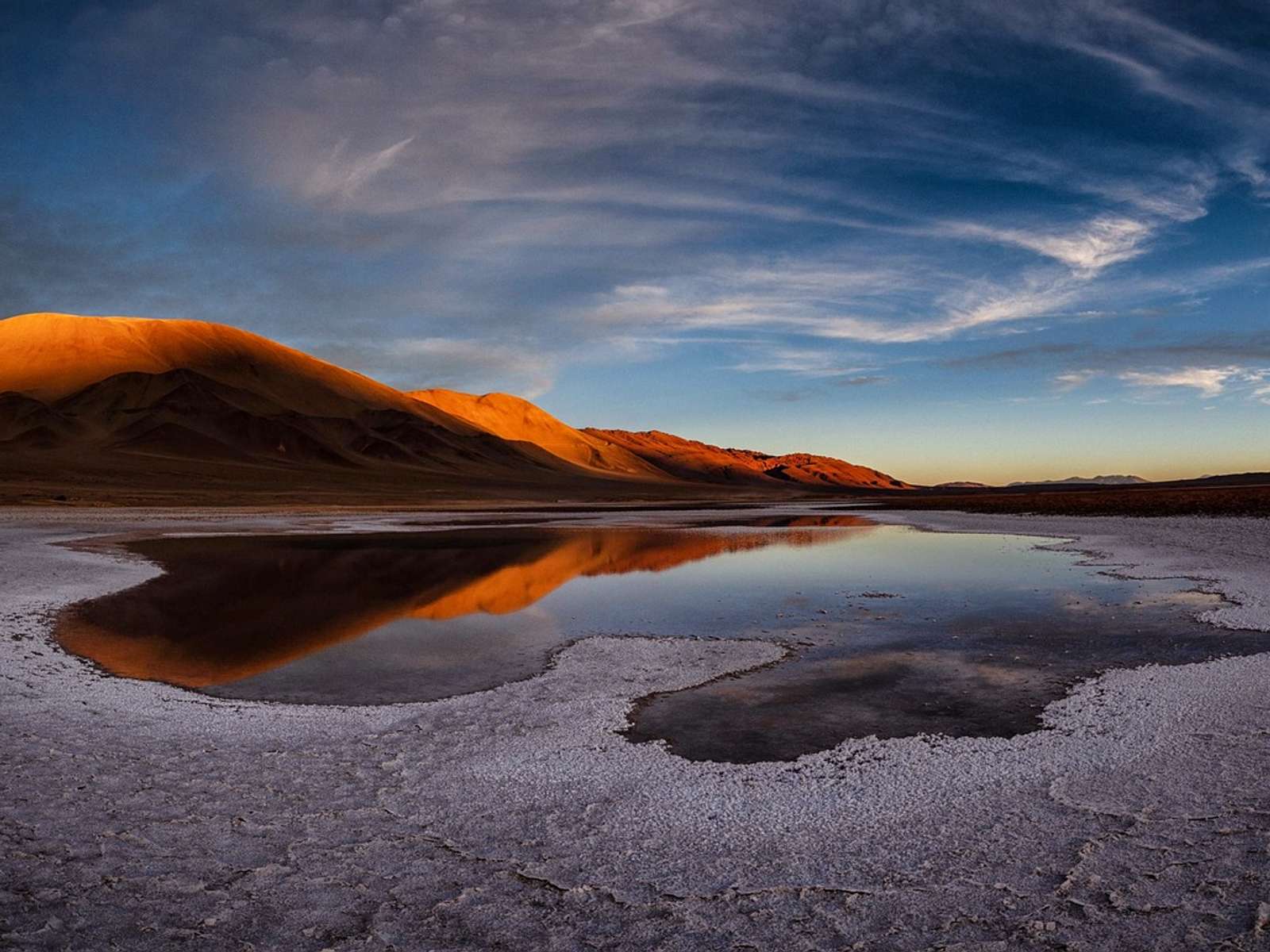
The Fred Young Submillimeter Telescope on Cerro Chajnantor in Chile is finished and preparing its first observations. Its Prime-Cam, with tens of thousands of detectors, is the largest submillimeter instrument ever built, Cornell says.