Every story we have published, newest first. 380 stories so far.
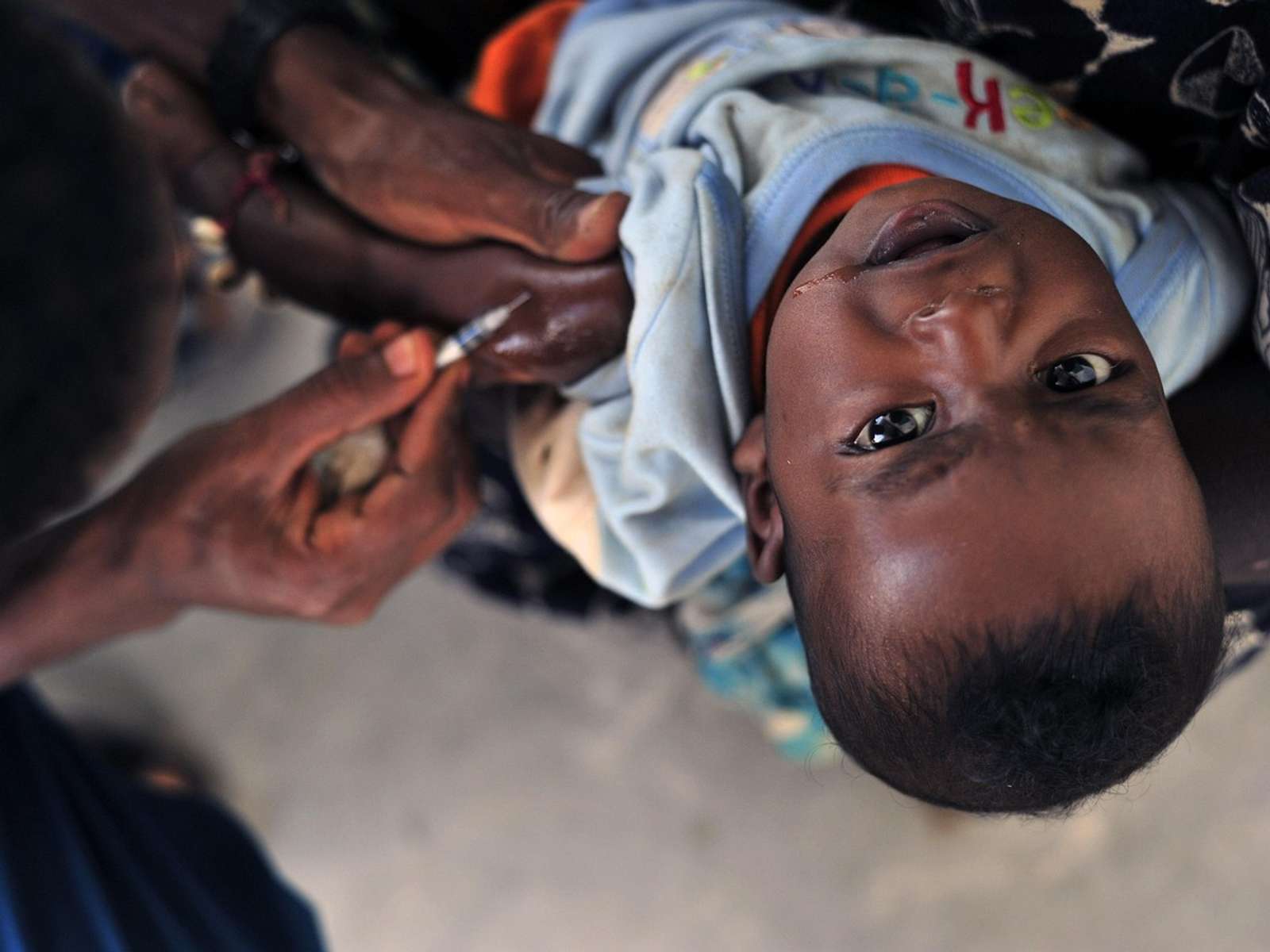
WHO's European experts have validated Albania and Armenia as having reached the region's hepatitis B control targets. Surveys found no infections among children aged 6 to 8 after more than 20 years of vaccination.
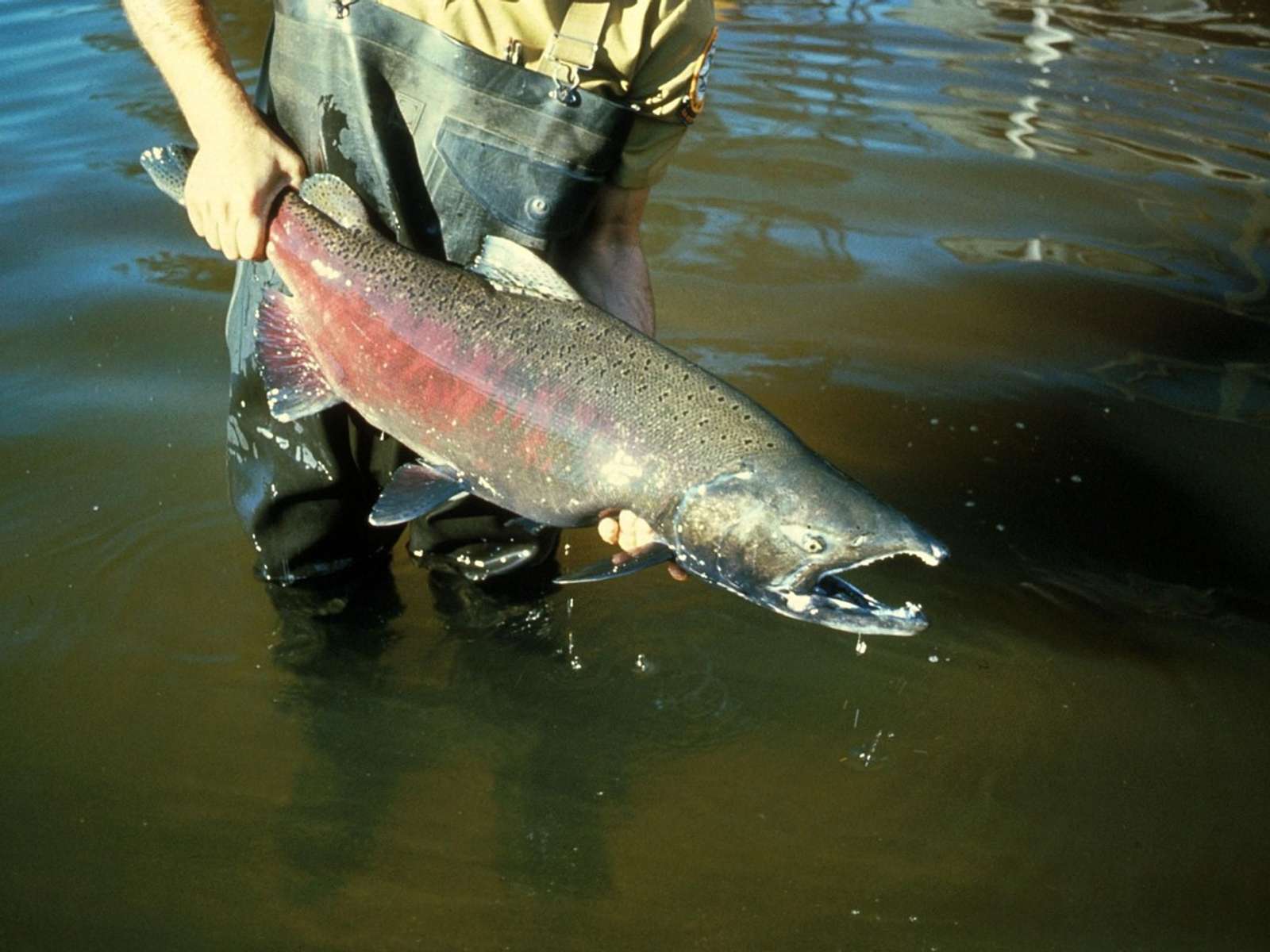
After four dams were removed from the Klamath River in 2024, sonar counted 7,742 Chinook swimming upstream that fall and 13,310 in 2025. The fish now reach 88% of their historical range above the old dams.
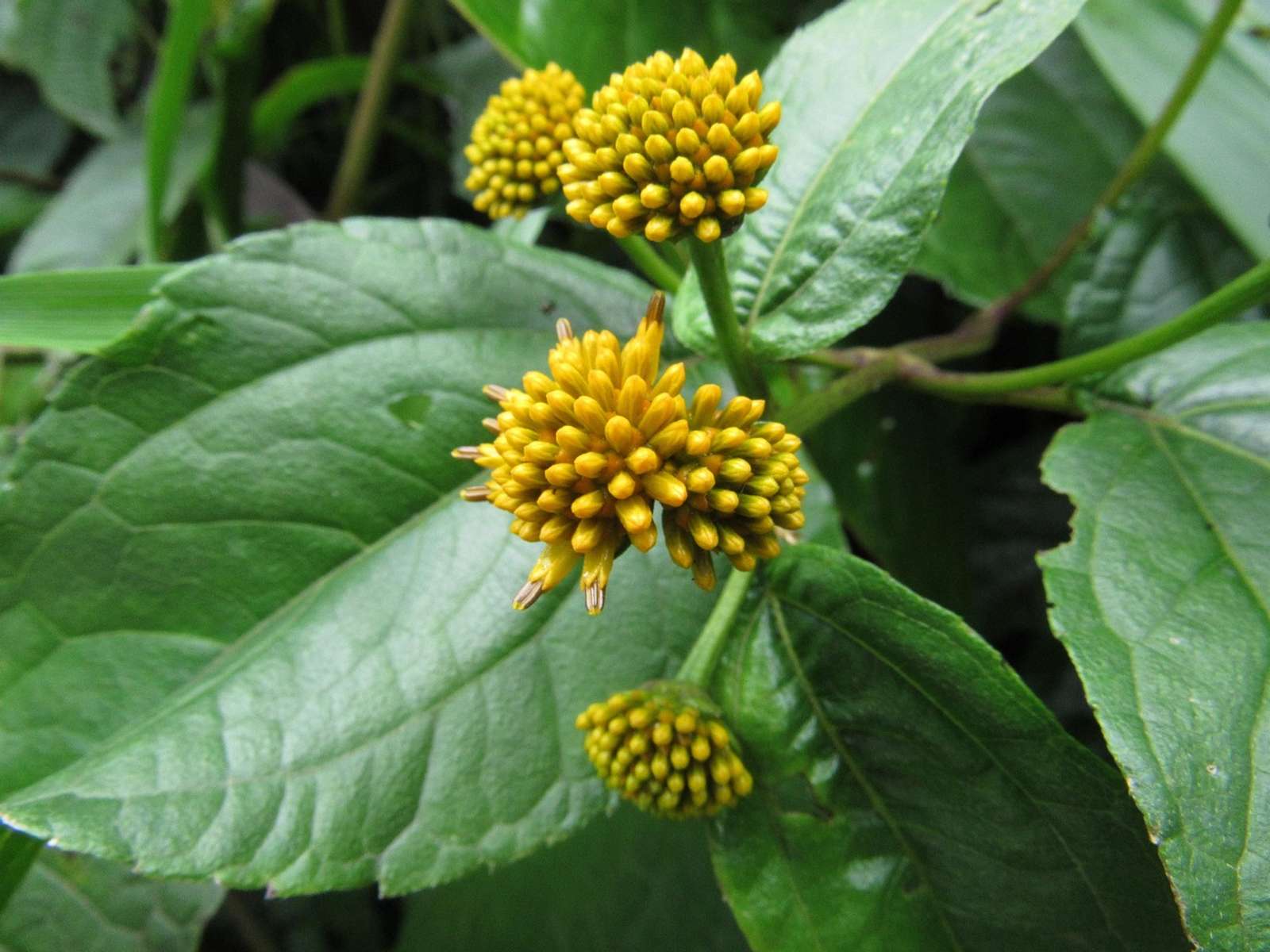
Botanists have described two new species of Monopyle, a relative of the African violet, from forest fragments on Ecuador's Centinela ridge. One grows nowhere else and is assessed as Endangered.
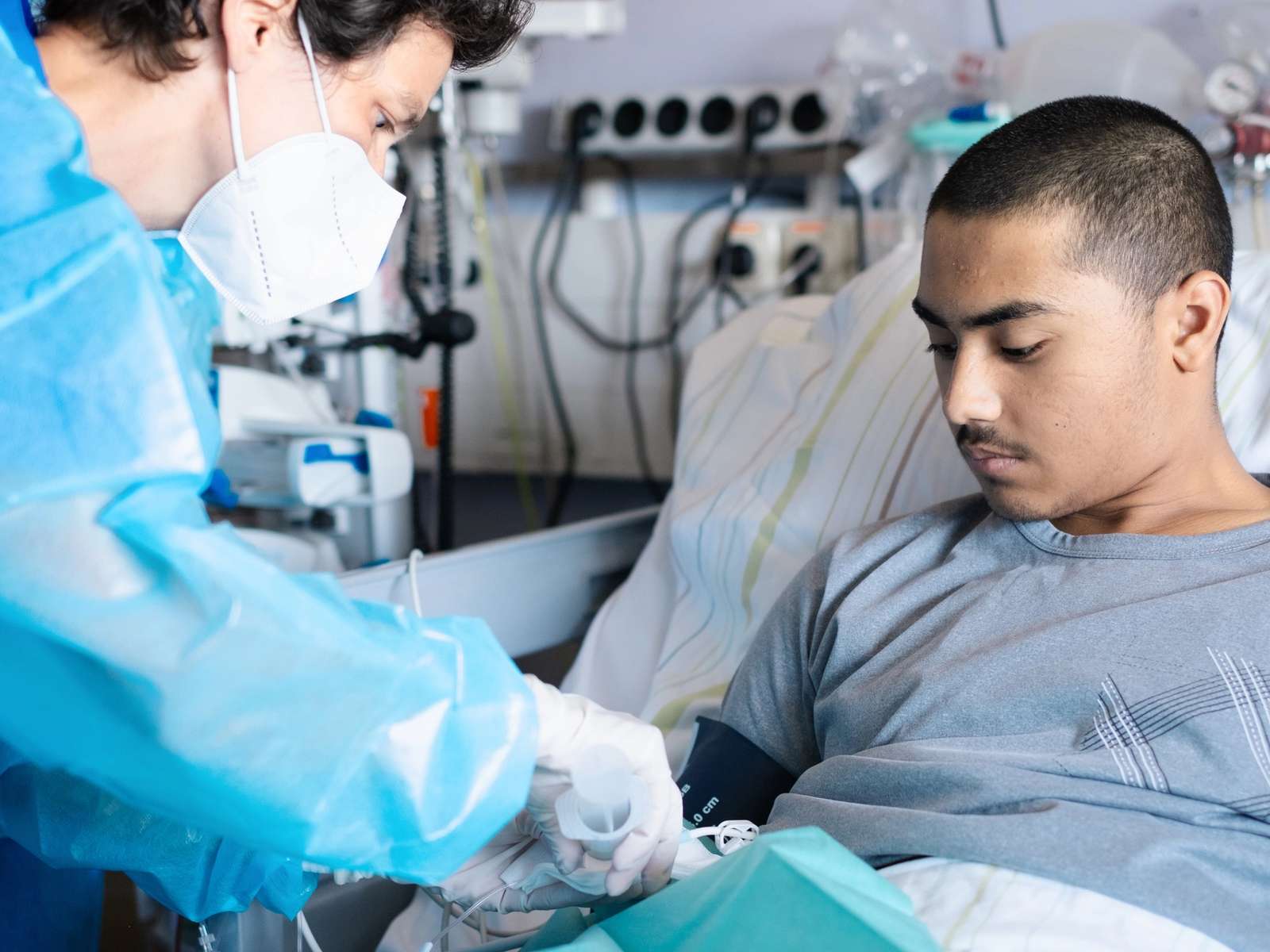
Charité in Berlin has given Germany's first routine CRISPR-based treatment to a 19-year-old with beta-thalassemia. Four months later his hemoglobin is normal and he no longer needs transfusions.
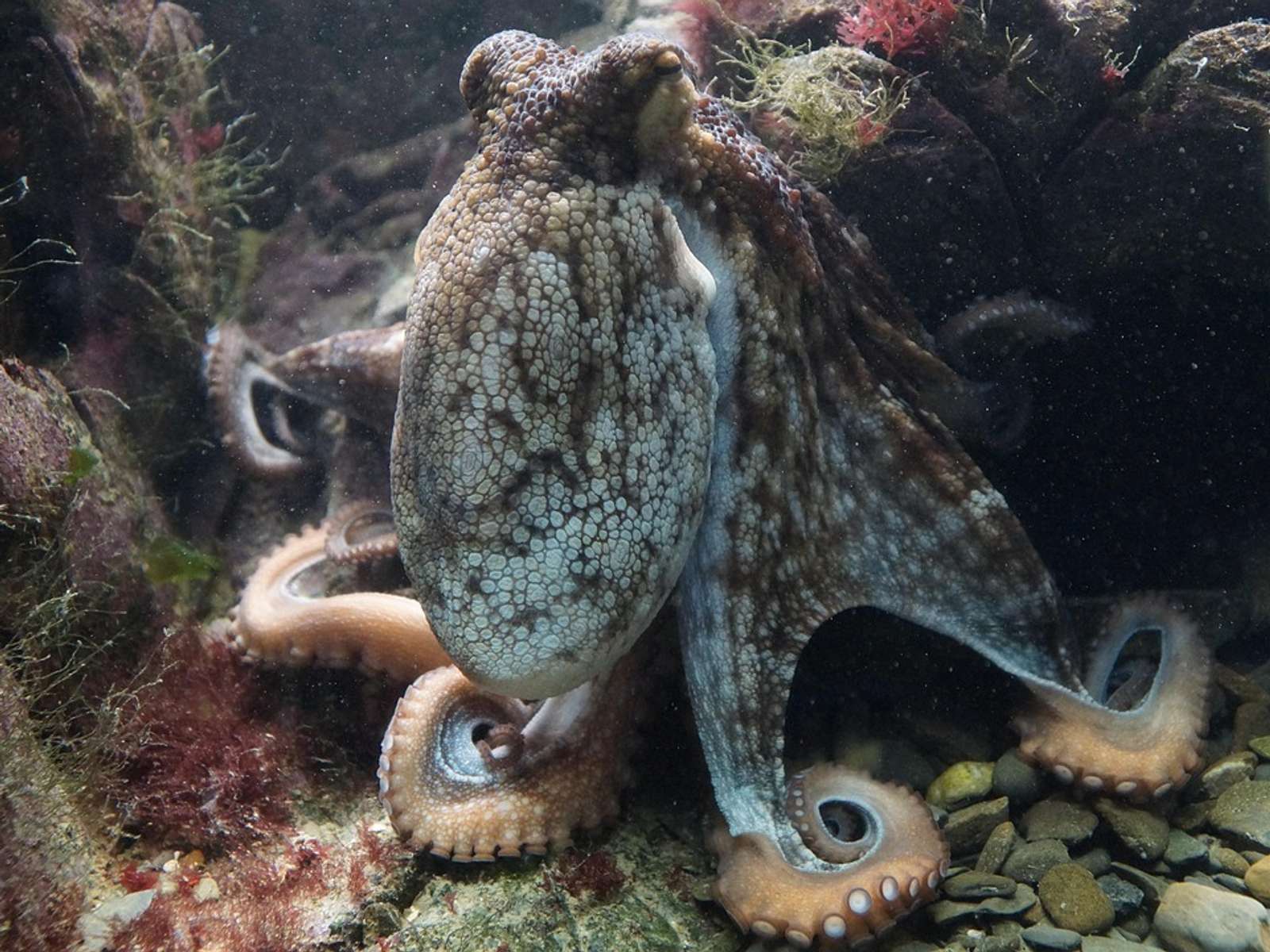
A University of Vienna team mapped how DNA is folded in octopus, squid and cuttlefish. An ancient genome reshuffle created new contacts between genes that may have helped their nervous systems evolve.
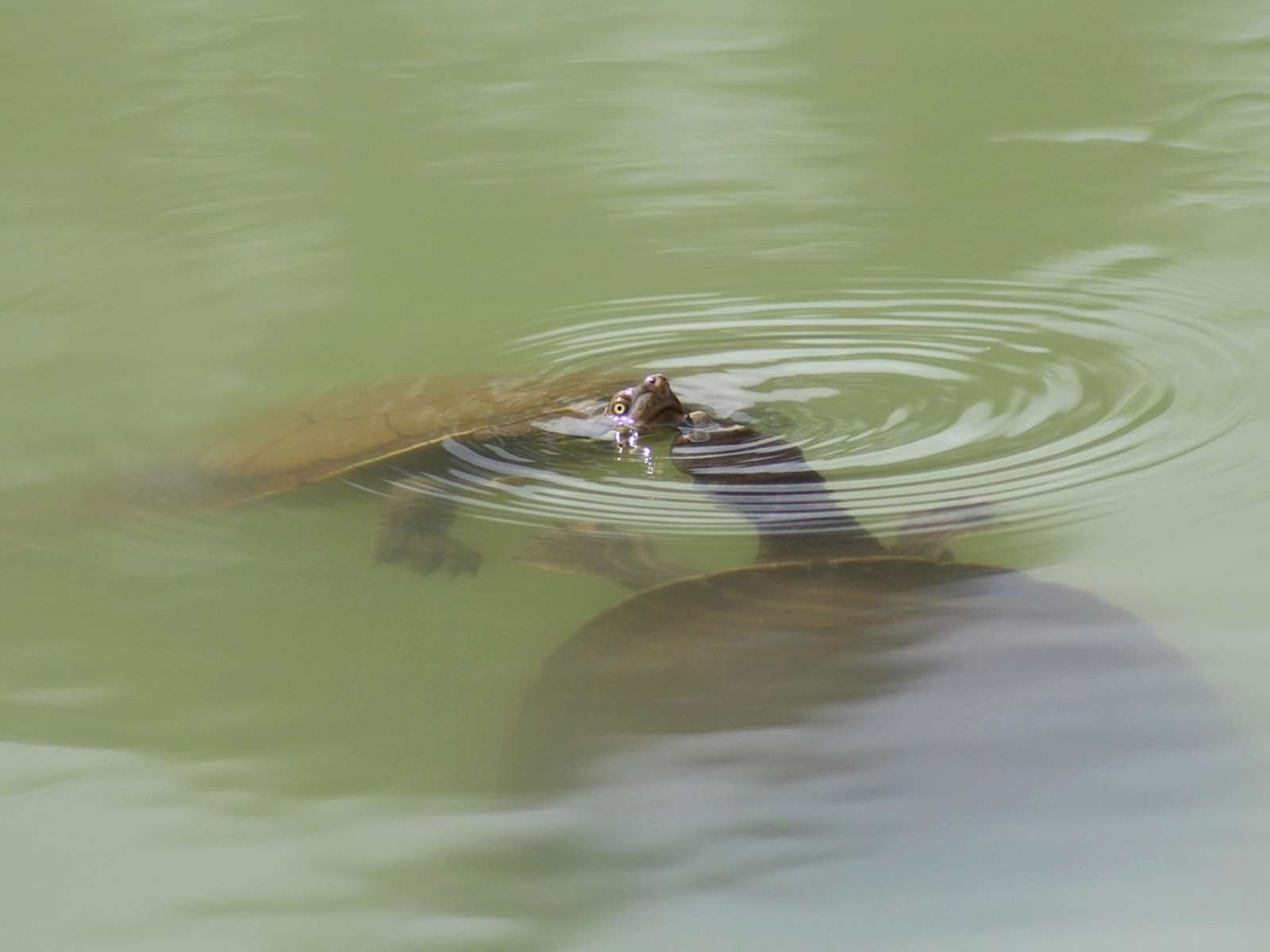
Thirty-nine freshwater turtles pulled from a drying waterhole in the Gwydir wetlands laid more than 250 eggs at Taronga Western Plains Zoo. Thirteen adults are already back in the wild.
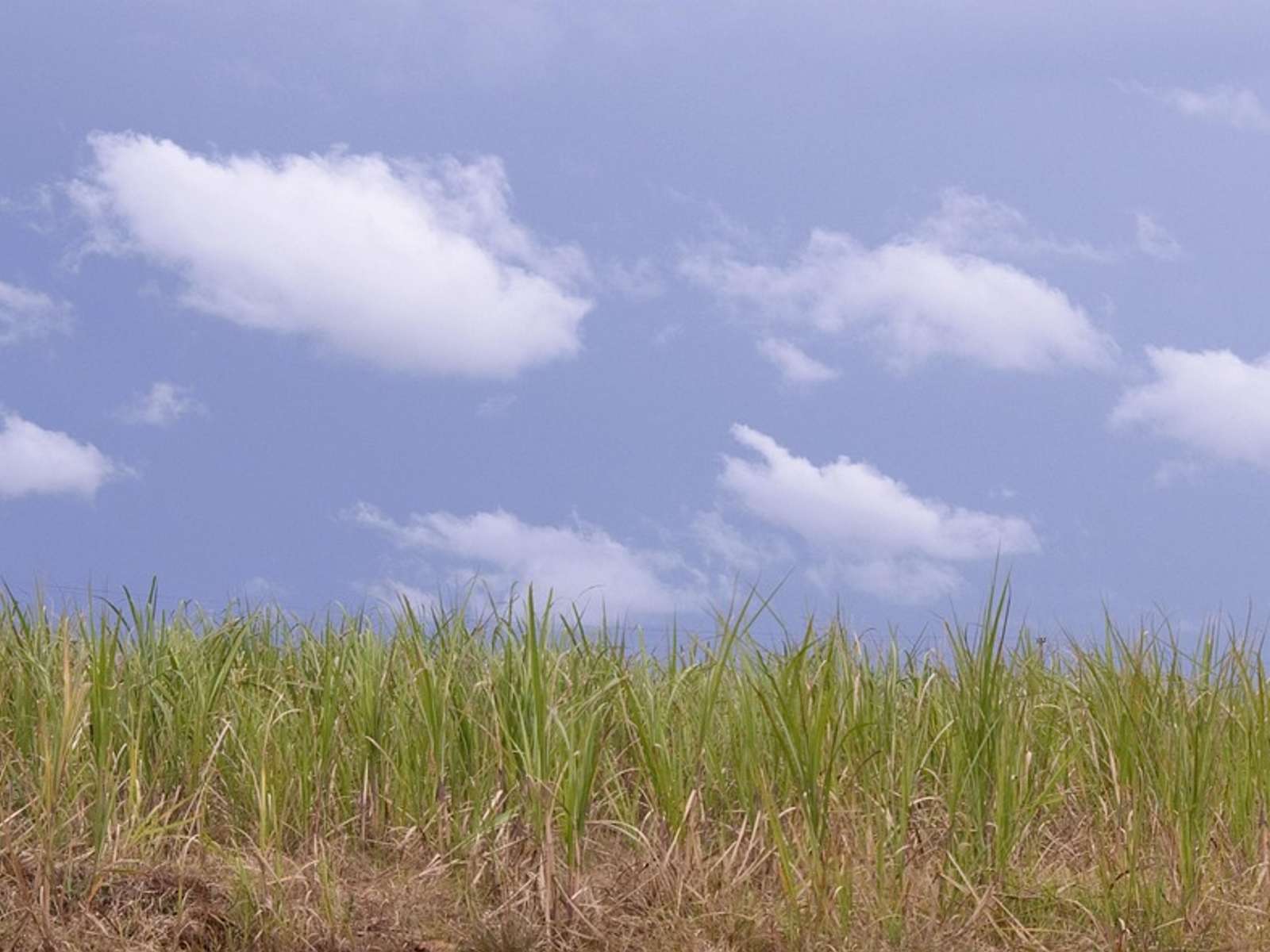
Researchers at the University of São Paulo found an enzyme in sugarcane roots that, added to a commercial enzyme mix, raised sugar release from cane waste by up to six times in the lab. The target is cheaper second-generation ethanol.

MIT engineers built a soft silicone sheet with light-carrying rubber fibers that rebuilds its own shape on screen almost in real time. They hope it could one day help physical therapists track patients' movement.
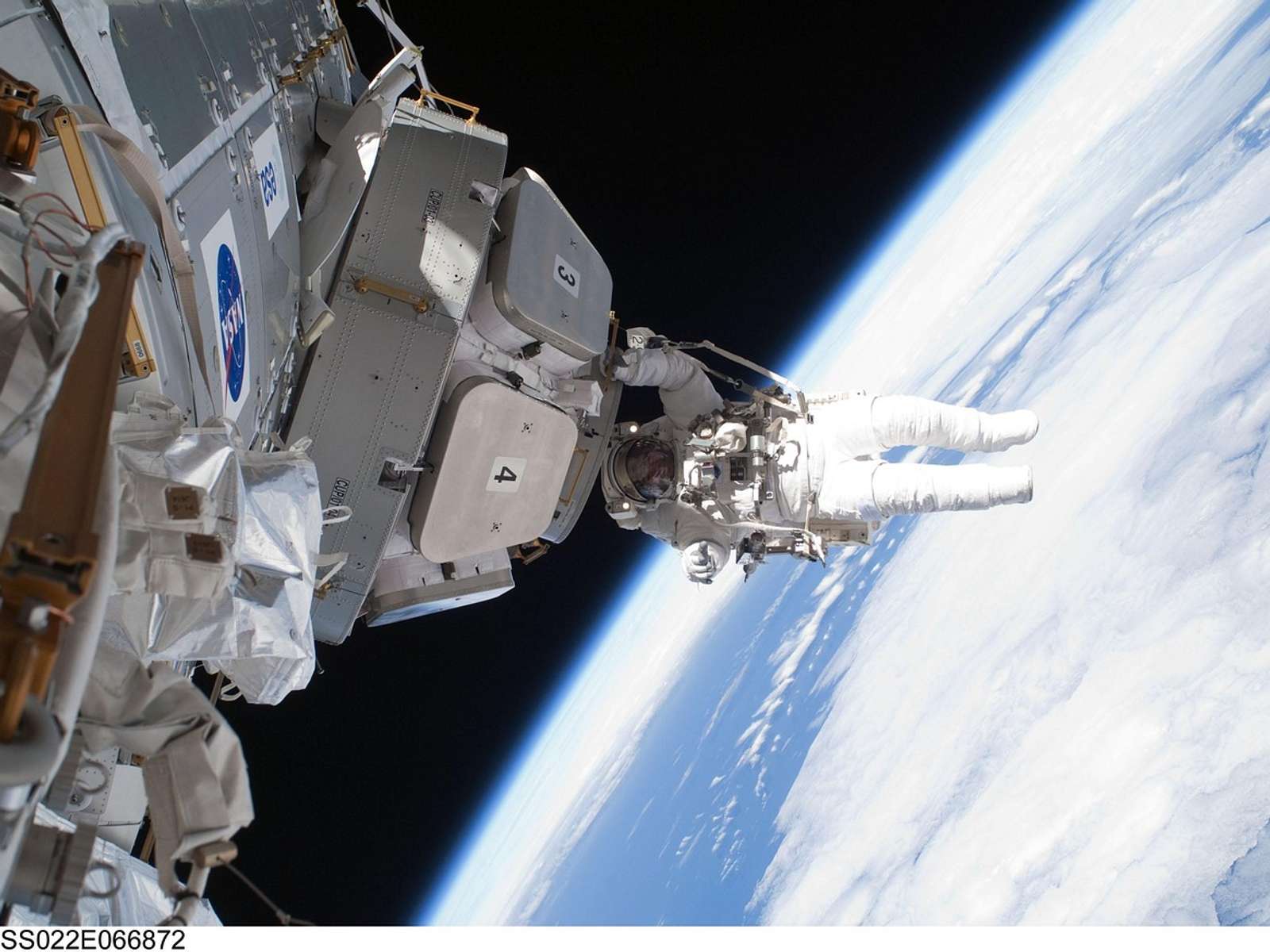
French ESA astronaut Sophie Adenot has returned from her first mission, εpsilon, after 237 days in space: the longest single spaceflight by a European astronaut, with three spacewalks and 35 European experiments.
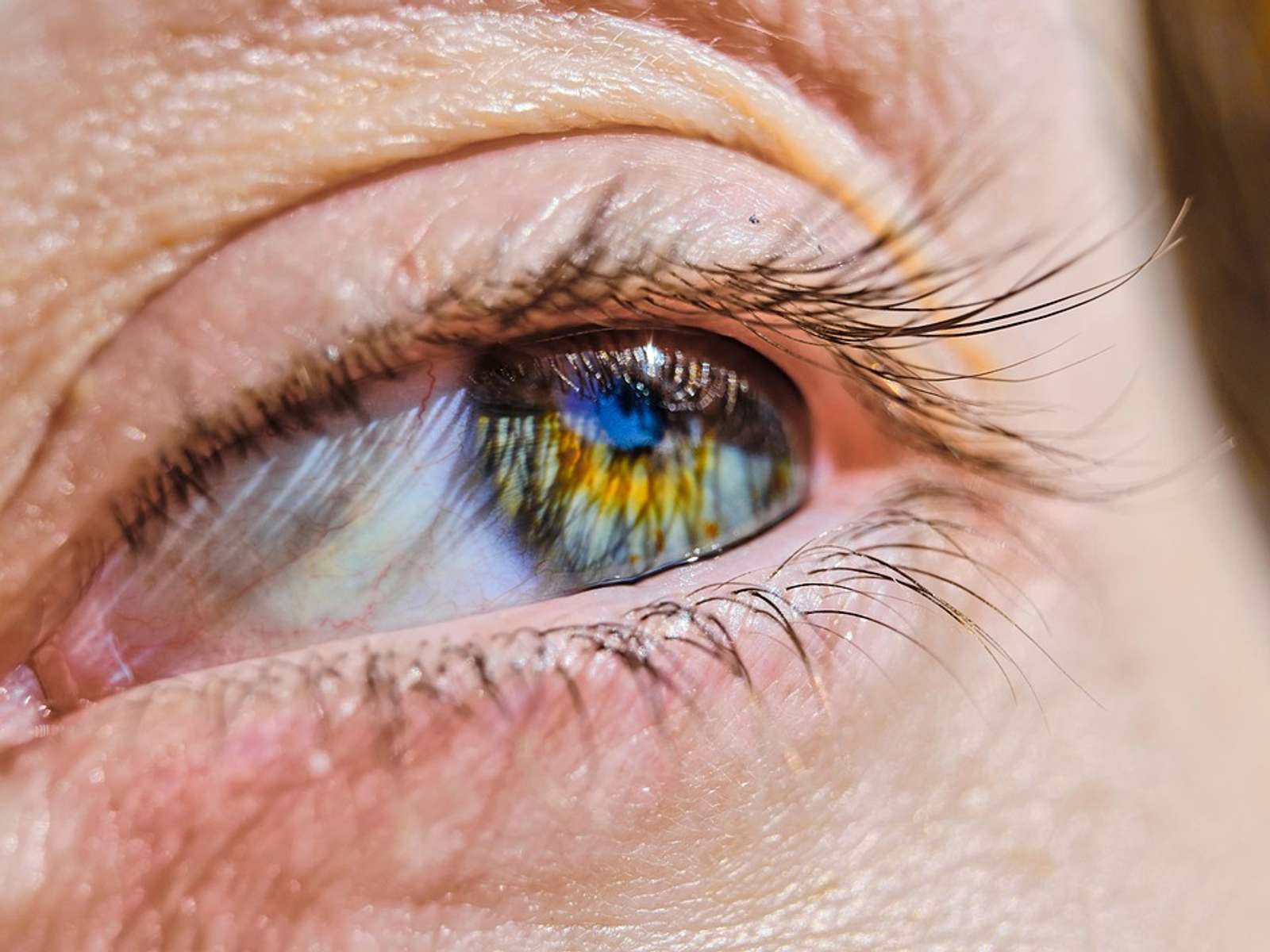
In the first group of blind patients treated with optogenetic therapy, the treatment was safe in all 10 and six gained clinically meaningful light sensitivity. It did not restore normal sight.
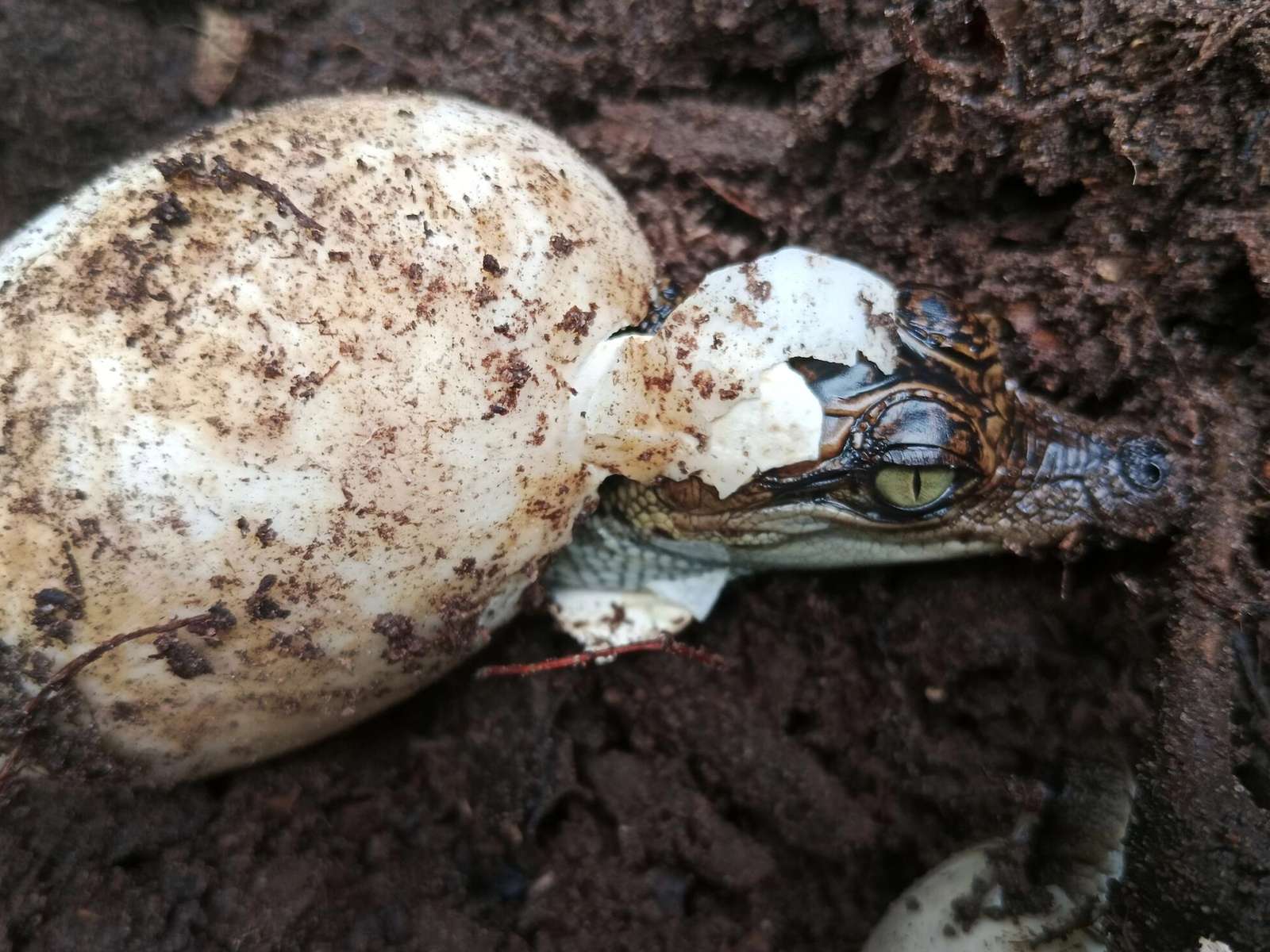
Cambodia has set aside 315 hectares of marsh in the Cardamom Mountains as its first genetic conservation area for an animal species. The site holds more than 40 wild Siamese crocodiles, the largest known wild group.
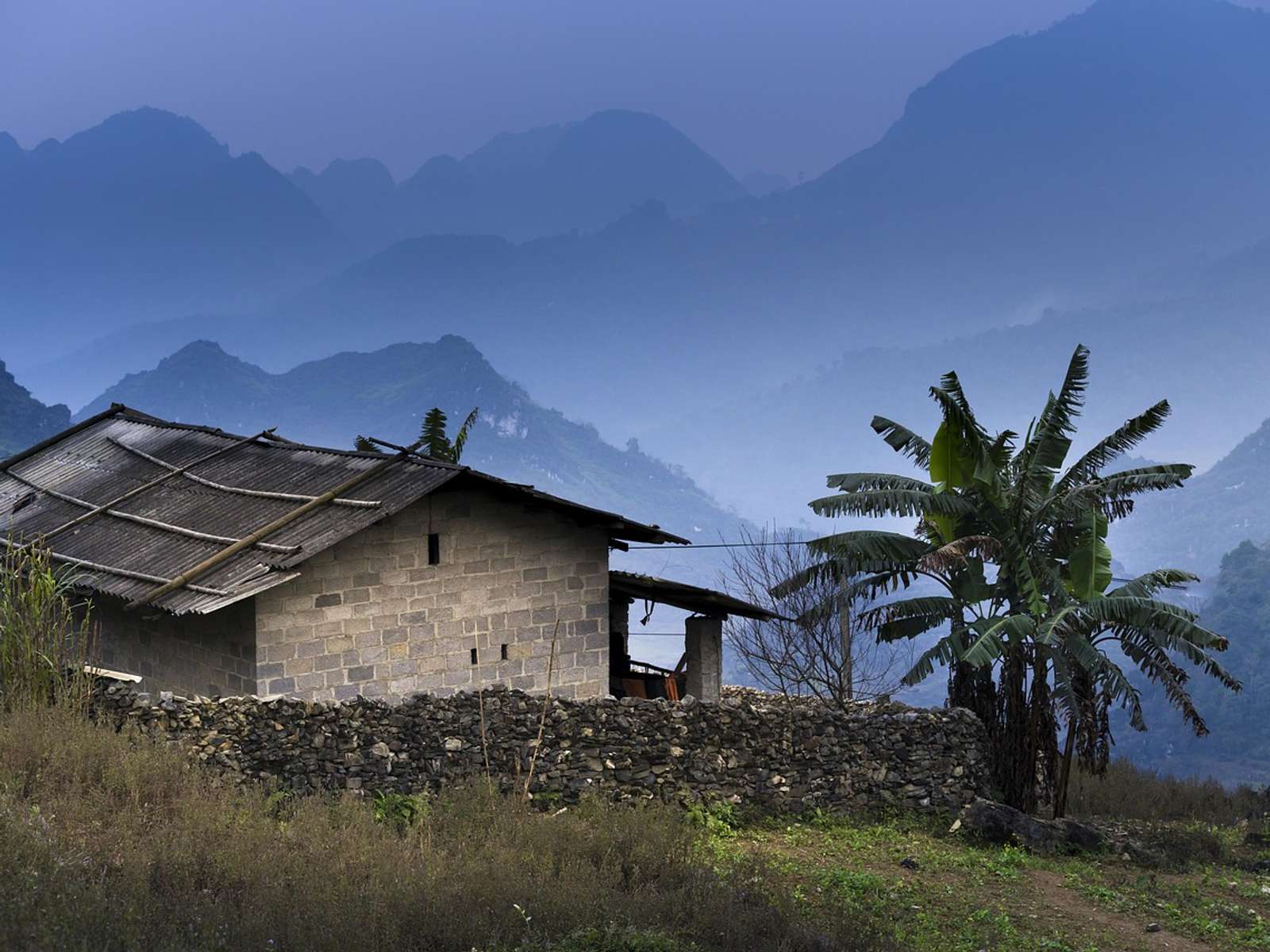
An Australia-funded UNDP recovery project in Thái Nguyên province has built 20 flood-resilient homes, repaired 100 more and given cash aid to 1,340 households after the 2025 typhoons Bualoi and Matmo.
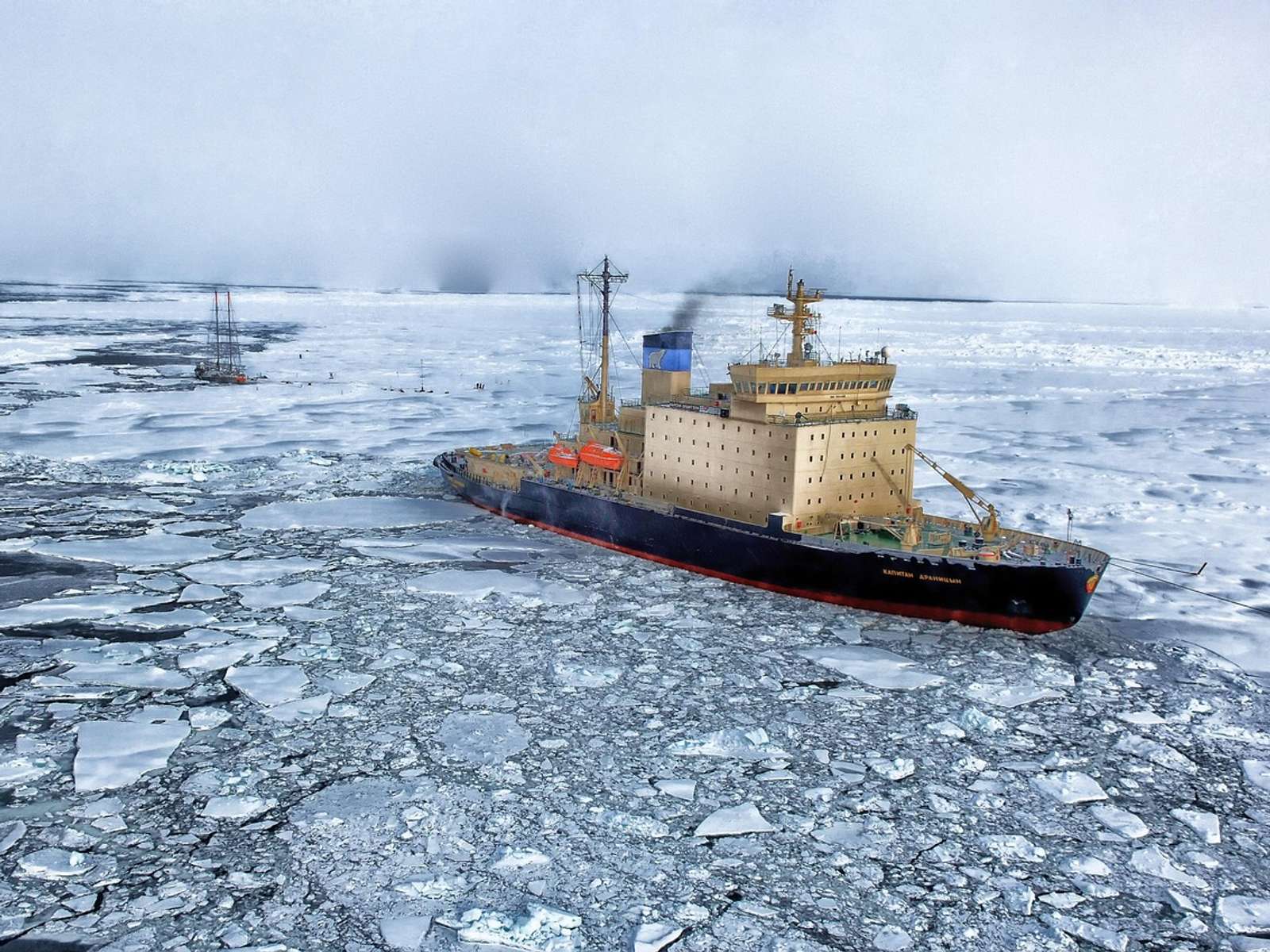
Researchers at NYU Abu Dhabi built a forecasting method that uses only the historical record of Arctic sea ice. It predicts ice extent up to nine months ahead about as well as far more complex models.
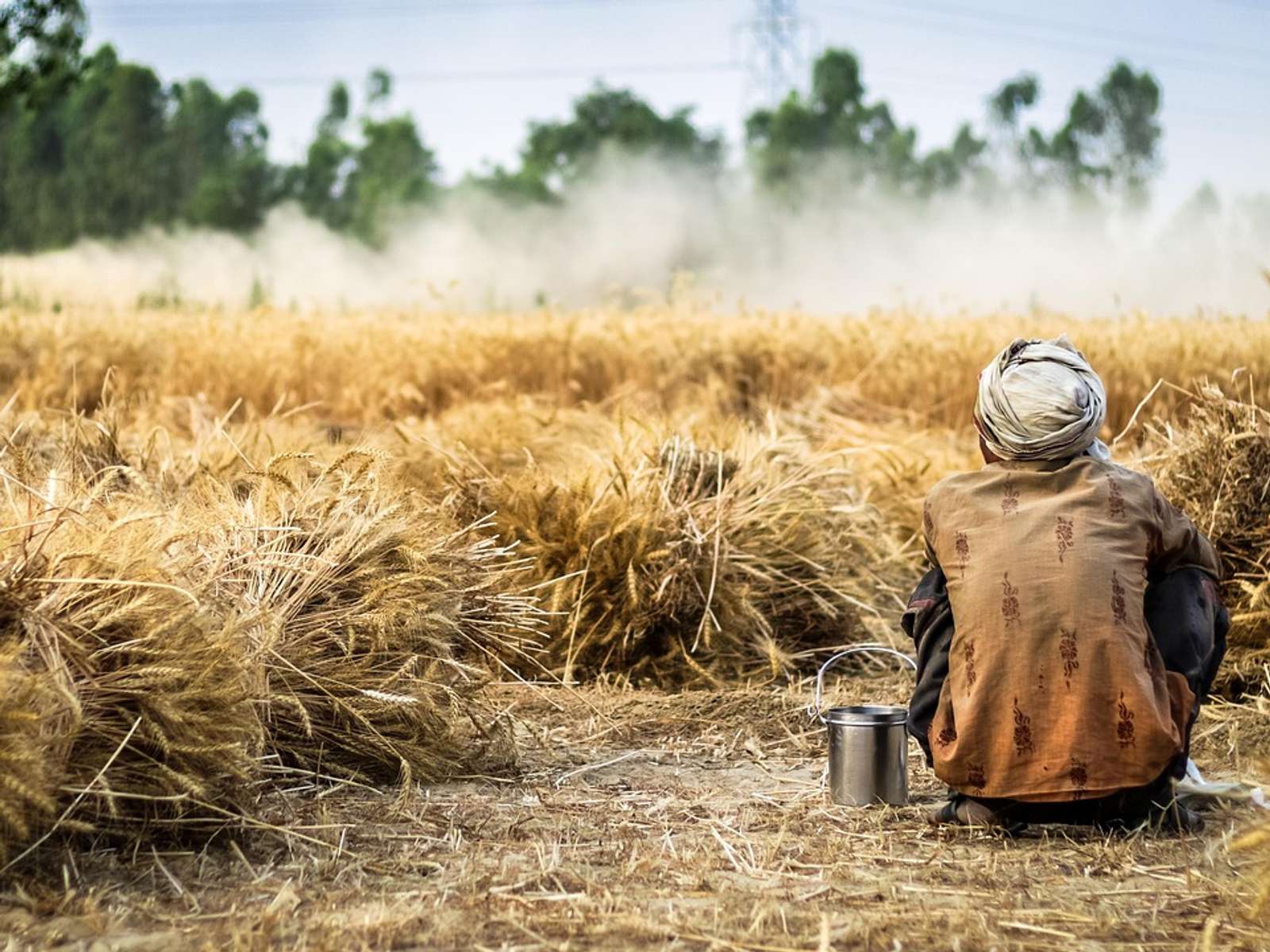
A new €10 million agreement between the EU, UNDP and FAO will spend 42 months helping Yemeni farmers, food businesses and local institutions build climate-resilient value chains and lasting jobs.
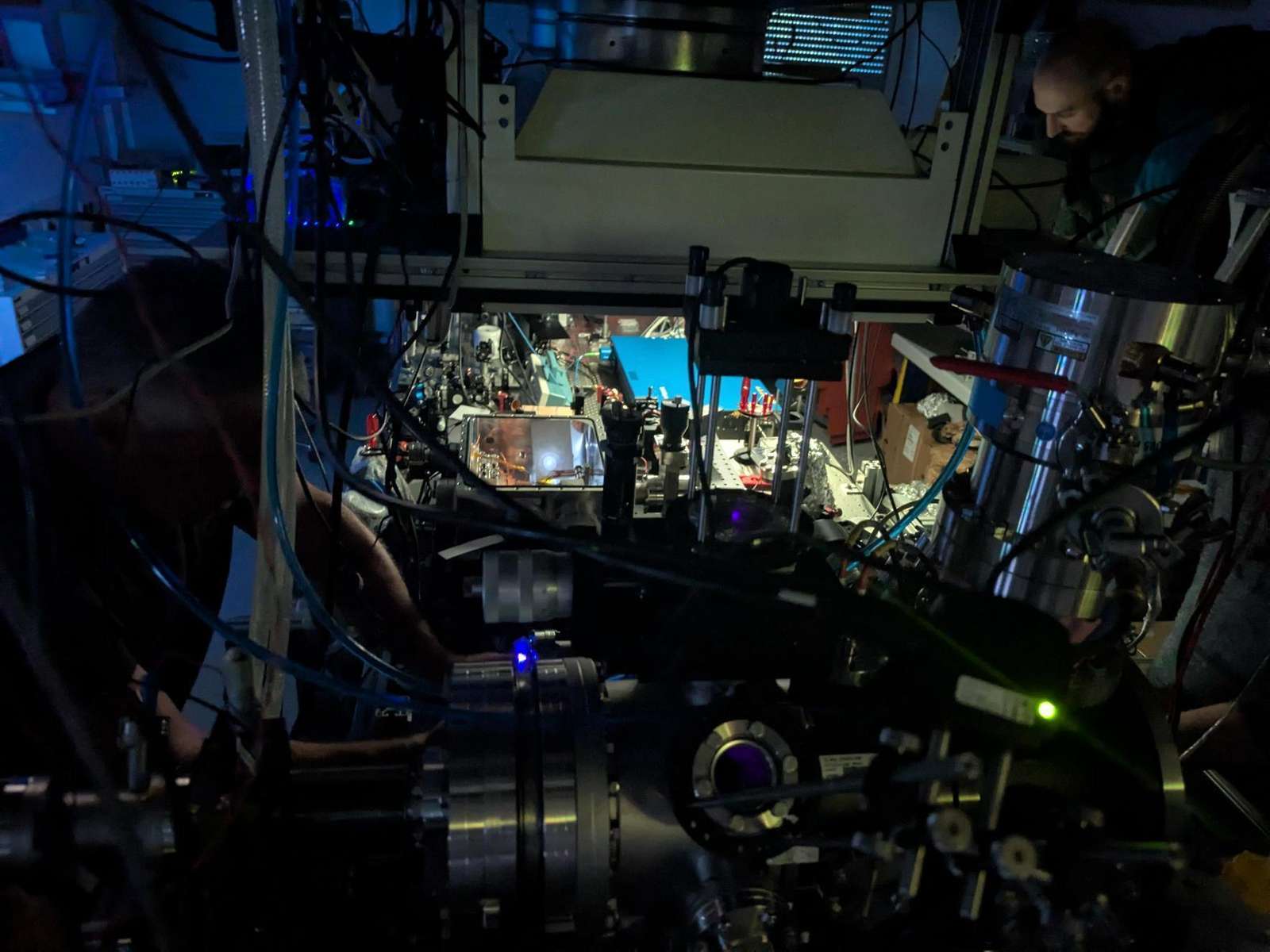
A team from TU Wien and Germany's PTB has built a thorium nuclear clock that stabilizes itself, with a precision equal to an error of about one second in 30 million years. It ran for more than a day on its own.
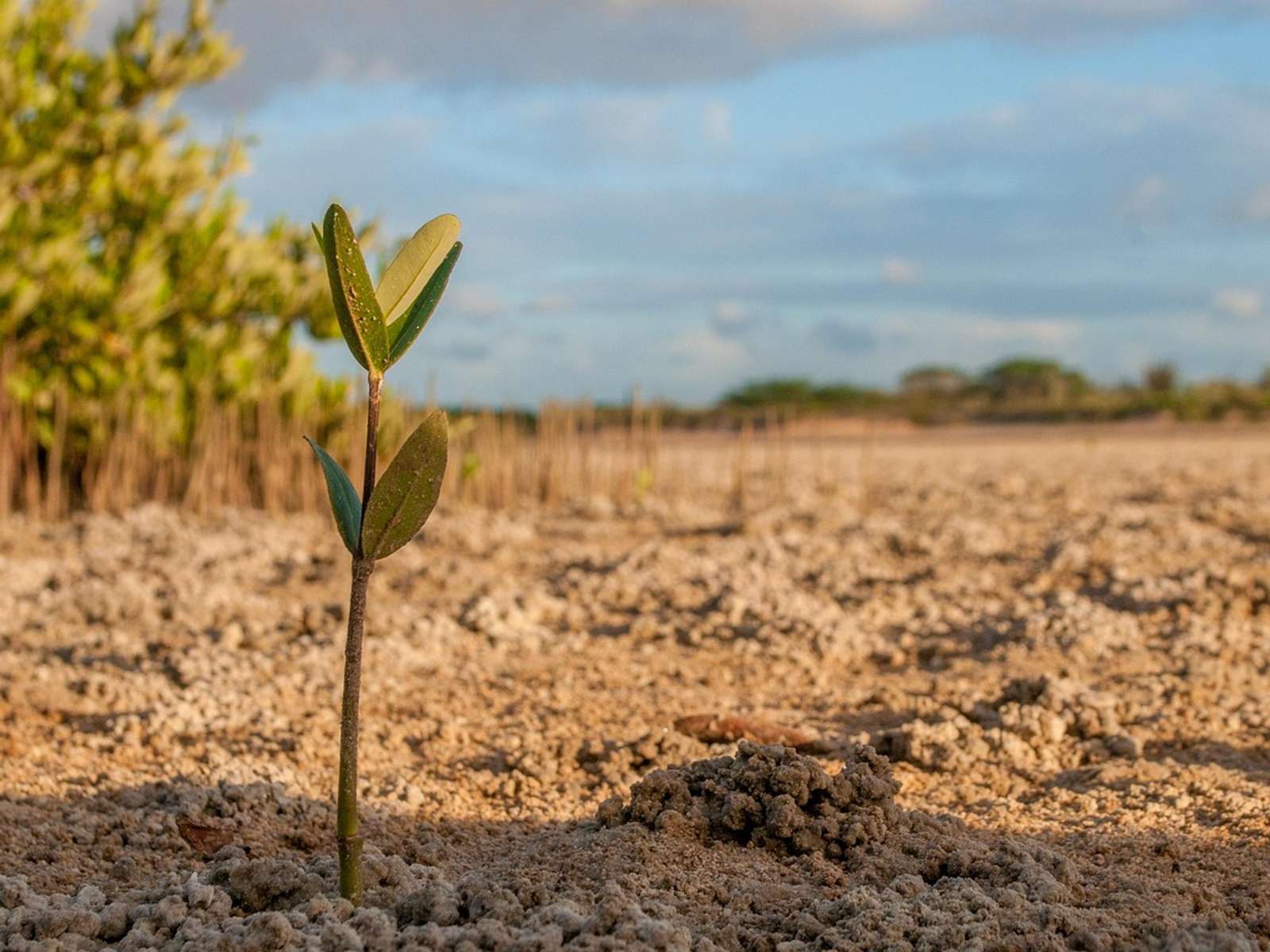
A youth-led network and local fishers have restored more than 15 hectares of degraded mangroves at Nyumba Sita in Kenya's Kwale County. They now aim for 200 hectares by 2030.
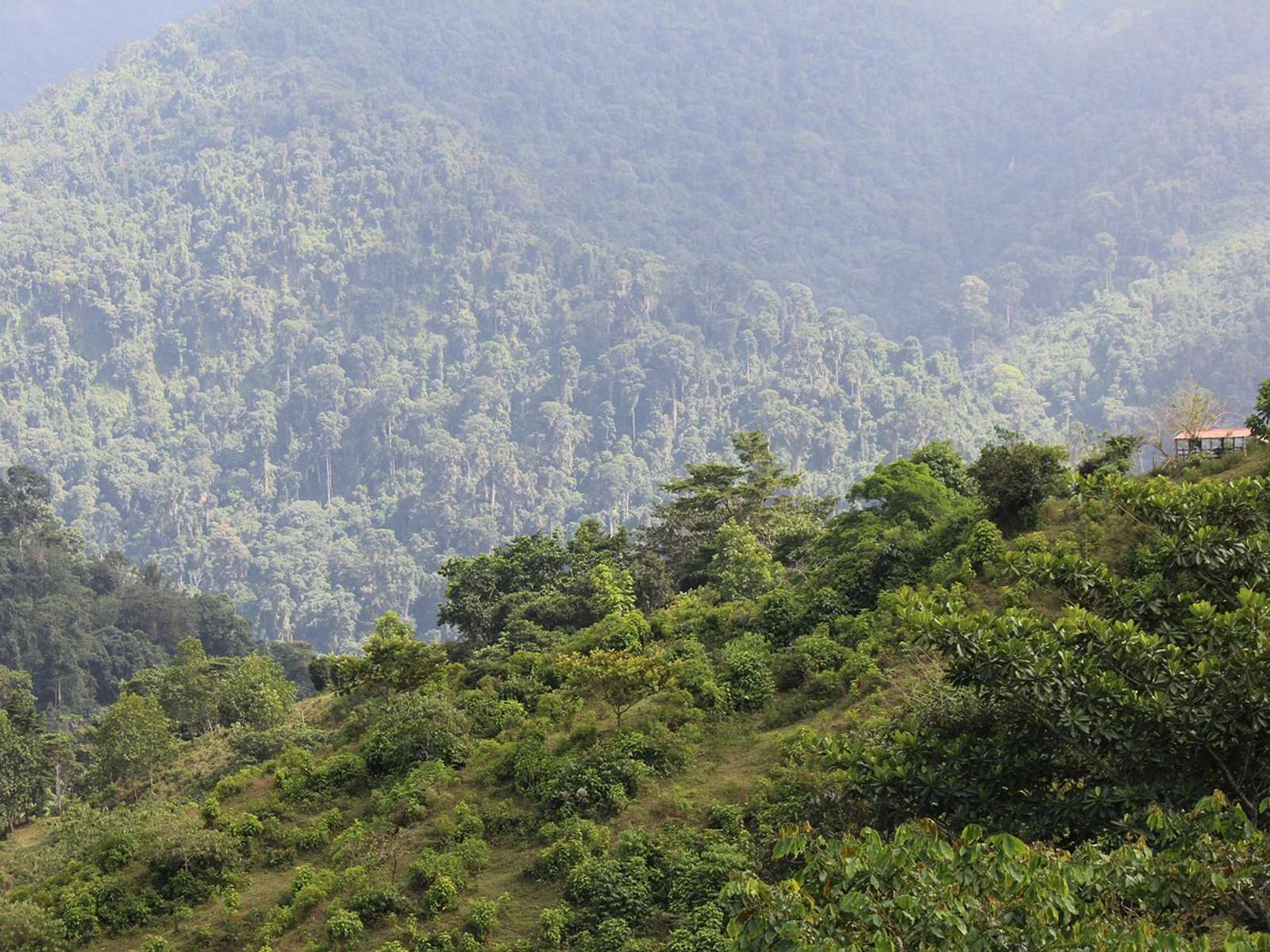
The HALO Trust will clear landmines from almost 18,000 hectares in Colombia's Meta region so two Indigenous communities can return to and guard their land. The three-year project costs about $1 million.
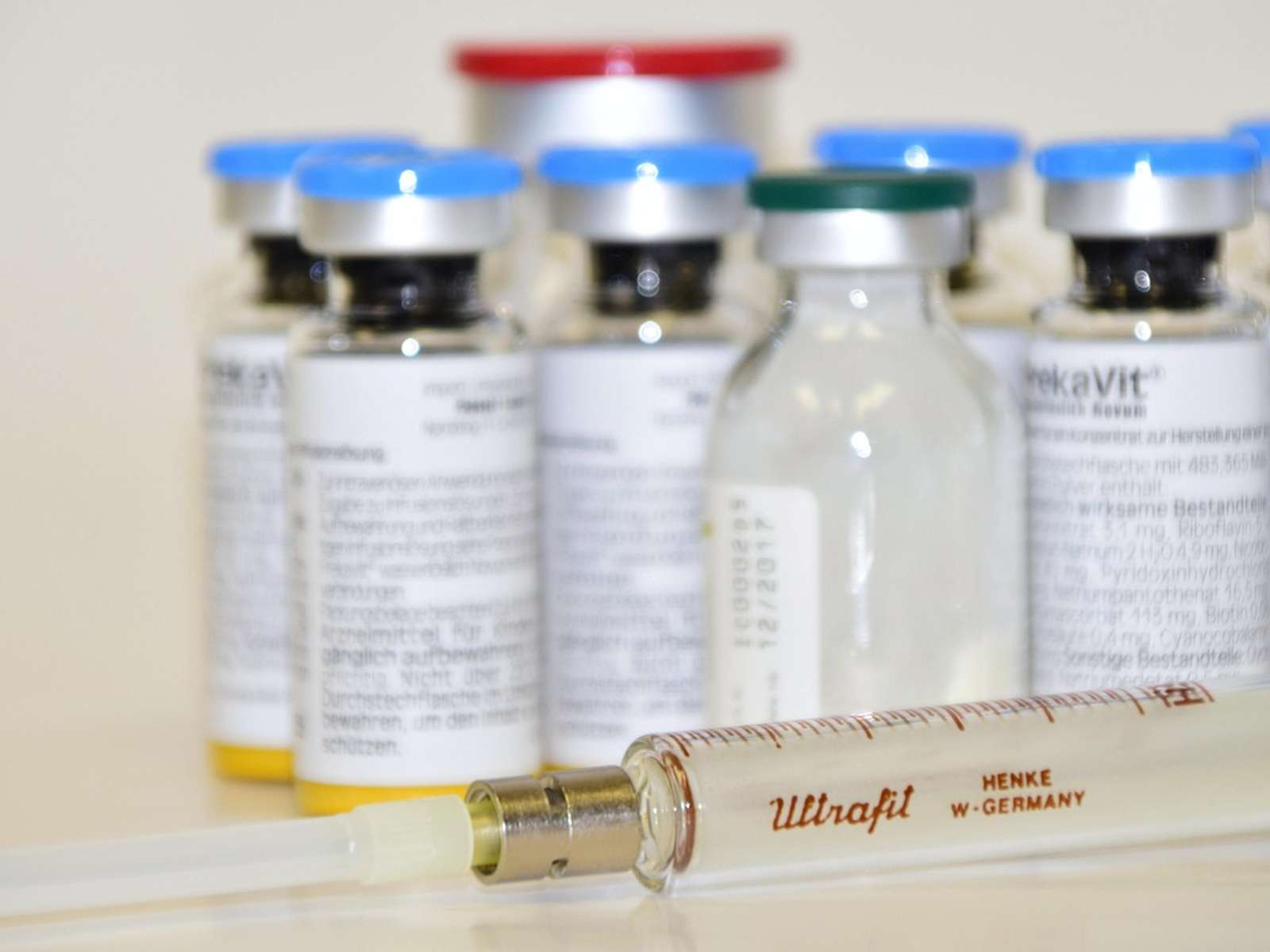
An AI-guided recipe kept mRNA vaccine particles stable for up to a year at room temperature and two months near body heat. The results so far come from cell and mouse studies.
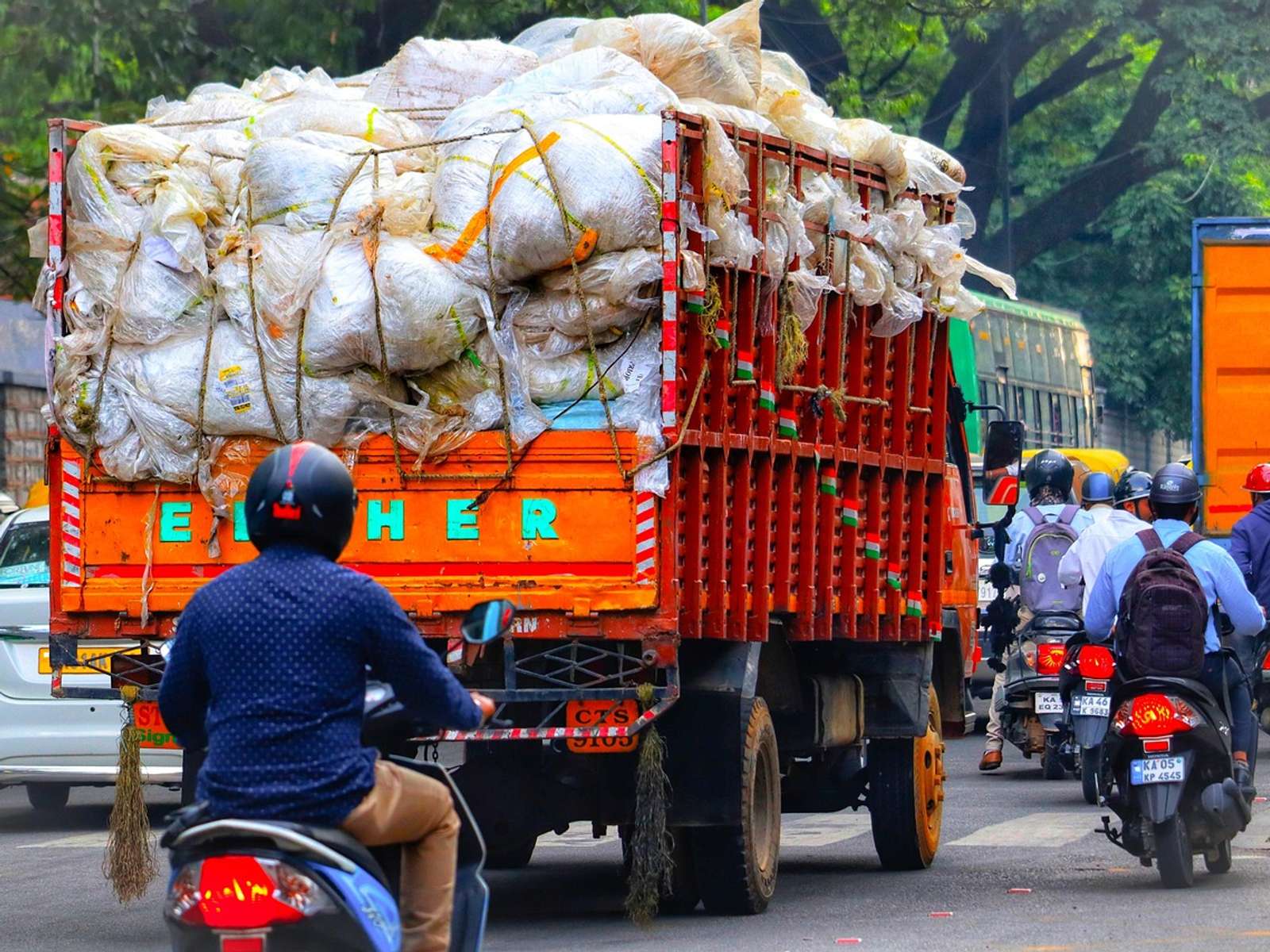
Mekala Nancharamma, a former waste picker in Guntur, India, now earns about ₹18,000 a month instead of ₹8,000 after a government scheme helped her group buy a tractor-mounted drain cleaner.
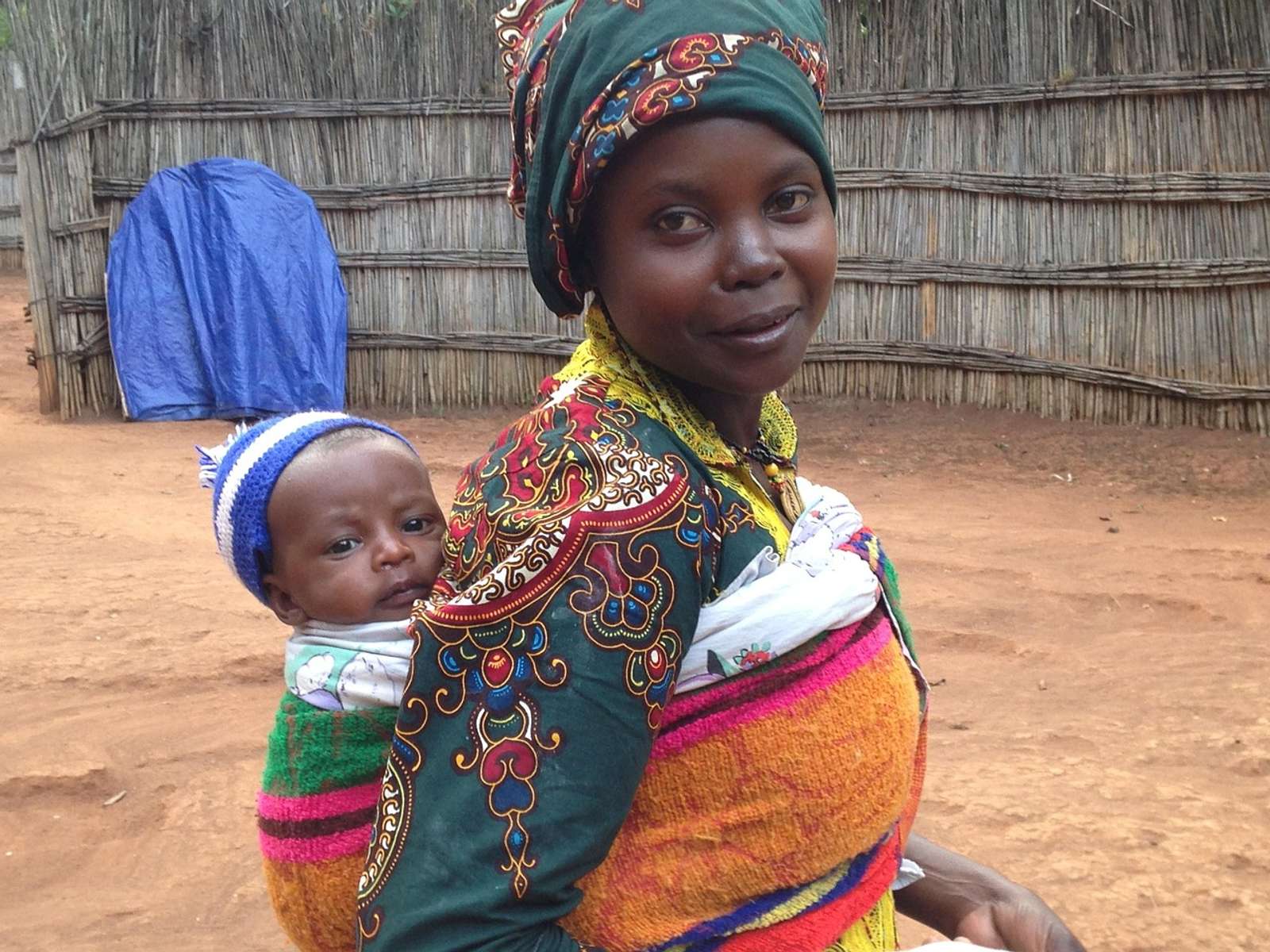
In Jowhar, Somalia, community health worker Nafiso Ibrahim Ali visits homes every day to screen children for malnutrition and refer those who need it to treatment, UNICEF reports.
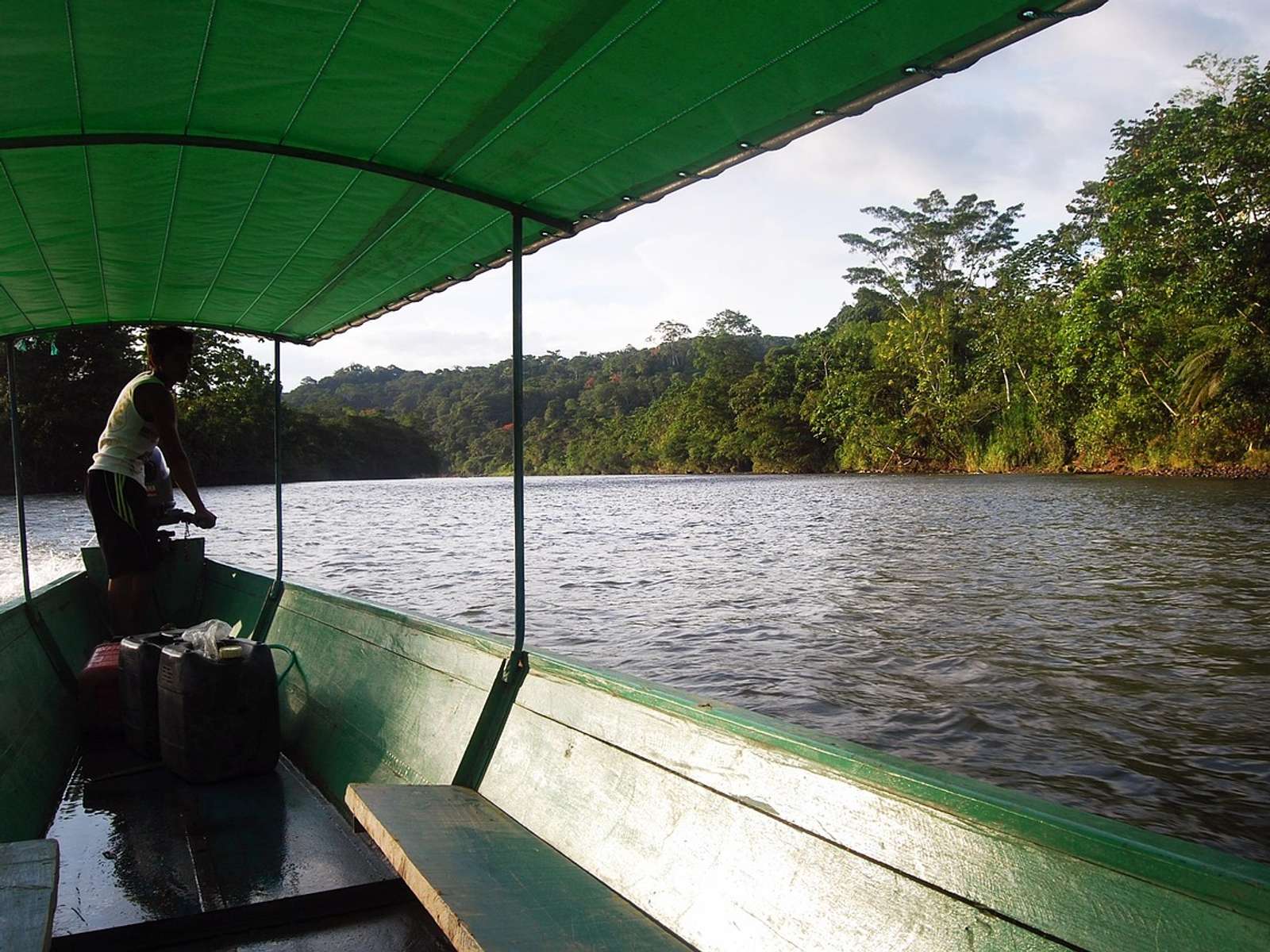
Young Kichwa, A'i Cofán, Shuar and Sapara artists in Ecuador's Amazon are rapping in their own languages about oil and mining threats, and one track has passed 400,000 views on TikTok in a month.
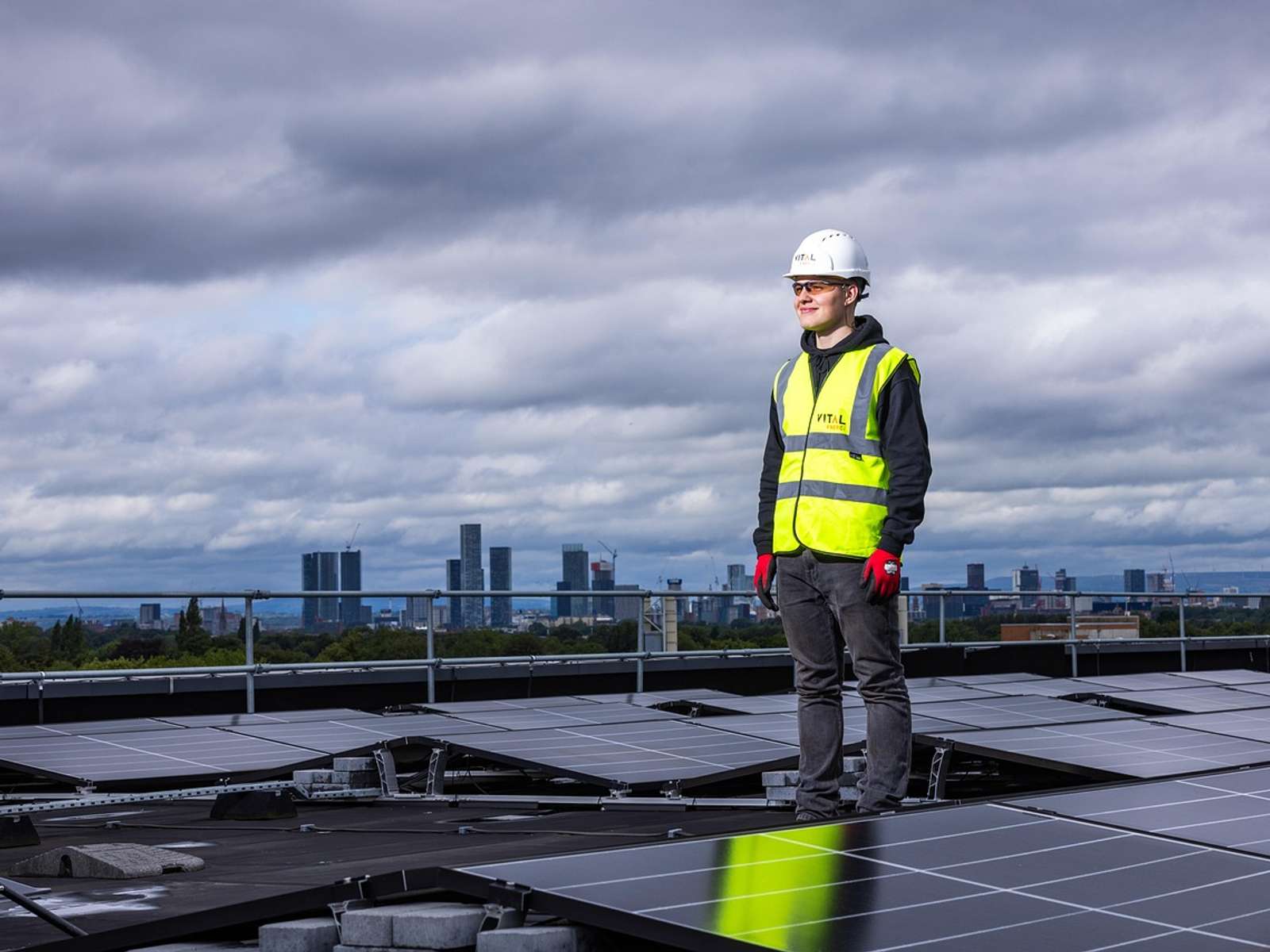
Australia's REnew Pacific program announced three solar projects for remote schools and communities in Fiji and Papua New Guinea that will give more than 75,000 people clean, reliable electricity.
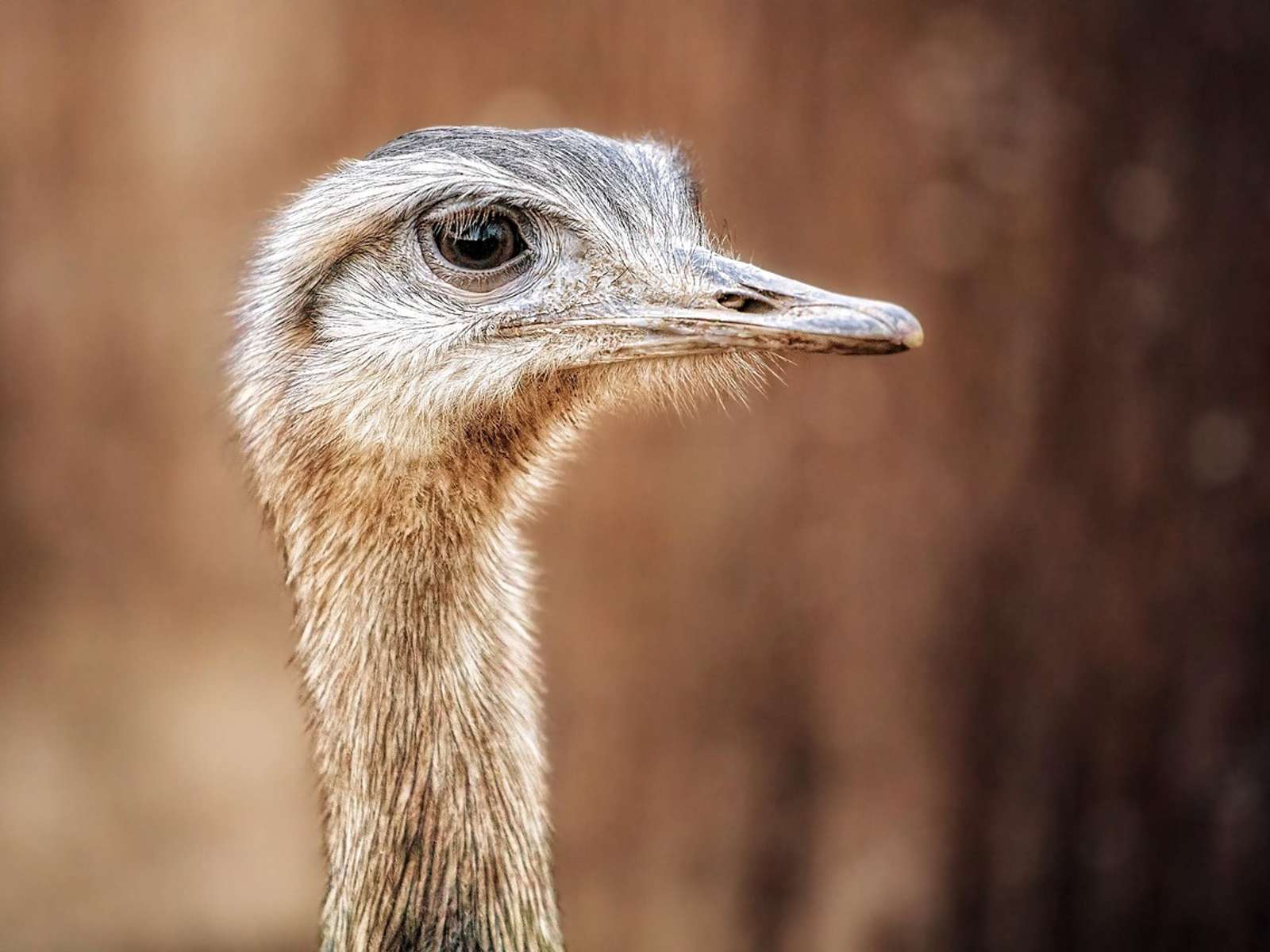
Rewilding Chile and its partners released 39 young Darwin's rheas into Patagonia National Park in March and April, part of a recovery program that began in 2014 for this endangered flightless bird.
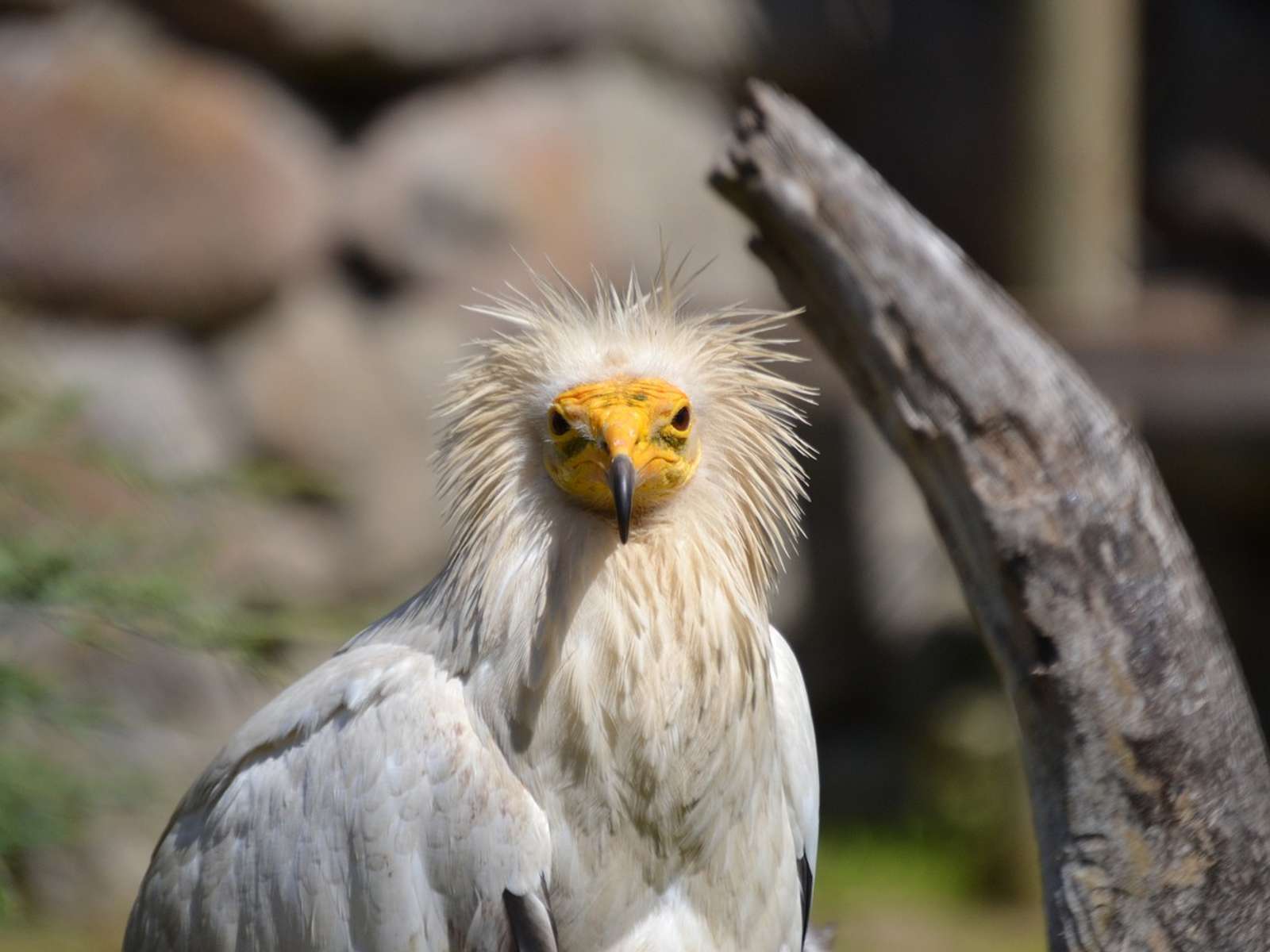
LIFE EV Safe Return, led by BirdLife Bulgaria with 15 partners, plans to release at least 40 Egyptian vultures in Bulgaria and Greece and tackle poisoning, poaching and electrocution along their 5,000 km migration.