Every story we have published, newest first. 380 stories so far.
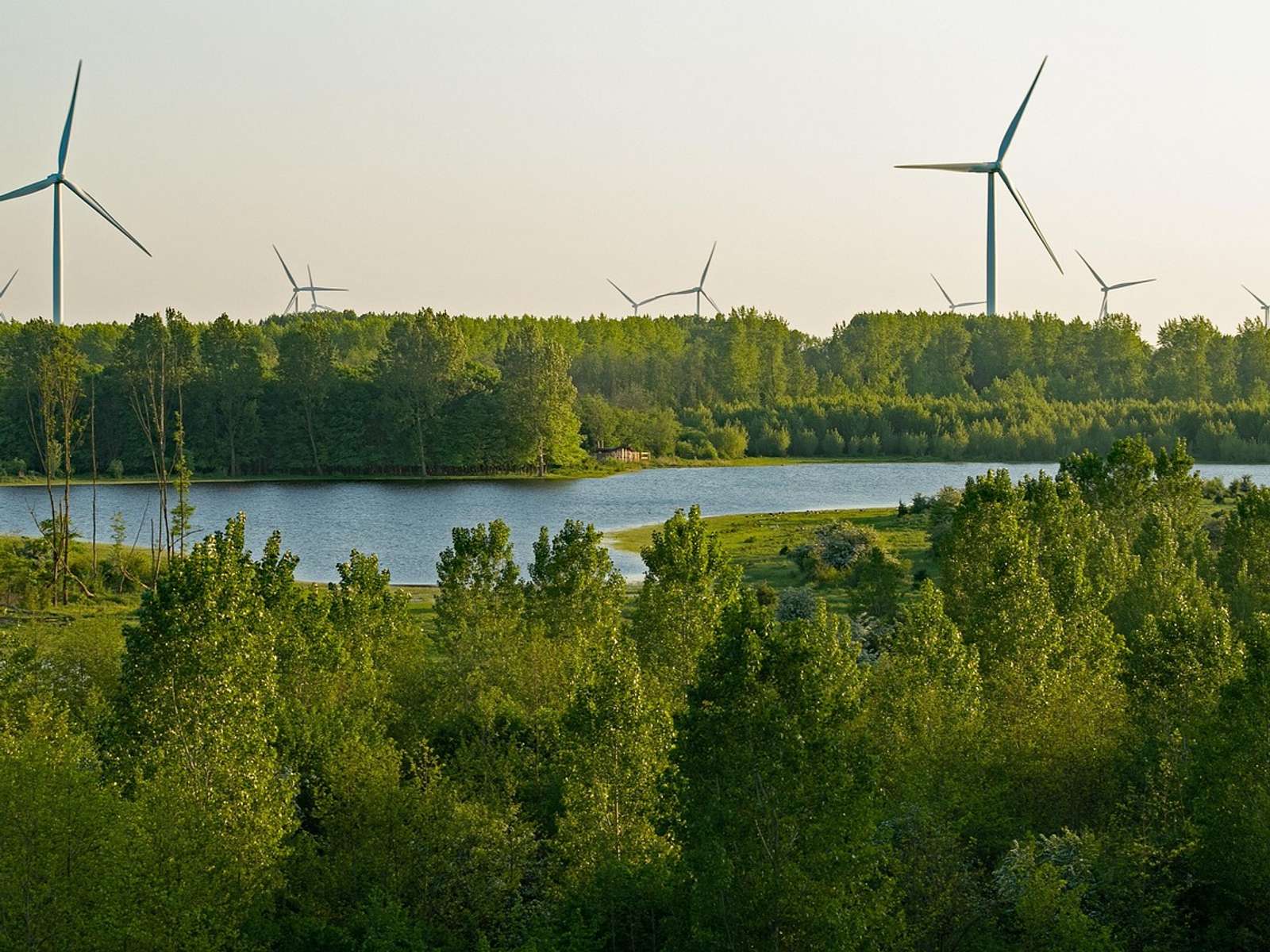
A 13-year experiment at the El Ruedo wind farm in Cádiz, Spain, found that painting one of three blades black reduced bird deaths at those turbines by 74% compared with unpainted turbines.

Kew horticulturist Carlos Magdalena spotted an unfamiliar giant waterlily in an Instagram photo from Colombia. Five years later it has been named Victoria colombiana, and only 30 to 50 plants are thought to survive.
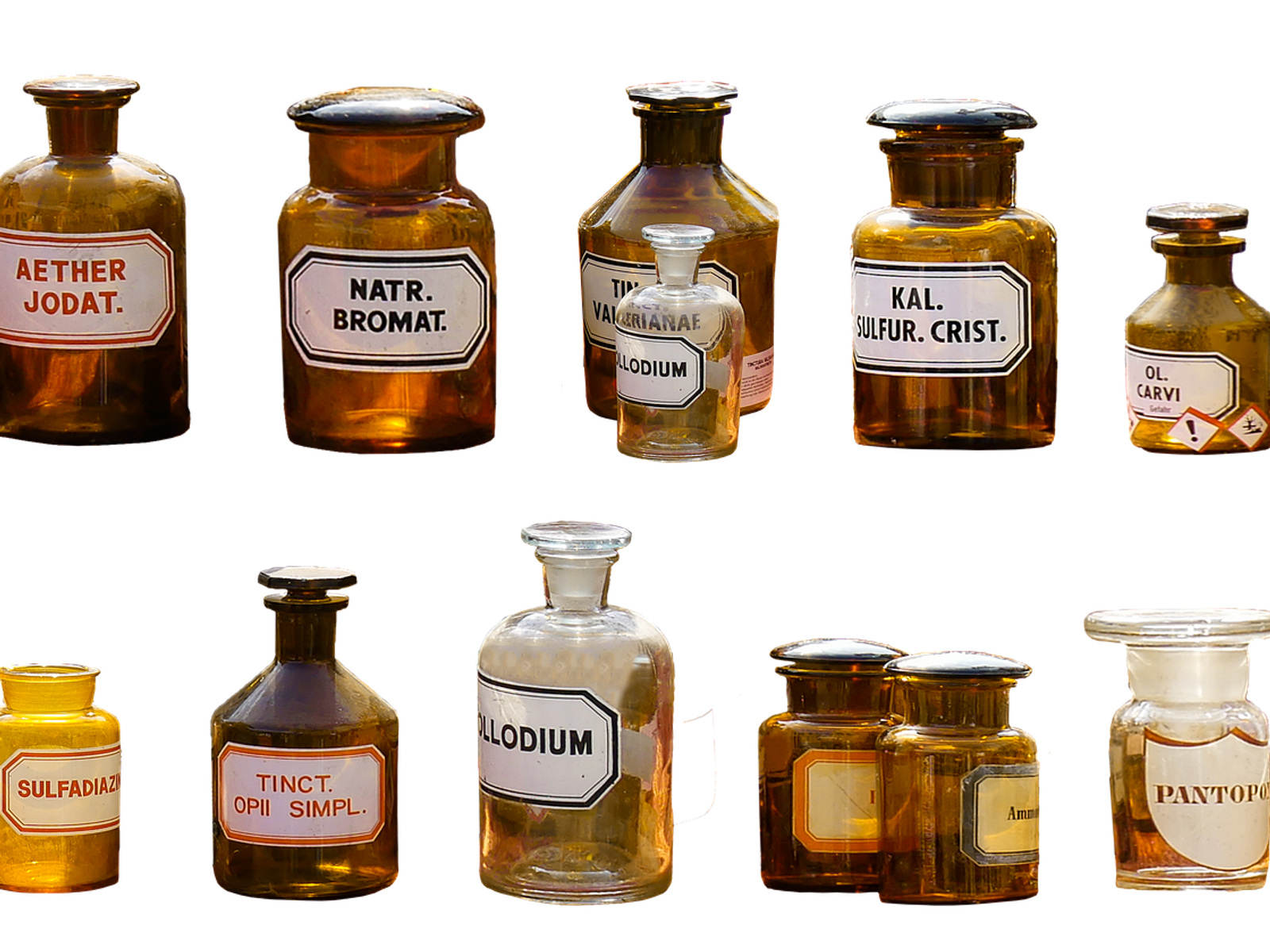
By tracking molecules as they were heated, chemists at Warwick and Birmingham found materials that normally vanish along the way, including a new form of the solar-fuel compound bismuth vanadate and an oxide that stores lithium.

Meeting in Dar es Salaam for the Nairobi Convention's 40th anniversary, ten countries adopted 15 decisions on plastic pollution, mangroves, seagrass, coral reefs and the blue economy.
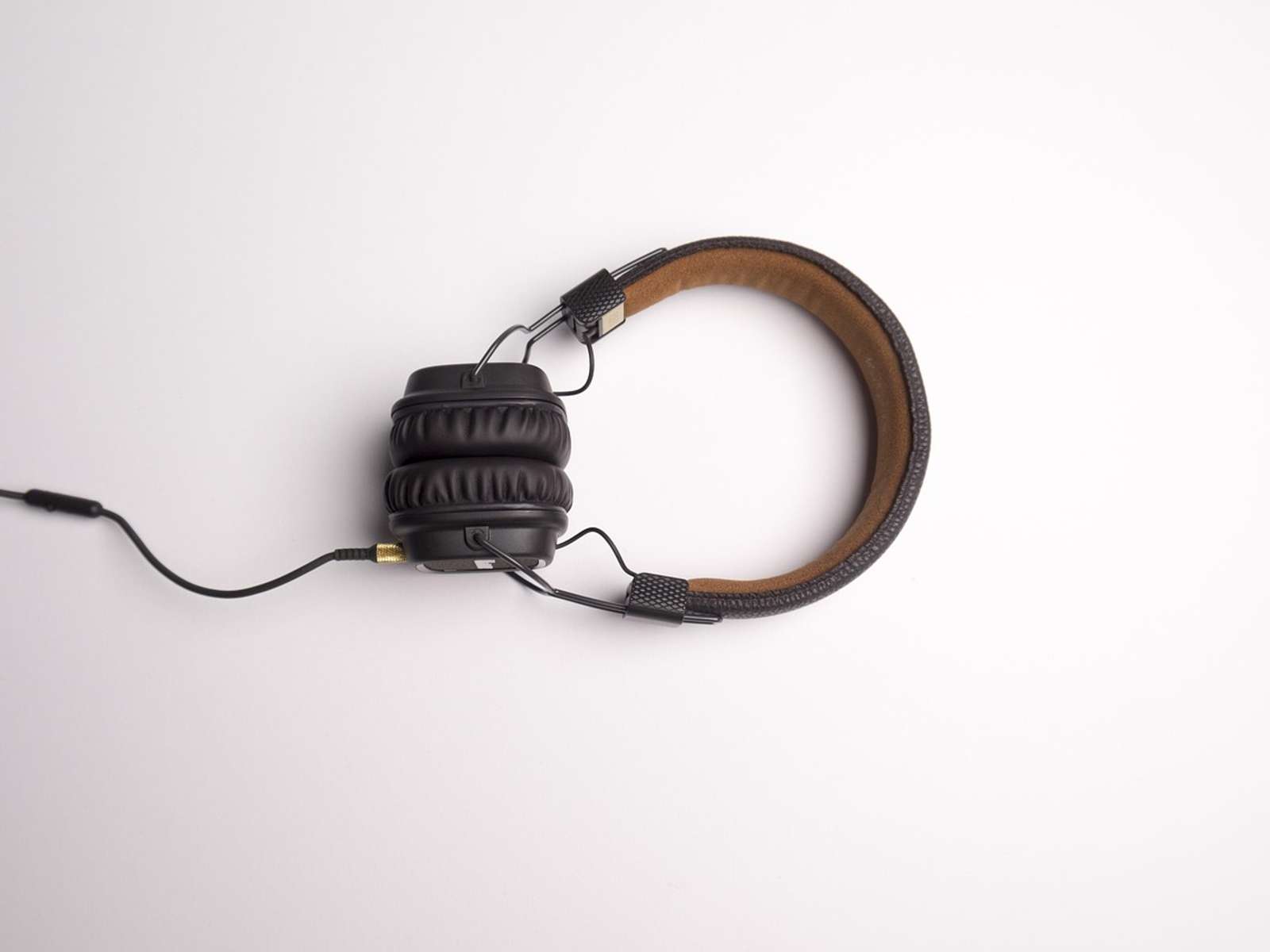
In a study of 204 patients having a cannula inserted before an MRI scan in Zurich, those who listened to their own favorite music reported the biggest reduction in pain.
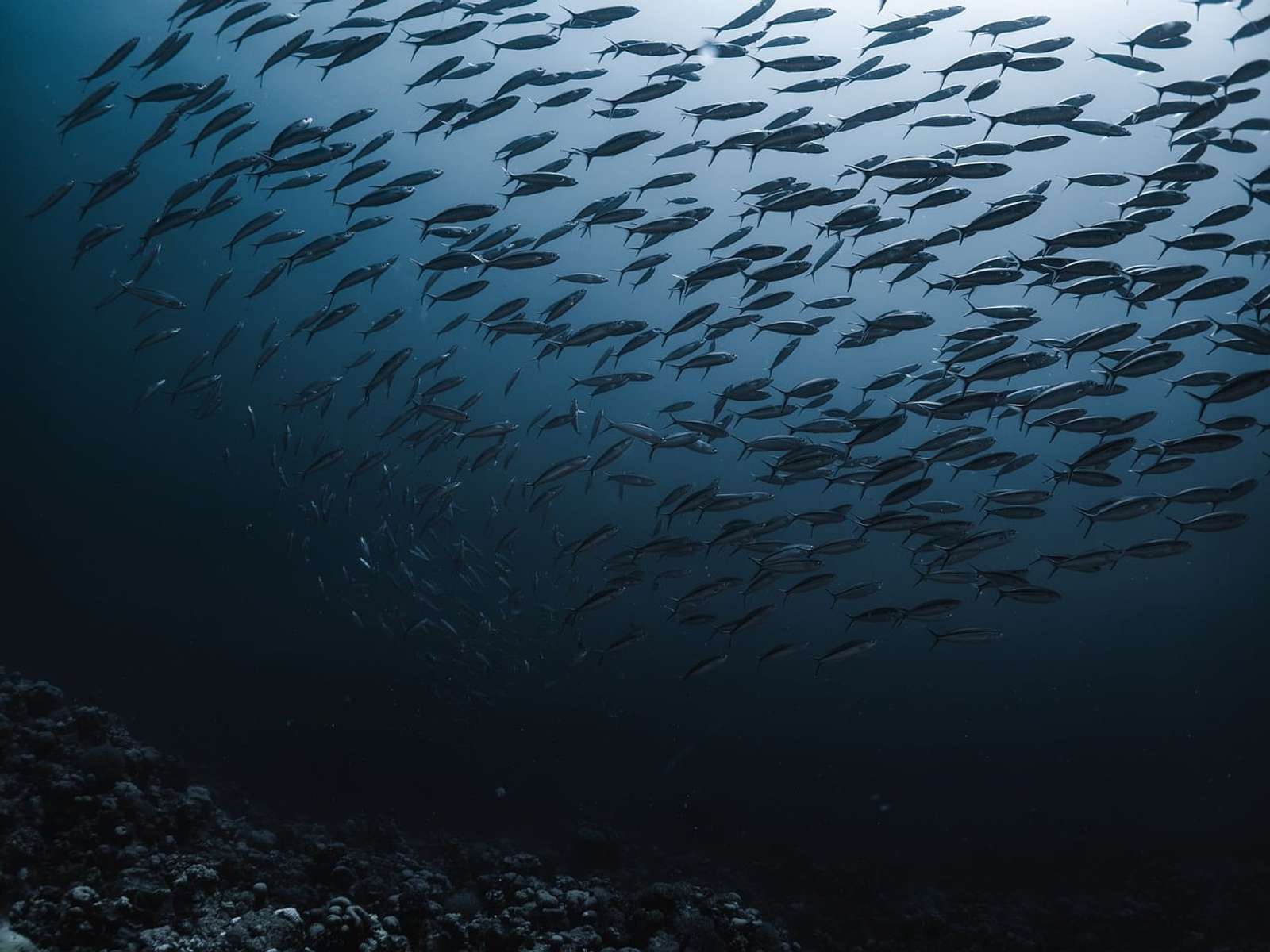
Field studies in Hawaii led by Scripps Institution of Oceanography found that broadcasting healthy reef sounds increased coral settlement near the speaker and drew 4 to 14 times more fish larvae.
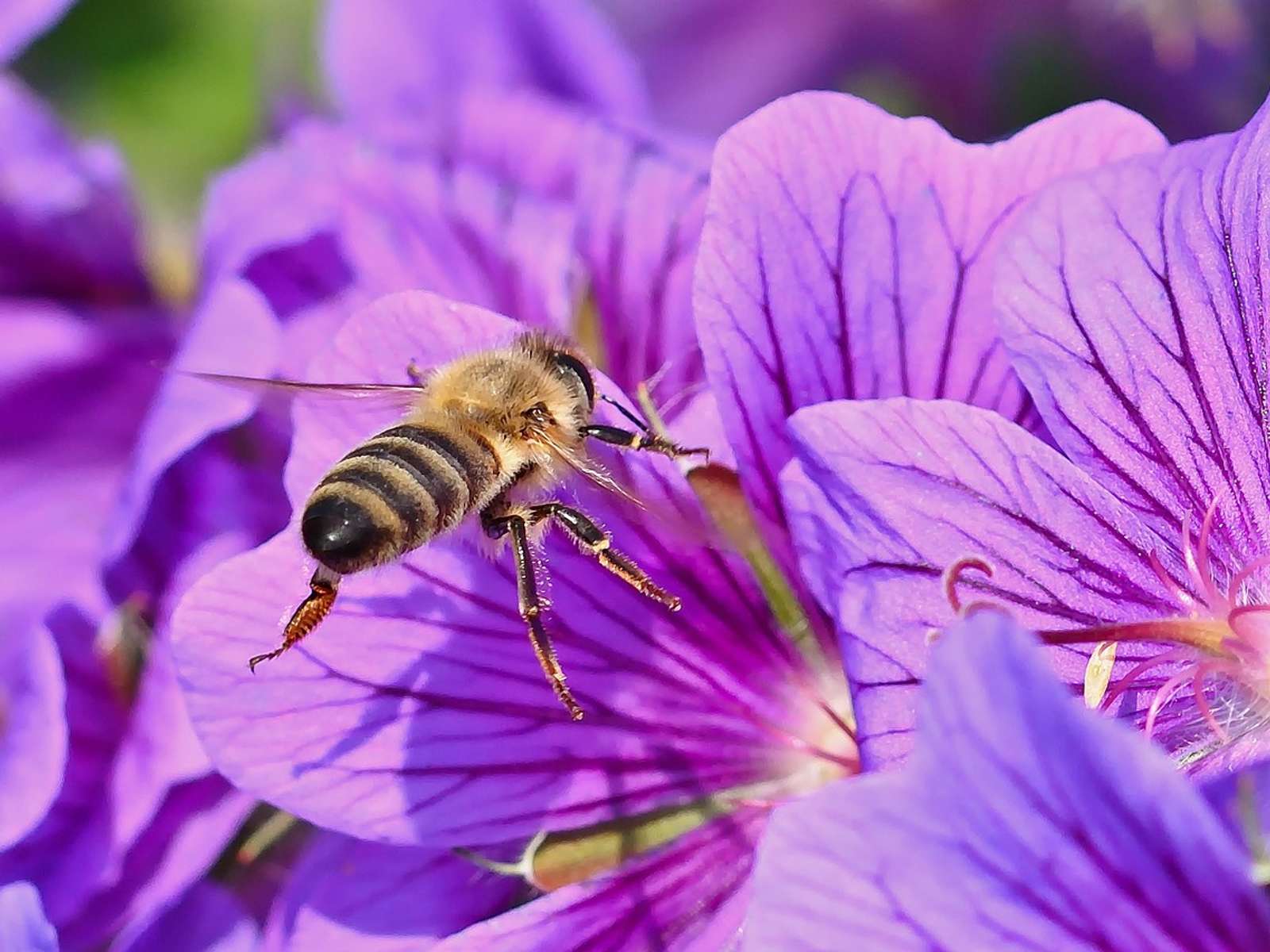
A team led by Penn State researchers documented 738 bee species in Colombia, including 246 never recorded there before, in the first annotated checklist of its kind for any country in the Western Hemisphere.
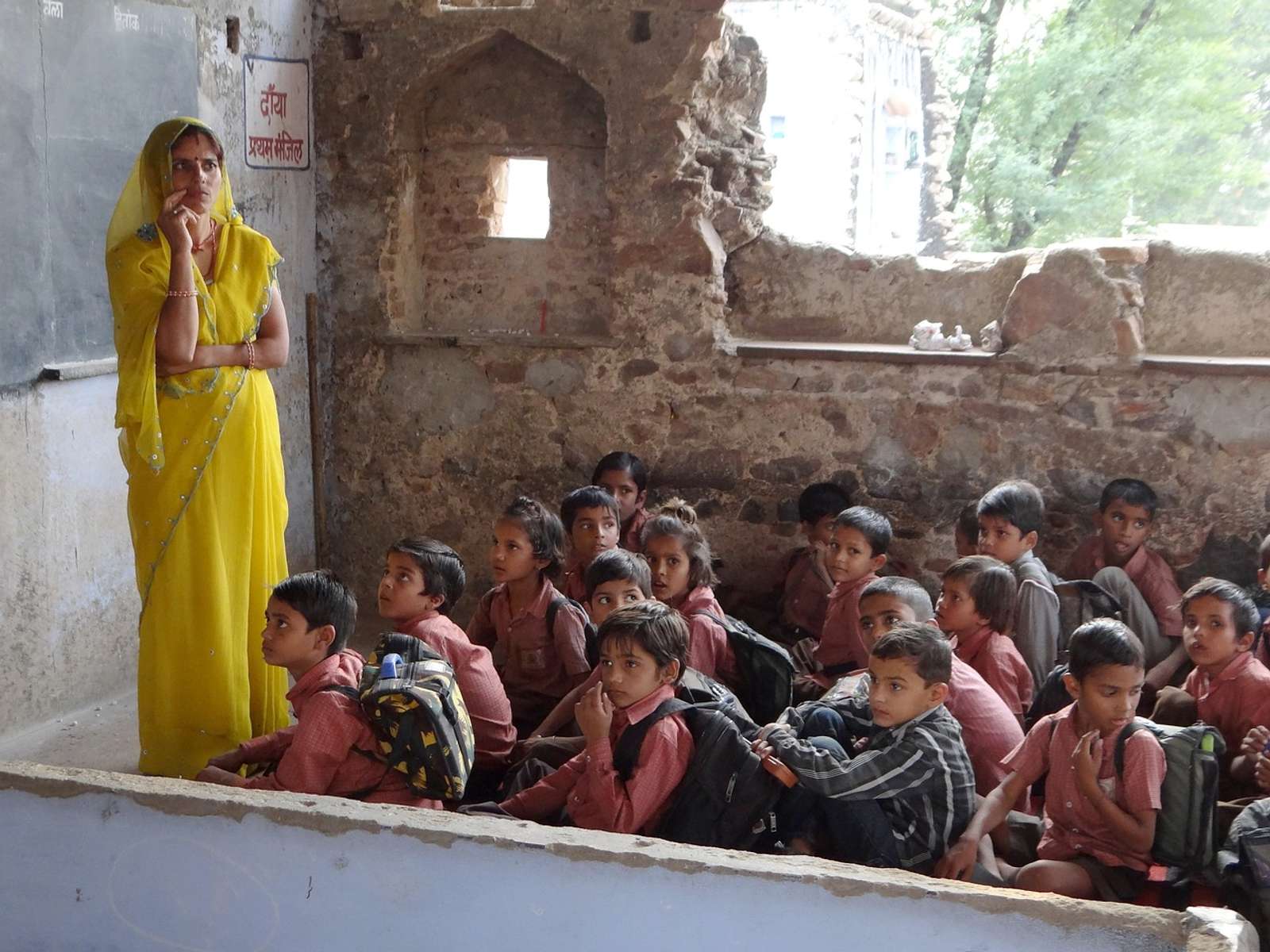
Shiksha Copilot, an AI system from Microsoft Research India evaluated with Cornell, saved more than 1,000 teachers in Karnataka about two hours a week, and about 30,000 teachers in Telangana now use it.
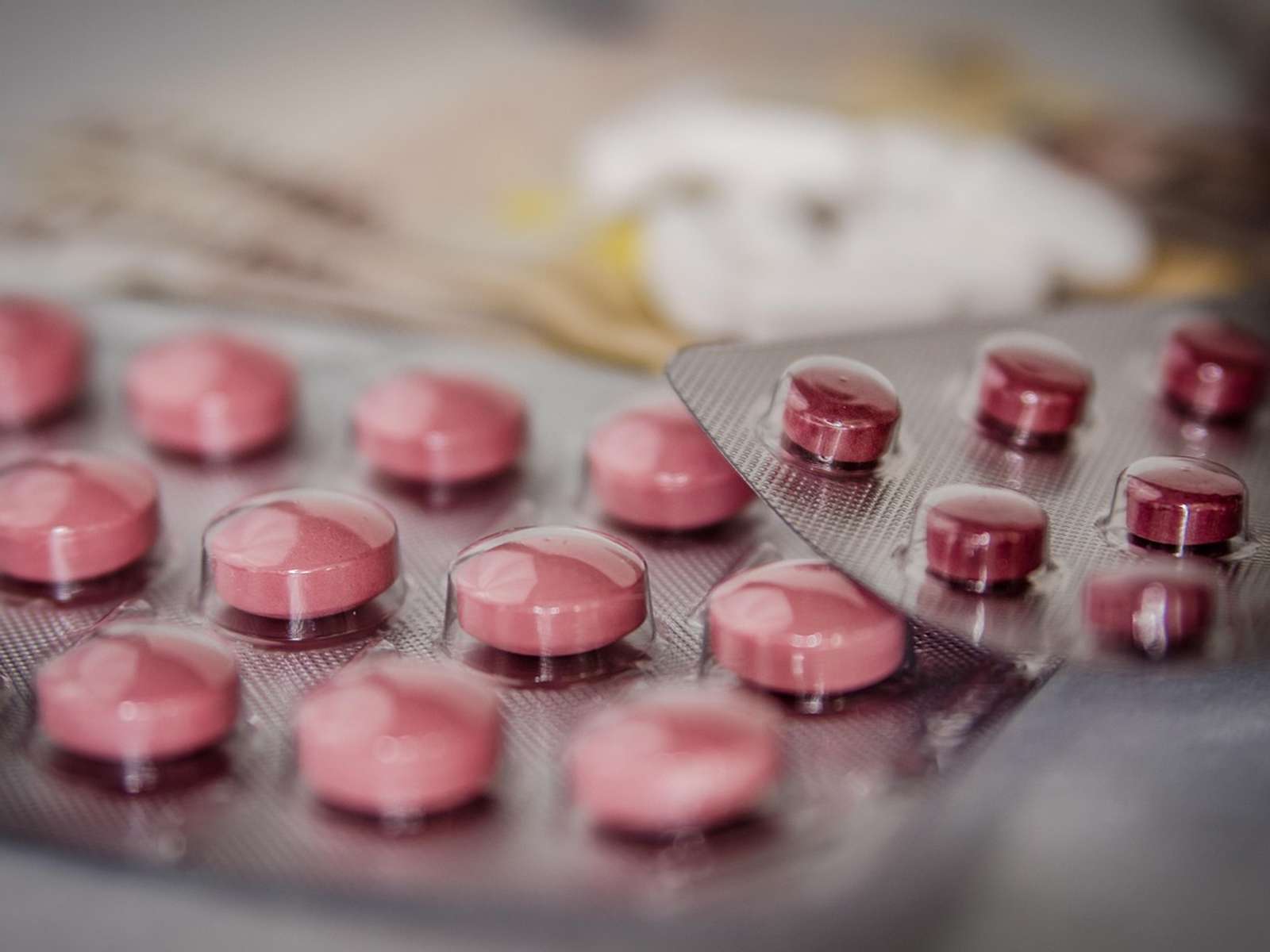
In England's I-WOTCH trial, 29% of chronic pain patients who joined a nurse-led support program had stopped strong opioids after a year, against 7% on usual care. A new economic analysis says the program costs more up front but may still be good value for the NHS.
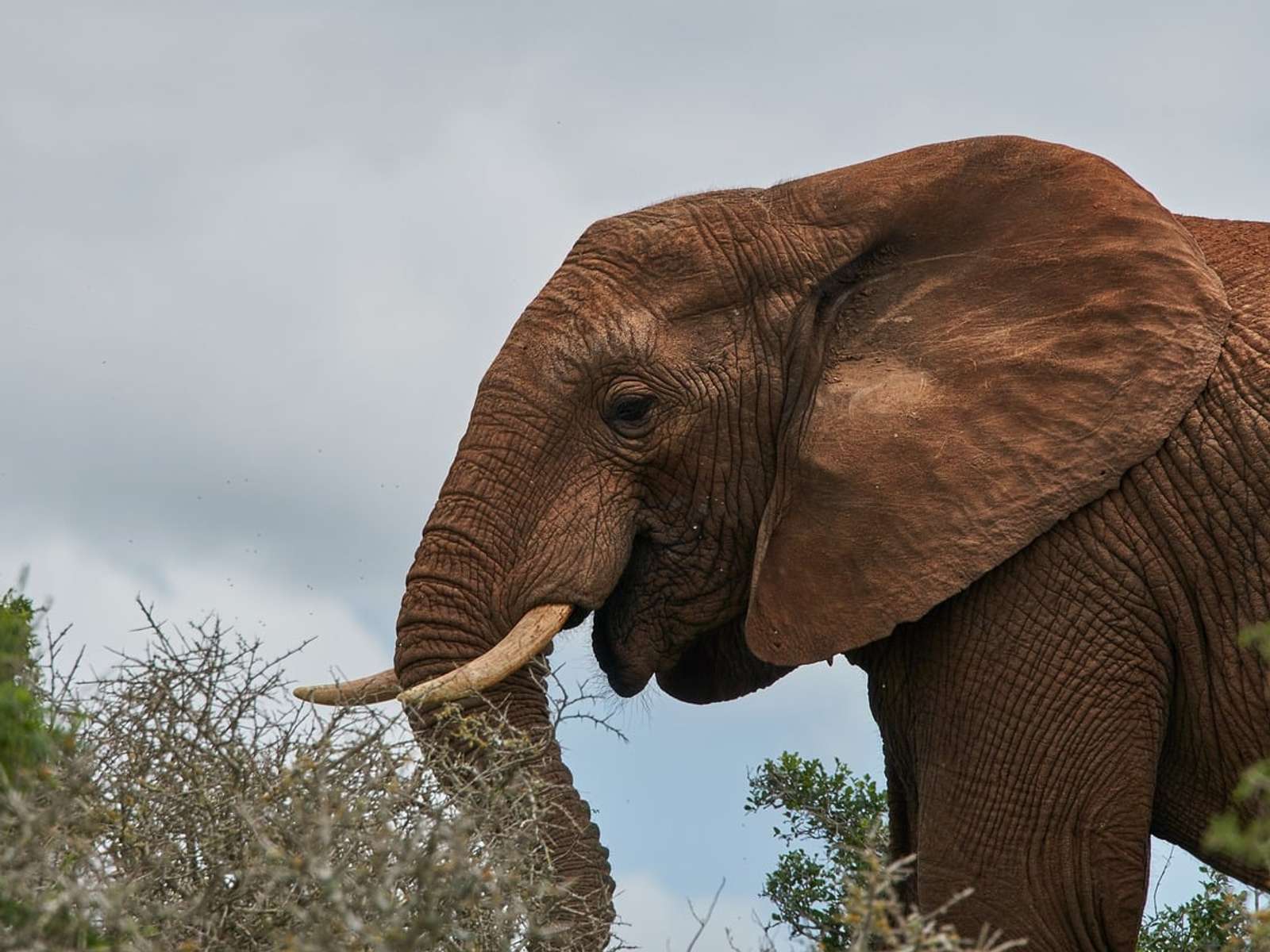
A study of wild elephants in South Africa found they use more than 40 types of gestures intentionally, checking whether others are watching and repeating signals until they get the response they want.

Scientists led by Germany's Helmholtz-Zentrum Hereon made a polystyrene with about 50% plant-based content, produced with microwaves and designed with breaking points so it can be broken down after use.
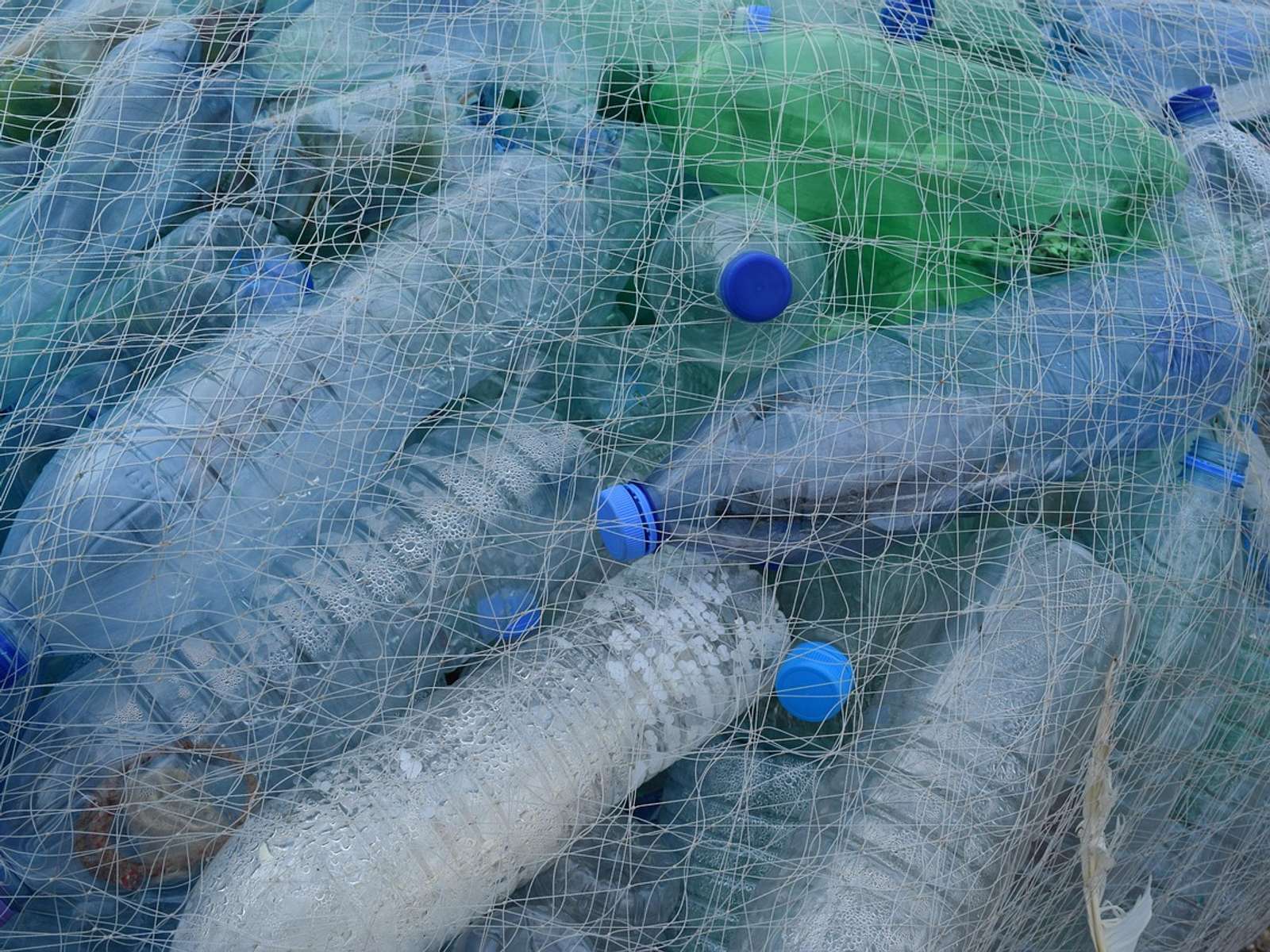
On Kenya's Pate Island, a community group collected 18.1 tonnes of plastic in eight months, earns money from the waste and is restoring one of the island's historic gates with recycled plastic.

The European Parliament has rejected two attempts to block an EU-wide ban on lead gunshot, clearing the way for a rule that conservationists say will protect around 135 million birds at risk of lead poisoning.
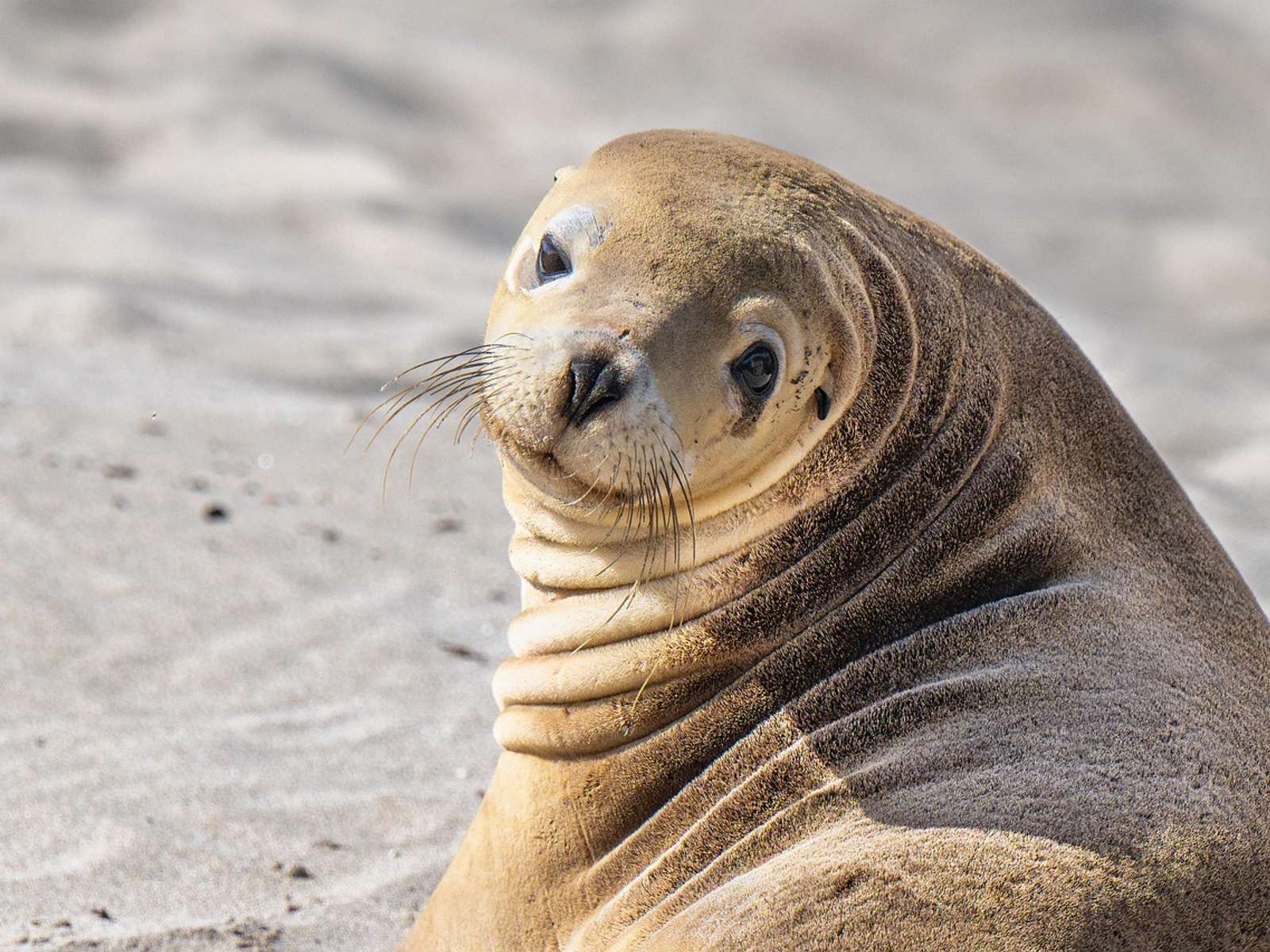
Researchers at Curtin University and Taronga trained sea lions and fur seals to press a paddle when they heard a tone, producing the first hearing baselines for the two Australian species.
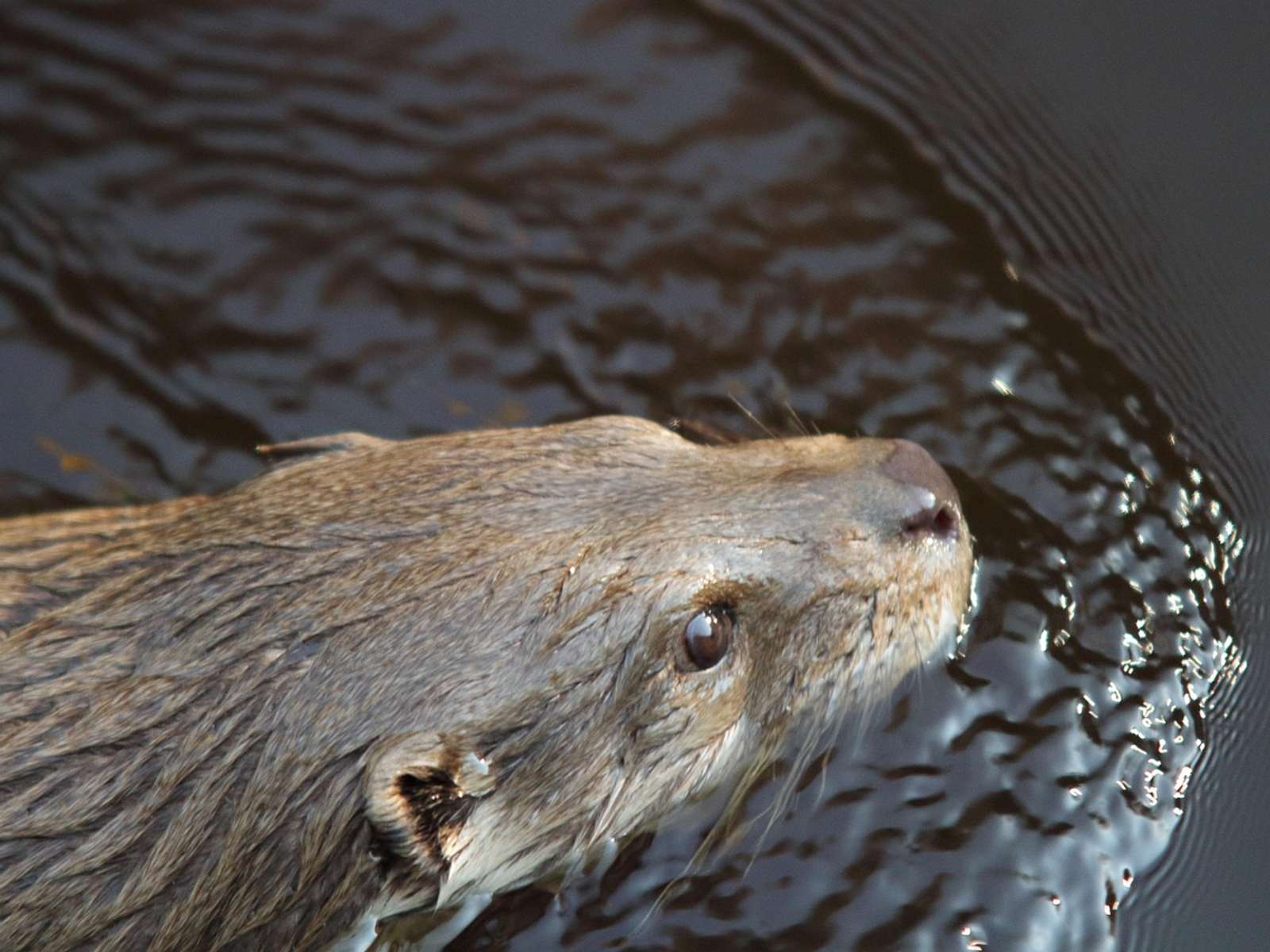
The new Agua Dulce Municipal Wildlife Reserve in Baures, Bolivia, protects nearly 715,000 acres of habitat for jaguars, Amazon river dolphins, giant otters and hundreds of bird species.
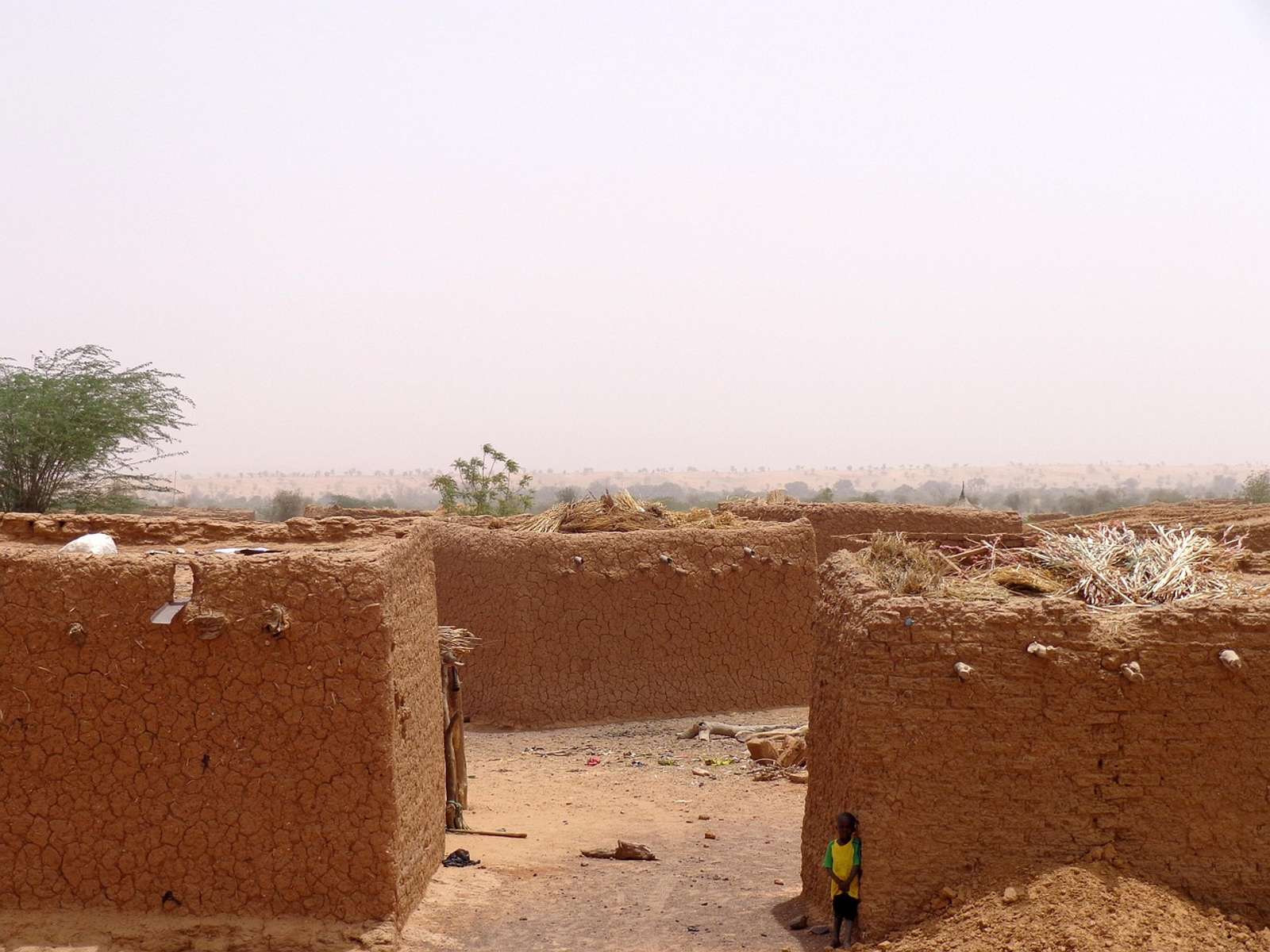
A new US$78 million GEF program, run with UNEP, aims to restore 270,000 hectares of degraded land and improve the livelihoods of 5 million people across nine Great Green Wall countries.

Australia's High Court dismissed MACH Energy's appeal, confirming that the approval of the Mount Pleasant coal mine expansion was flawed because planners had not properly dealt with emissions from burning the exported coal.

Rescue teams in Indonesia have saved dozens of orangutans from wildfires in Borneo and Sumatra in recent months, including a burned young female named Novita now in intensive care.
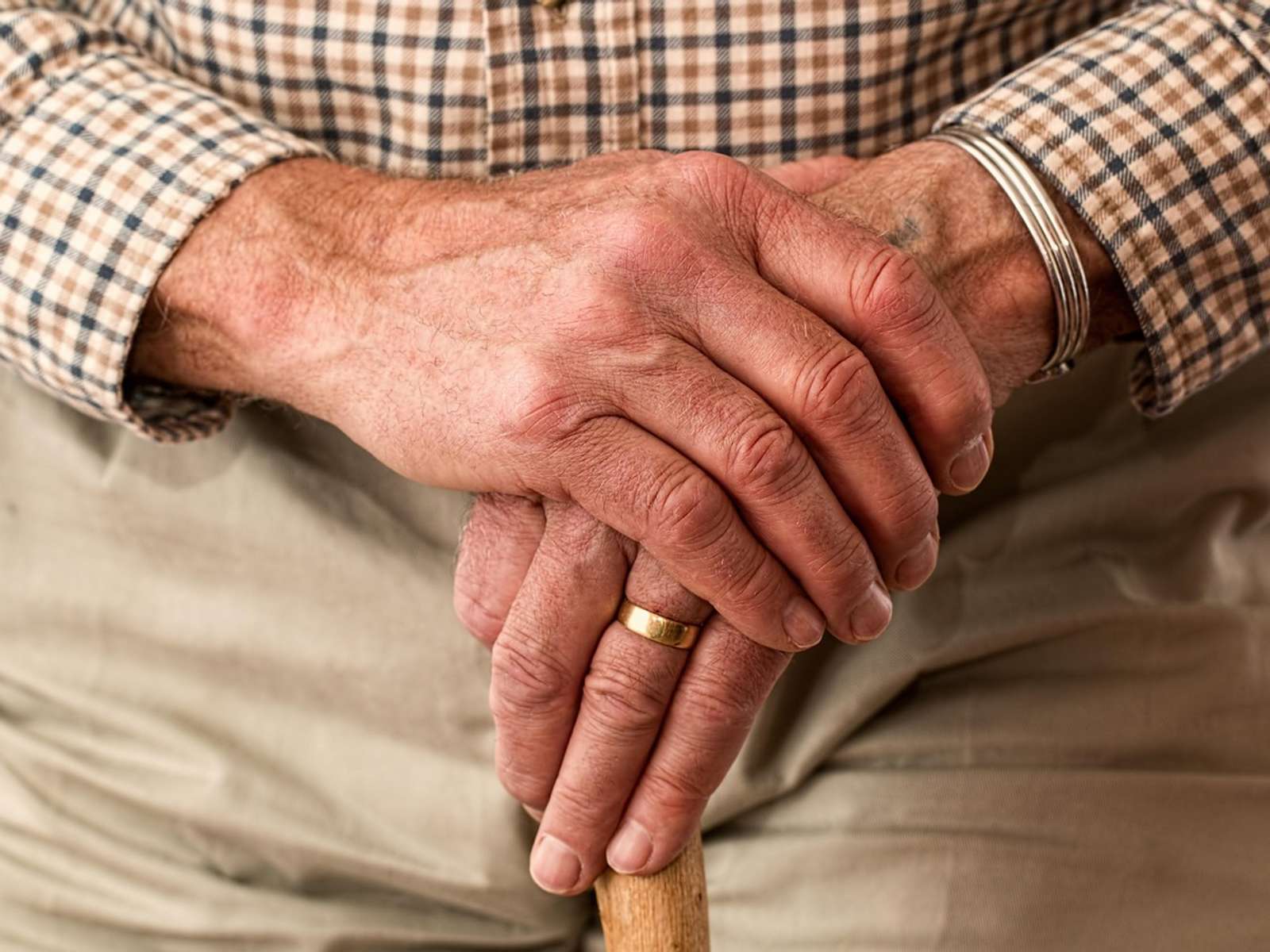
Cerevance's experimental drug solengepras reduced the daily time people with Parkinson's spend with poorly controlled symptoms in a 341-person phase 3 trial, without adding troublesome involuntary movements.

A catalyst made of five rare-earth elements starts converting methane into ethane and ethylene at 525°C and held its output for 240 hours in lab tests, Institute of Science Tokyo said. Conventional catalysts need about 800°C.
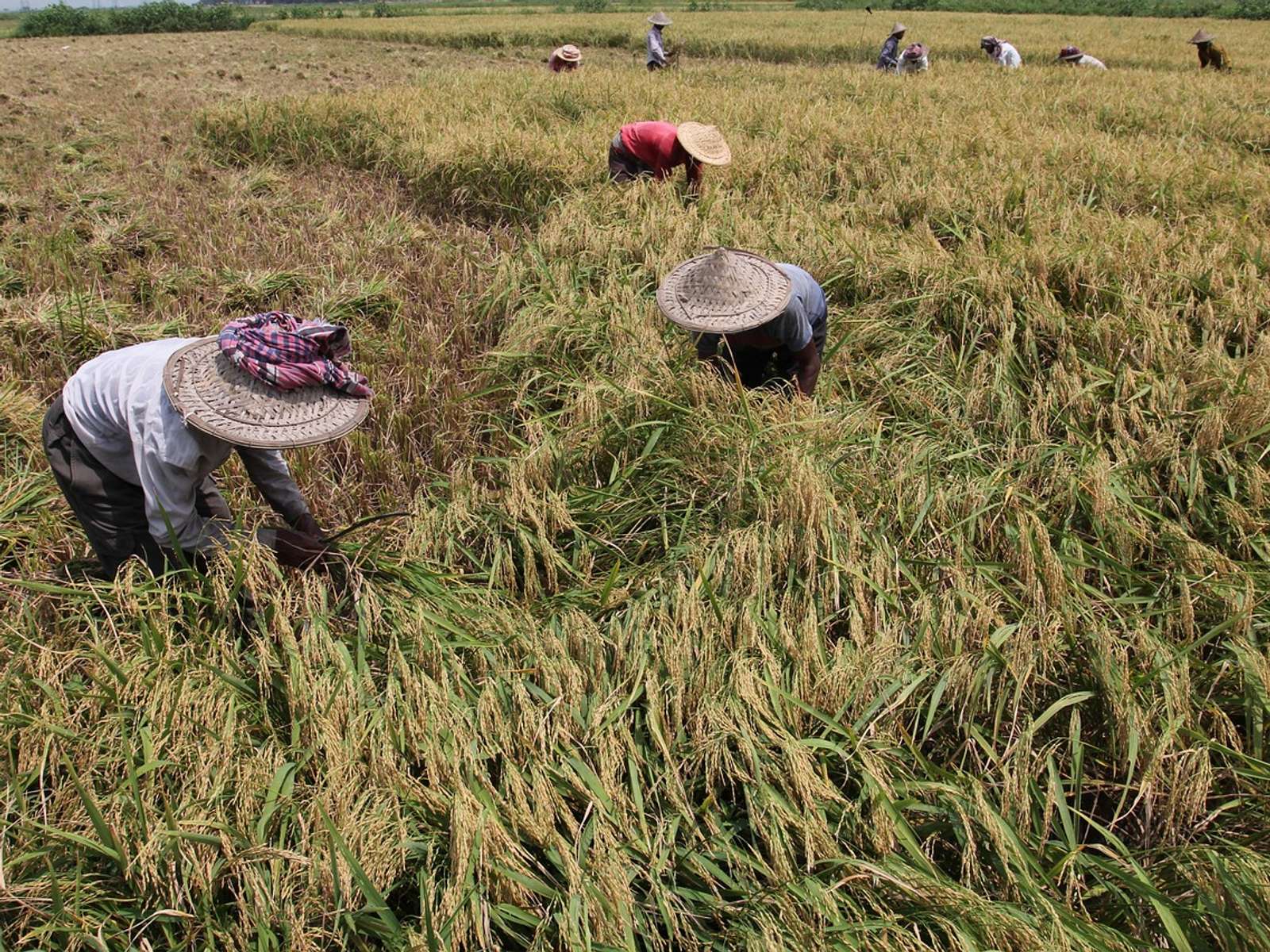
Two six-year projects backed by IFAD, Bangladesh and Denmark aim to reach 2.5 million rural people in flood- and drought-prone regions with raised shelters, flash-flood warnings, better roads, loans and training.
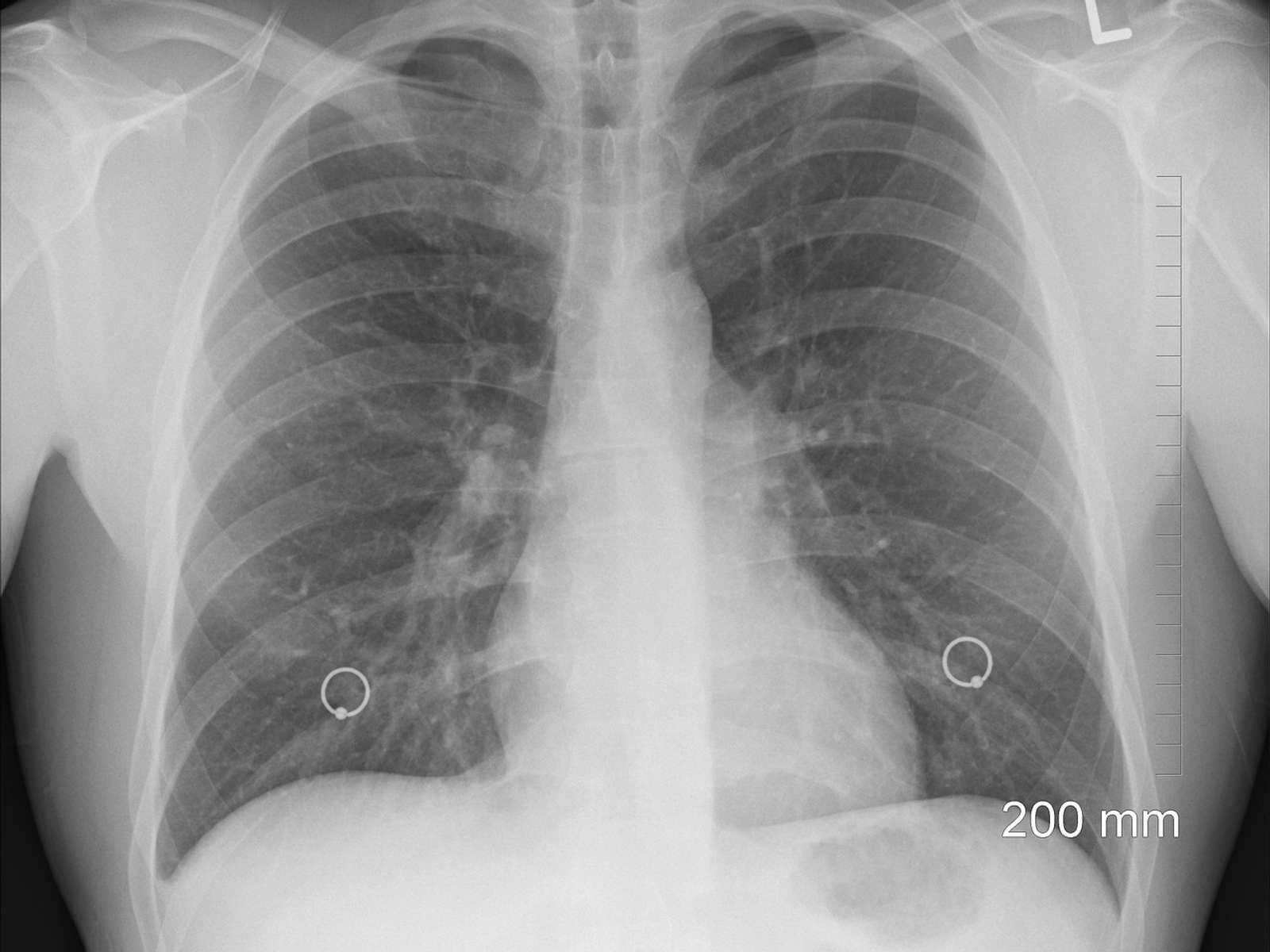
UCL researchers found that suppressive immune cells build up months or years before lung cancer forms, tracked them with prototype blood tests and halved tumor formation in mice with a drug.

Doctors in Edinburgh have transplanted testicular tissue frozen before a 19-year-old's chemotherapy back into his body, the UK's first such procedure and only the second reported worldwide.

Young people from 18 of Papua New Guinea's 22 provinces drew up the country's first Youth Climate Manifesto and presented it to government officials in Port Moresby.