This Week in Good News: Wildlife Photos Beat Hunting in Borneo, and 4 More
The five most-read stories of the week: Borneo villagers paid to photograph wildlife, a record Bills food drive, $131.5 million for NYC delivery workers, California's first sea turtle nests and a blood test for lung cancer risk.
By Diego Callegari, Editor
From a rainforest in Borneo to a beach in Southern California, these were the five most-read stories on Good News Daily between September 28 and October 5. Four come from the United States and one from Indonesia, and they run from conservation and workers' pay to hunger relief and cancer research.
Borneo villagers earn more from wildlife photos than from hunting
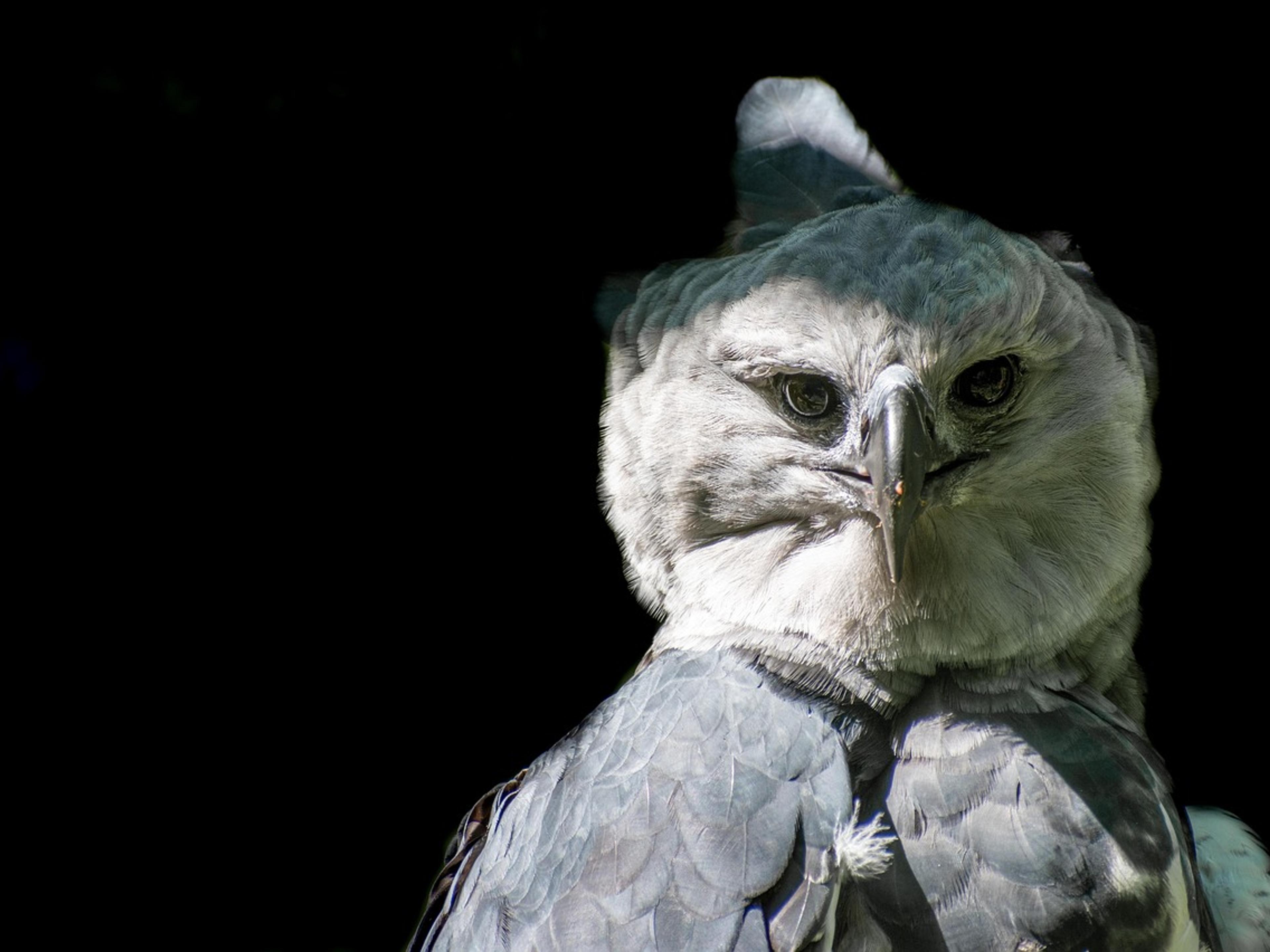
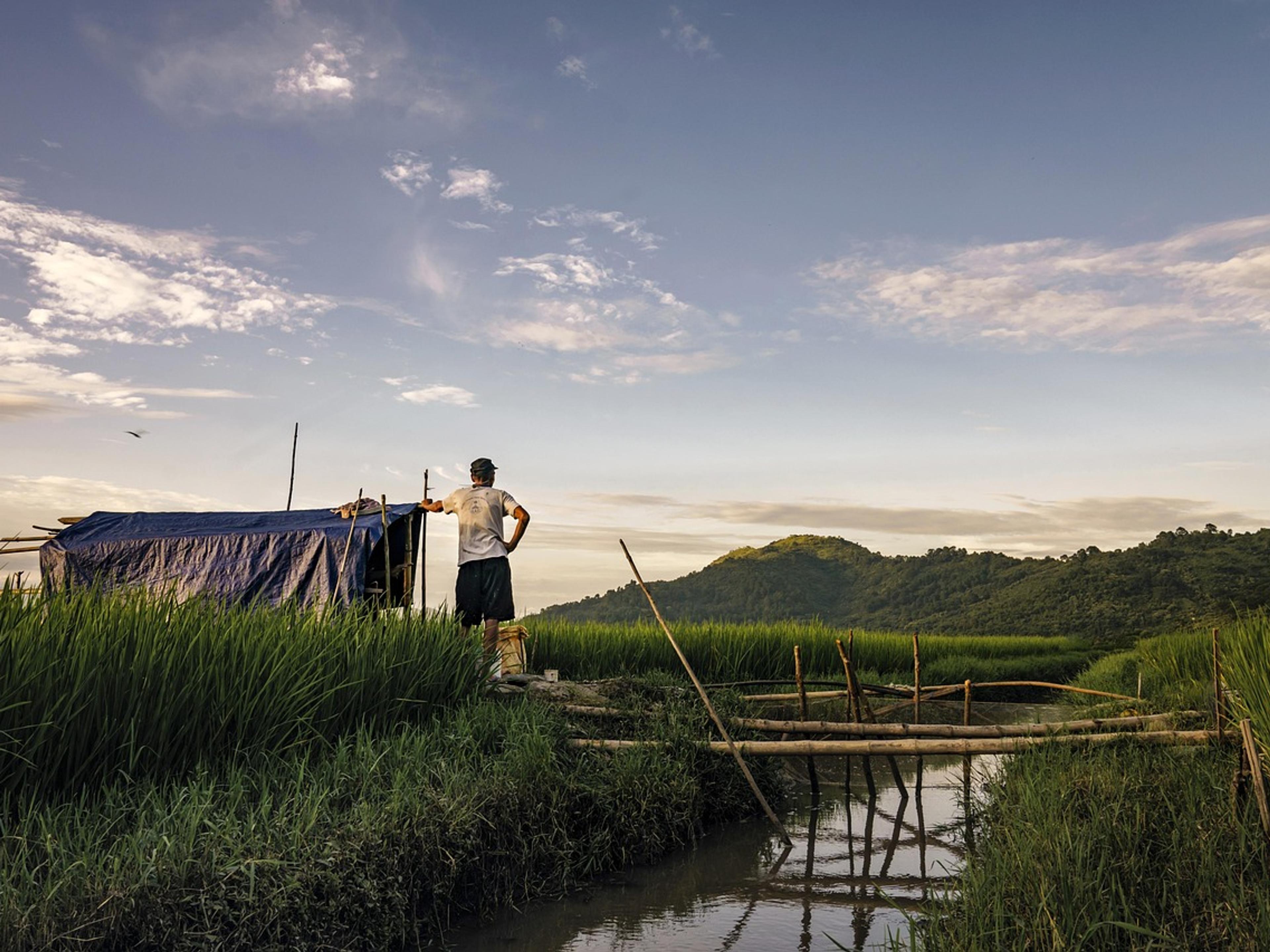
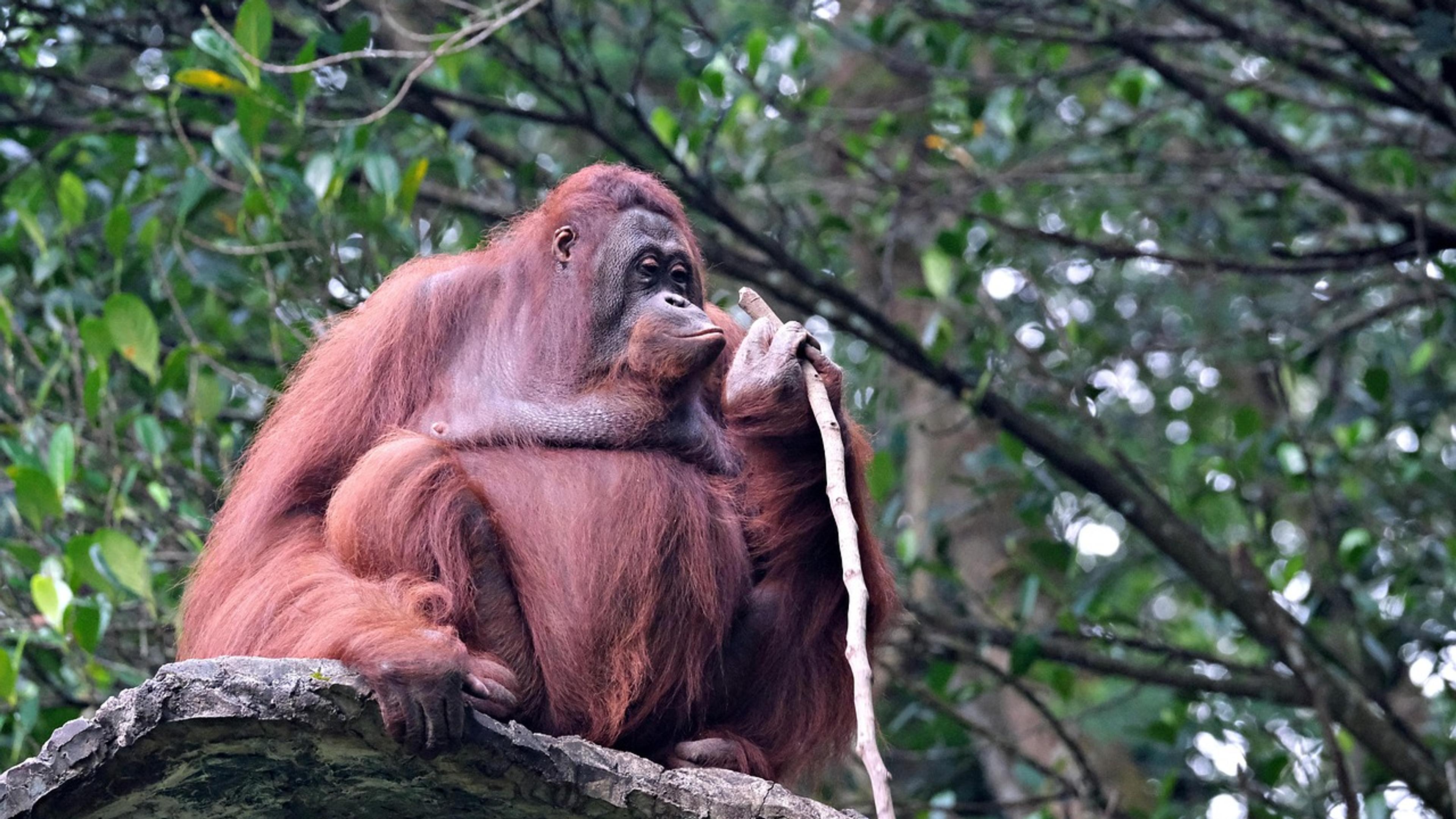
In West Kalimantan, more than 800 people in nine villages are now paid to photograph animals instead of hunting them. The KehatiKu program, run by Borneo Futures, pays from about $0.30 for a common bird up to 130,000 rupiah for a Critically Endangered Bornean orangutan, and has gathered more than 350,000 observations so far. Read how the program works.
A Buffalo Bills food drive collected a record 70,626 pounds
Huddle for Hunger Week, run by the Buffalo Bills Foundation and Wegmans, beat last year's 65,107 pounds and raised $205,859 for 20 hunger-relief charities across Western New York. Members of the 2026 rookie class and Hall of Famer Thurman Thomas helped pack and hand out the food. See where the donations came from.
New York City won $131.5 million for underpaid DoorDash workers
The largest worker settlement in the city's history covers more than 260,000 delivery workers who were paid late or not at all between April 2022 and June 2026. A worker who was shorted $1,000 and never paid gets $3,000 back, and no claim form is needed. Read the details of the settlement.
Sea turtles nested on the US West Coast for the first time on record
Two olive ridley nests holding an estimated 100 to 200 eggs turned up in Orange County, California, in September, hundreds of miles north of the species' nearest known nesting grounds in Baja California. With storm surf on the way, the eggs were moved to the Aquarium of the Pacific, and the hatchlings will be released on the beaches where the nests were found. Follow the rescue.
A blood test could flag lung cancer risk up to 10 years early
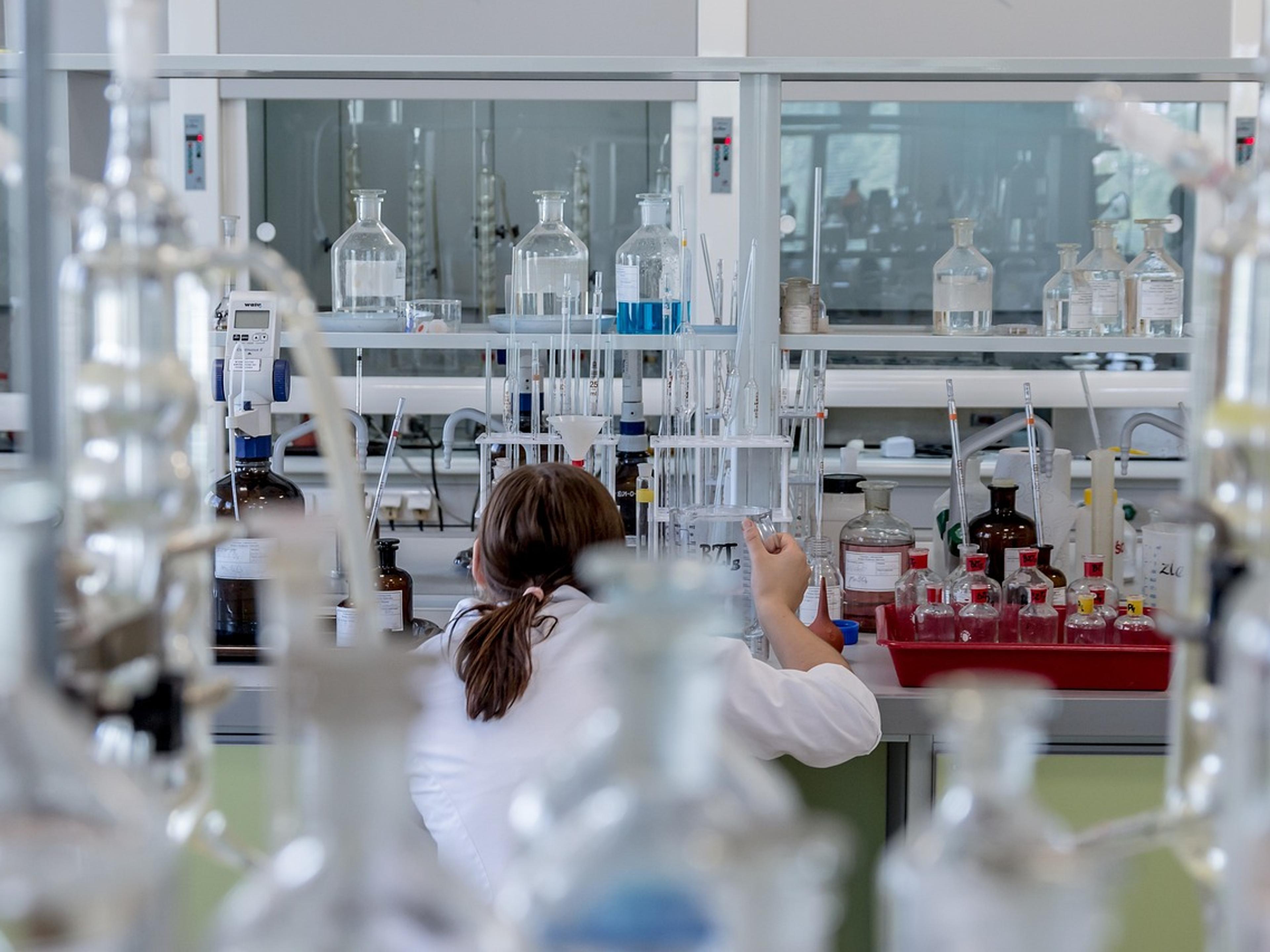
University of Hawaiʻi researchers identified 31 small RNA molecules in blood that are linked to future lung cancer. A model built on them predicted later diagnoses with 95% accuracy overall, even five to ten years ahead, and the team is now seeking a patent for a blood-based screening test. Read about the study.
Every Sunday we round up the week's most-read stories. You can catch up on all weekly recaps here.
Like what you're reading?