This Week in Good News: Enzyme Protects Mouse Livers, and 4 More
A mouse study points to a liver-protecting enzyme, New Zealand's heaviest insect recovers, California opens Cal Fire jobs to former prison firefighters, a 12-year-old's walk wins government backing, and a diabetes drug calms inflammatory blood cells.
By Diego Callegari, Editor
Here are the five most-read stories on Good News Daily from Oct 4 to Oct 11. They come from the United States, New Zealand and Australia, and range from early medical research to insect conservation, a new jobs law and a child's long walk for charity.
Restoring one enzyme cut liver fat, inflammation and scarring in mice
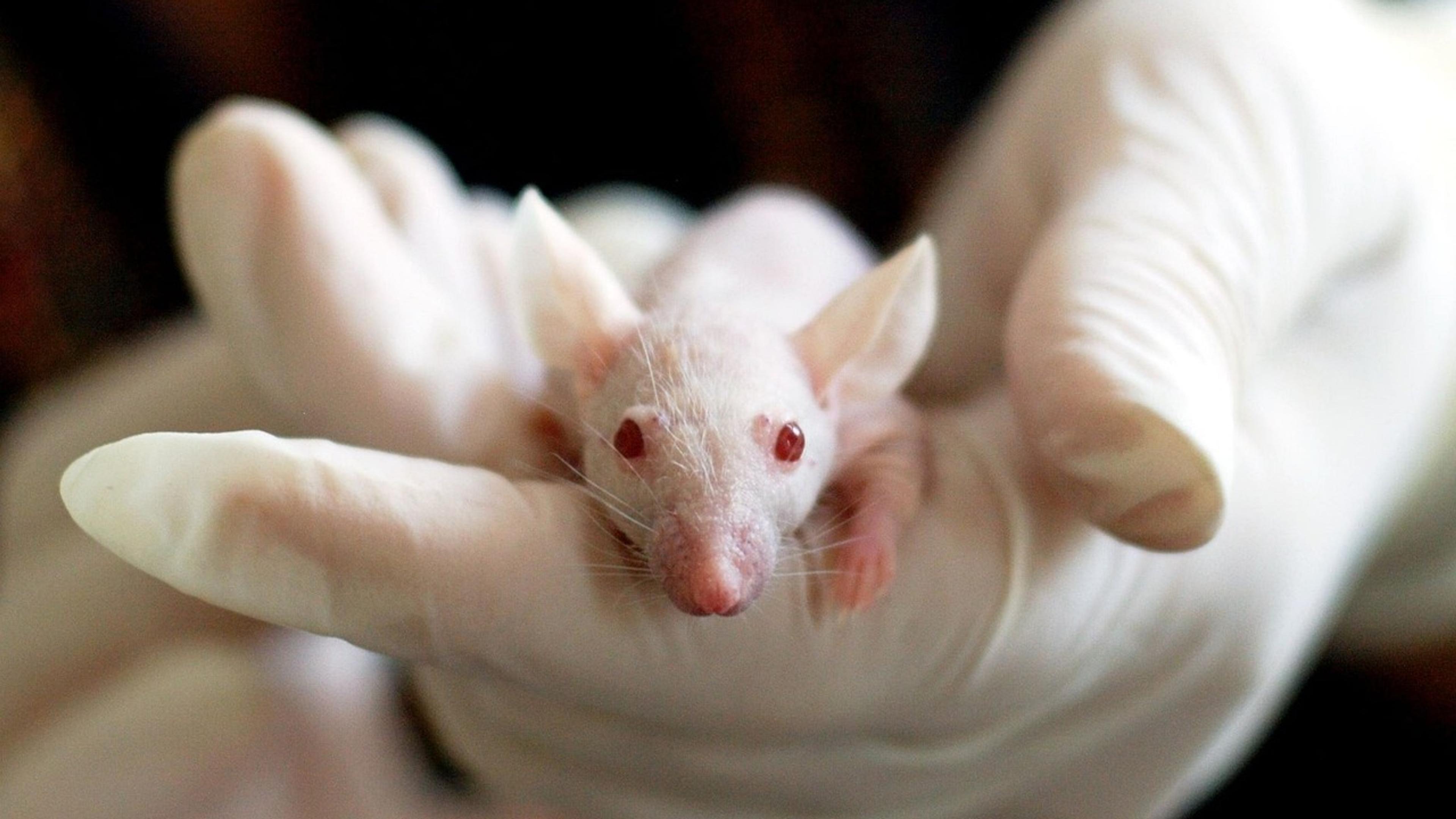
A preclinical study co-led by Cedars-Sinai and published in Nature Metabolism found that levels of the enzyme UBE2N fall in liver cells as fatty liver disease worsens. When researchers brought it back to normal levels in mice, fat buildup, inflammation and scarring all declined. The work has not been tested in people, but the team says UBE2N could become a target for therapies to stop the disease from progressing to its more serious form, MASH. See what the enzyme does.
New Zealand has moved 11,000 giant wētāpunga to 10 new wild sites
Over 15 years and 45 releases, conservationists have spread the wētāpunga, the world's heaviest orthopteran, from its last refuge on Little Barrier Island to predator-free islands and two fenced mainland sanctuaries, according to a study in the New Zealand Journal of Zoology. Auckland Zoo alone bred and released 8,874 of the insects between 2014 and 2025. The species was reclassified as Nationally Increasing in 2022, and at least four generations are now established on Motuora and Tiritiri Matangi. Learn how the zoos bred them.
California law gives former prison firefighters a route to Cal Fire jobs
Governor Gavin Newsom signed Assembly Bill 2483, which standardizes the firefighting credentials people earn in prison and gives them hiring preference for certain entry-level Cal Fire positions, CalMatters reported. By 2028, the credentials are meant to match the requirements for jobs that can lead to a six-figure income and a state pension. The bill took almost two years to pass, and its final version offers preference without guaranteeing anyone a job. Read how the law works.
Boy, 12, walked 540 km for sick children, and Canberra matched his total
Dusty Langby walked for 16 days from Warren, New South Wales, to Canberra to raise money for Little Wings, a charity that flies seriously ill children to medical care. On his arrival, Prime Minister Anthony Albanese pledged to match every dollar, which the government put at more than A$500,000, and added another A$1 million to extend its support for the charity by two years. Donations stood at just under A$570,000 earlier this week, with the page open until mid-October. Follow Dusty's walk to Canberra.
Diabetes drug reduced inflammatory blood cells within two weeks in pilot
In a small trial reported by Vanderbilt Health and published in Circulation, 16 women with obesity and prediabetes who took the SGLT2 inhibitor empagliflozin saw clumps of immune cells and platelets linked to vascular inflammation fall significantly after two weeks. The drop did not occur in a comparison group on a low-calorie diet. The pilot had no placebo group, so a randomized, placebo-controlled trial with a planned 74 participants is now under way. Read the trial's findings.
Every Sunday we round up the week's most-read stories. You can catch up on all weekly recaps here.
Like what you're reading?