This Week in Good News: One Bag a Day Spreads Across Laos, and 4 More
A daily trash pickup in Laos grows into a 13-province movement, Colombia clears mines from Indigenous forest, a Berlin teen stops transfusions after CRISPR care, octopus DNA folding is studied, and Yemen gets a €10 million farm deal.
The most-read stories from Oct 11 to Oct 18 come from Laos, Colombia, Germany, Austria and Yemen. They cover a volunteer cleanup movement, forest protection, gene therapy, genome research and a new agreement to support farming and jobs.
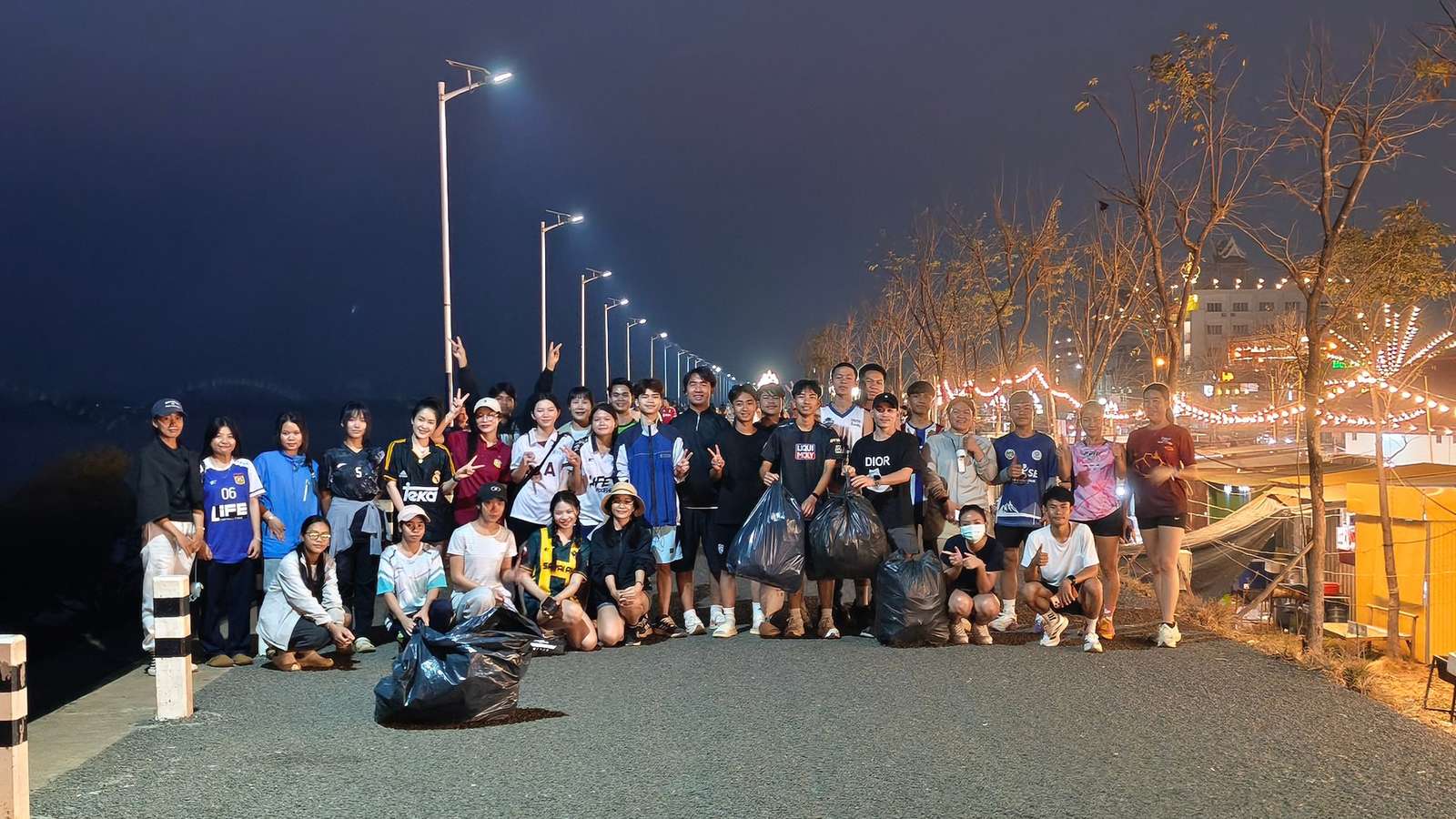
Laos cleanup habit grows to about 400 volunteers in 13 provinces
Bounpanh "Panh" Chaleunsin, a 27-year-old hotel worker in Pakse, came home from a walk along the Mekong on 15 February with a bag of litter and named the habit One Bag A Day. Eight months later it has about 400 participants in 13 provinces, he told Good News Daily, citing the group's own figures. A donation of 100 million kip from three supporters helped people in other provinces start their own groups. See how the movement spread.
Deminers begin clearing 18,000 hectares of Indigenous forest in Colombia
The HALO Trust has started removing explosives from almost 18,000 hectares in Colombia's Meta region so that the Sol Naciente and Nuevo Milenio communities, 81 families in total, can safely return to and protect their land, according to Rainforest Trust and HALO. The three-year project costs about $1 million. Once the land is declared mine-free, the government can make both areas Indigenous reserves, a decision that has not yet been taken. Read about the clearance plan.
Berlin teen stops transfusions after Germany's first routine CRISPR care
Mohammad, 19, who has beta-thalassemia, received the gene therapy Exa-cel at Charité on 28 May, the first patient in Germany to get it as standard care. Within 40 days his body was making fetal hemoglobin again, and his total hemoglobin is now normal, the hospital said. Long-term safety data are still lacking, and Charité says further patients are being prepared. Learn how the therapy works.
Folded DNA may help explain complex octopus brains, Vienna study suggests
A University of Vienna team led by Thea Rogers reported in Nature Communications that an ancient genome reshuffle brought distant DNA regions close together in octopuses, squid and cuttlefish. Many of the most variable DNA loops sit near genes linked to the nervous system. The university says this 3D arrangement may have played a key role, though the study does not prove it caused larger brains. Explore the genome findings.
EU, UNDP and FAO sign €10 million deal for farm jobs in Yemen
The 42-month SANABEL project will support climate-smart farming, better water management, links to markets and local food processing, UNDP said. It arrives as about 5 million people in government-held areas face crisis-level food insecurity or worse, according to the June IPC analysis. The statement does not yet give job targets or name the governorates involved. Read what the project covers.
Every Sunday we round up the week's most-read stories. You can catch up on all weekly recaps here.
Your weekly dose of good news
The 5 biggest positive stories of the week, straight to your inbox. Free, no noise.
Like what you're reading?