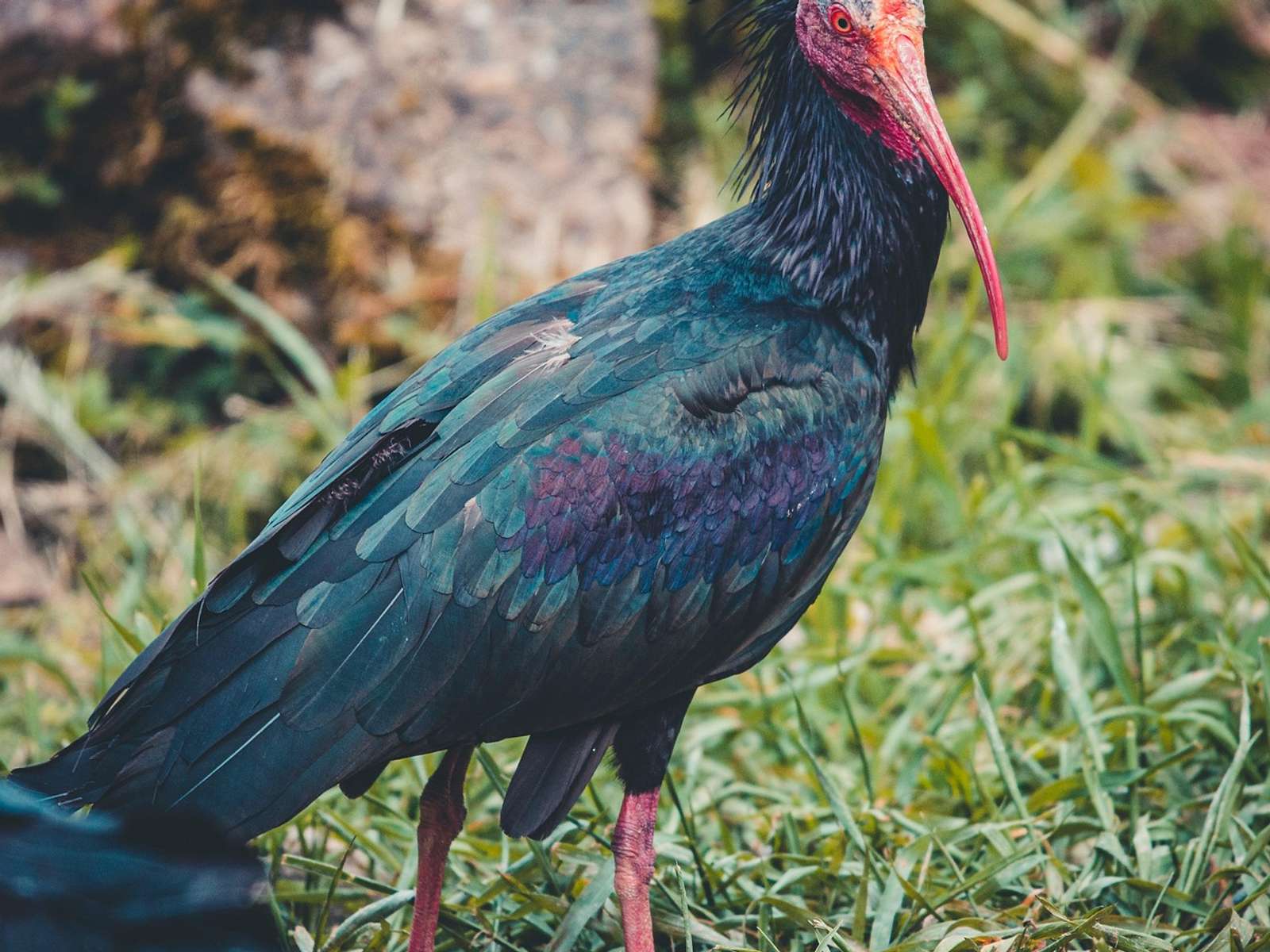
Fifteen young northern bald ibises were guided to Spain behind ultralight aircraft flown by their human foster parents, part of a project to re-establish a migratory population of a species extinct in Europe since the 17th century.

Nigeria Customs seized the baby gorilla Bili at Lagos airport in August 2023. After three years of care in Calabar and a DNA test that traced her to the Republic of Congo, she was flown to a sanctuary near Pointe-Noire in September.
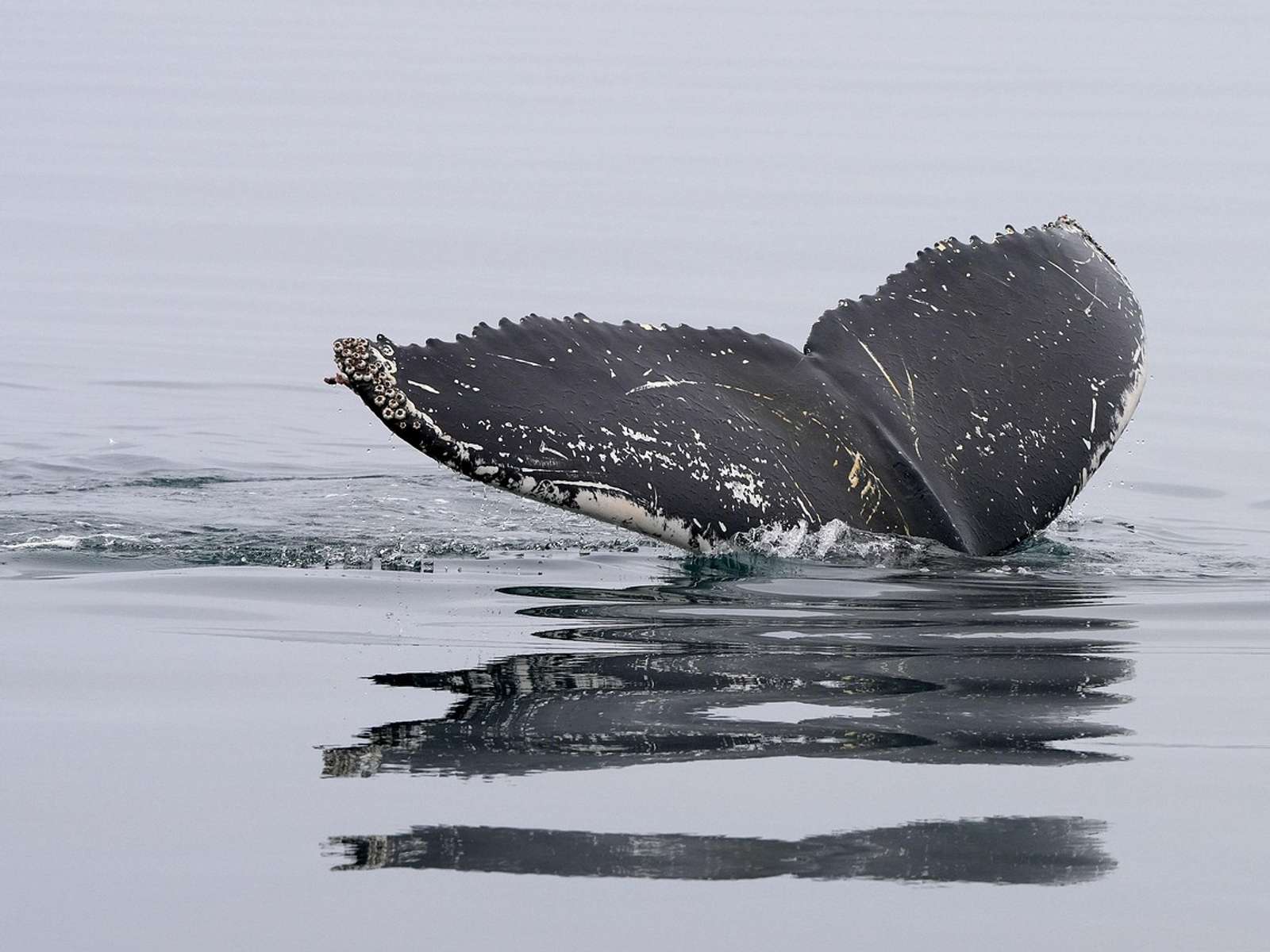
Mitochondrial DNA from 2,285 humpbacks shows the whales that live year-round off Oman split from other populations 43,000 to 113,000 years ago. A taxonomy committee still has to decide on the proposed subspecies.
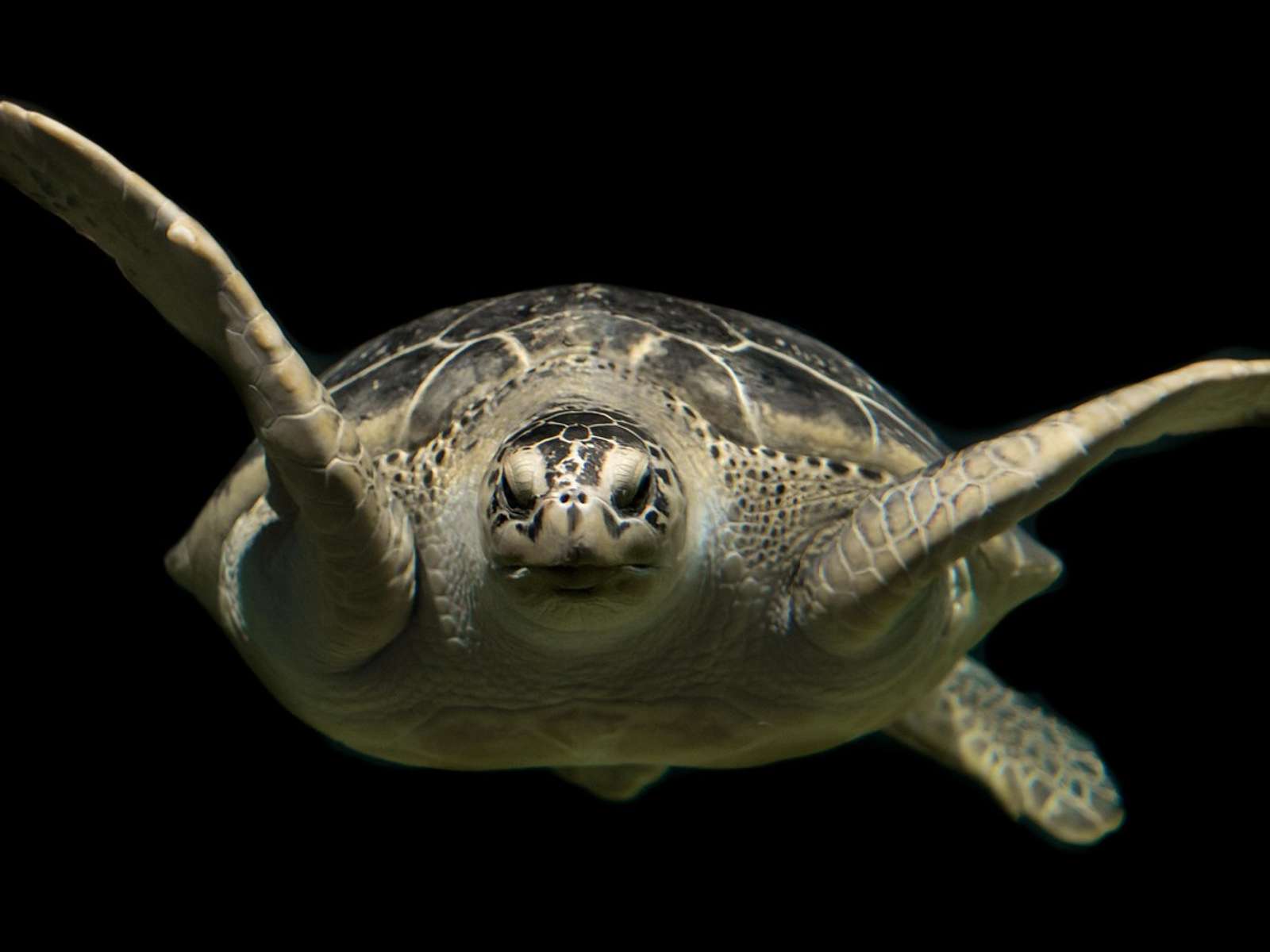
A fisherman in Vietnam's Ca Mau province found a green turtle of about 70 kg tangled in his net, cared for it overnight and called the border guards, who released it into the sea the next morning.
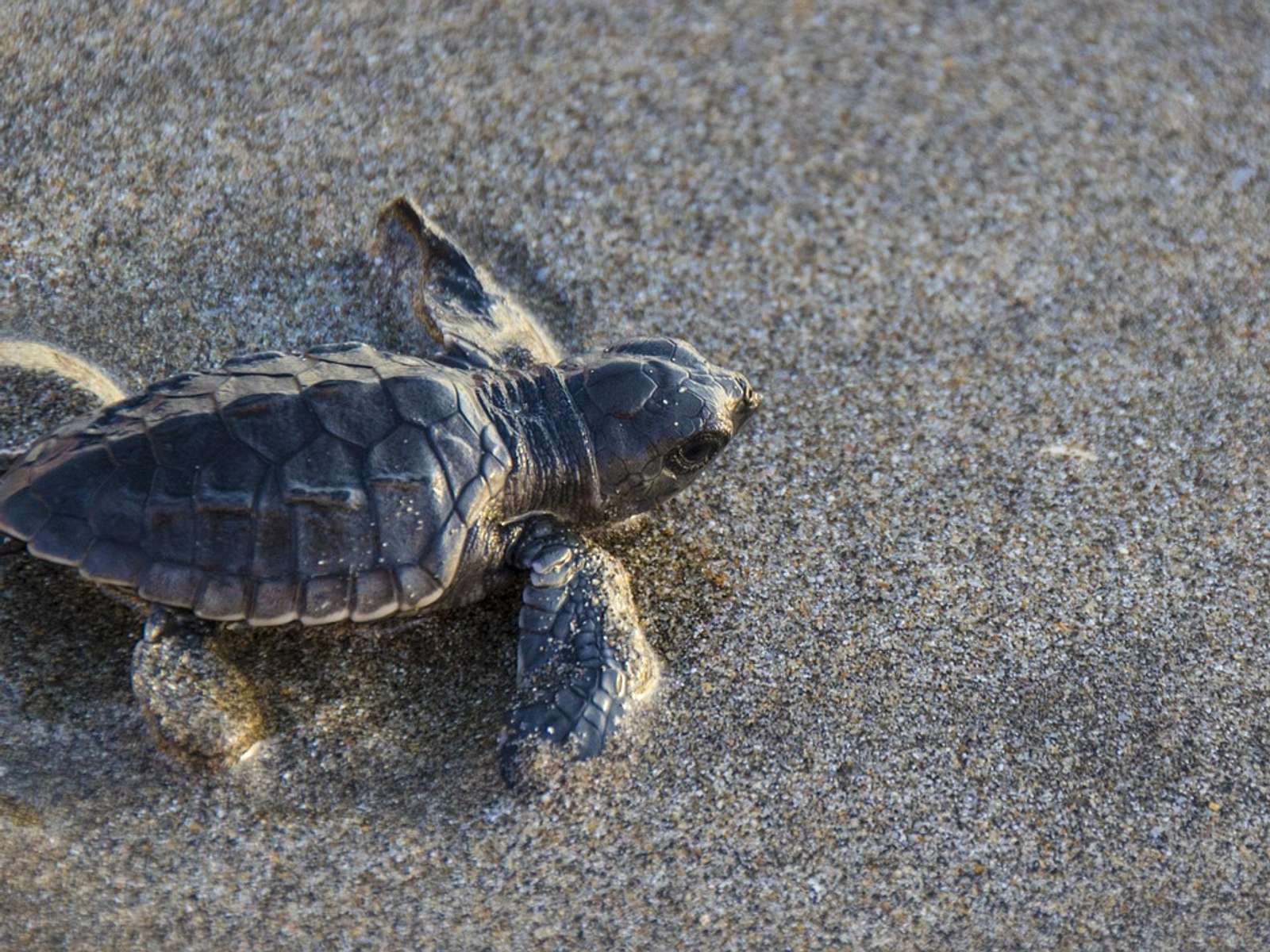
Two olive ridley sea turtles nested on Orange County beaches in September, a first for any sea turtle on the US West Coast. Their 204 eggs are now incubating at the Aquarium of the Pacific.
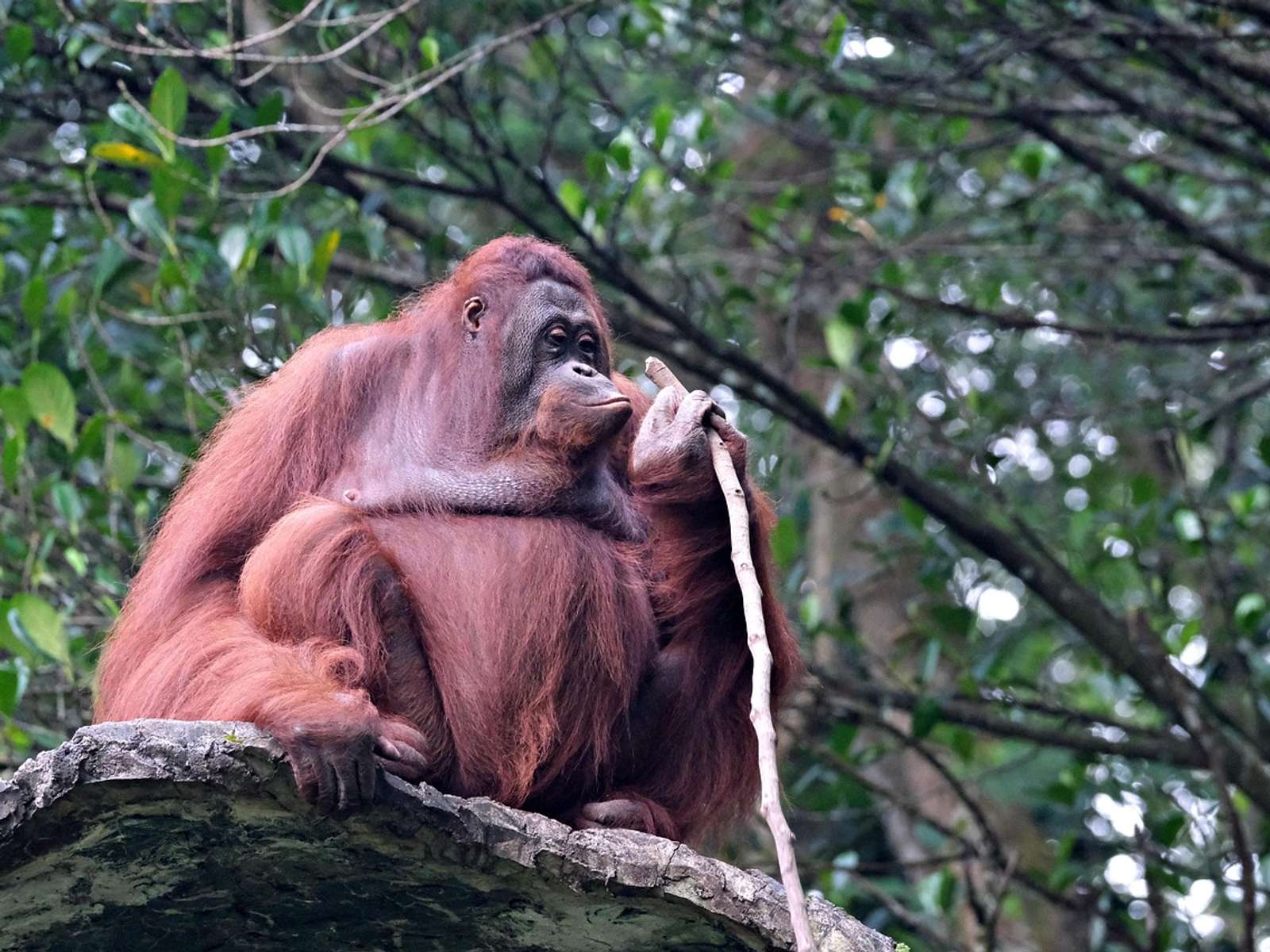
About 800 villagers in Indonesian Borneo are paid for verified photos and recordings of wildlife, from common birds to orangutans. The KehatiKu program has logged more than 300,000 observations, and two villages have banned hunting.
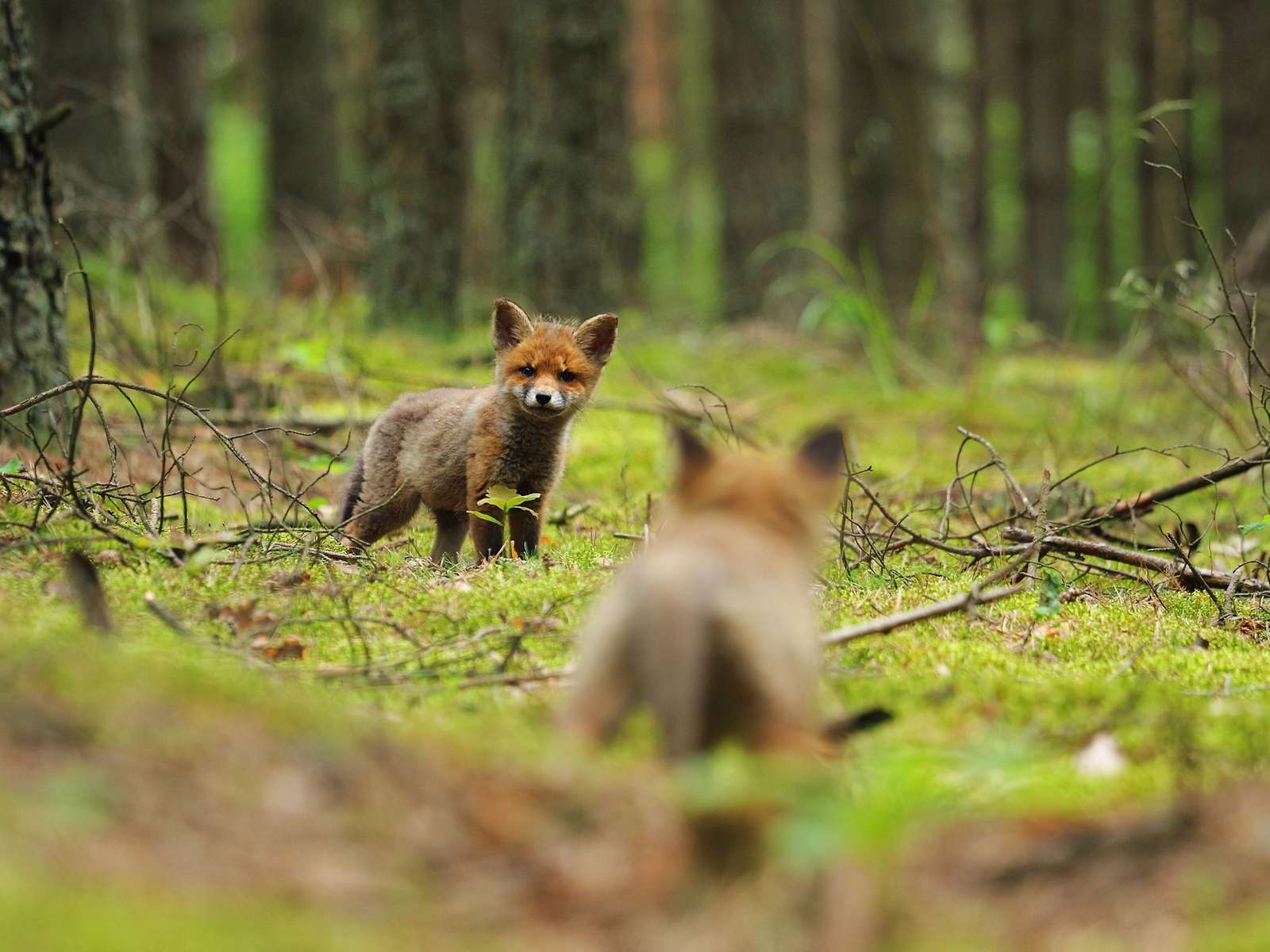
Three fox cubs pulled from a narrow gap between two Leicester houses by firefighters have been released into the countryside after four months of rehabilitation, following a rescue that initially left one cub's survival in doubt.

Ho Chi Minh City forest rangers released 84 rescued animals from 13 species into the Dong Nai Nature and Culture Reserve, part of an ongoing program that has returned over 1,400 animals to protected habitats since 2022.
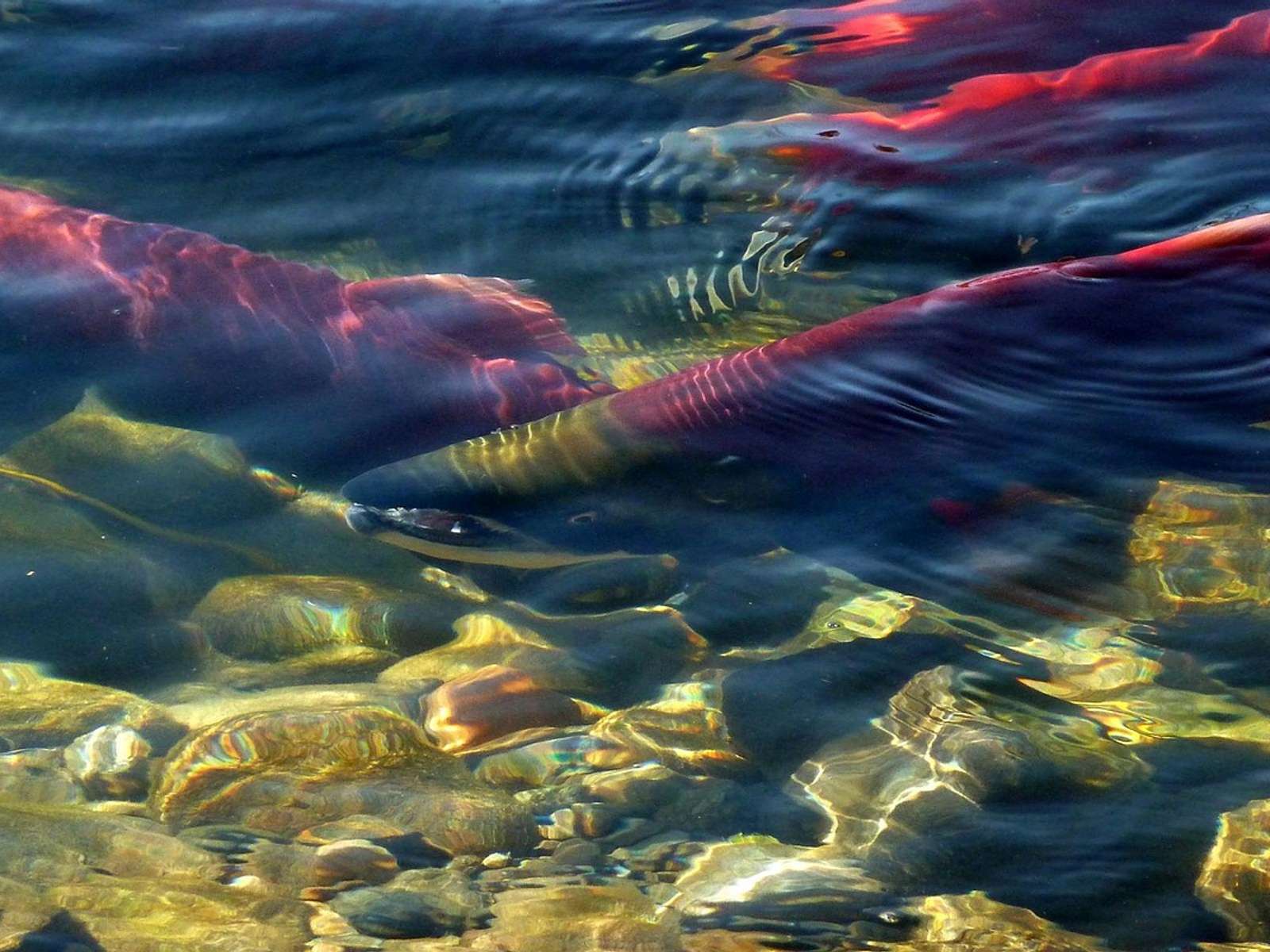
Threatened Hood Canal summer-run chum salmon are making a remarkable comeback in Washington, with average annual returns nearly tripling in recent years as major river restoration work gives the population an even stronger chance to recover.
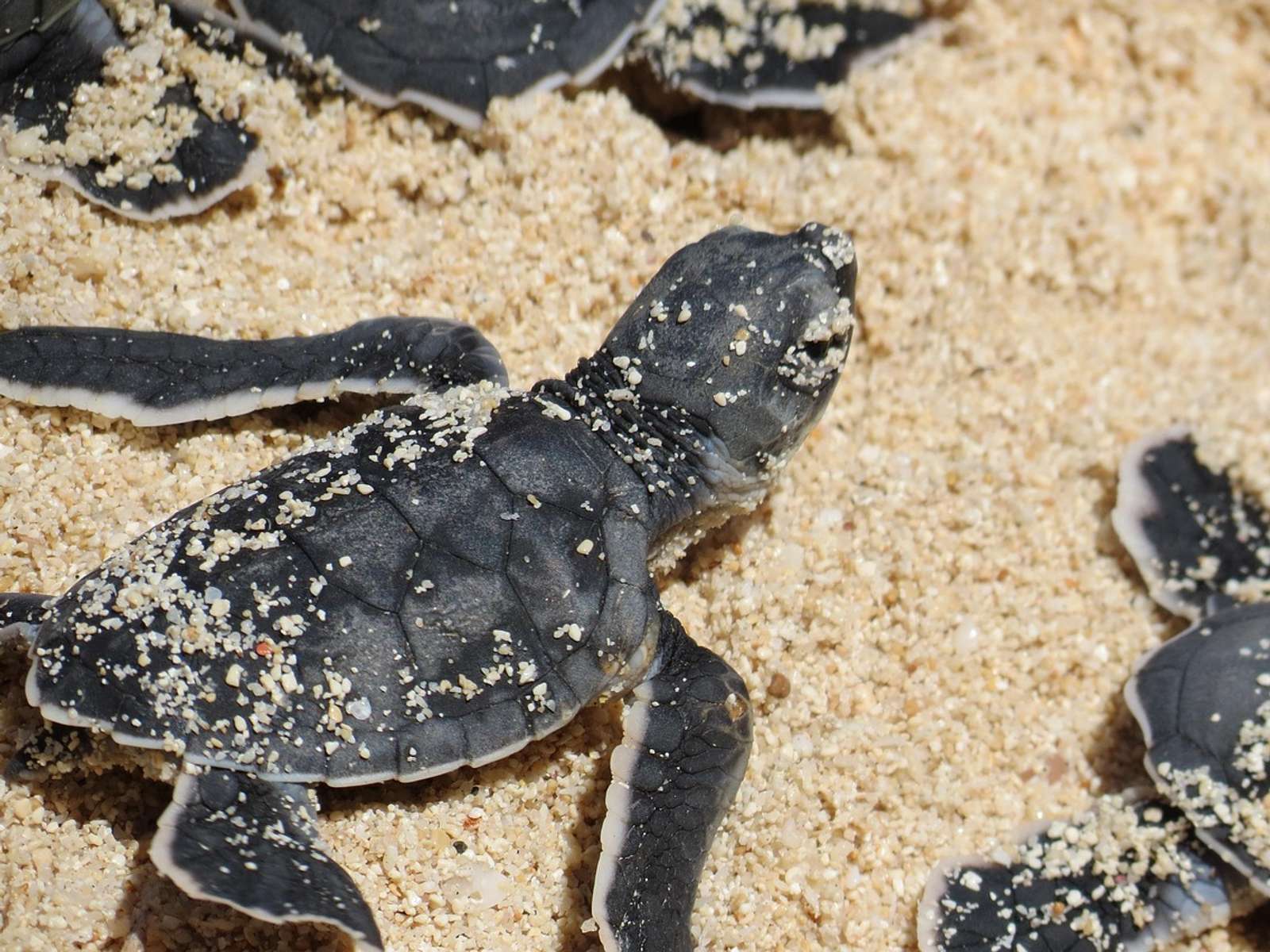
More than 22,000 baby sea turtles have been recorded from protected nesting areas in Playa del Carmen this season, as conservation teams monitor thousands of nests along the Mexican Caribbean coast.