
WHO and partners have launched a roadmap to 2035 to cut deaths from pre-eclampsia and other high blood pressure disorders in pregnancy, which kill an estimated 42,000 women a year.

A University of Auckland engineer is trialling a smartphone tool that reads tiny pulse movements in the skin of the neck, one of eight heart projects sharing NZ$2.32 million from New Zealand's Heart Foundation.
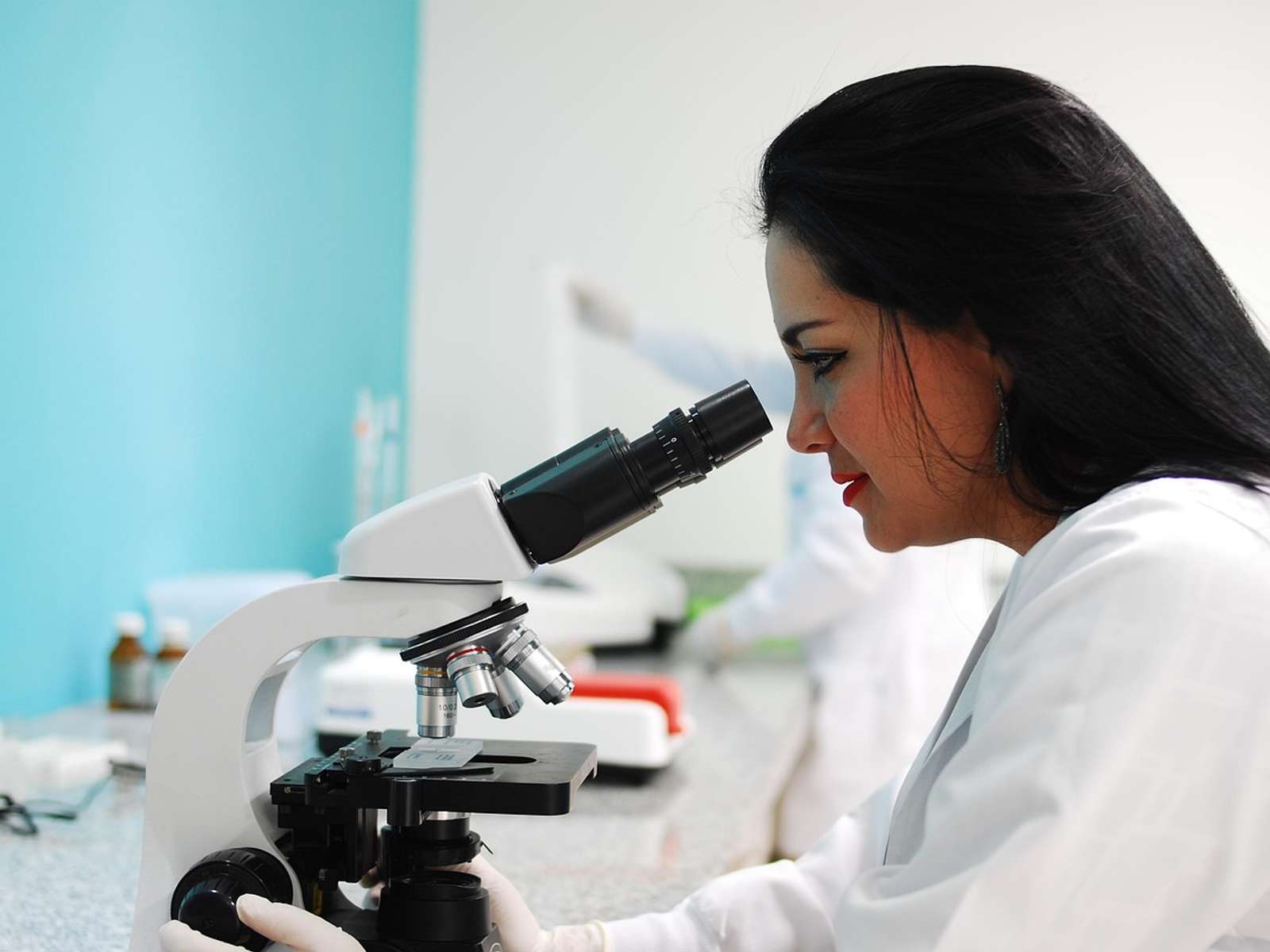
Scientists sequenced mitochondrial DNA in individual brainstem neurons from people with Parkinson's for the first time, finding heavy damage but also a protective response that was stronger in people who lived longer.

The World Health Organization has issued its first guidelines on treating obesity in children and adolescents, putting diet, activity and behavior support first and limiting medicines and surgery to teenagers.
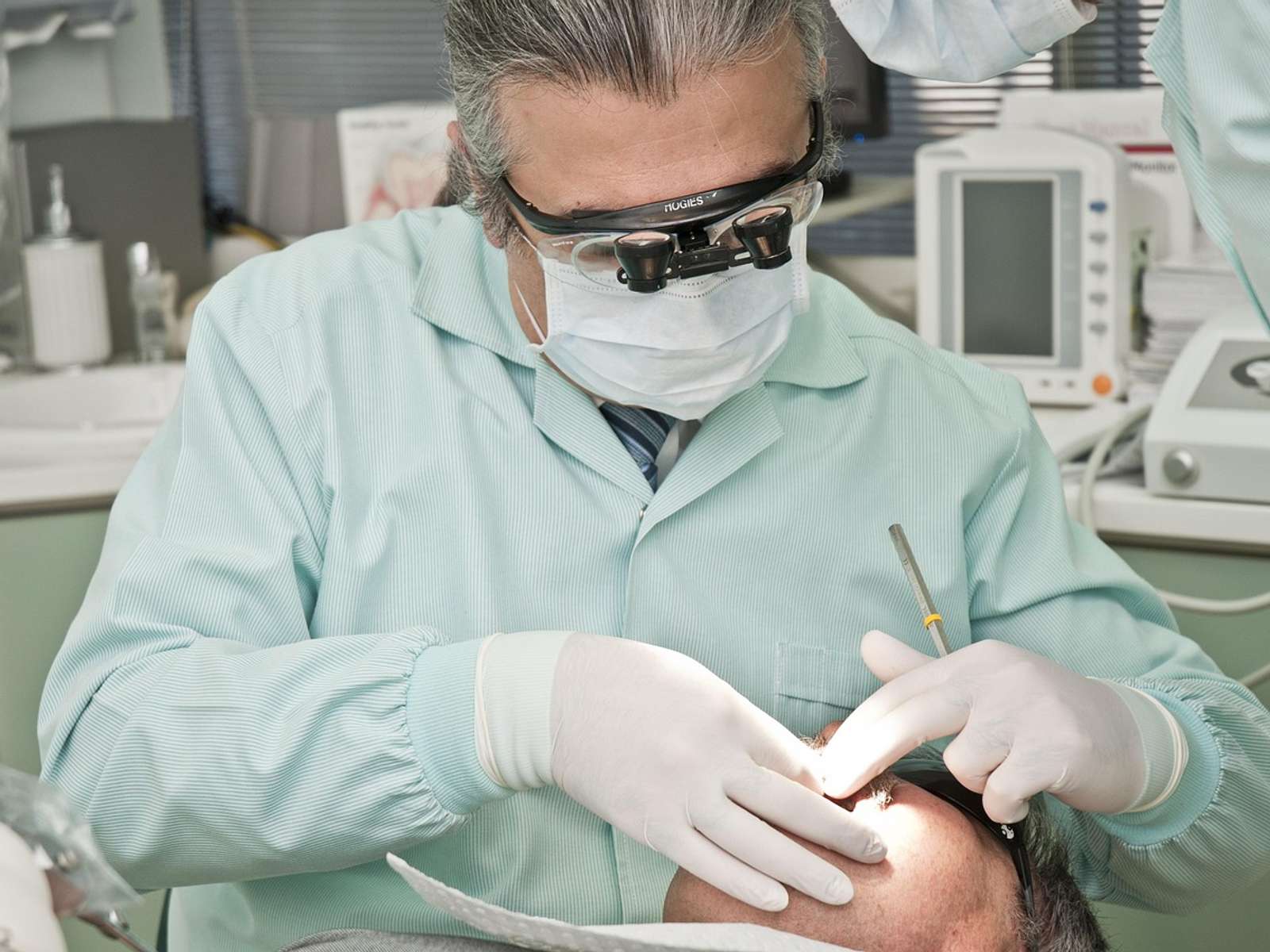
Oral health leaders from 20 Asian countries met in Malaysia at the midpoint of a WHO "100-Day Sprint" to build essential dental care into their universal health coverage plans.
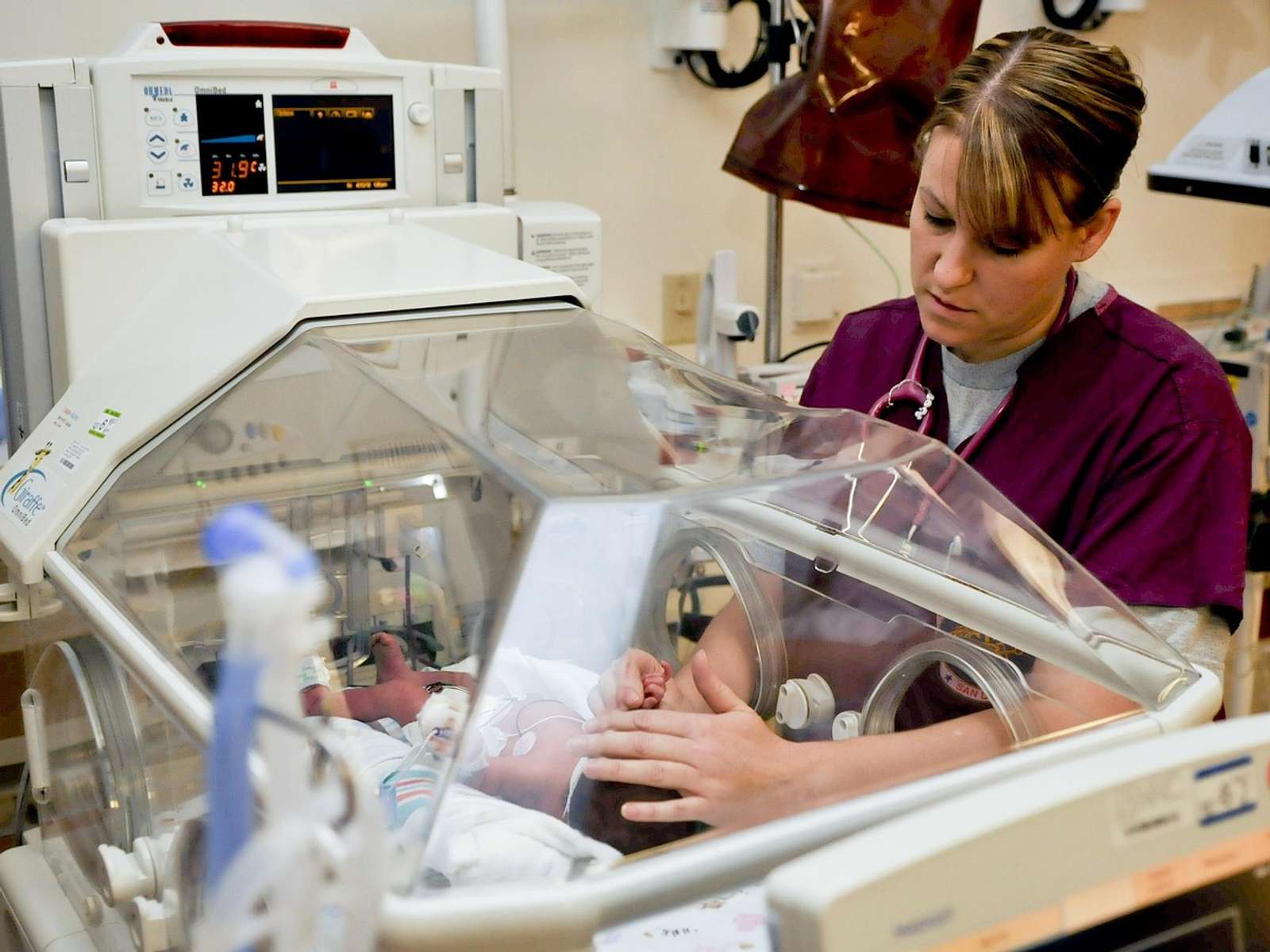
The neonatology center in Kragujevac, Serbia, has received a mobile X-ray machine, funded by UNICEF donors and OTP Bank, that images preterm and sick babies beside their incubators so they do not have to be moved.
Ovarian tissue grows about 2.5 times stiffer with age, and that stiffness cuts the links between eggs and their support cells, a National University of Singapore team found. Blocking the protein SMAD7 partly restored egg maturation in lab cultures.
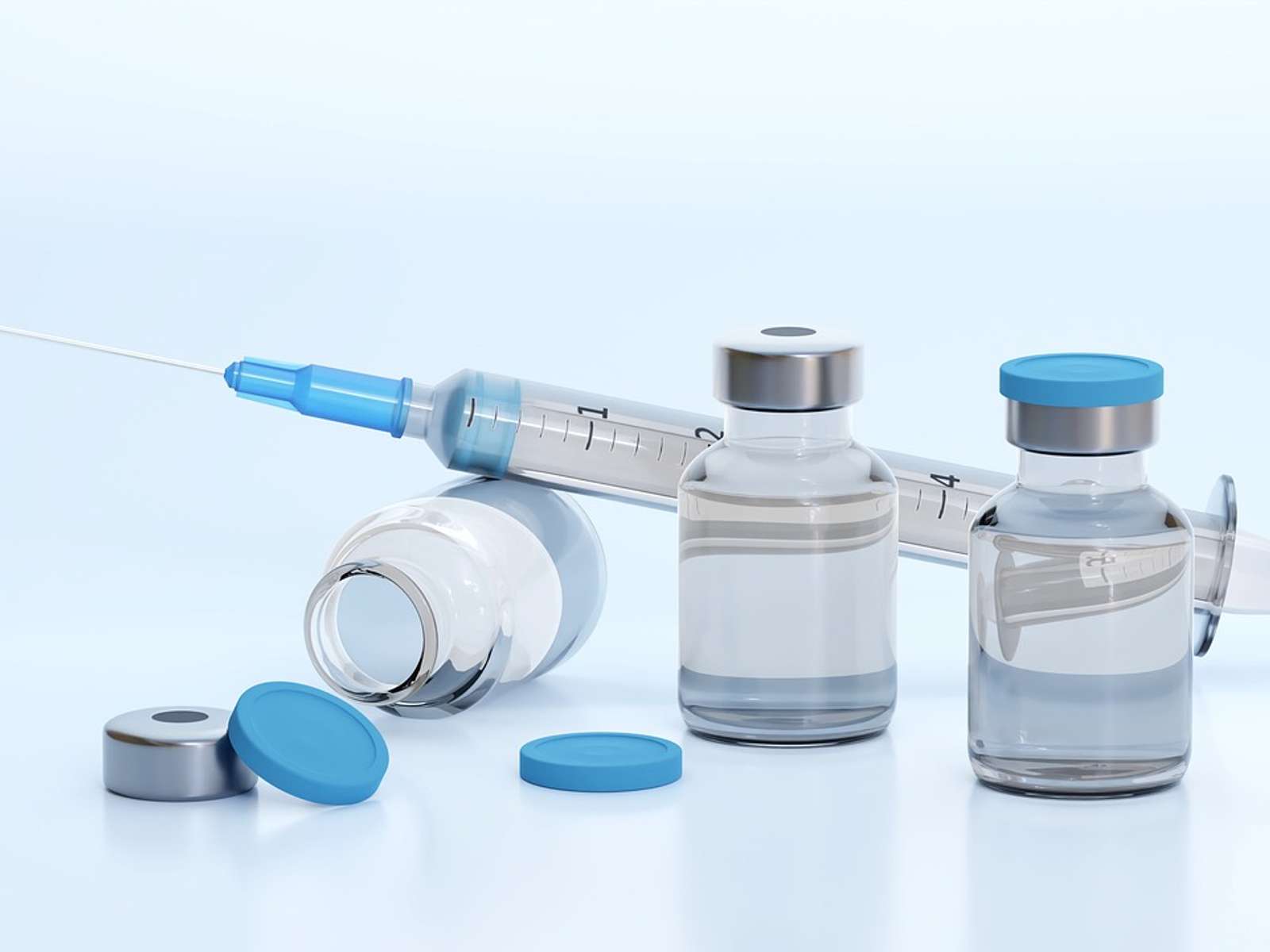
Volunteers in Masaka, Uganda, have received the first doses of ChAdOx1 BDBV, an Oxford-developed vaccine against Bundibugyo virus disease, a severe form of Ebola that has no licensed vaccine. The phase I trial will test safety and immune response.
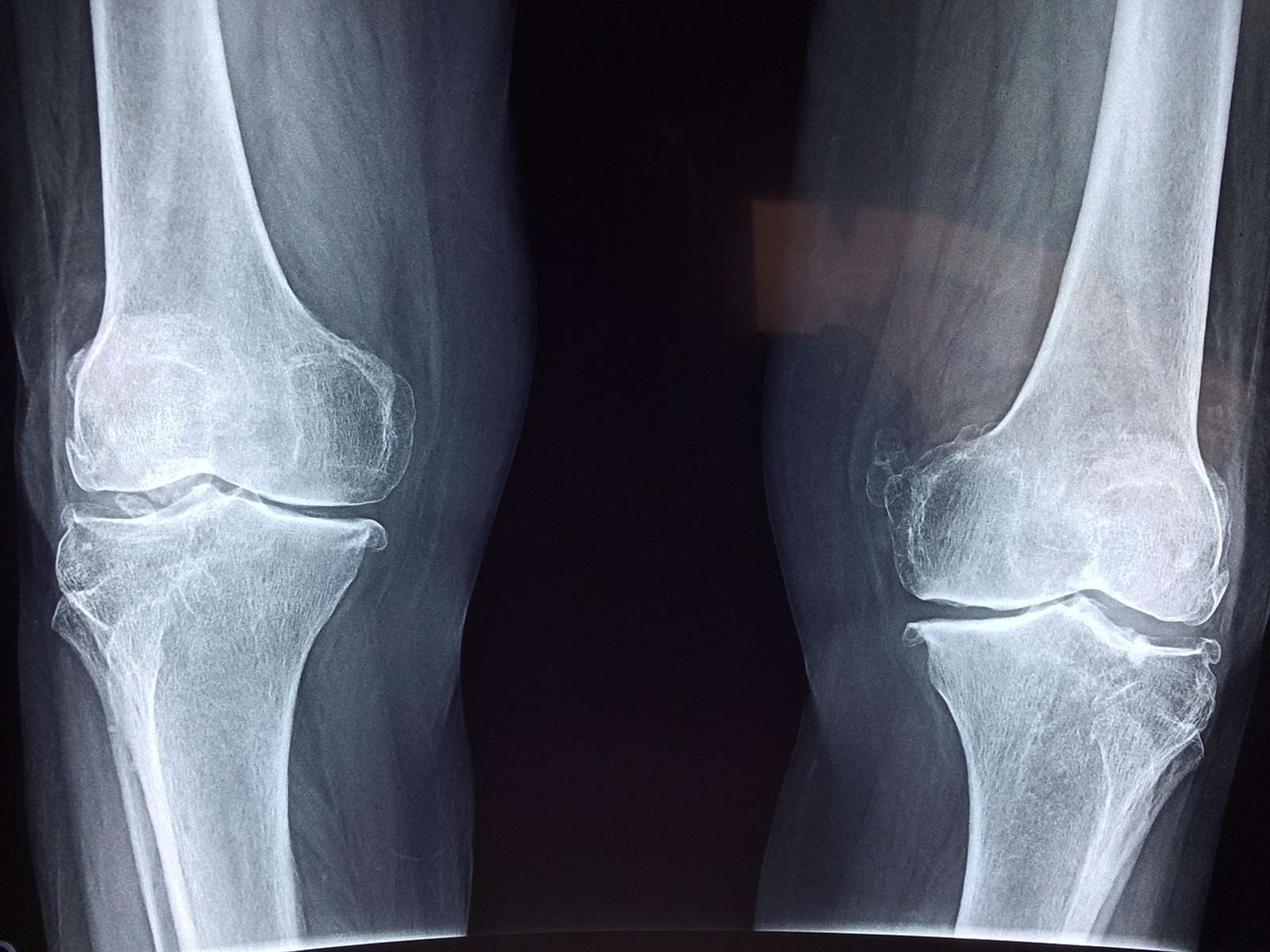
In a first-in-human trial in Murcia, Spain, 10 women with advanced osteoporosis received their own stem cells with a sugar tag that steers them to bone marrow. No serious side effects occurred and fractures fell sharply, but the study had no control group.
In a Vanderbilt pilot study of 16 women with obesity and prediabetes, empagliflozin reduced blood cell clumps linked to heart disease within two weeks. Women on a low-calorie diet did not show the drop. A larger placebo-controlled trial is now enrolling.
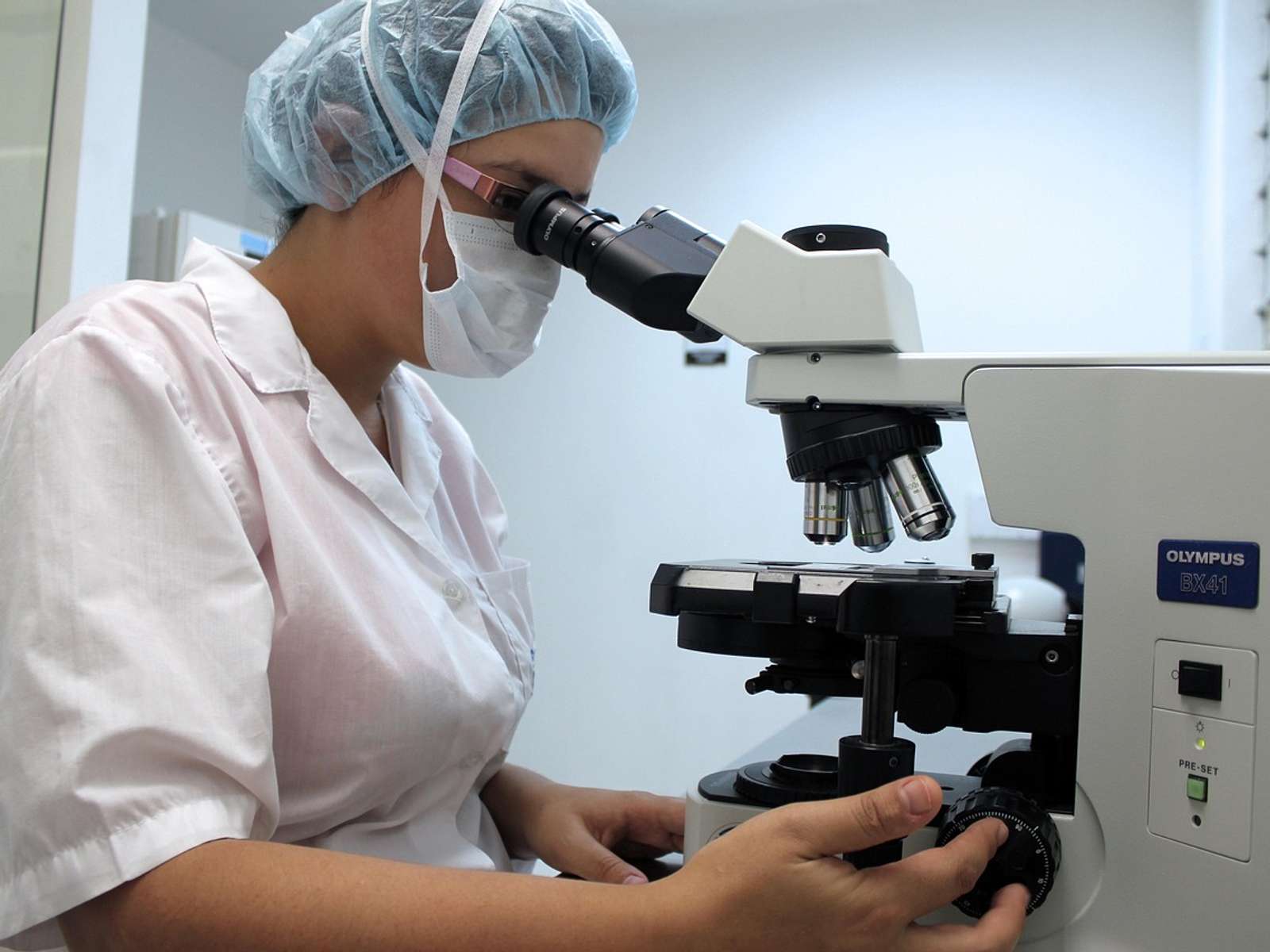
Memorial Sloan Kettering researchers found that the signaling molecule MEK drives T cells into exhaustion by making them overspend energy. Blocking it helped the cells persist in lab and animal models. MEK inhibitors are already approved drugs, but no patient has been tested yet.
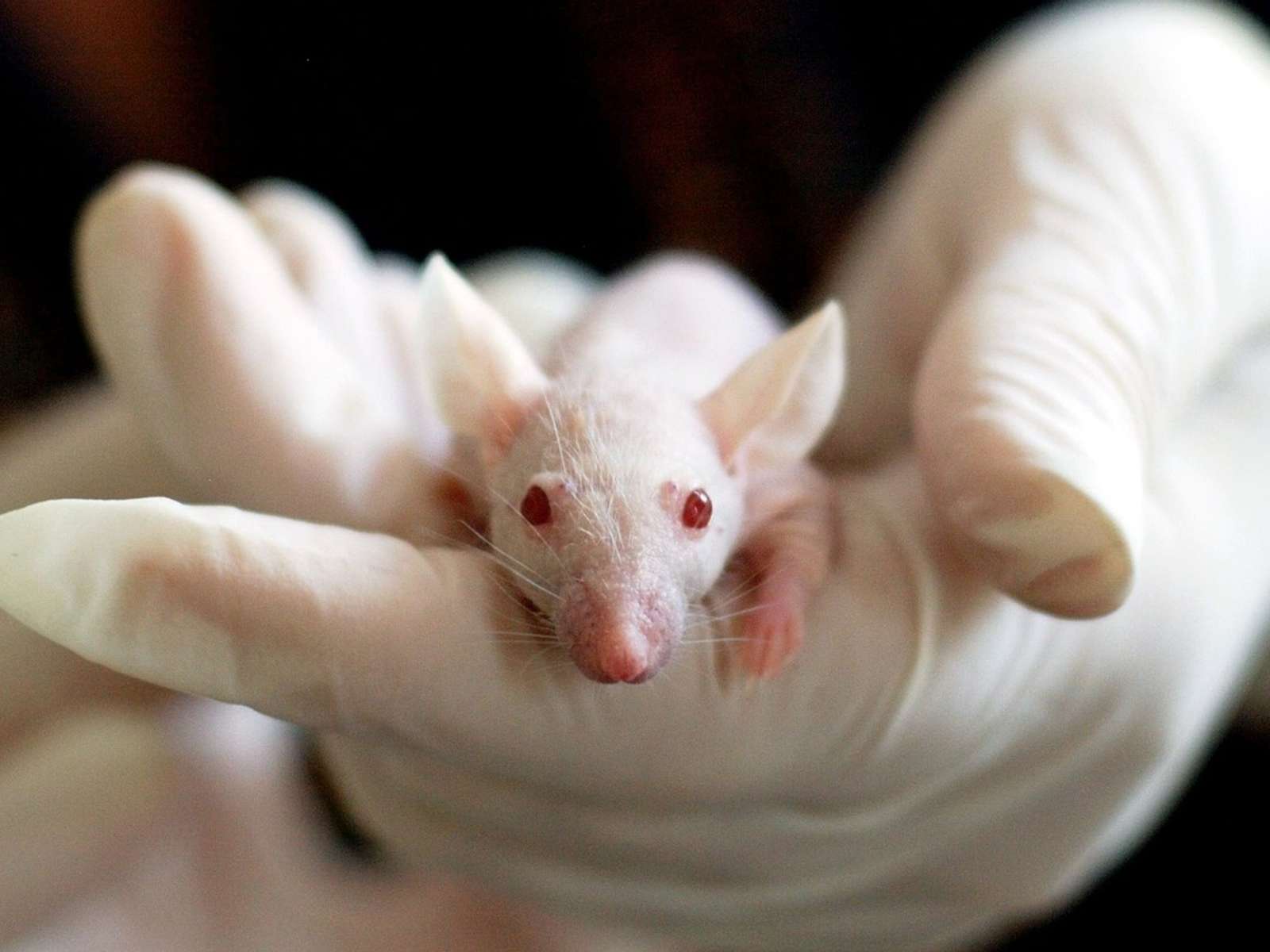
A Cedars-Sinai-led team found that the enzyme UBE2N drops in liver cells as fatty liver disease turns into MASH, and that bringing it back to normal levels in mice reduced fat buildup, inflammation and scarring. The work is preclinical.
In a University of Calgary trial, 82% of 24 glioblastoma patients given high-dose niacin with standard treatment had no cancer progression after six months, against about 54% in earlier studies. The trial is small and has no control group.

In a randomized trial of adults under 45, 54% of those on a low-calorie diet with supervised exercise reached type 2 diabetes remission at 24 weeks, versus 4% receiving usual care, researchers at McGill and Leicester report.

Stanford researchers' urine test, uRARE-seq, detected localized bladder cancer with 95% sensitivity at 90% specificity in 683 samples and flagged which patients were more likely to respond to BCG immunotherapy.
The FDA has approved pirtobrutinib (Jaypirca) for adults with previously untreated chronic lymphocytic leukemia, after a 282-patient trial found it cut the risk of progression or death by 80% compared with chemoimmunotherapy.

Patients who got free plant-based grocery packages from a clinic food pantry for an average of 2.7 years saw diastolic blood pressure, weight and BMI fall in step with how many packages they received. The study had no control group.
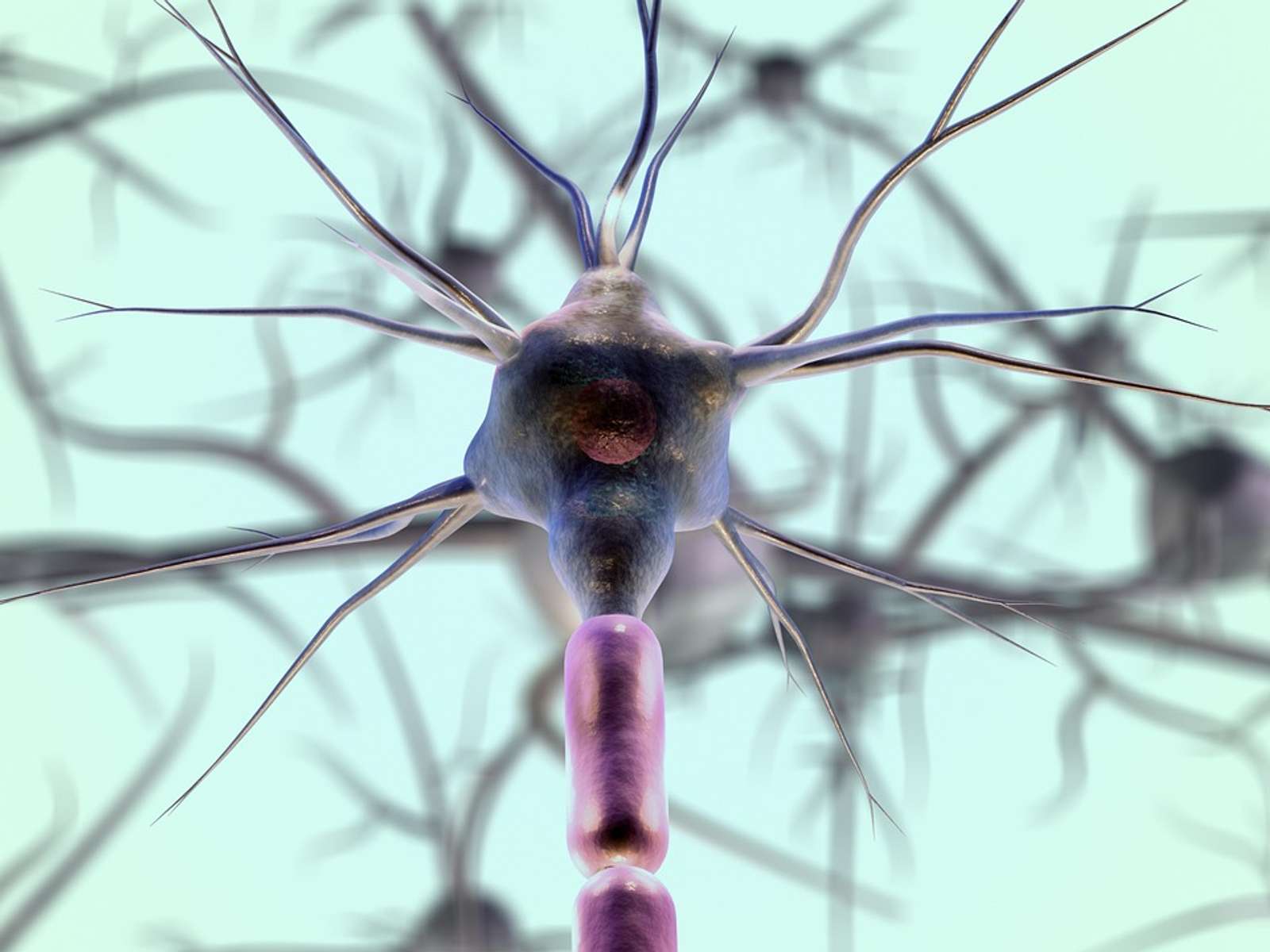
Northwestern chemists built self-assembling threads with precisely placed electric charges. In cell cultures, neurons treated with them grew longer branches, showed four times more calcium activity and formed more synapses.
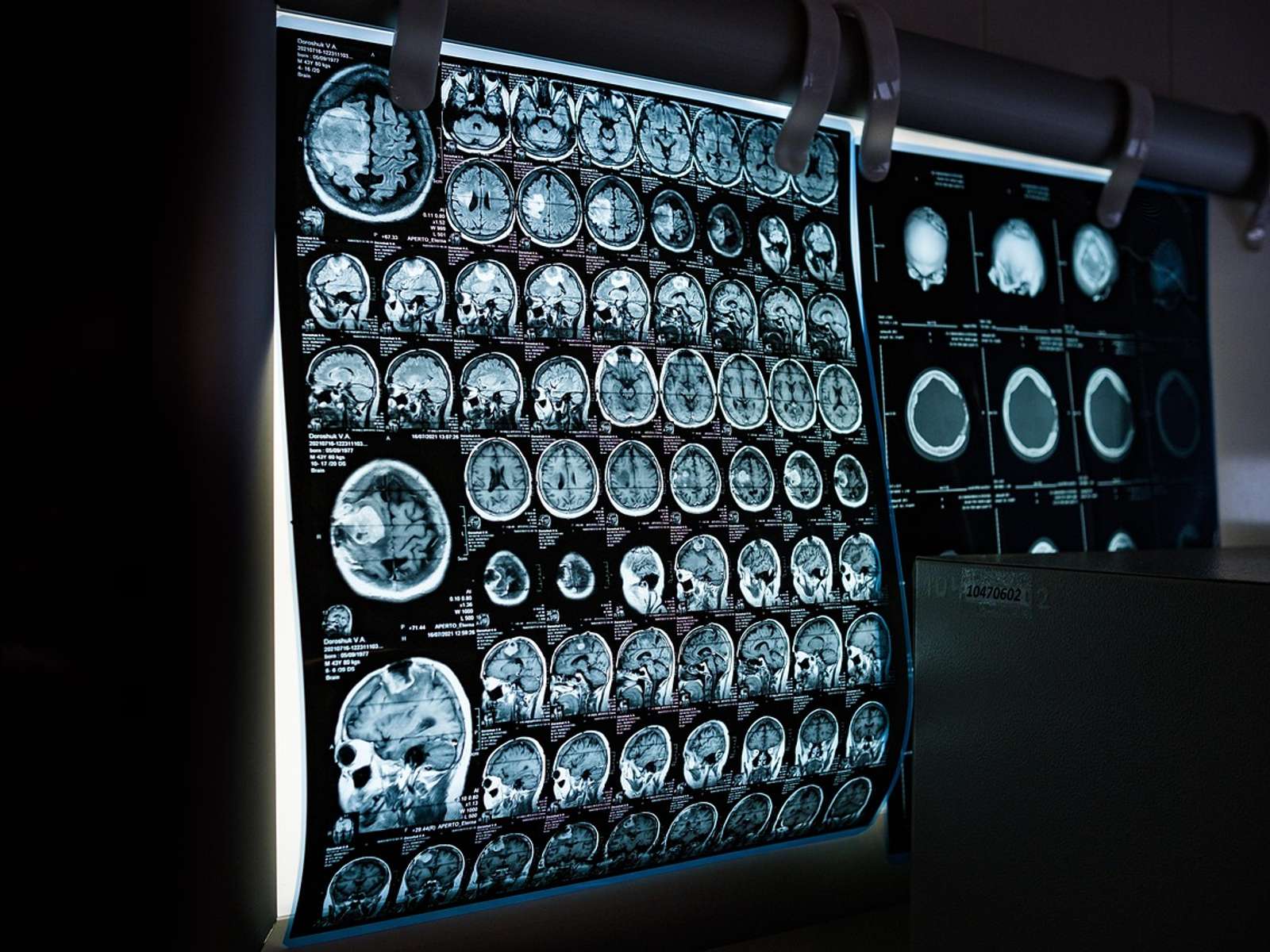
UC San Diego Health says it is the first West Coast health system to use a new coil that blocks the artery feeding chronic brain bleeds, a condition that is becoming more common as people age and take blood thinners.
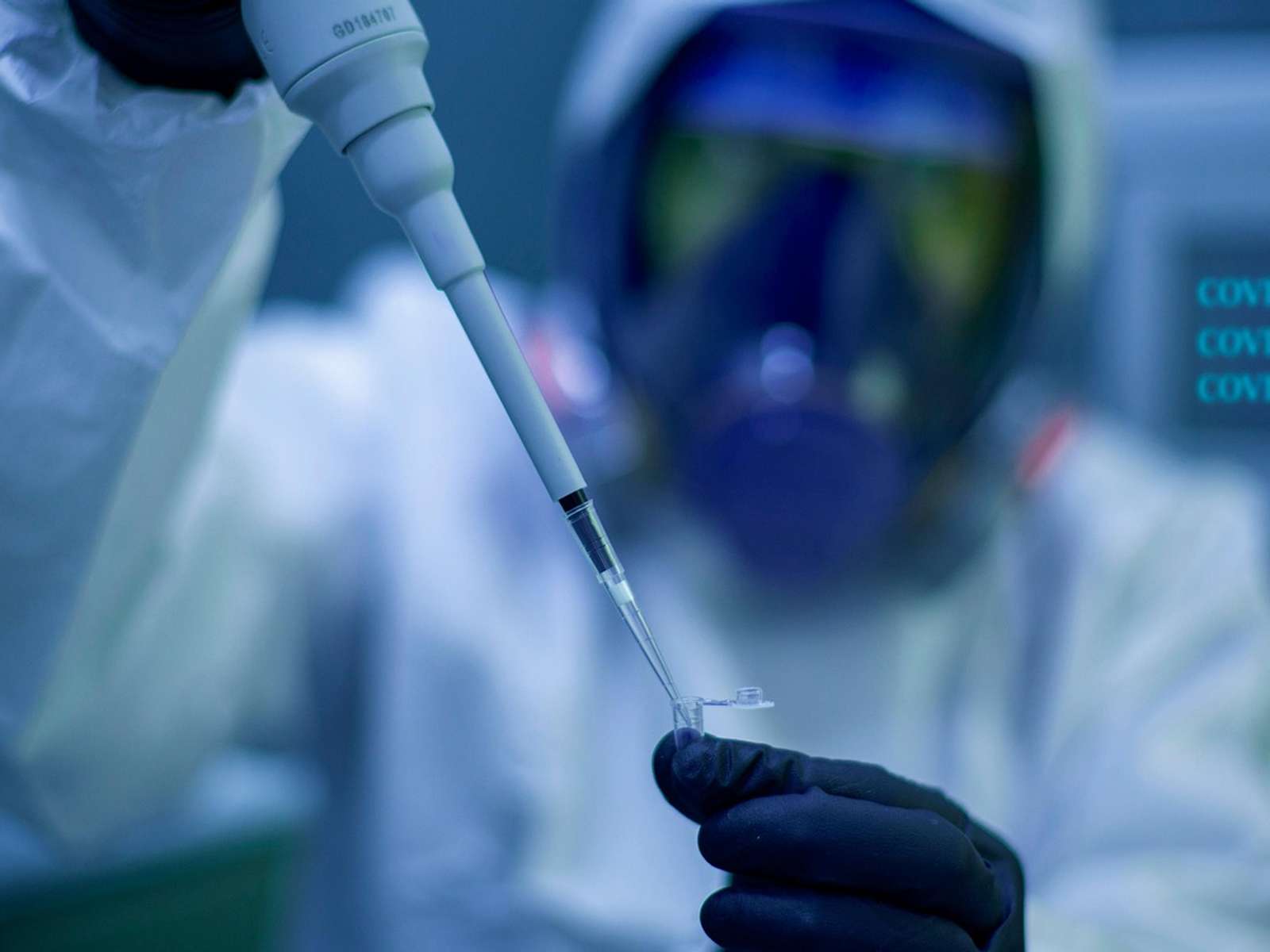
University at Buffalo researchers grew tiny salivary glands from human stem cells. Transplanted into mice, they survived more than 40 days and formed saliva-making cells, an early step toward treating severe dry mouth after cancer radiation.
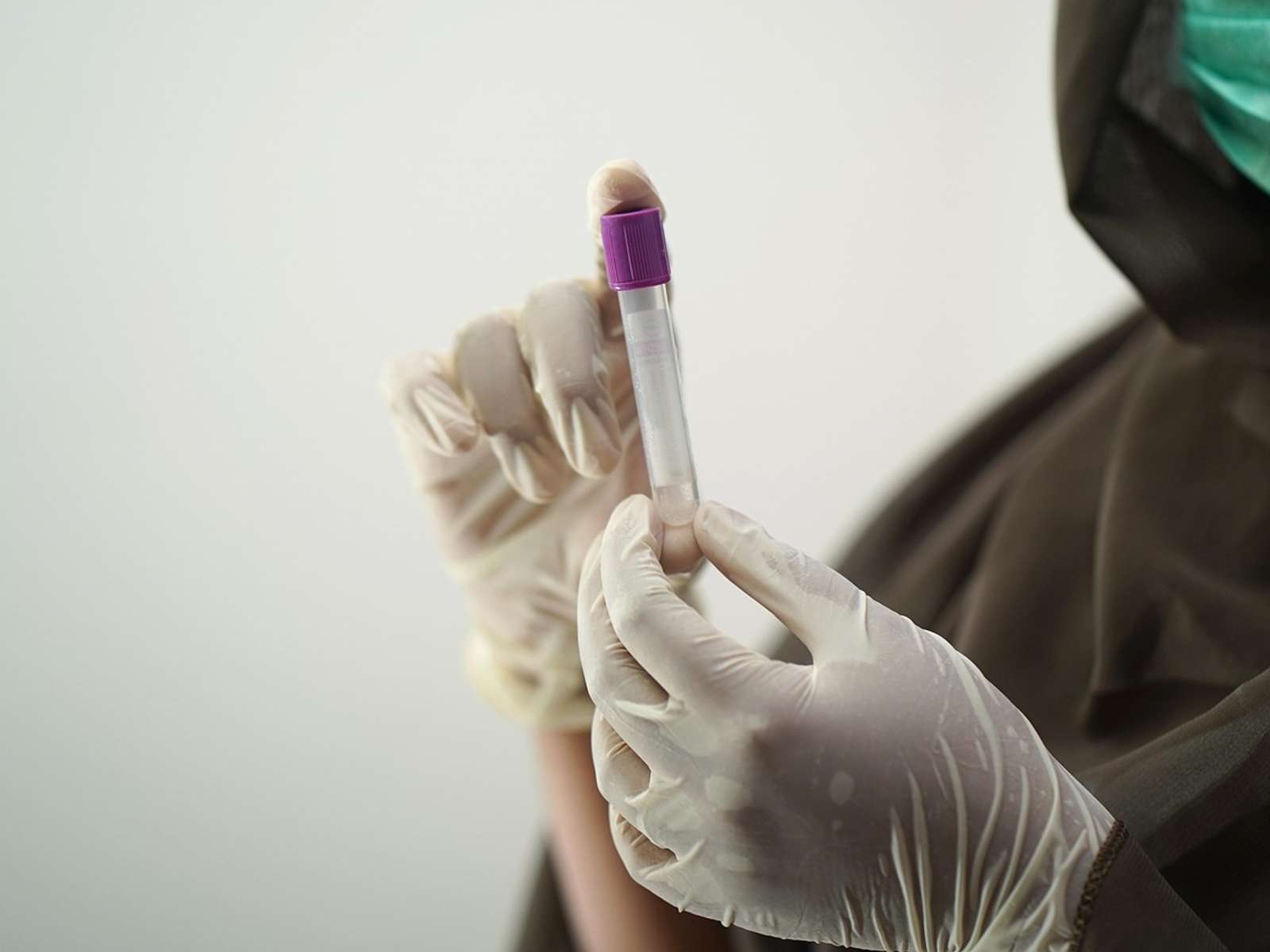
University of Hawaiʻi researchers found 31 small RNA molecules in stored blood samples that were linked to lung cancer up to a decade before diagnosis. The study covered 202 smokers and still needs testing in other groups.

A large Danish study found that people who started statins within a year of a type 2 diabetes diagnosis had a 15 percent lower relative risk of dementia over the next decade than those who never started treatment.
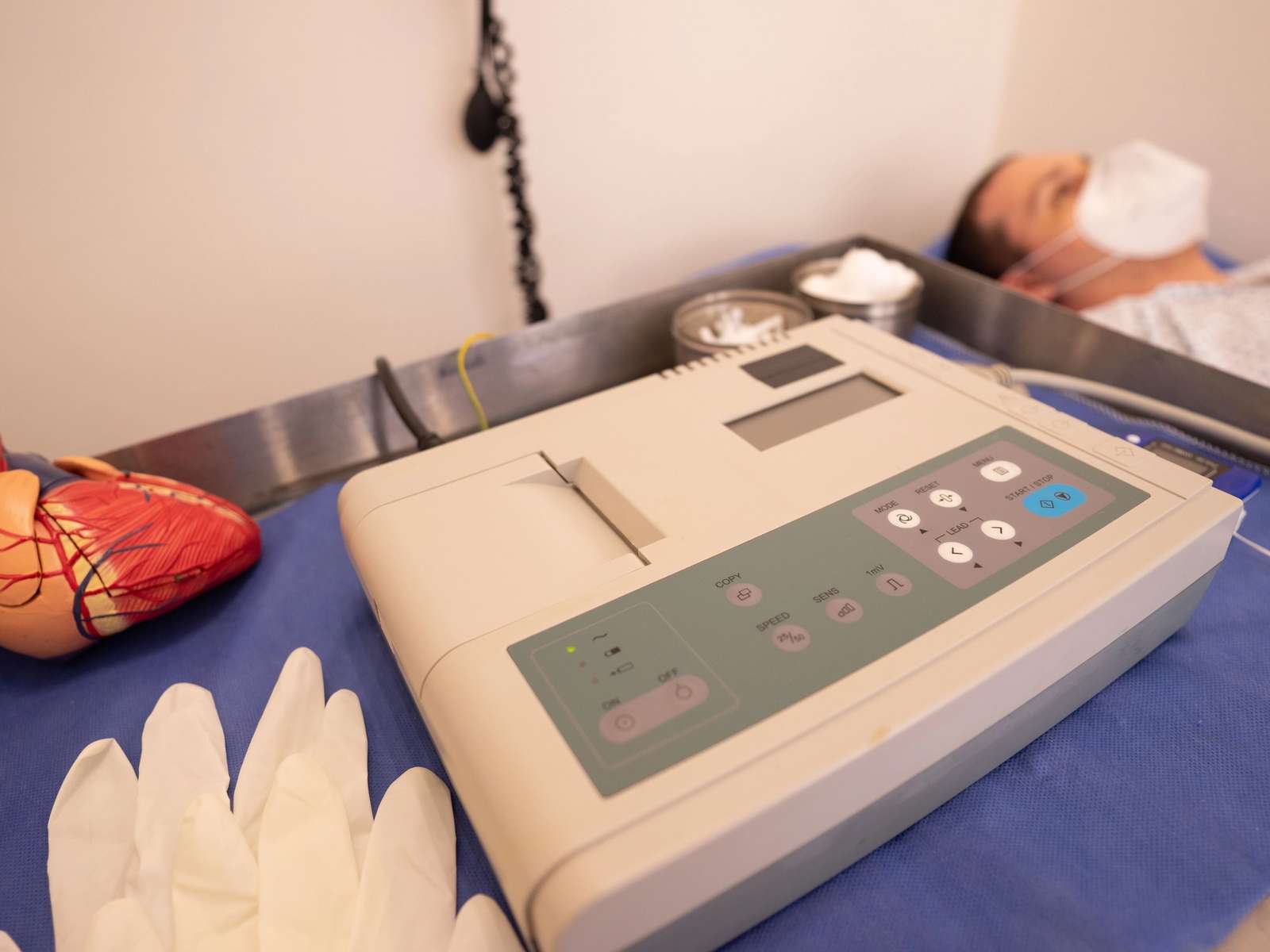
A German trial found that a minimally invasive tricuspid valve repair cut the risk of death or heart failure hospitalization by roughly 60 percent over three years in high-risk patients, resolving a question that had lingered since earlier trials.

A nurse-coordinated care model tested in 1,507 patients across 22 Indian hospitals cut heart failure deaths by 22 percent over two years, addressing one of cardiology's most persistent gaps: patients not receiving medications proven to save lives.