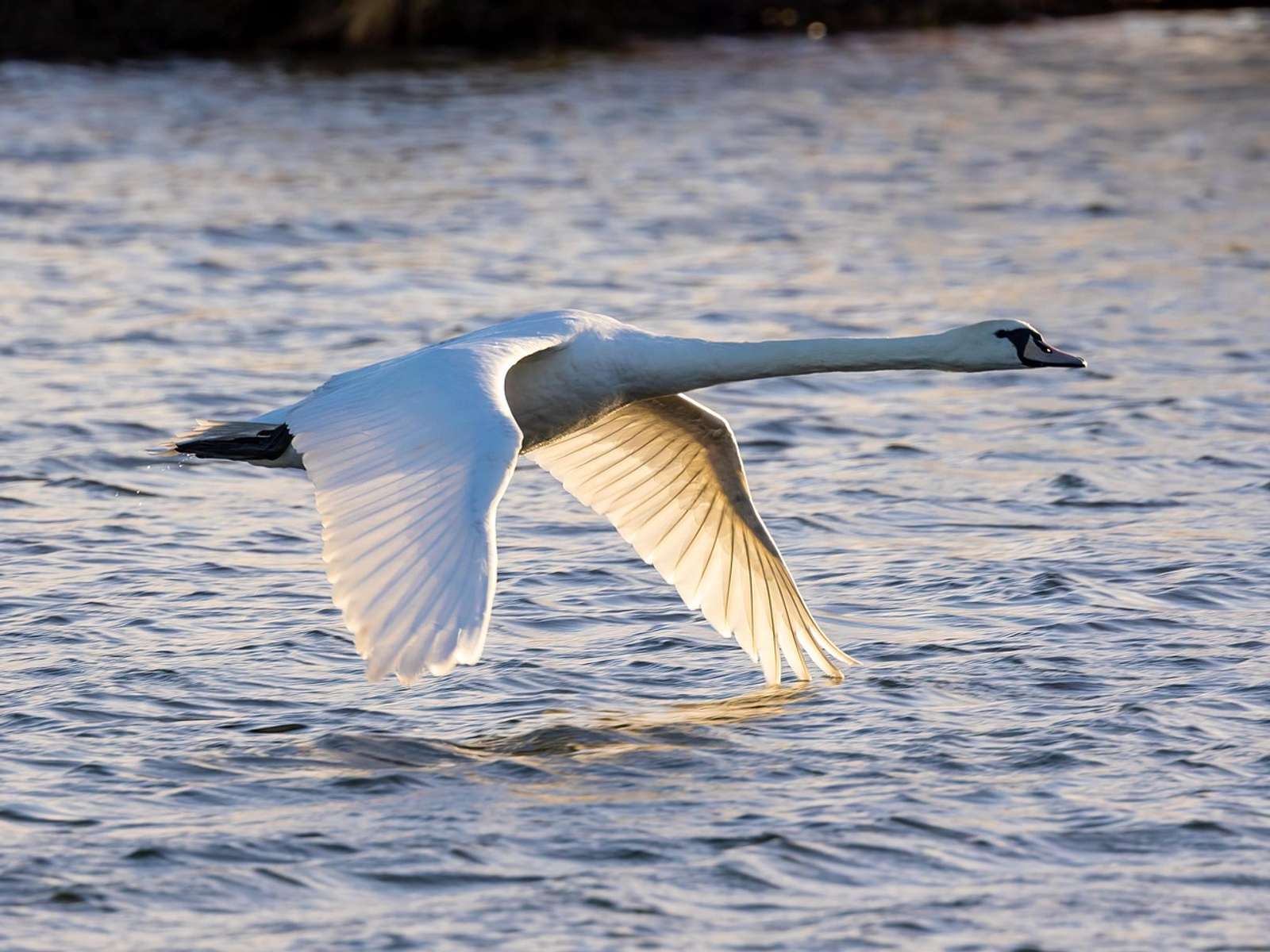
The European Parliament has rejected two attempts to block an EU-wide ban on lead gunshot, clearing the way for a rule that conservationists say will protect around 135 million birds at risk of lead poisoning.
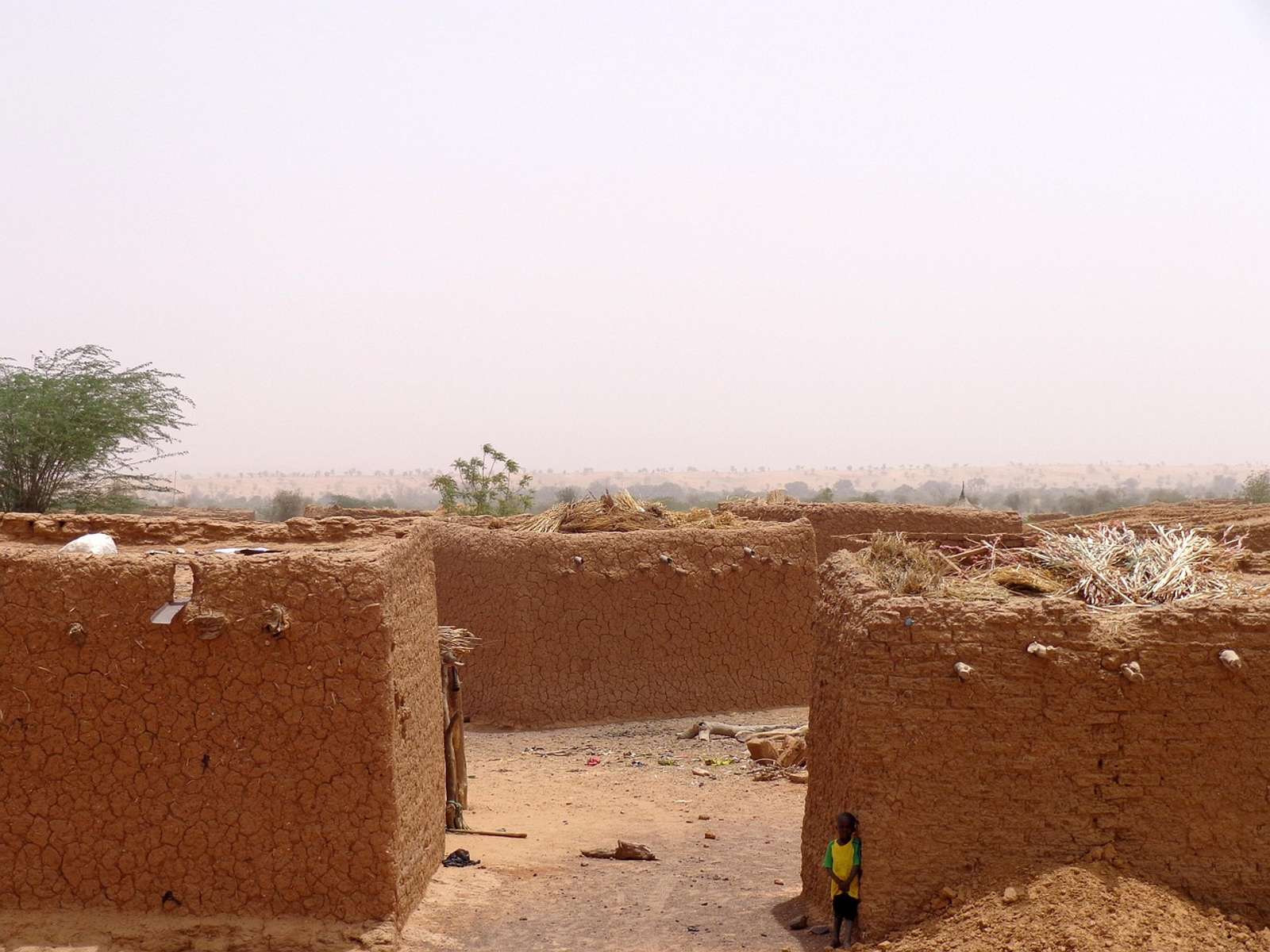
A new US$78 million GEF program, run with UNEP, aims to restore 270,000 hectares of degraded land and improve the livelihoods of 5 million people across nine Great Green Wall countries.
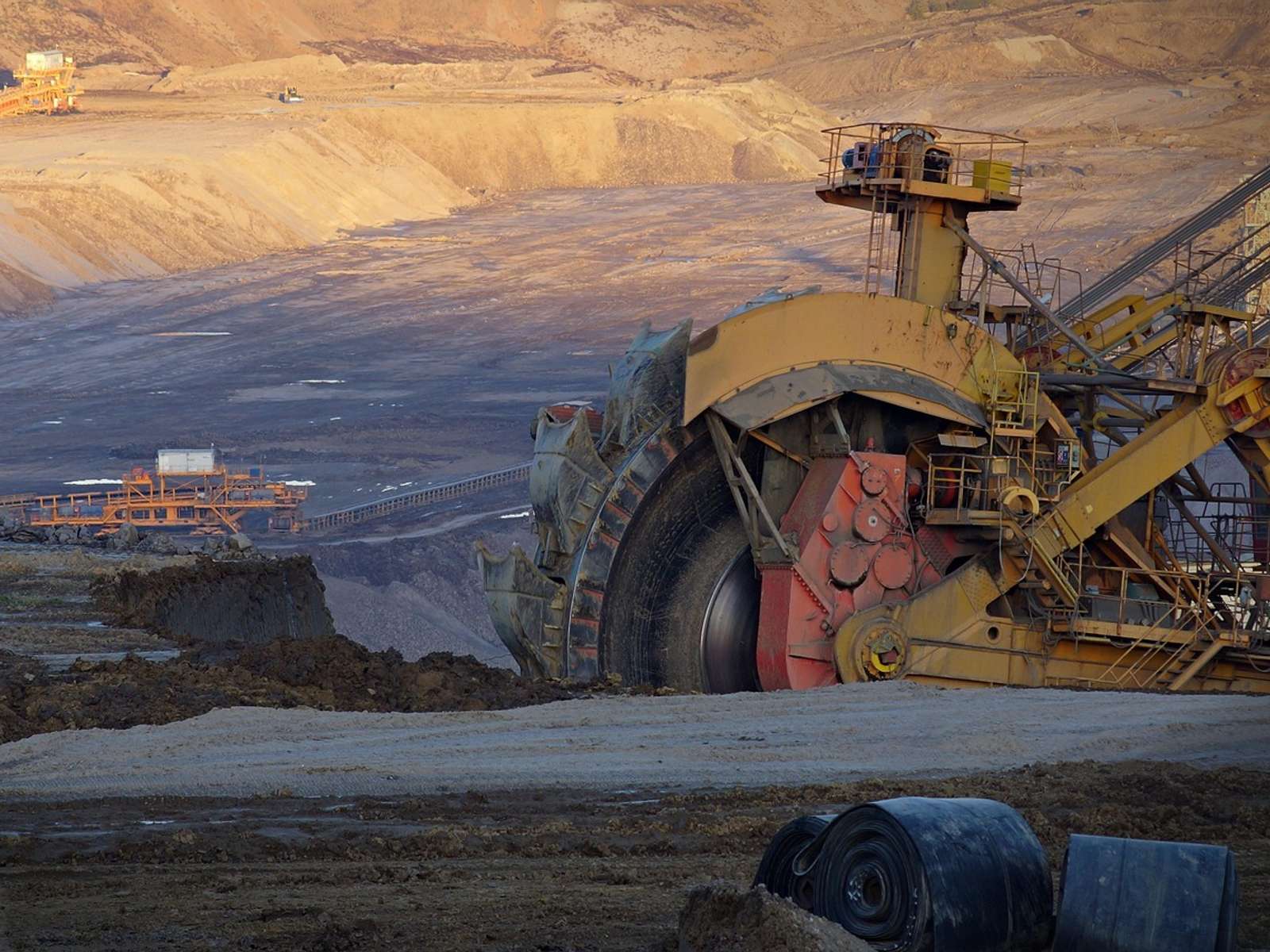
Australia's High Court dismissed MACH Energy's appeal, confirming that the approval of the Mount Pleasant coal mine expansion was flawed because planners had not properly dealt with emissions from burning the exported coal.
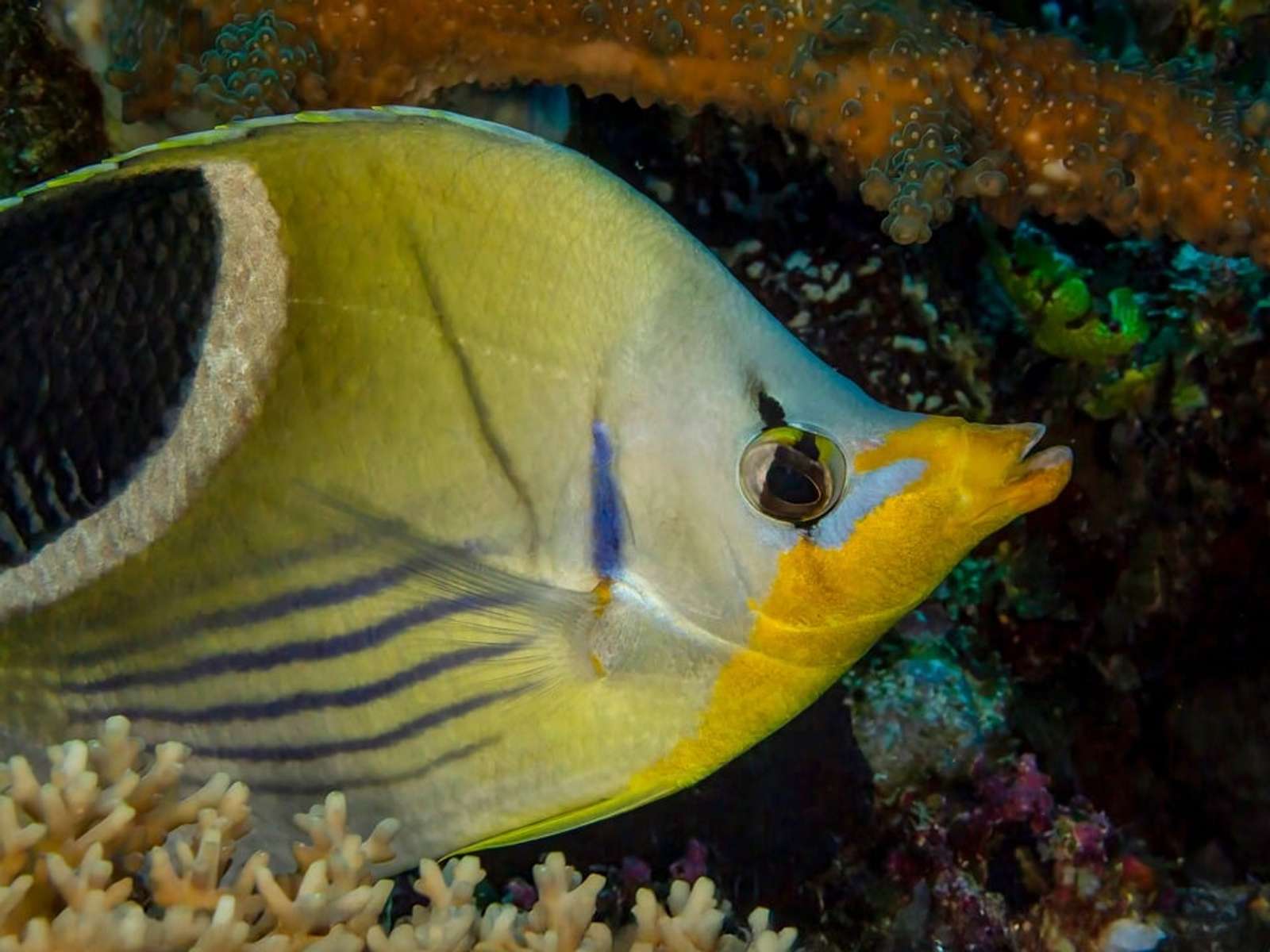
Fiji has launched a National Action Plan for Coral Reef Conservation, drawing on University of Queensland research that identified reefs less exposed to climate stress.
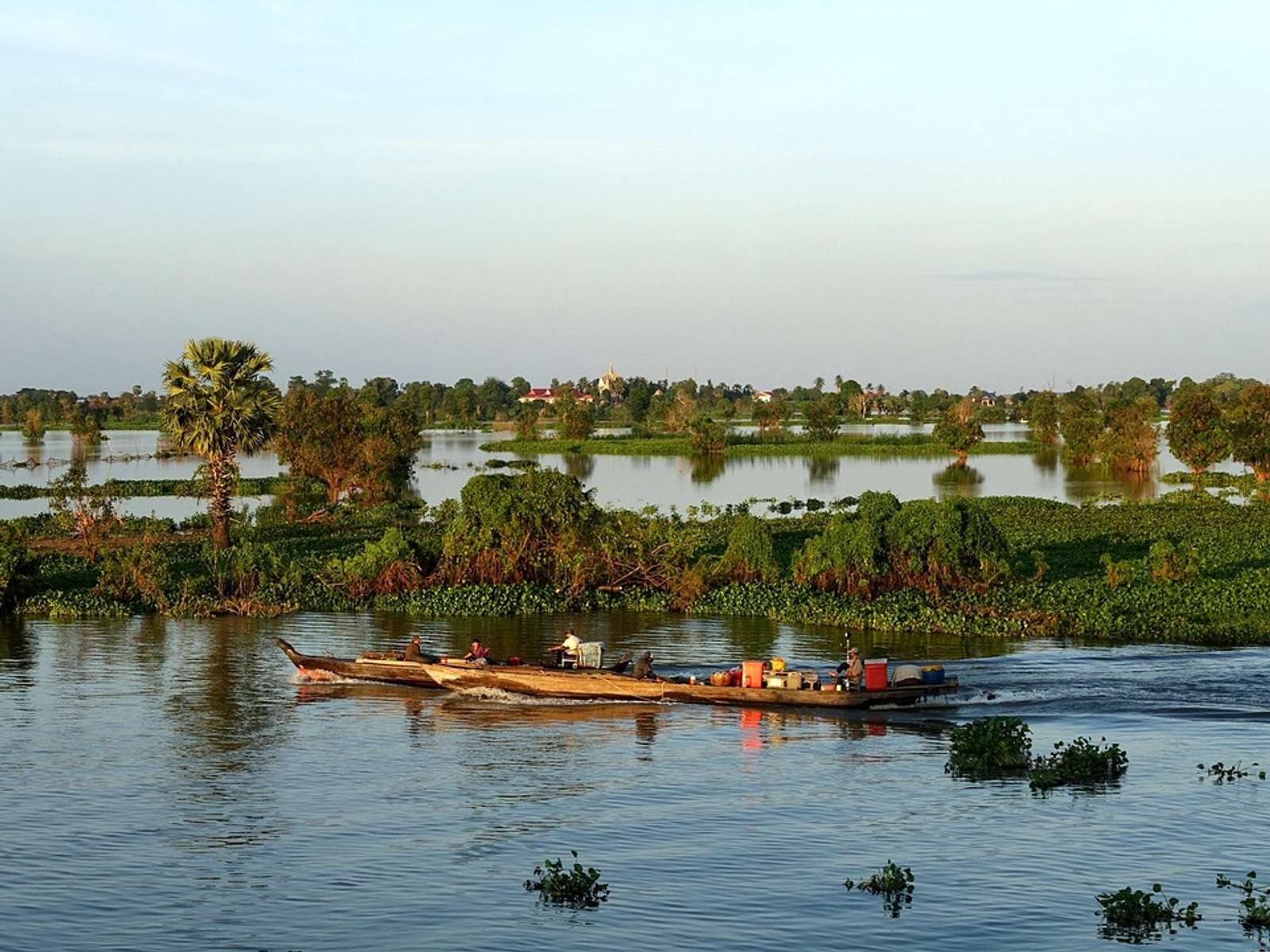
An ADB-backed project built landfills, wastewater plants, drains and latrines in two Cambodian towns on the Tonle Sap, improving services for more than 114,000 residents of Southeast Asia's largest lake basin.
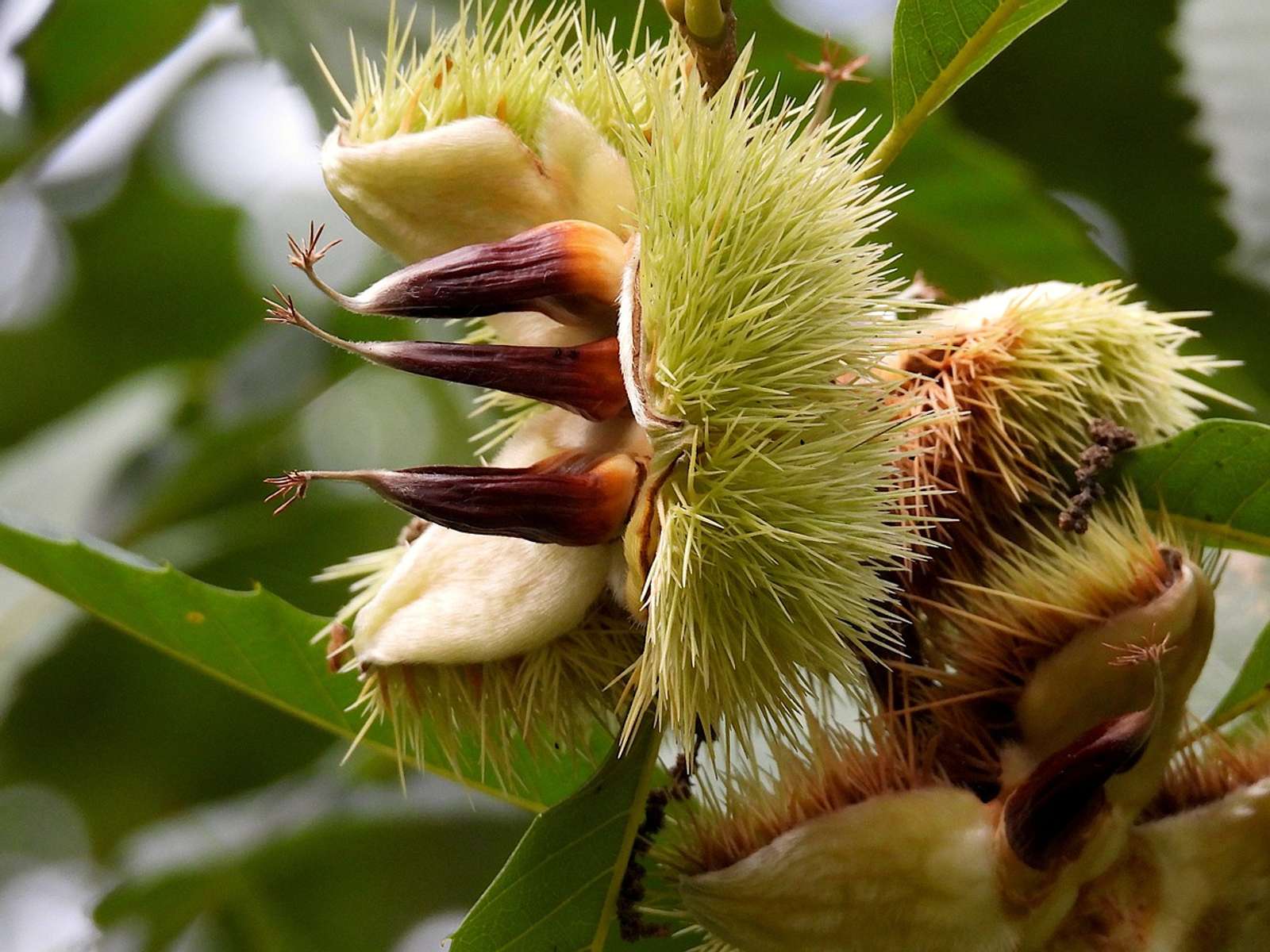
Twenty blight-resistant hybrid American chestnut trees were planted at the Bronx Zoo, where the zoo's chief forester first documented the disease that killed nearly 4 billion of the trees.
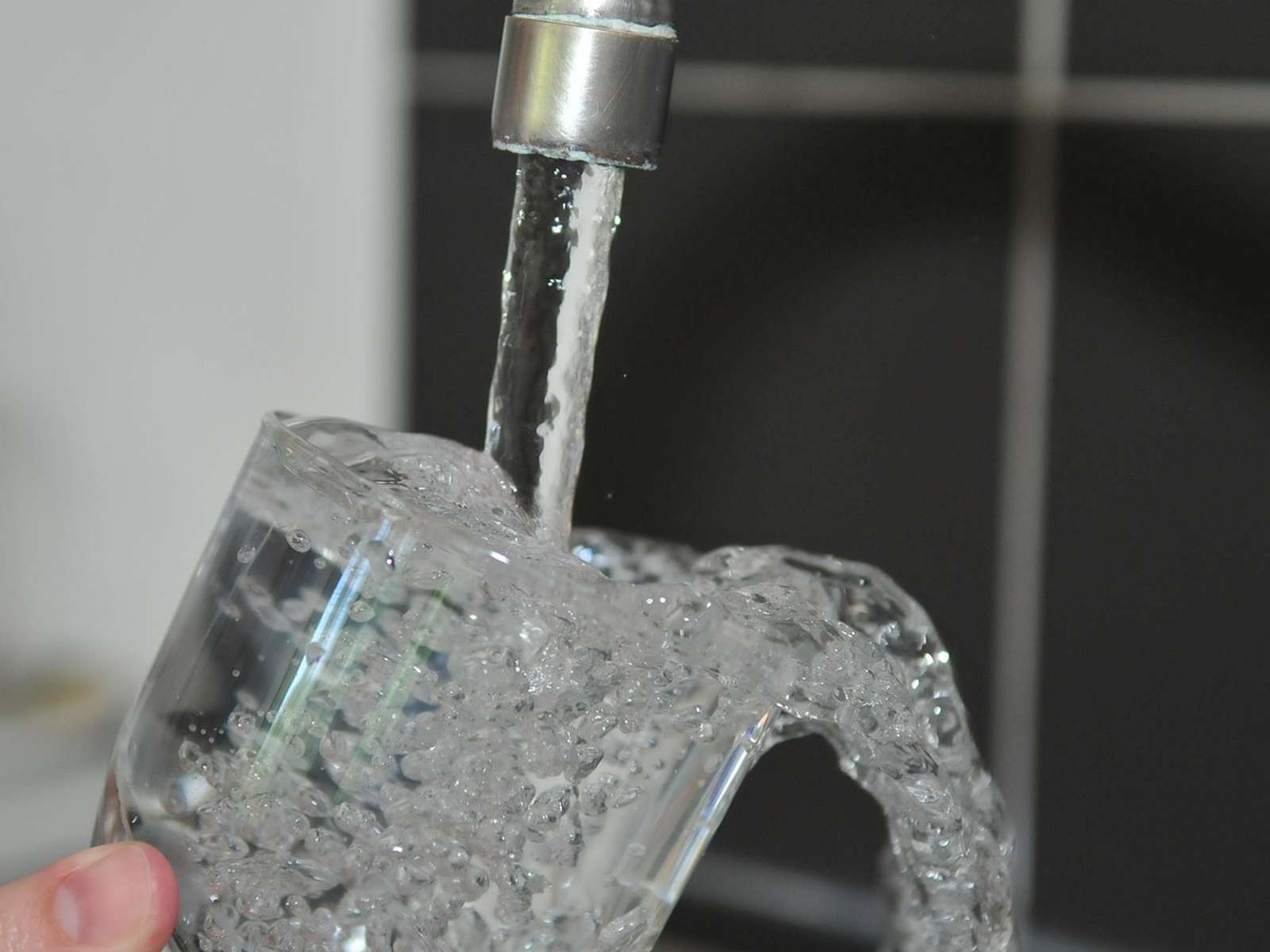
Researchers at Northeast Normal University made a carbon material from invasive staghorn sumac, loaded with nano-magnesium oxide, that captured up to 469.64 mg of fluoride per gram in lab tests. Larger real-world trials are still to come.
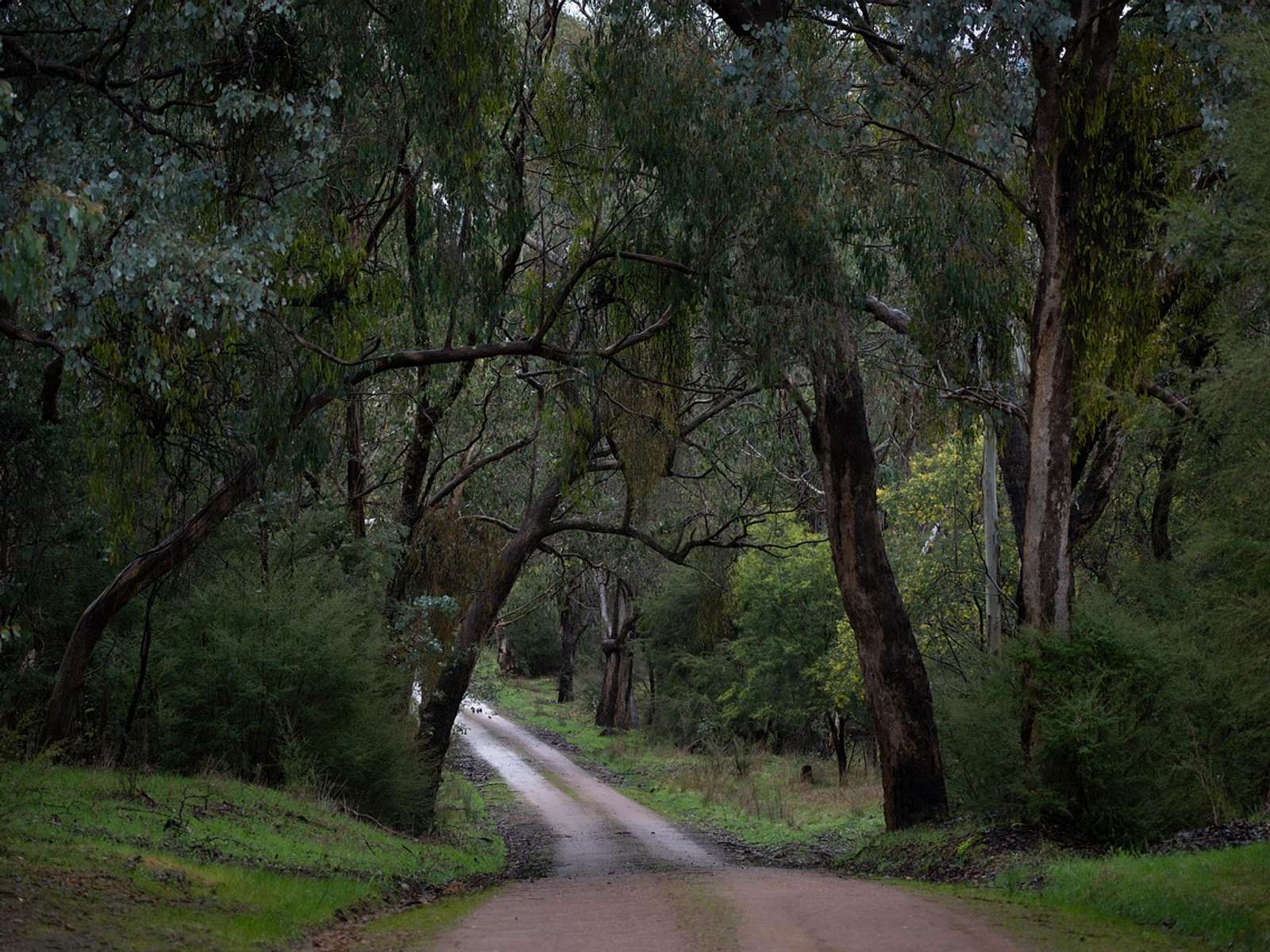
Thirty years after a Victorian logging trial was abandoned, University of Melbourne researchers found heavily thinned mountain ash stands had grown trees 20% wider than untouched forest and had recovered all the carbon removed.
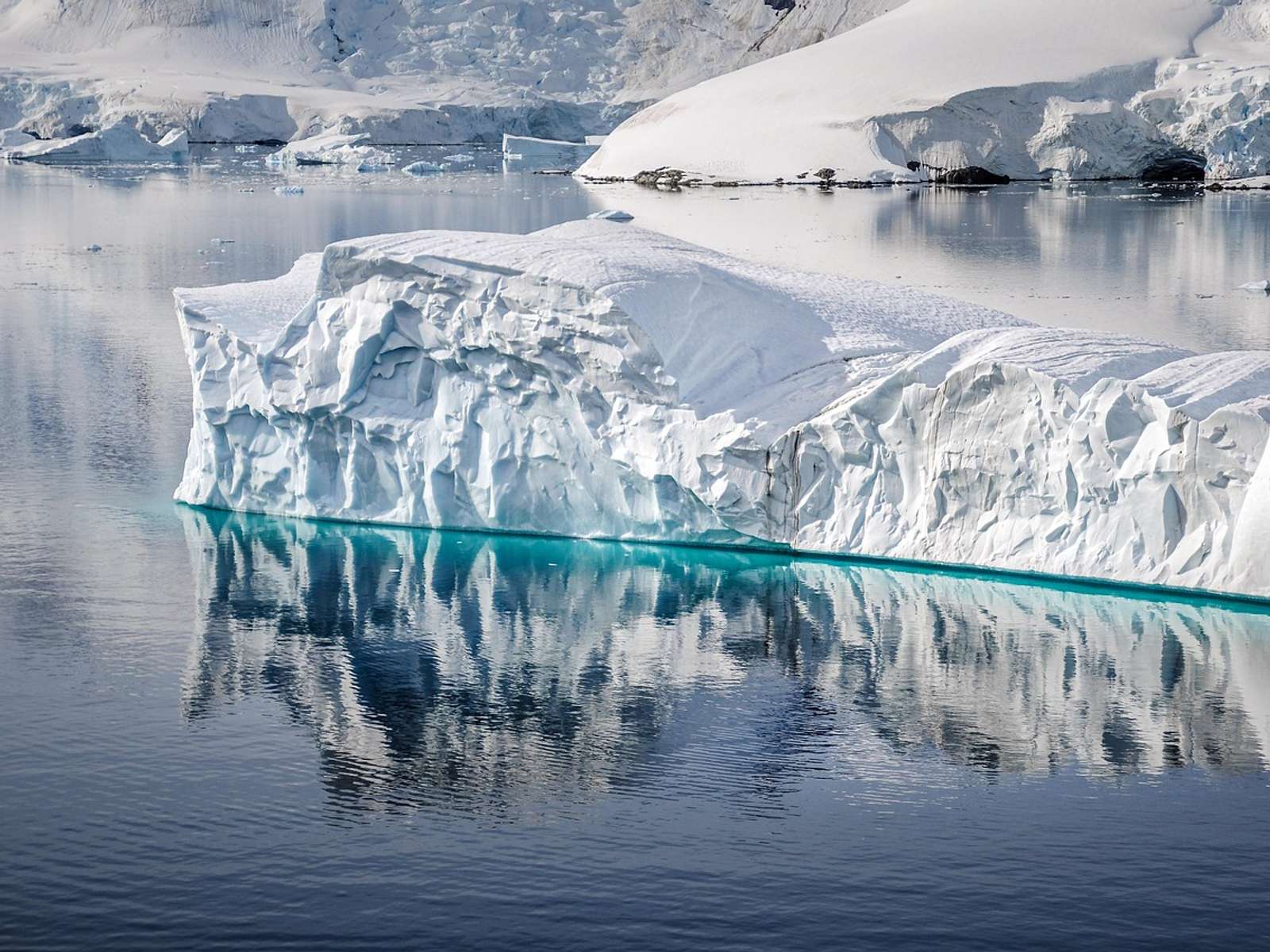
Three turbines on Ross Island have powered New Zealand's Scott Base and the US McMurdo Station since 2009, cutting fuel use by about 463,000 liters (122,000 gallons) a year. Larger turbines and a battery are due to replace them before 2030.
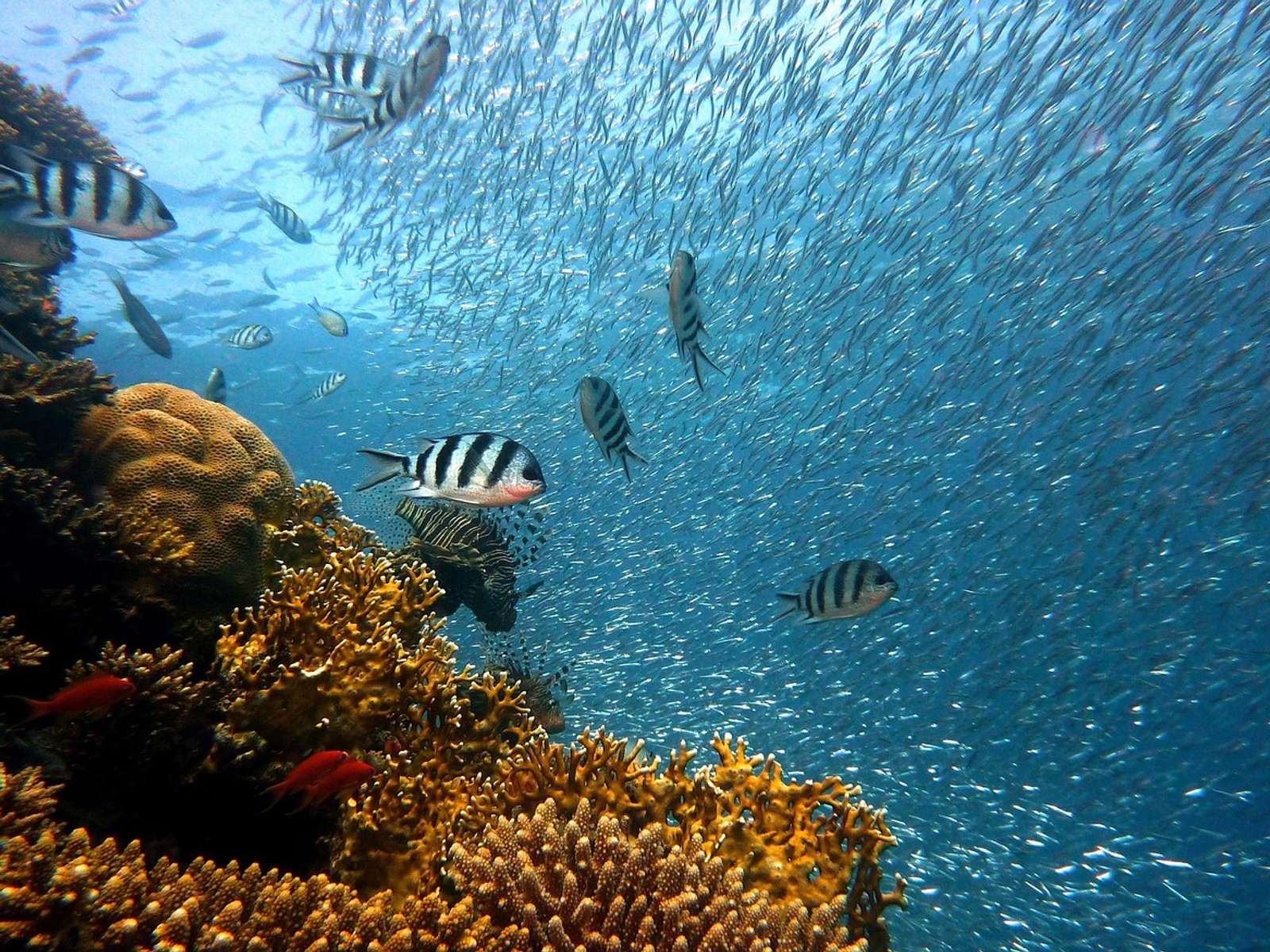
KAUST scientists treated pale corals on a Red Sea reef with coral-derived bacteria during a 2022 heat wave. Treated corals kept their photosynthetic efficiency while placebo corals declined, a Cell Reports study shows.
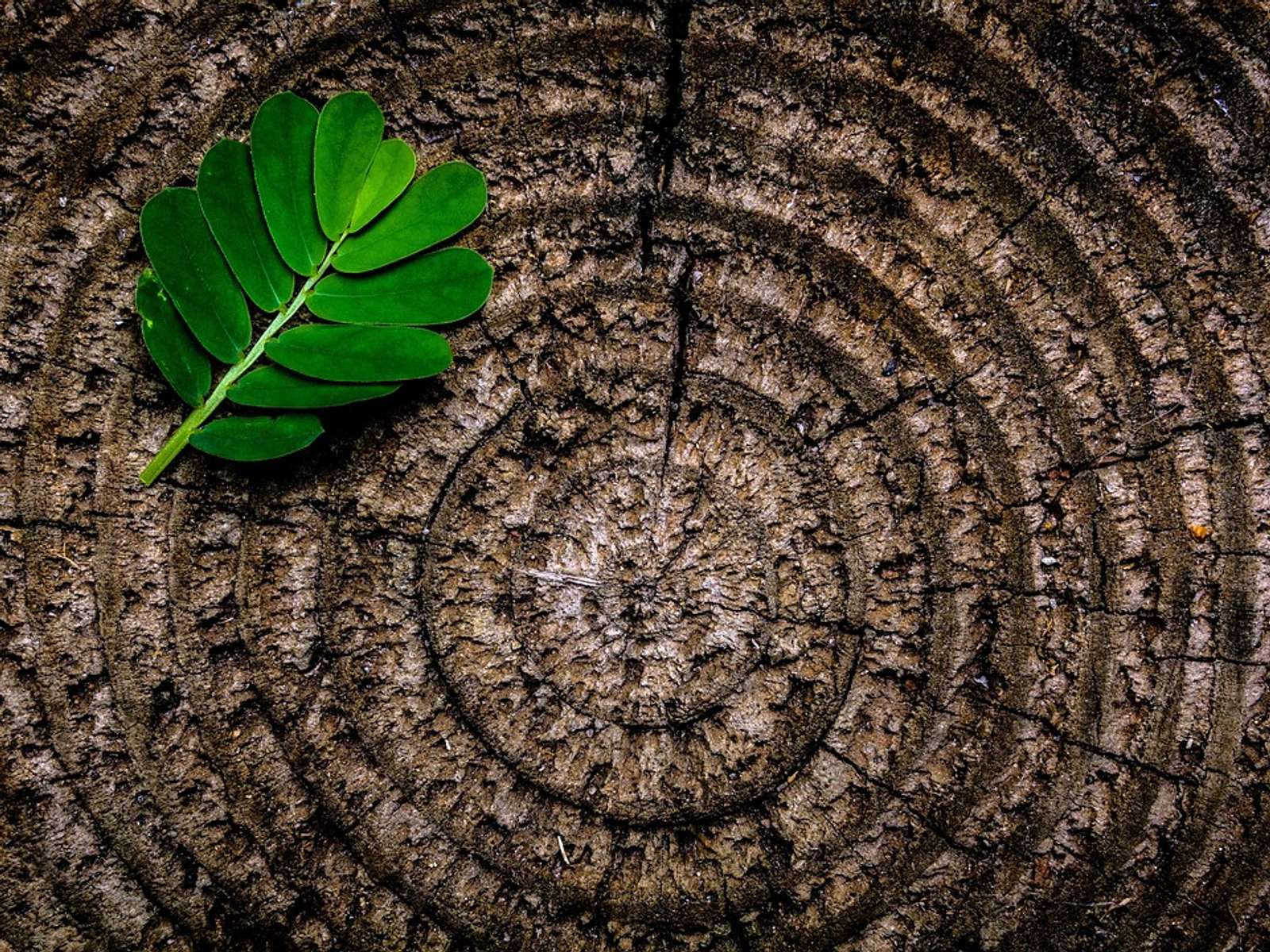
New aerial photos released by the National Trust show a thick ring of shoots, two to three feet tall, growing from the stump of the Sycamore Gap tree on Hadrian's Wall, three years after it was illegally cut down.
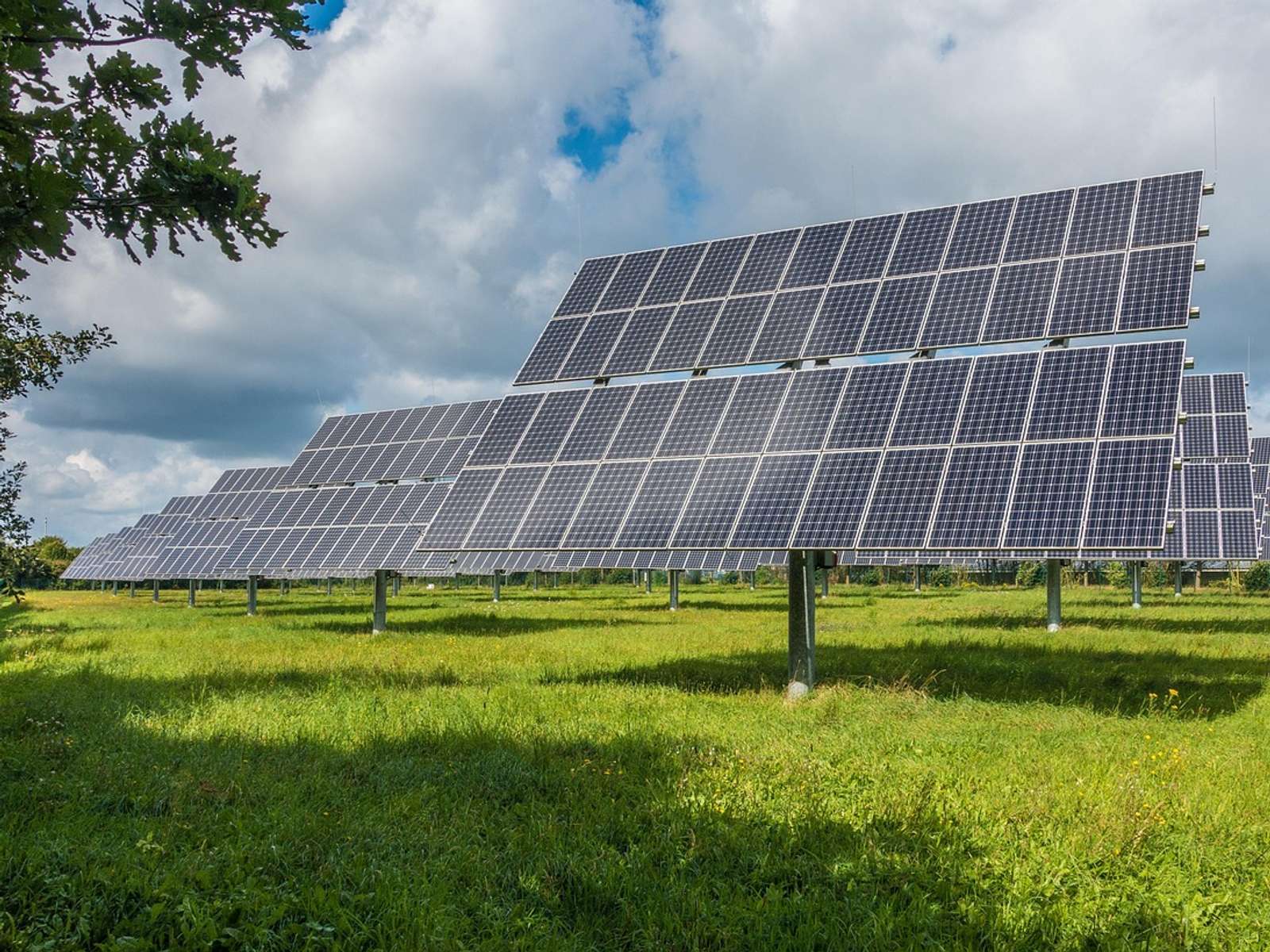
India's cabinet approved the third phase of its Green Energy Corridor: new state-level transmission lines to carry up to 135 GW of renewable power, plus 50 GWh of battery storage, by the 2032-33 financial year.
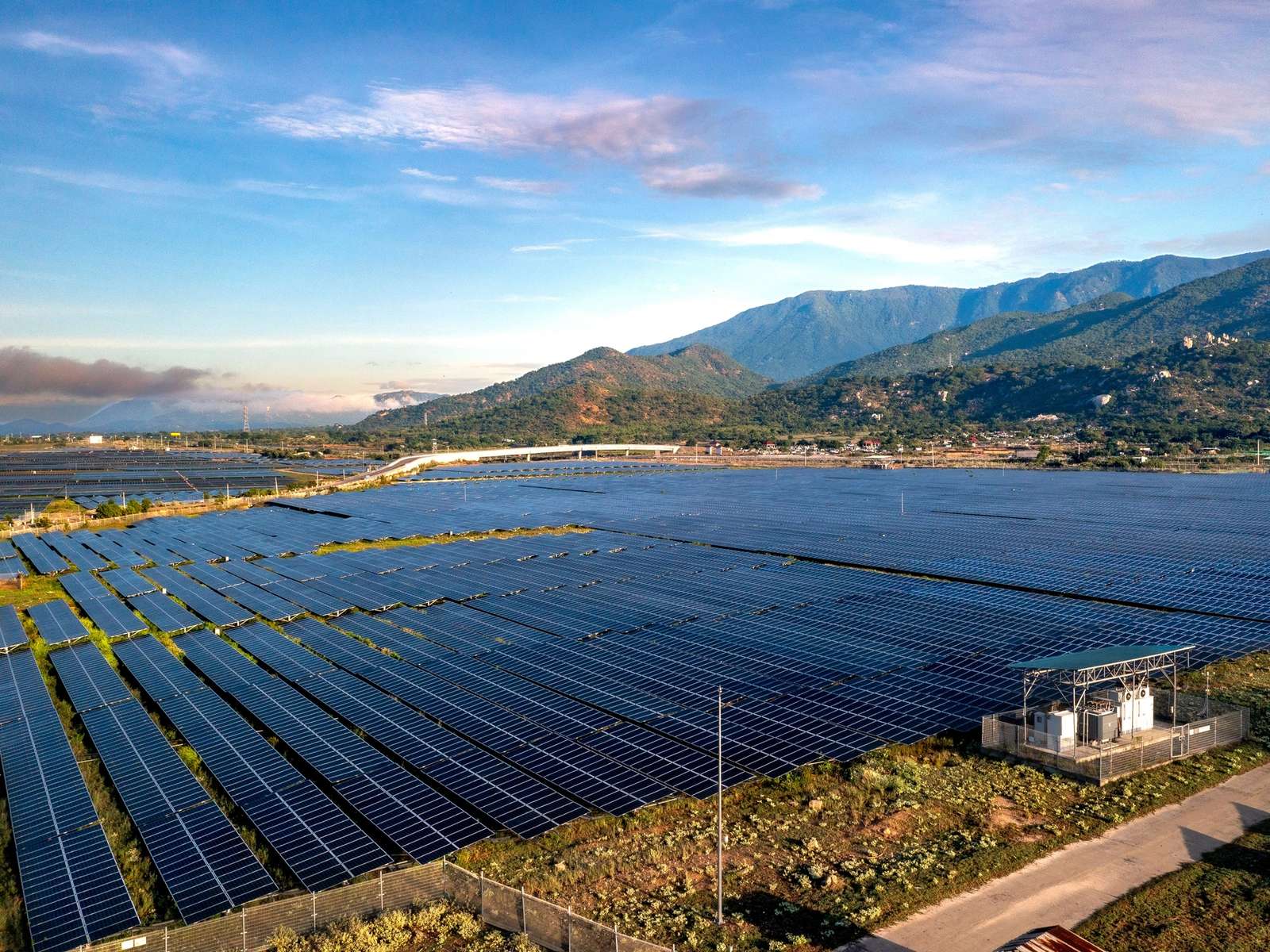
Bhutan has commissioned the Sephu Solar Power Project, the country's first utility-scale solar plant designed and built entirely by Bhutanese engineers, with the government already approving an expansion to 22.38 megawatts.
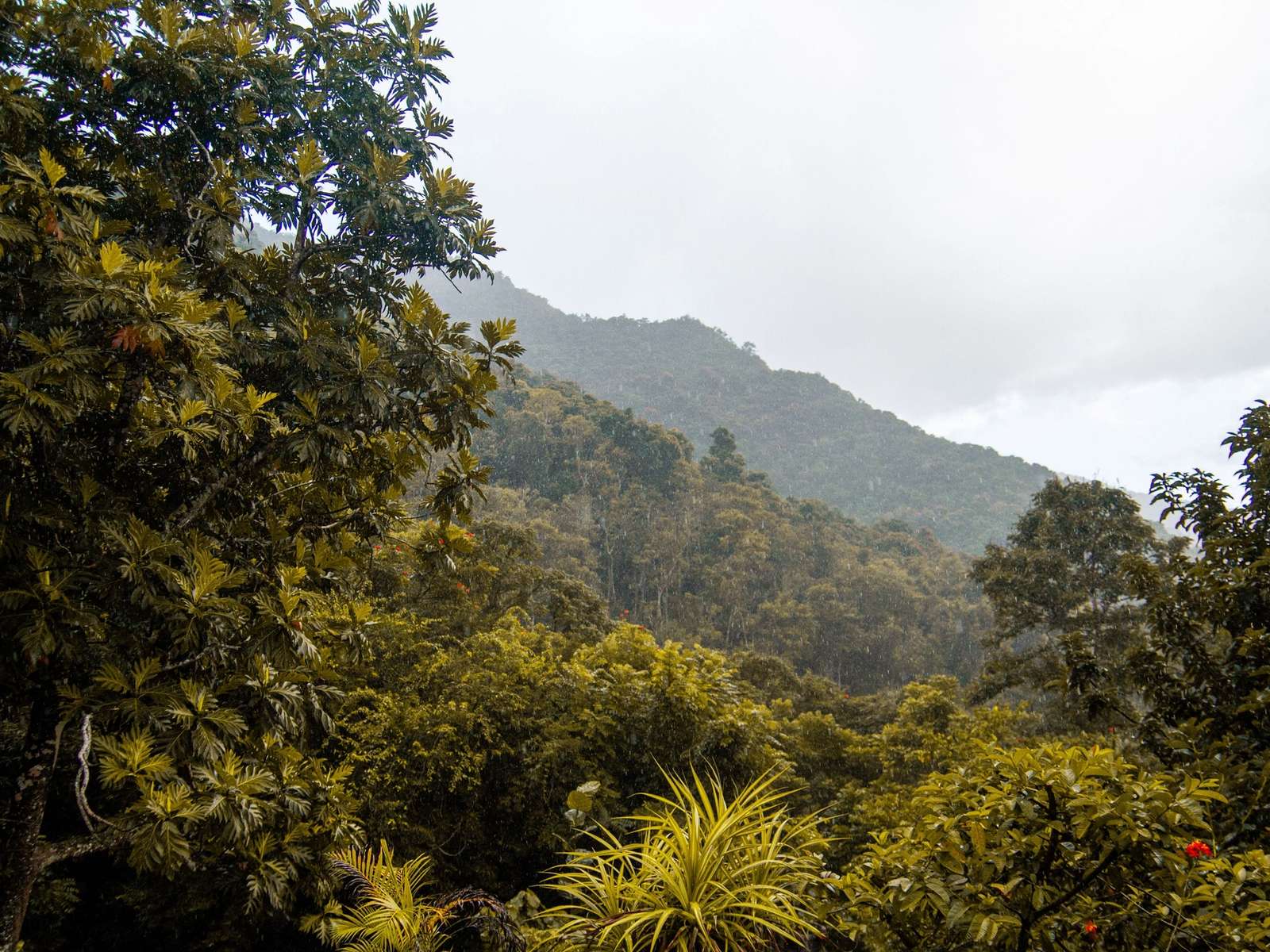
Laos has designated a 217,400-hectare national park in the Annamite Mountains, protecting habitat for the critically endangered saola and several other species found almost nowhere else on Earth.
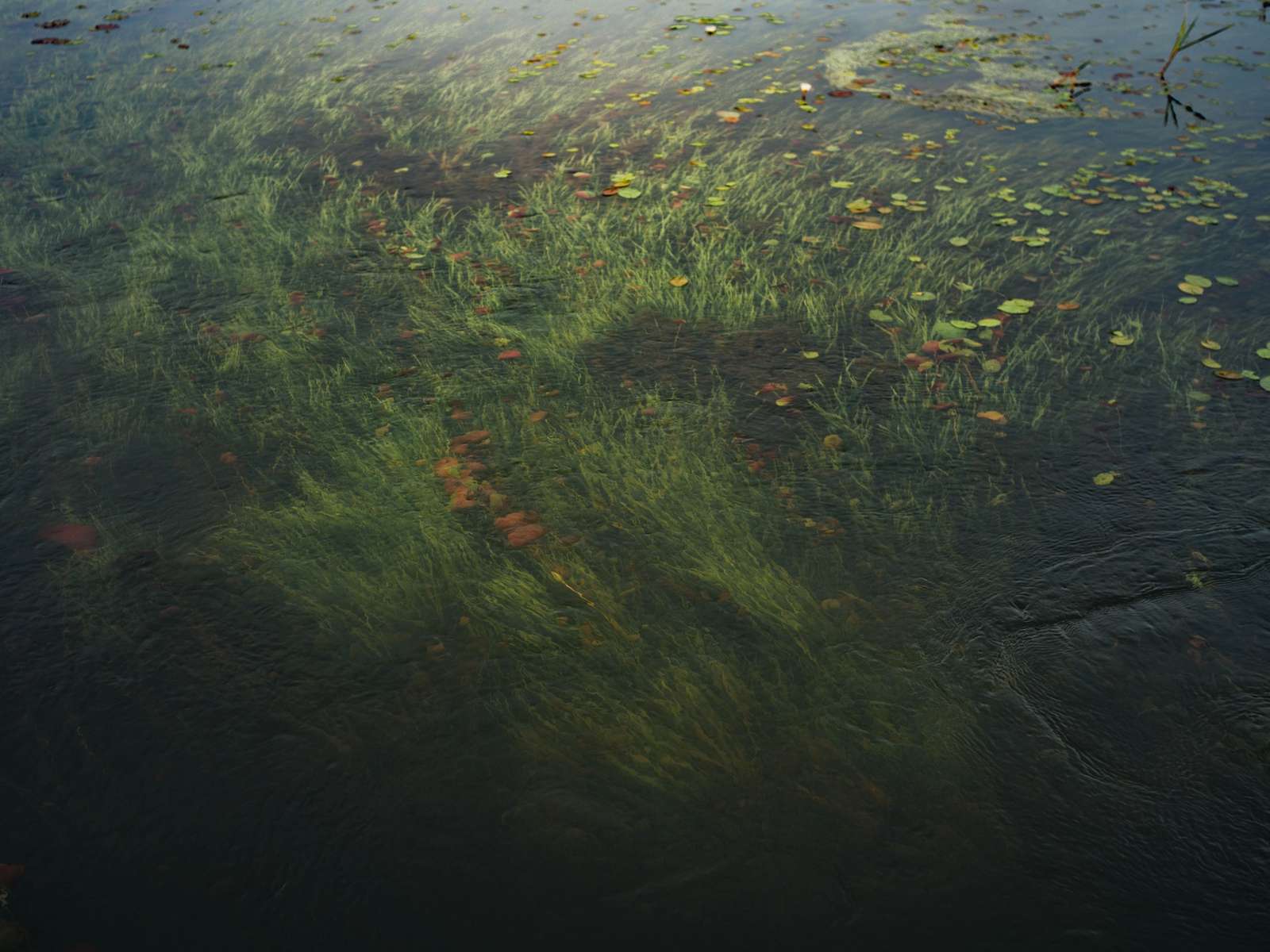
Polish scientists have published the first complete lab protocol for mass-producing Groenlandia densa, a critically endangered aquatic plant, turning a handful of tissue fragments into thousands of new plants for river restoration.
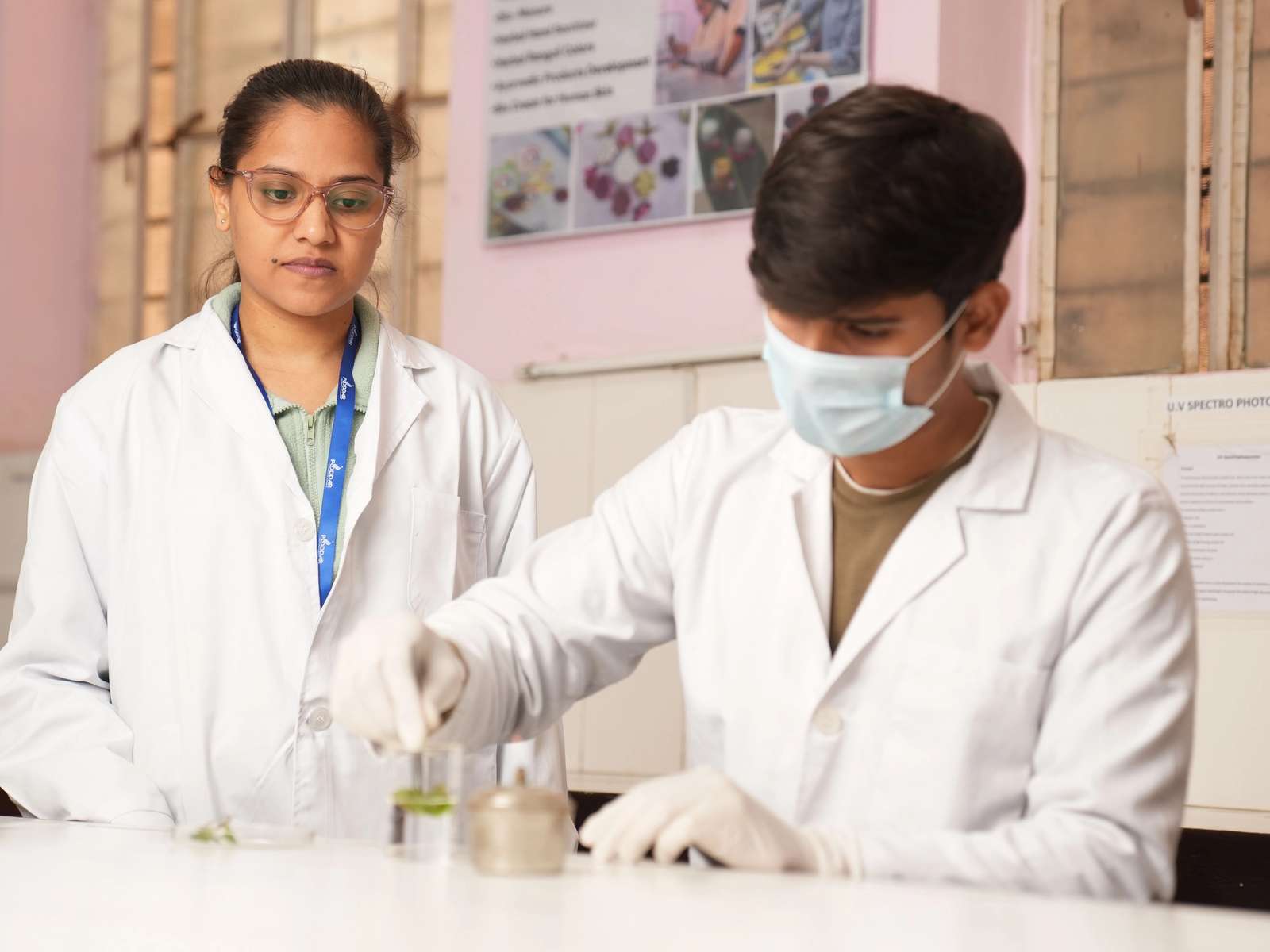
Harvard and Stanford scientists engineered marine bacteria that speed up natural rock weathering, a process that traps atmospheric carbon dioxide in seawater, achieving a 2.6-fold increase in mineral dissolution in early pilot tests.
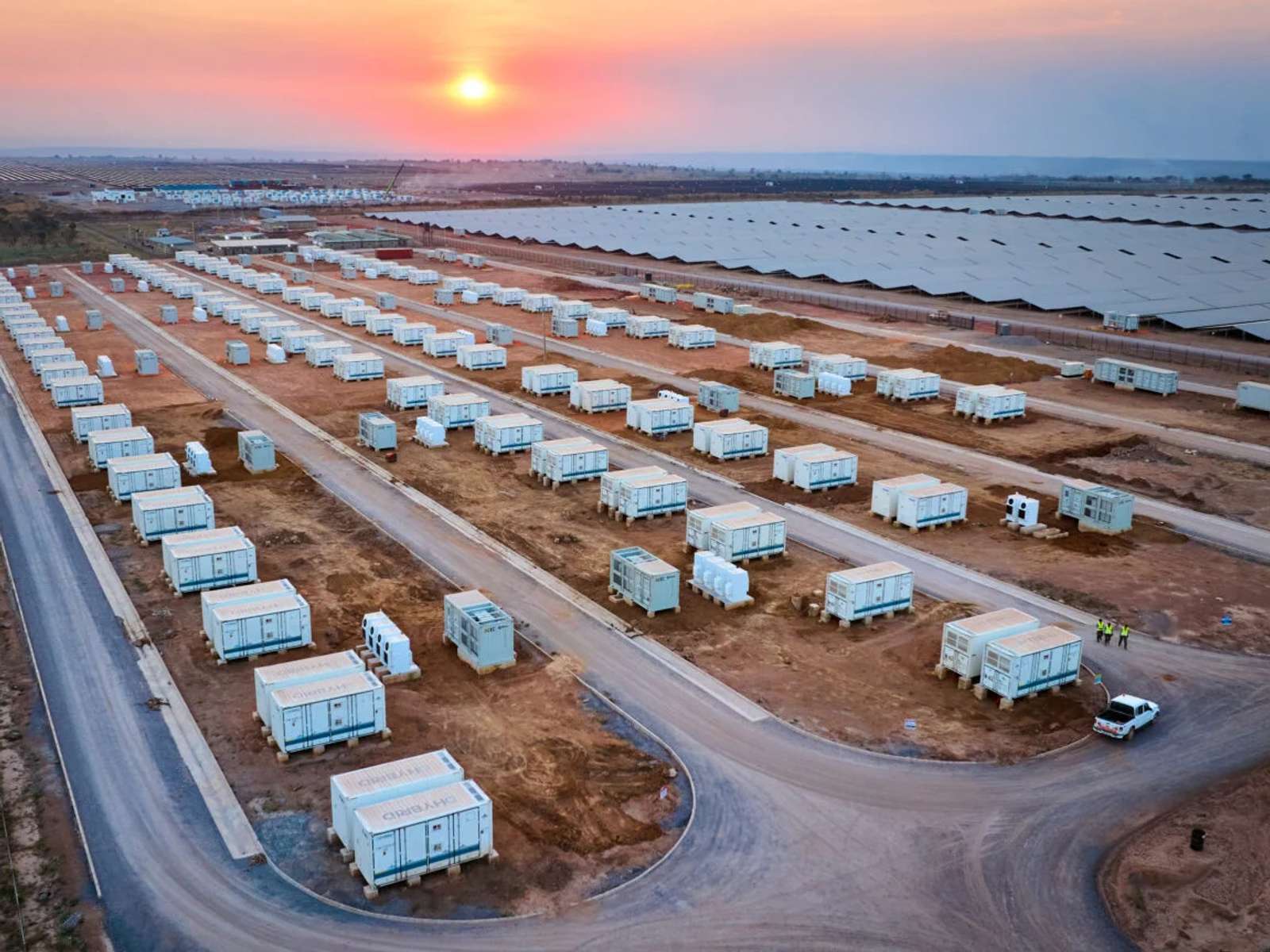
A massive solar and battery facility in the Democratic Republic of the Congo is now delivering reliable renewable power around the clock to one of Africa’s largest copper mining complexes.
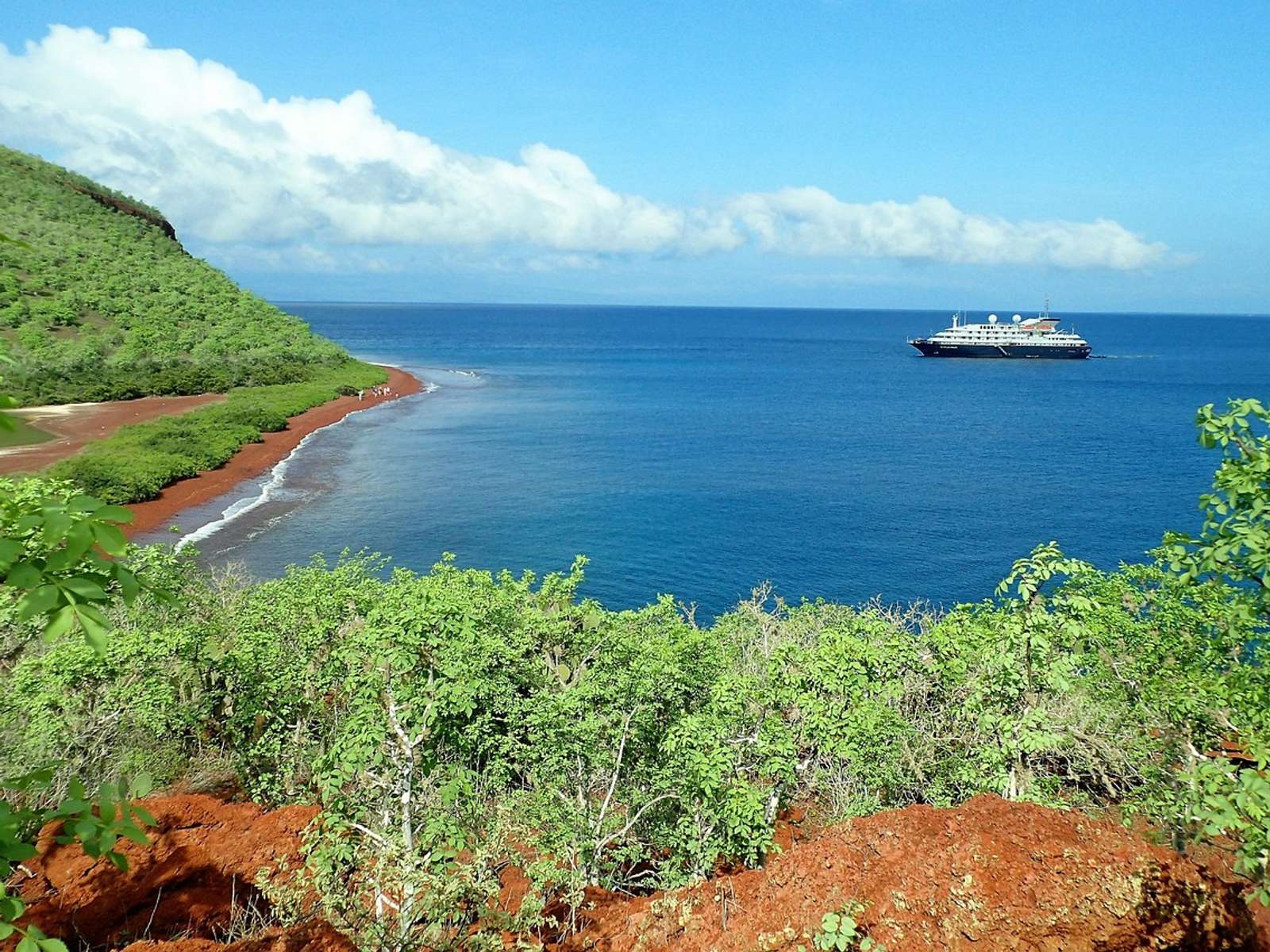
A critically endangered Galápagos plant has made a remarkable comeback, growing from just six known survivors into a recovering wild population after decades of dedicated conservation work.