
NASA's Transiting Exoplanet Survey Satellite has now found more than 1,000 confirmed planets, a milestone reached as 70 new planets were added to the NASA Exoplanet Archive in a single weekly update.
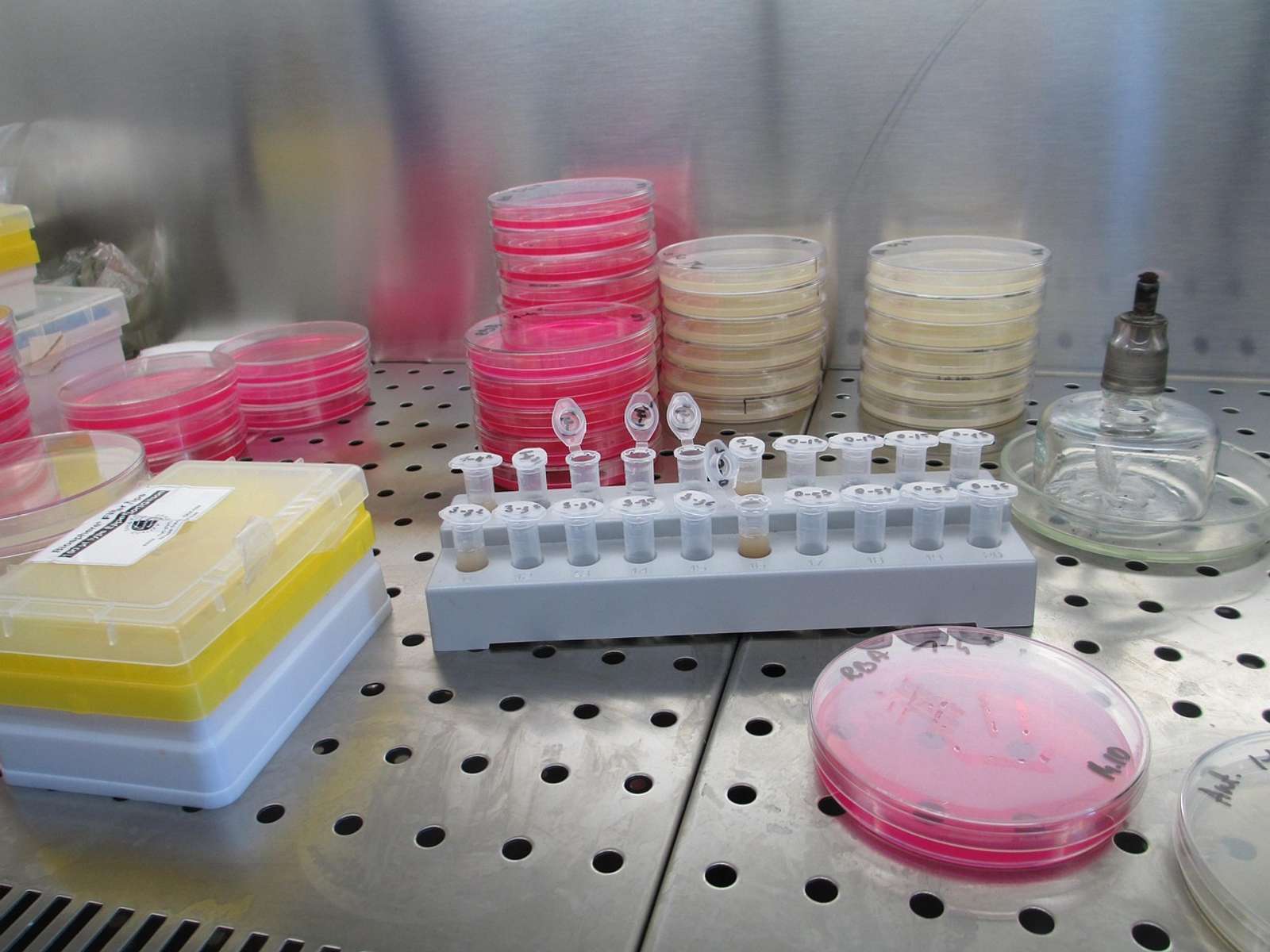
Using X-ray laser snapshots, Oxford researchers recorded step by step how the enzyme IPNS builds the ring at the heart of penicillin, settling a question open for more than 40 years. The team hopes the findings will help design new antibiotics.
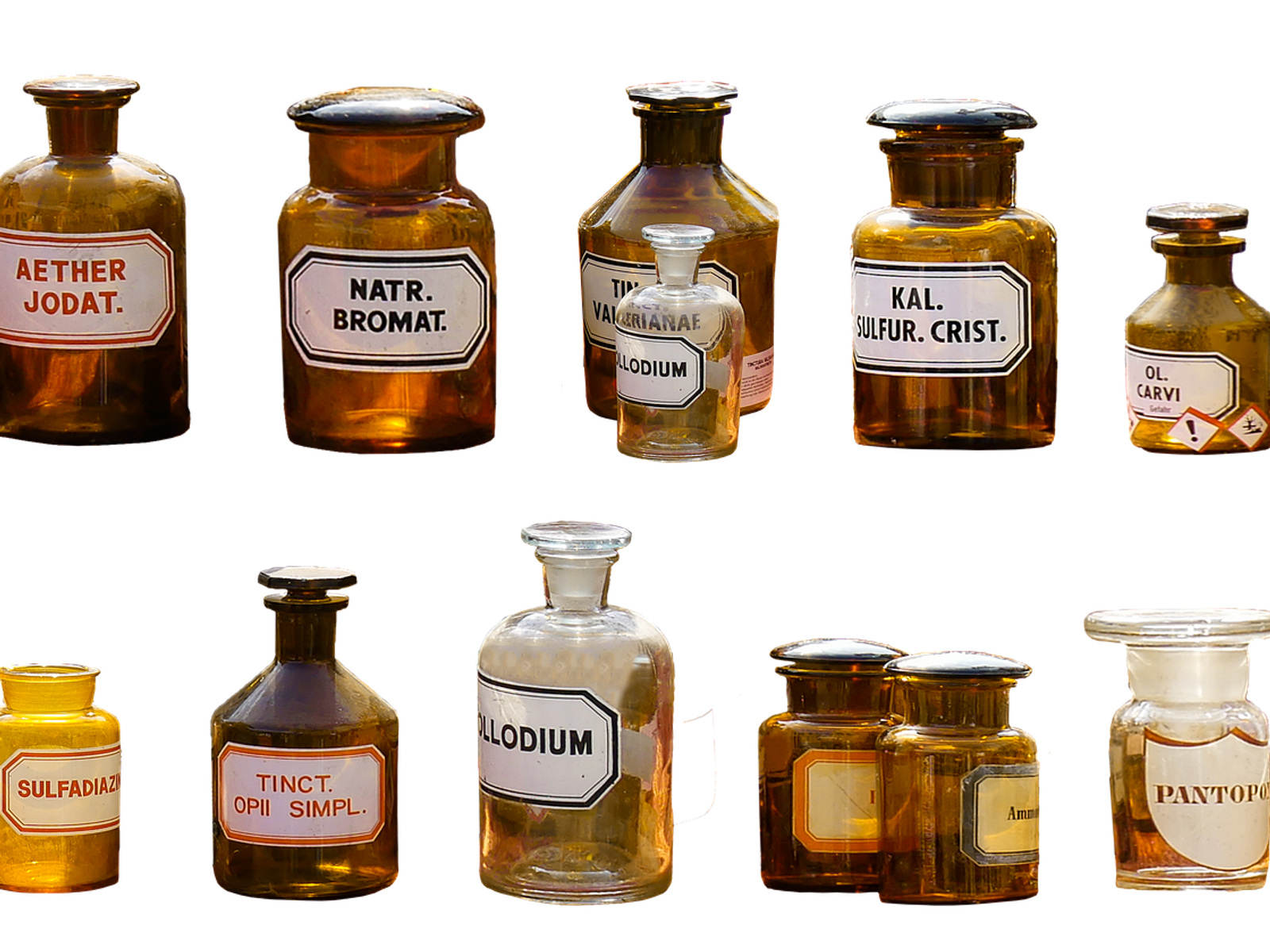
By tracking molecules as they were heated, chemists at Warwick and Birmingham found materials that normally vanish along the way, including a new form of the solar-fuel compound bismuth vanadate and an oxide that stores lithium.
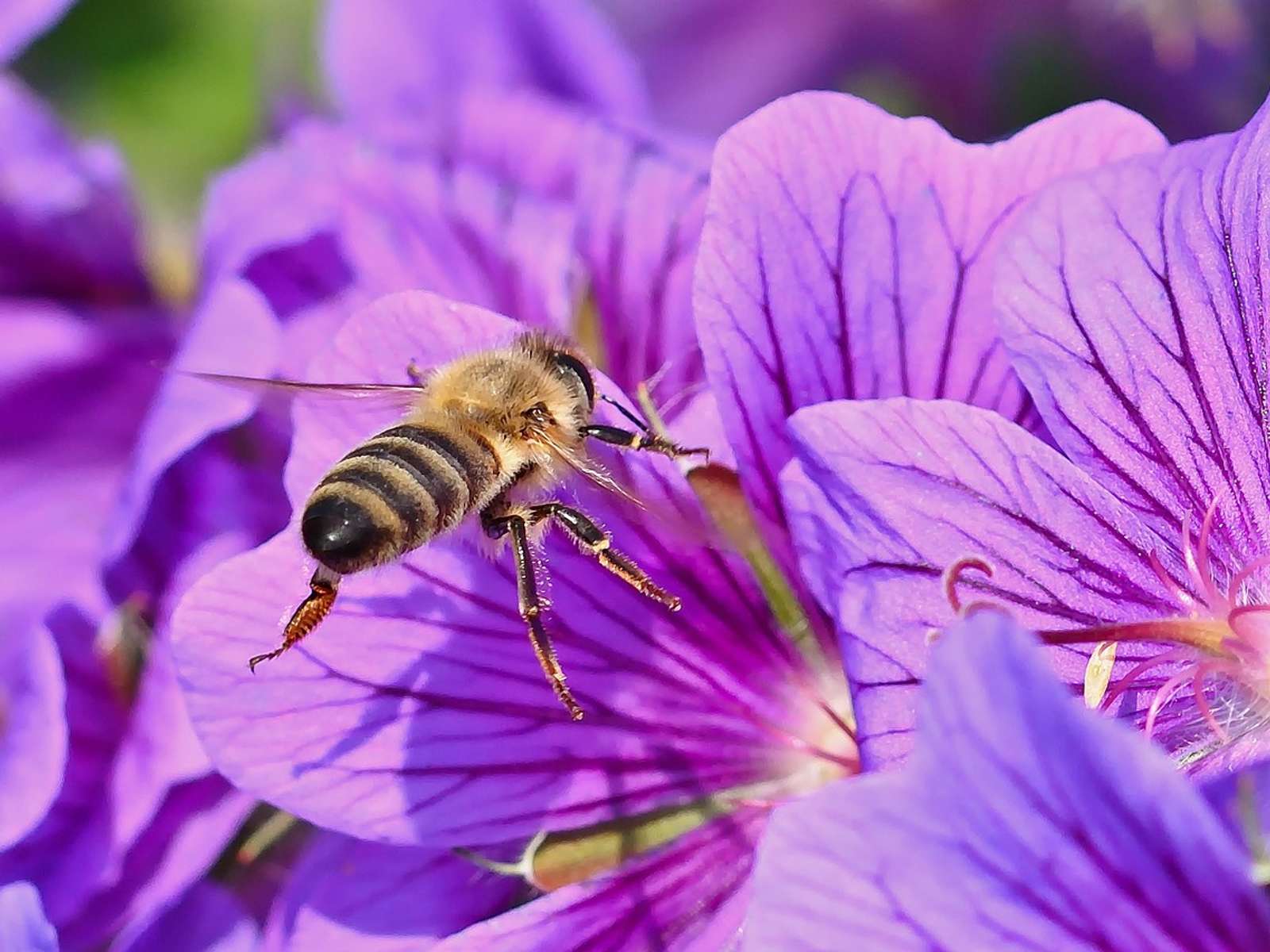
A team led by Penn State researchers documented 738 bee species in Colombia, including 246 never recorded there before, in the first annotated checklist of its kind for any country in the Western Hemisphere.

A catalyst made of five rare-earth elements starts converting methane into ethane and ethylene at 525°C and held its output for 240 hours in lab tests, Institute of Science Tokyo said. Conventional catalysts need about 800°C.

Using an AI method called equation discovery, Oxford physicists derived three readable equations that capture how North Atlantic ocean temperatures, air pressure and rainfall interact over decades.

Researchers in New Zealand and the US have shown a chip-based optical frequency comb, built from two lasers, that performs the key jobs needed for portable atomic clocks and GPS-free navigation.

Researchers at Institute of Science Tokyo and Kyoto University grew long DNA strands on protein tubes and used motor proteins to move them, forming networks within minutes, a step toward materials that can build and reshape themselves.
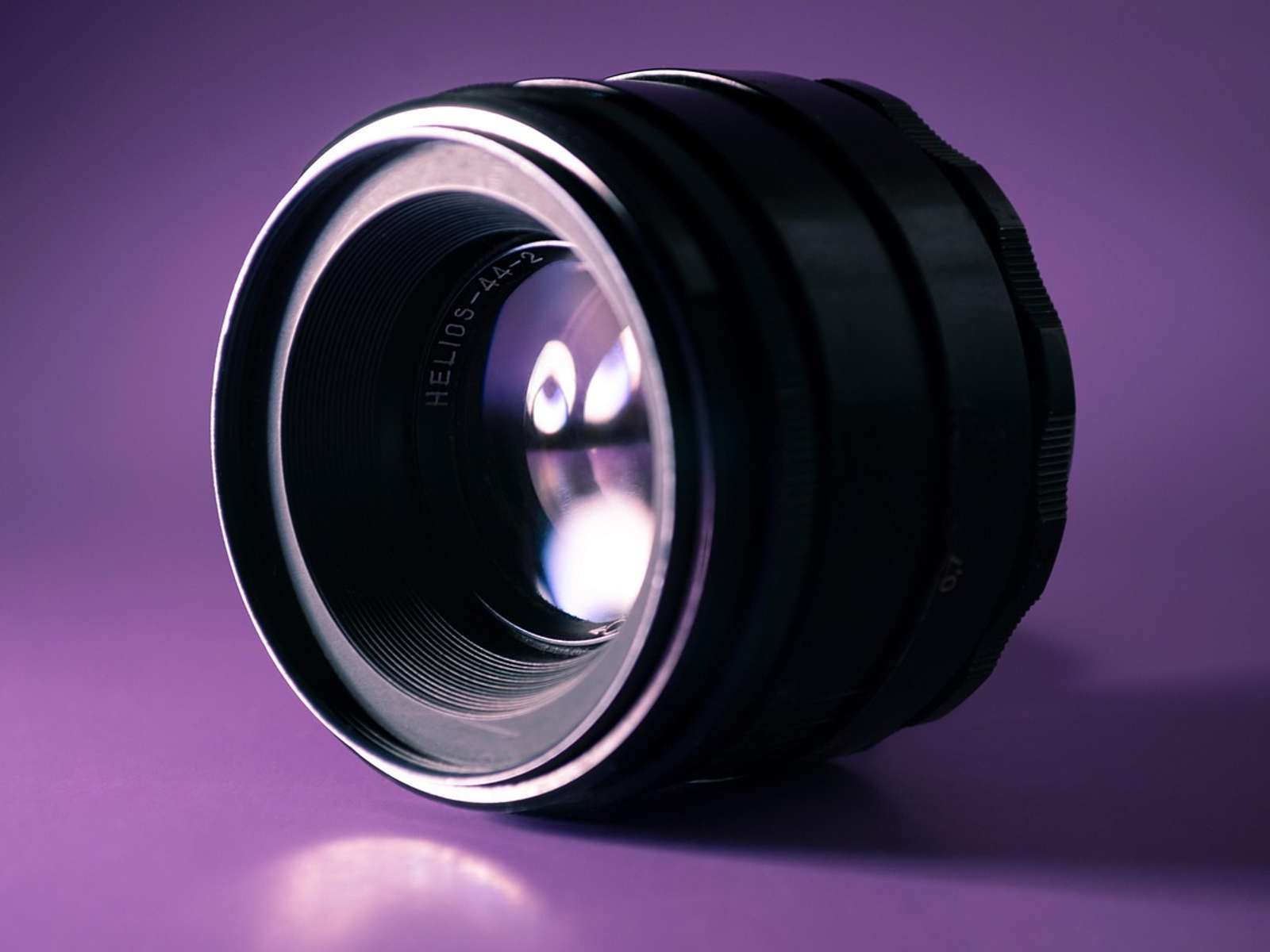
Researchers at the Australian National University spent three years making two specialized beamsplitters for LIGO, coated to within a nanometre or two across almost half a meter, for an upgrade that will make the detectors more sensitive.

A team at the University of Science and Technology of China placed a thin superconductor inside a terahertz cavity and saw its critical temperature rise by up to 5.4%, the first experimental evidence that vacuum fluctuations can strengthen superconductivity.
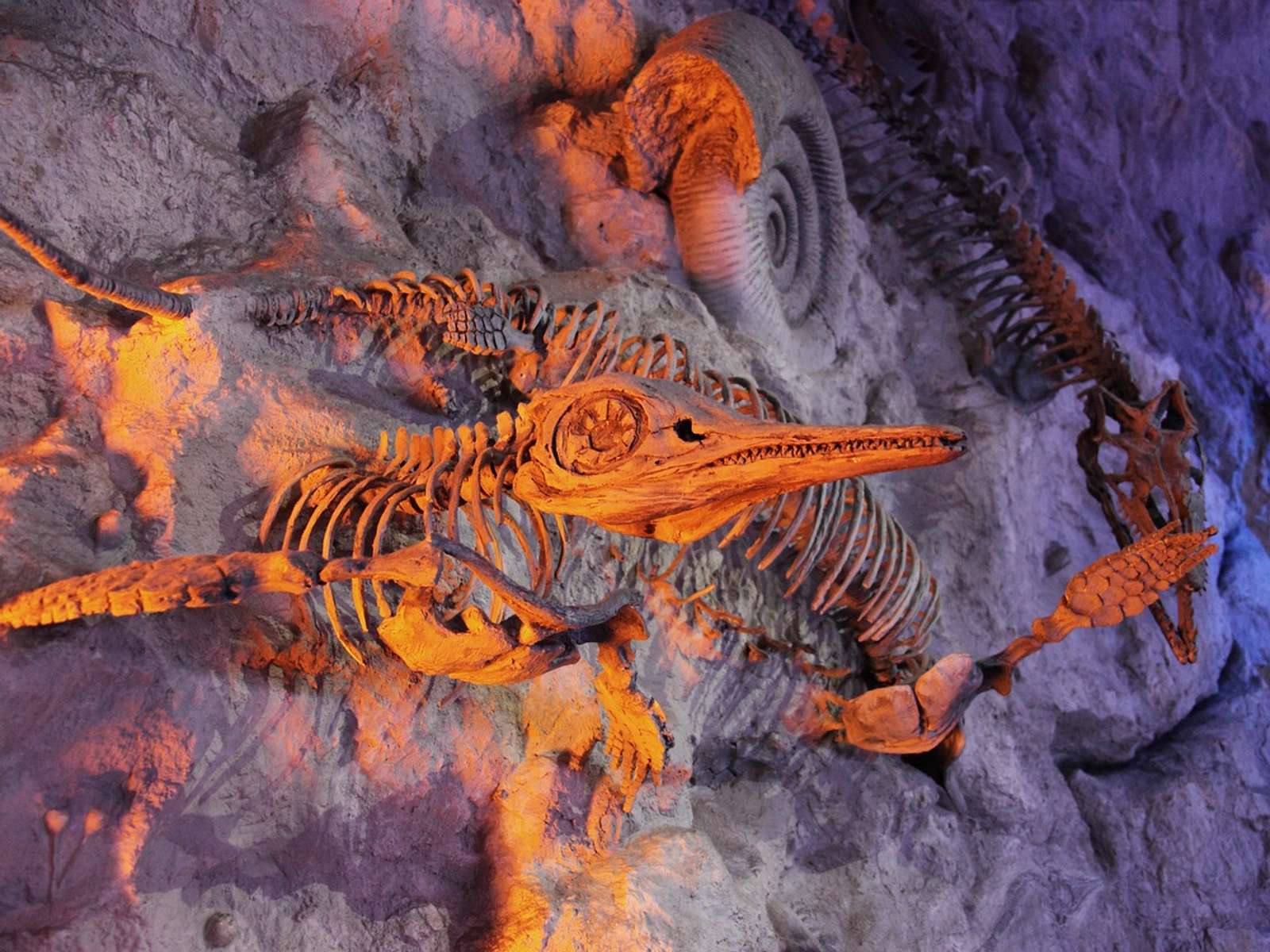
Well-preserved microfossils from Mongolia contain no animals even though animals already existed then, an Oxford-led team reports. Their molecular clock analysis puts the origin of animals between 800 and 700 million years ago.
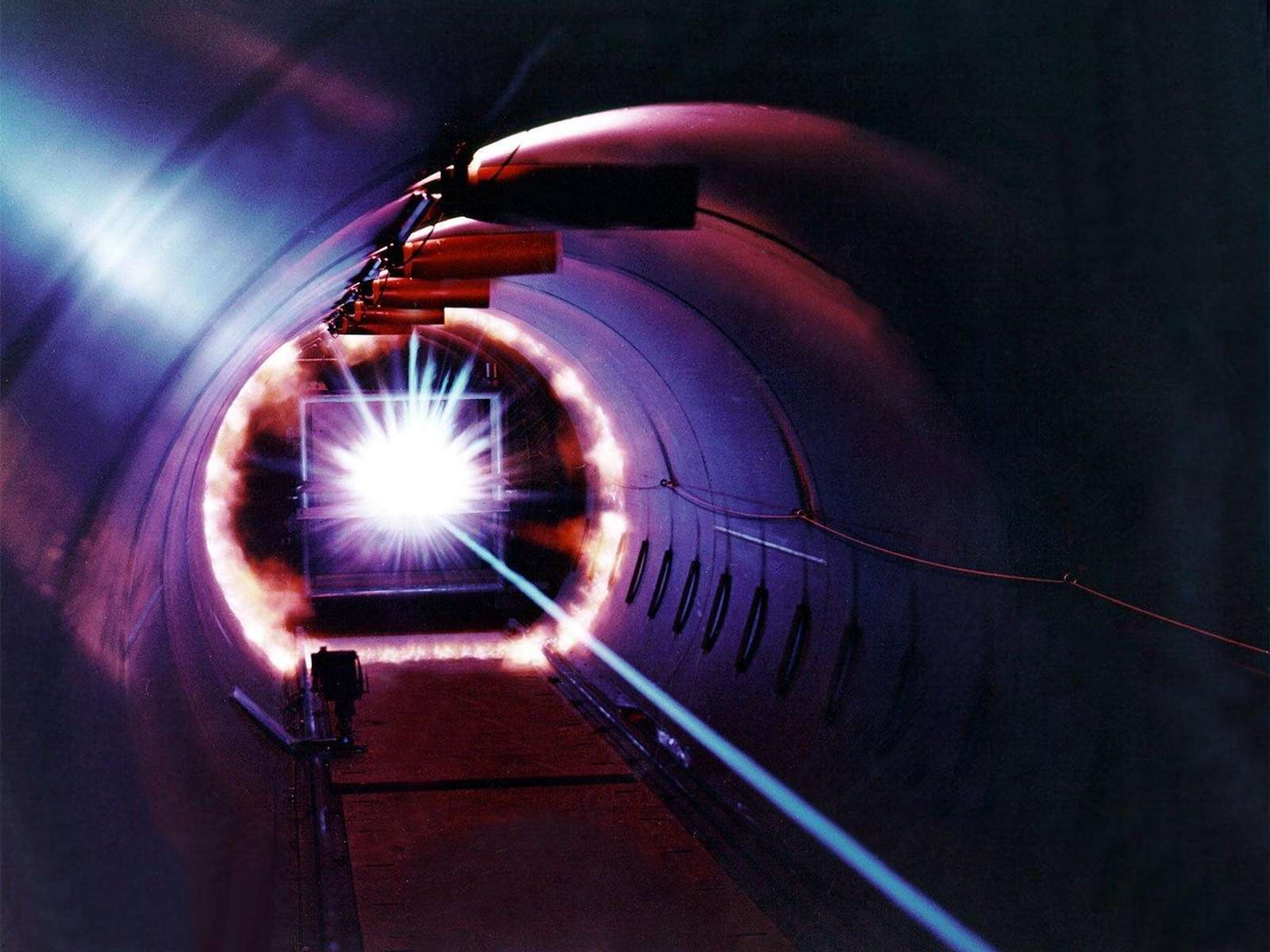
ENN Group says its EXL-50U device in Langfang produced over 100 million hydrogen-boron fusion reactions per second, a fuel that releases no neutrons. It is a physics result, not net energy, and the company targets first electricity in 2030.
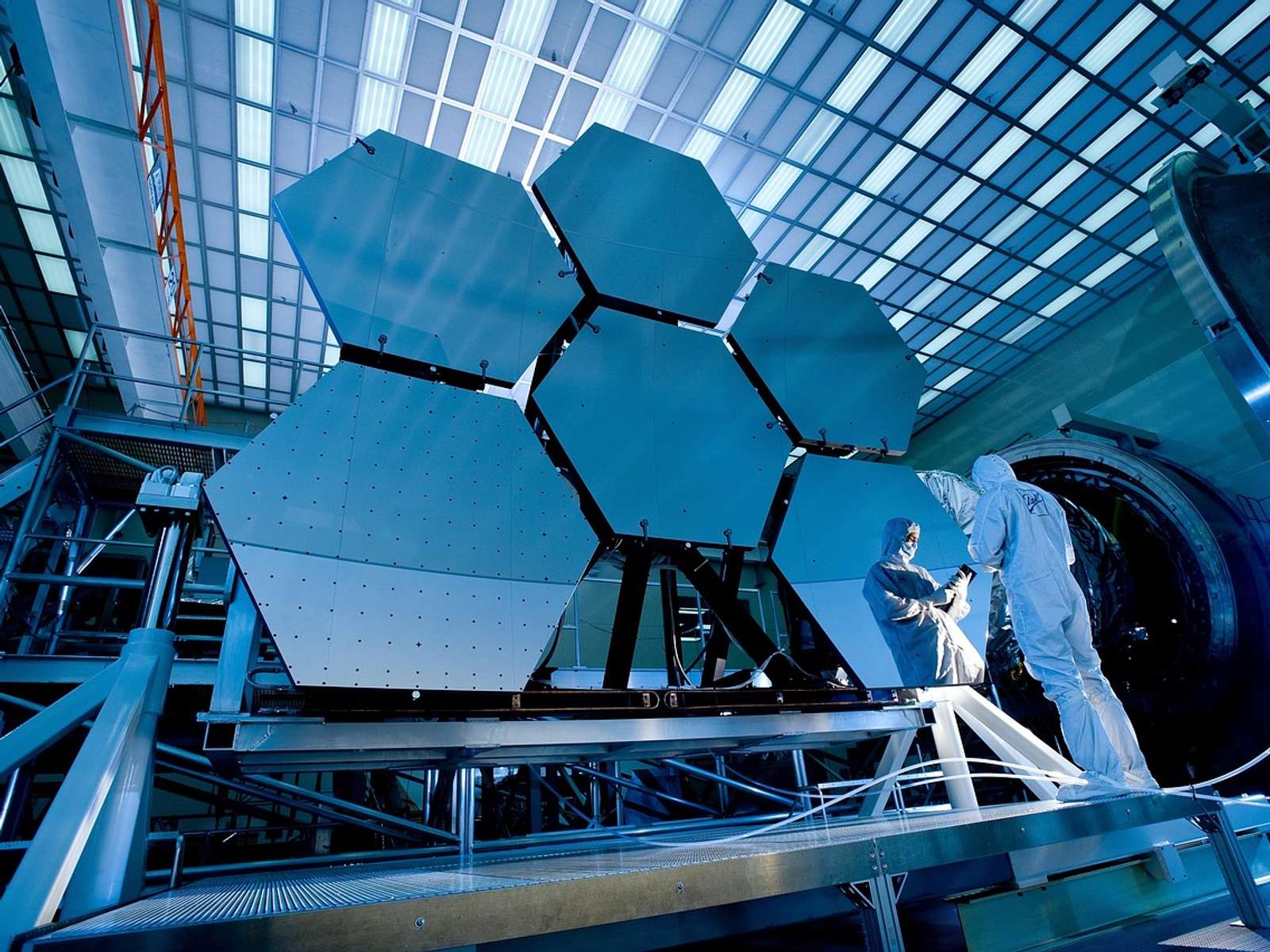
On 22 September, the Roman Space Telescope's Coronagraph Instrument photographed a faint star in a neighboring galaxy. It was an engineering test for technology meant to photograph planets around other stars directly.