South Africa Unveils Coastal Signs With Braille, Audio and Several Languages
Seven prototype Living Coast signs unveiled in Hermanus combine Braille, large print, seated-height access, several languages and audio guides, the start of a planned national series of 97 accessible coastal signs.
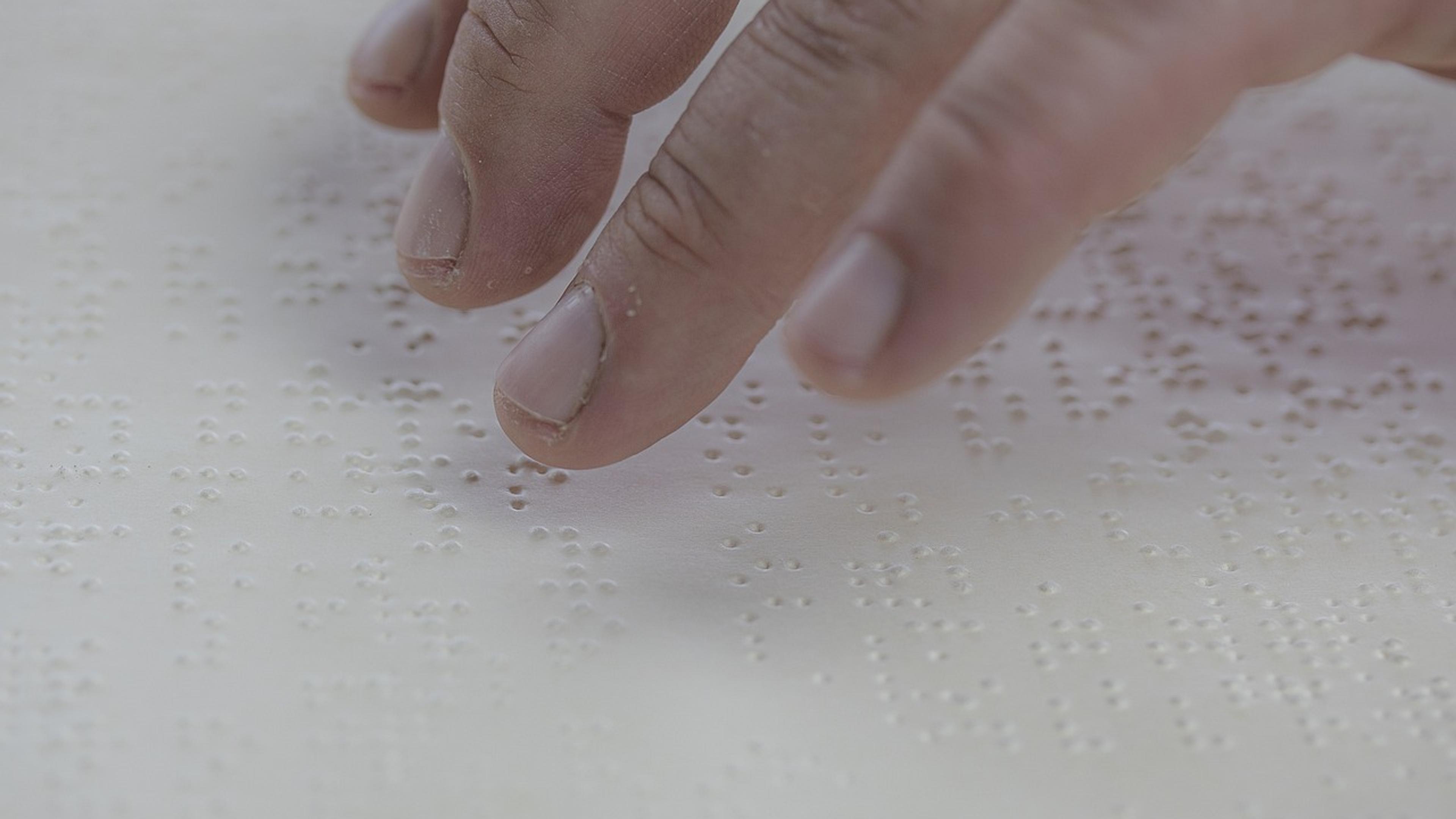
Seven prototype coastal signs that combine Braille, large print, several languages and audio guides were unveiled in Hermanus, South Africa, on October 6, SAnews reported. They are the first of a planned national series of 97 Living Coast signs.
Old signs served sighted, English-speaking adults
South Africa’s coastal signs, first installed more than two decades ago, mostly told visitors what they could not do, and few could be read by people with poor eyesight or by speakers of isiXhosa or isiZulu. Many have faded or disappeared. The country’s first Braille coastal signs were unveiled in February at the Blaauwberg Nature Reserve, with blind people contributing to the design, according to WESSA, the environmental group behind them.
A rail at seated height and a QR code for audio
Each new sign has a main board with an easy-to-read typeface and anti-glare coating, plus an accessibility rail at seated height that a wheelchair user, a child or a blind visitor can use on their own. The Braille plates are made and checked by Blind SA in uncontracted Braille, so newer readers can follow them. Each sign needs seven or eight plates.
A QR code links to audio tours with synchronized subtitles, a species guide with more than 279 illustrations, tide and weather information and a beach-safety guide. The Hermanus prototypes are in English and Afrikaans, with isiXhosa and isiZulu to follow.
The series will run from the West Coast to northern KwaZulu-Natal. Organizers plan to watch how people use the prototypes and consult Blind SA, the National Council of and for Persons with Disabilities, local learners and residents before the wider rollout.
Like what you're reading?
Related stories
Irish Radio Listeners Raise €500,000 for Home Nursing Care for Seriously Ill Children
Today FM’s first Power Hour campaign raised €500,000 for the Jack and Jill Children’s Foundation, enough to fund about 25,000 hours of in-home nursing care and respite for families of children with complex needs.
Miami Nonprofit Gives Free Music Lessons to More Than 21,000 Students Every Week
Young Musicians Unite runs free in-school and after-school music programs in 131 public schools across Miami-Dade County, reaching more than 21,000 students each week, many of them in Title I schools.
New California Law Opens a Path to Cal Fire Jobs for Former Prison Firefighters
Governor Gavin Newsom has signed AB 2483, which standardizes the firefighting credentials earned in prison and gives formerly incarcerated firefighters hiring priority for some entry-level Cal Fire jobs by 2028.