
Researchers at Institute of Science Tokyo and Kyoto University grew long DNA strands on protein tubes and used motor proteins to move them, forming networks within minutes, a step toward materials that can build and reshape themselves.
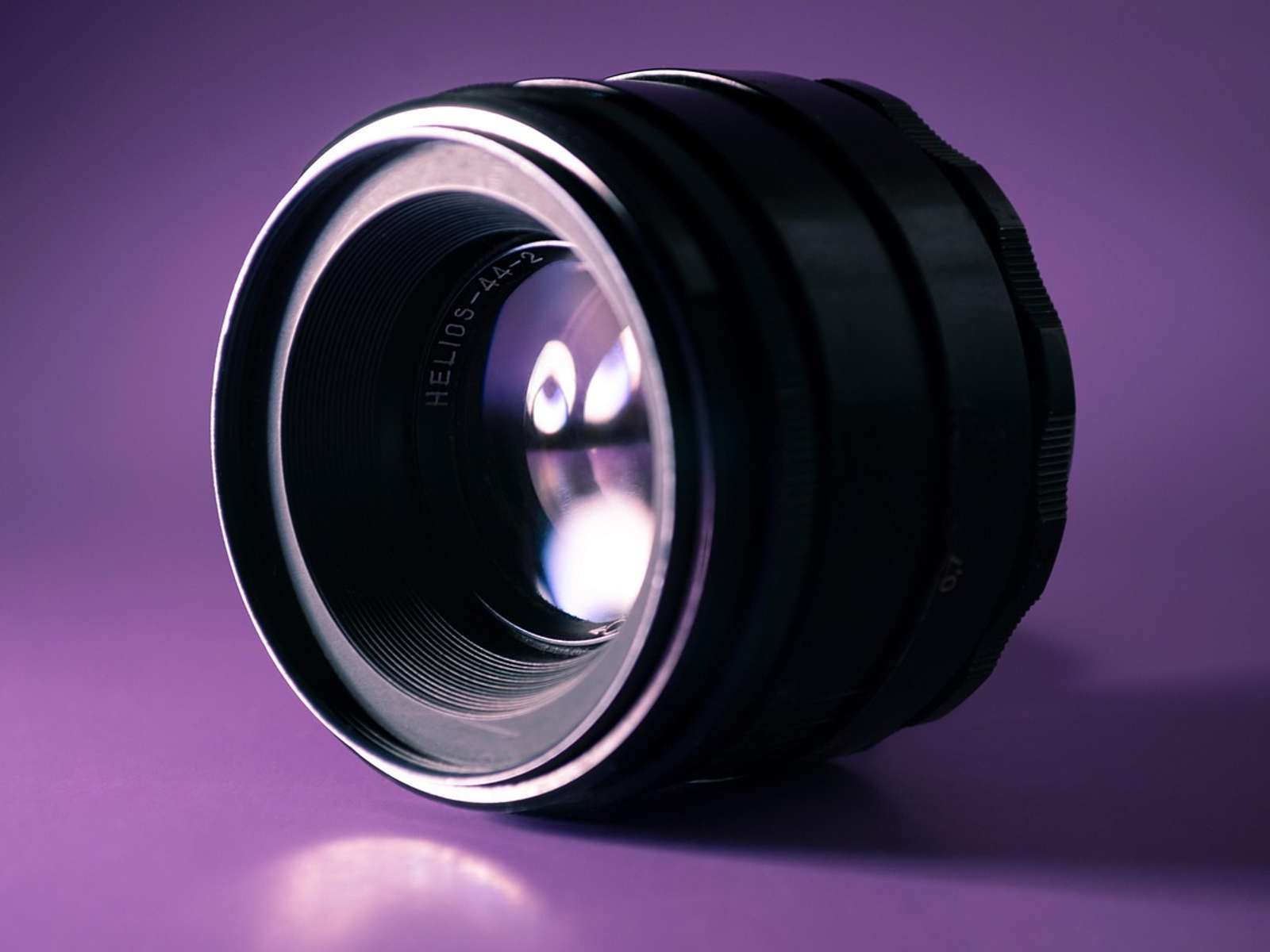
Researchers at the Australian National University spent three years making two specialized beamsplitters for LIGO, coated to within a nanometre or two across almost half a meter, for an upgrade that will make the detectors more sensitive.

A team at the University of Science and Technology of China placed a thin superconductor inside a terahertz cavity and saw its critical temperature rise by up to 5.4%, the first experimental evidence that vacuum fluctuations can strengthen superconductivity.
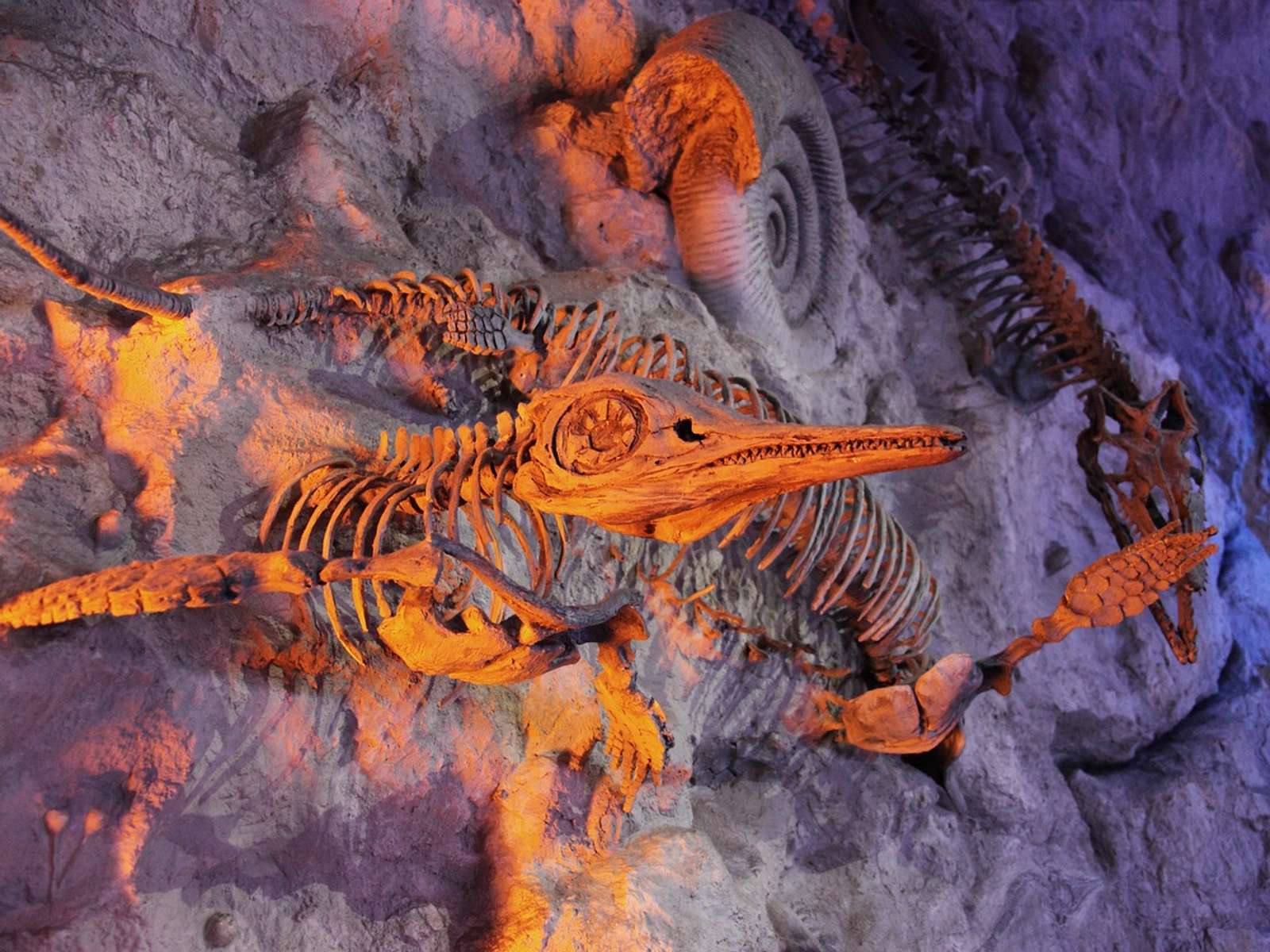
Well-preserved microfossils from Mongolia contain no animals even though animals already existed then, an Oxford-led team reports. Their molecular clock analysis puts the origin of animals between 800 and 700 million years ago.
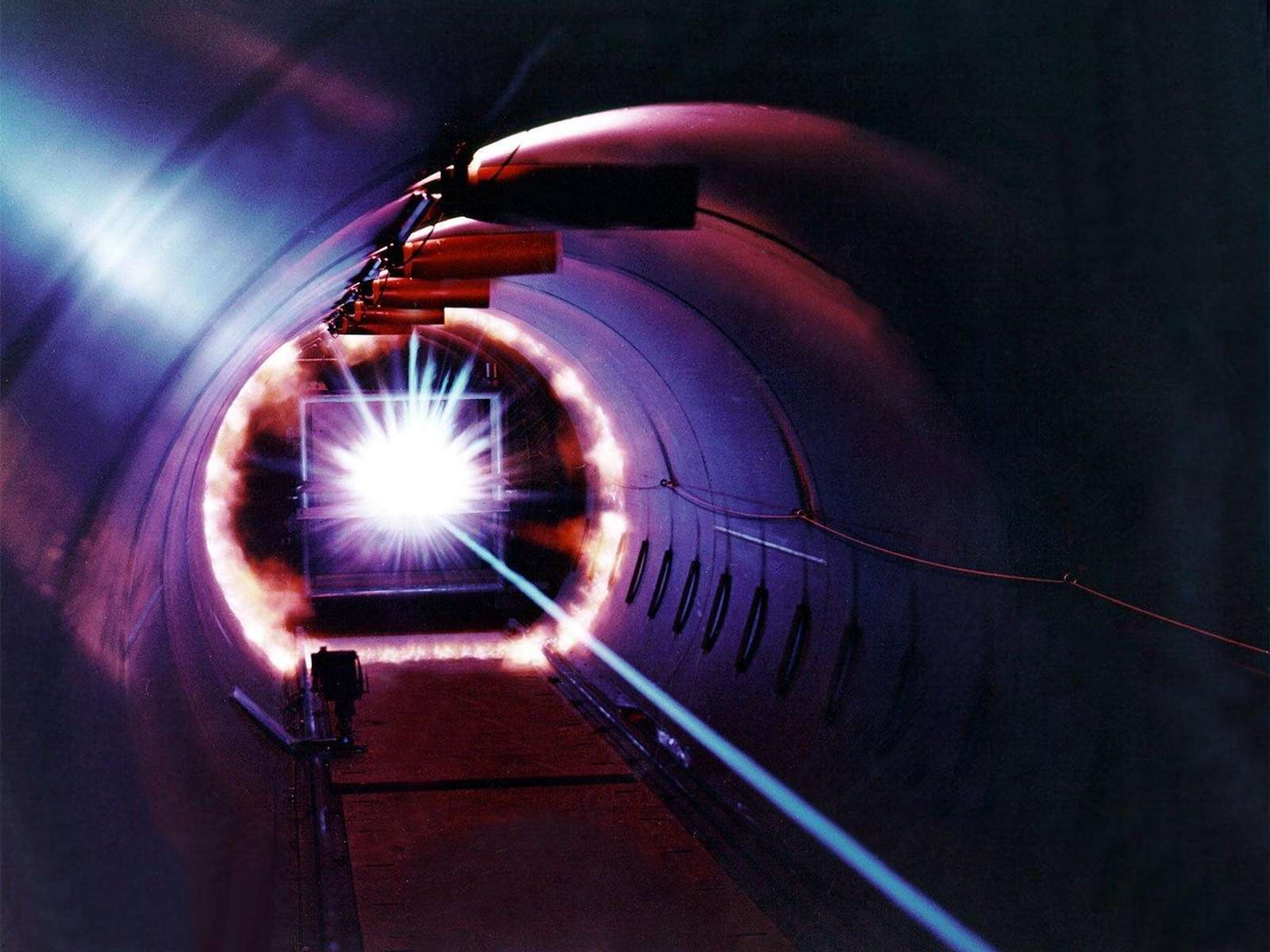
ENN Group says its EXL-50U device in Langfang produced over 100 million hydrogen-boron fusion reactions per second, a fuel that releases no neutrons. It is a physics result, not net energy, and the company targets first electricity in 2030.
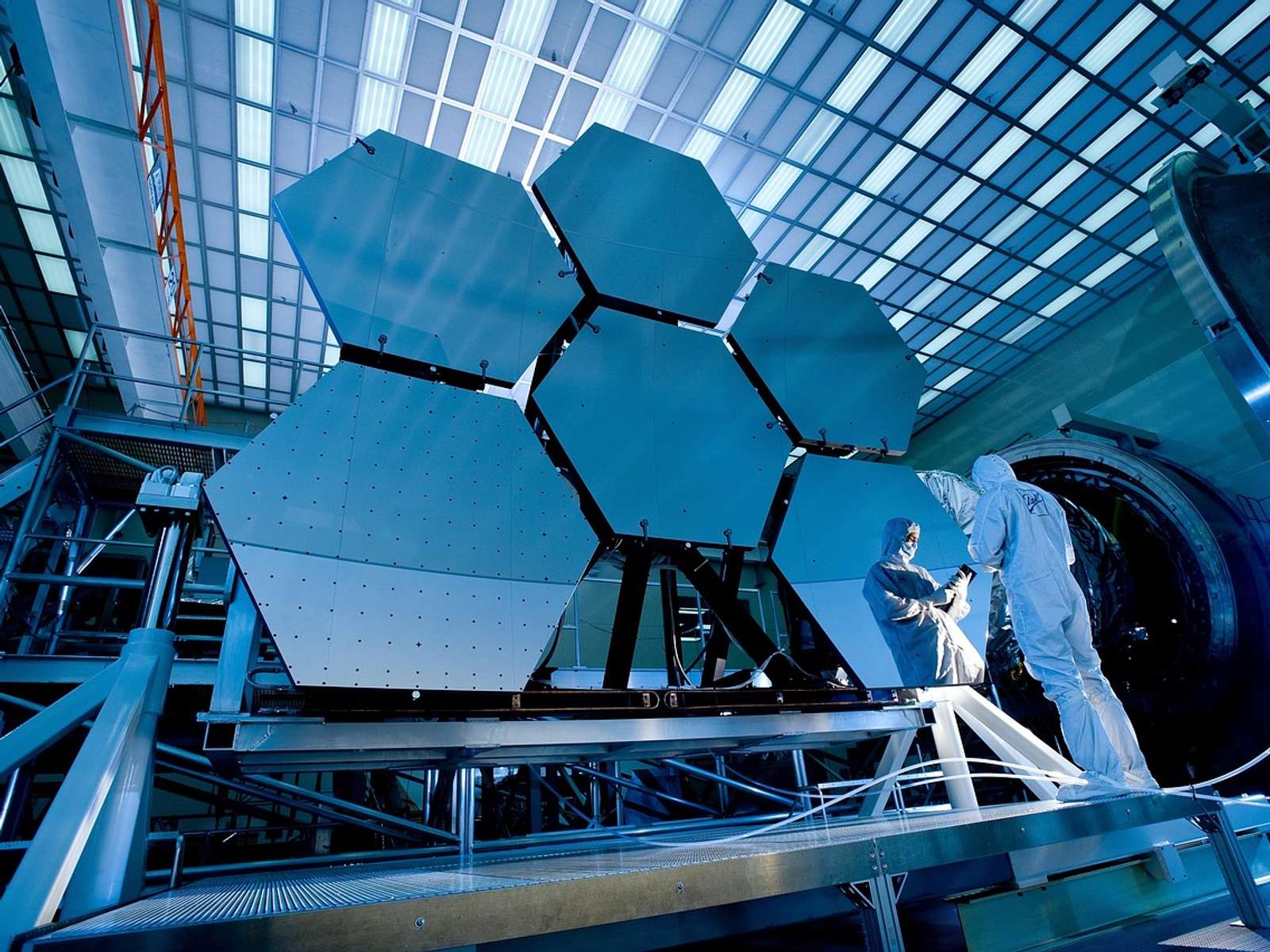
On 22 September, the Roman Space Telescope's Coronagraph Instrument photographed a faint star in a neighboring galaxy. It was an engineering test for technology meant to photograph planets around other stars directly.