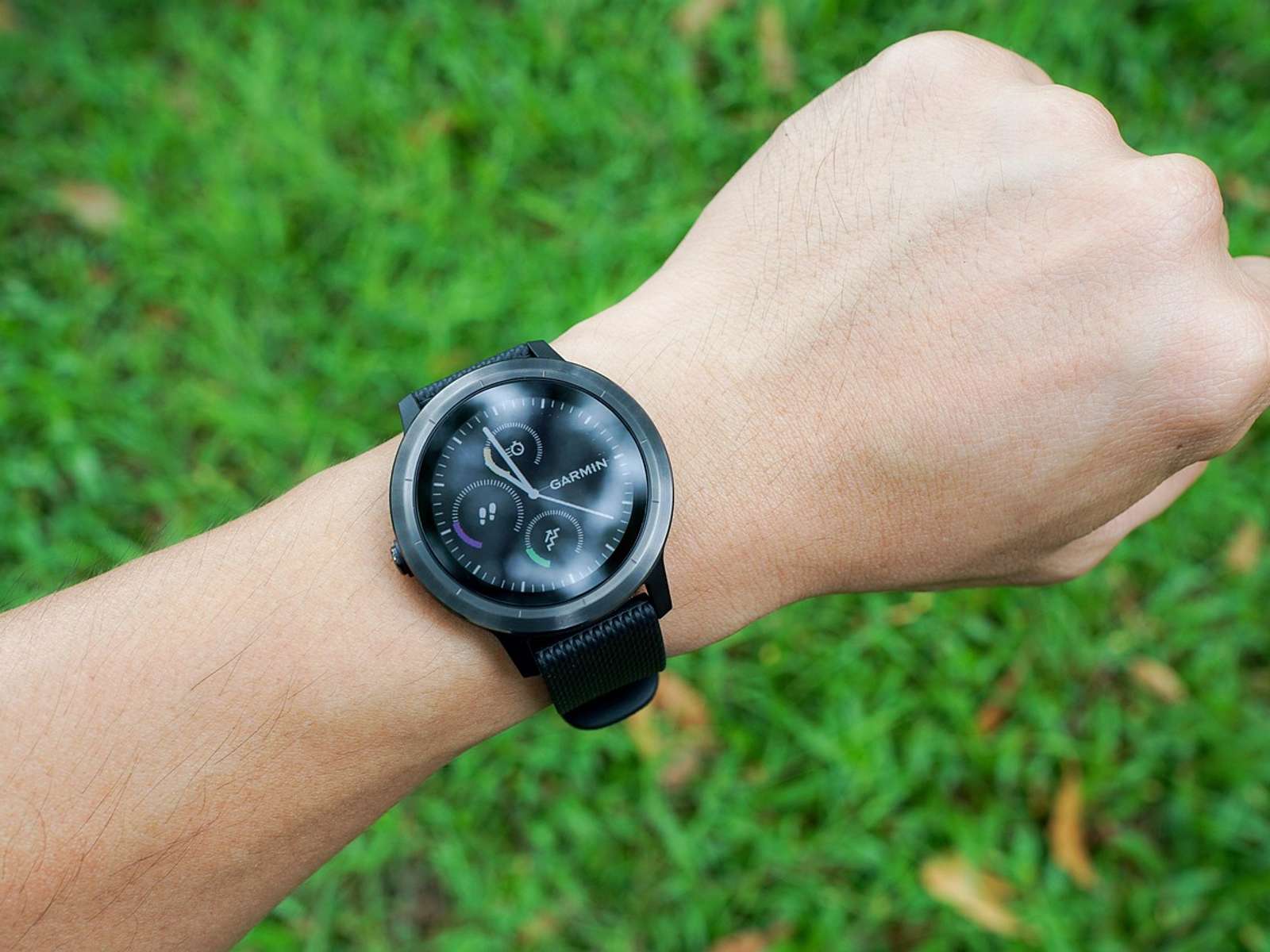
A vibrating wristband first built as a foamcore prototype in MIT's product-design class is now FDA-cleared for adults with essential tremor. In two trials, more than 70% of patients improved. Insurance coverage is the next hurdle.

Shiksha Copilot, an AI system from Microsoft Research India evaluated with Cornell, saved more than 1,000 teachers in Karnataka about two hours a week, and about 30,000 teachers in Telangana now use it.
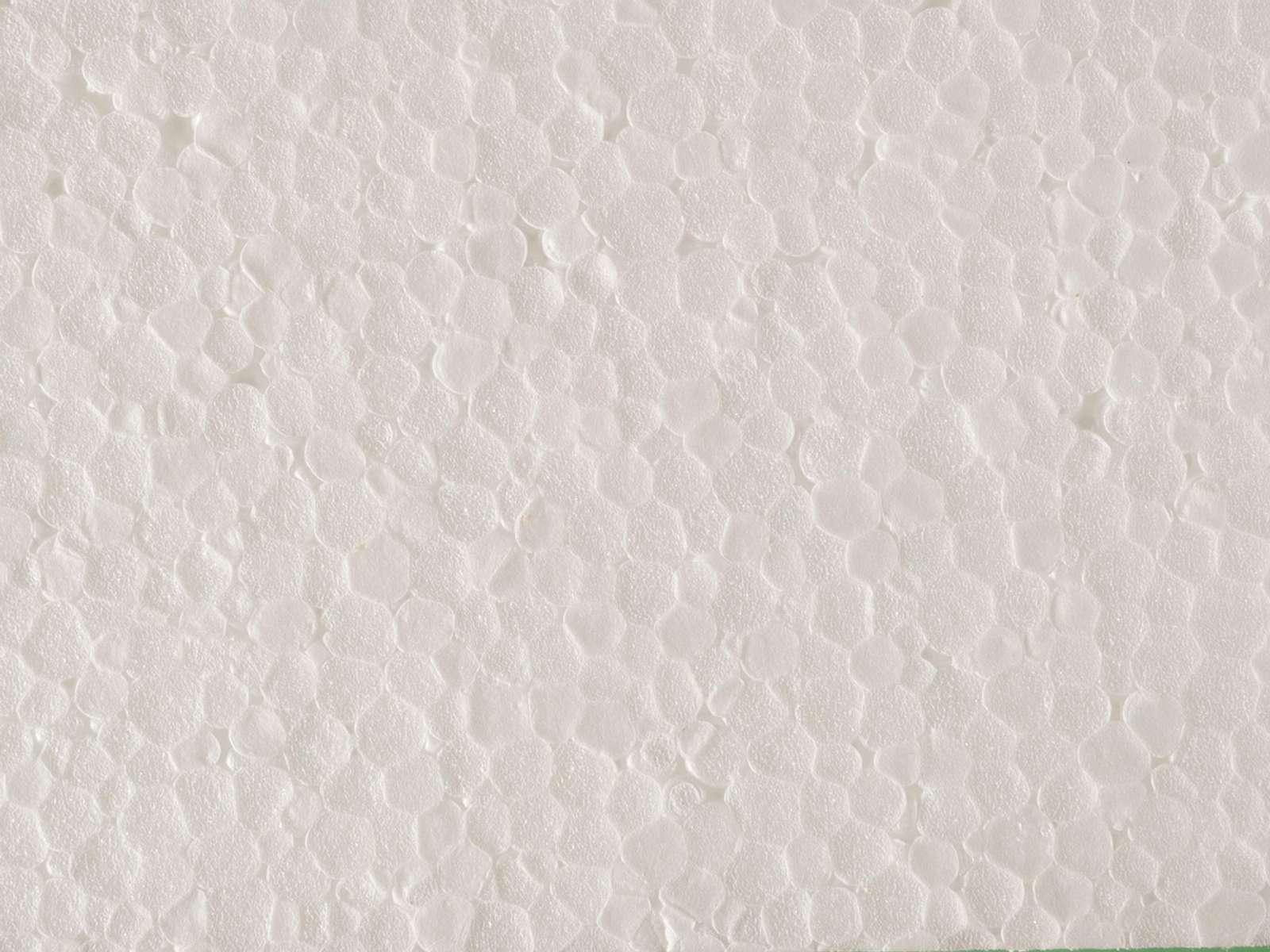
Scientists led by Germany's Helmholtz-Zentrum Hereon made a polystyrene with about 50% plant-based content, produced with microwaves and designed with breaking points so it can be broken down after use.
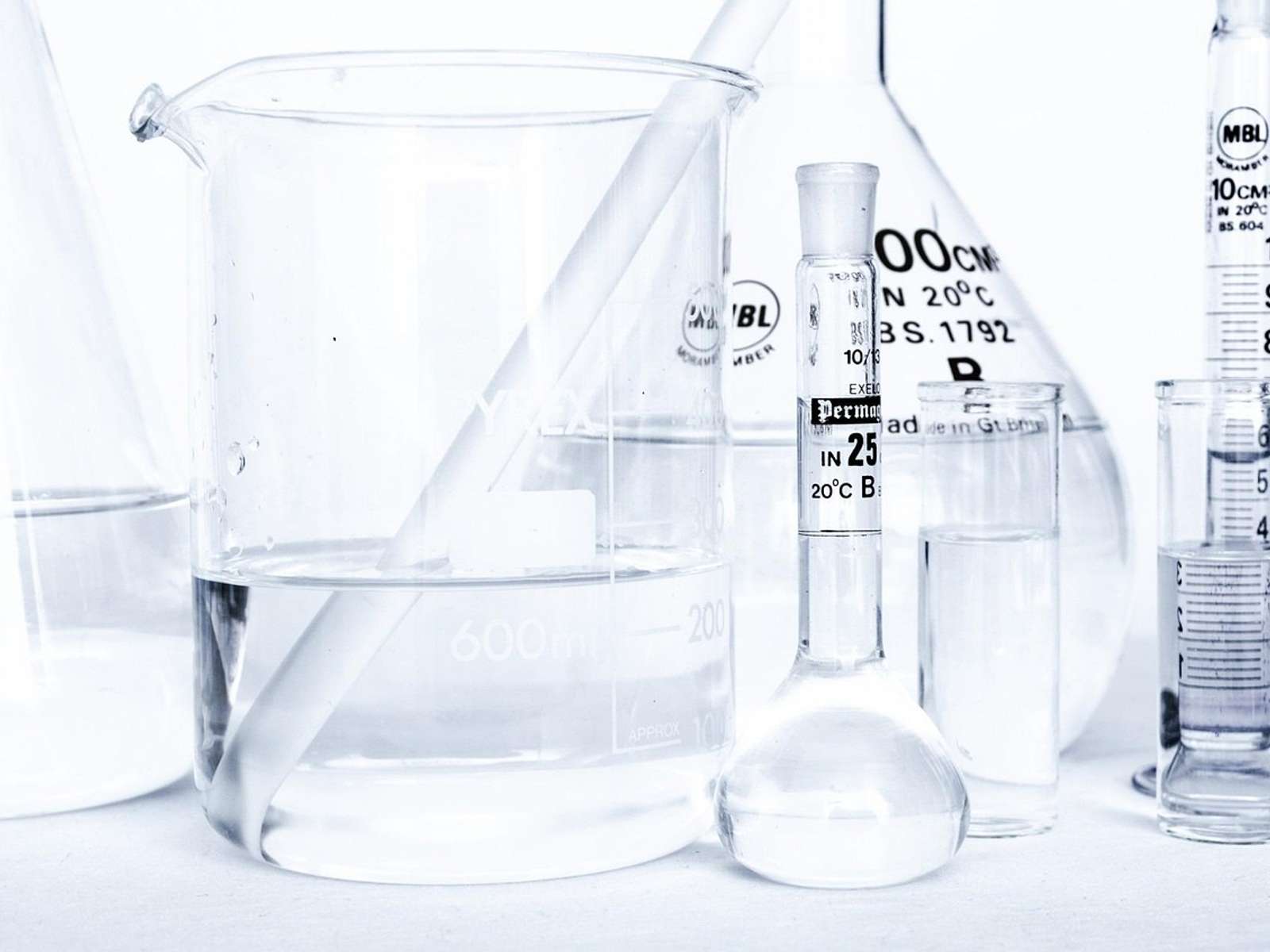
President Cyril Ramaphosa opened the CSIR's FuturePharma facility in Pretoria on 7 October. The open-access site helps researchers and young companies scale up medicine ingredients, part of a push to cut South Africa's reliance on imported drugs.
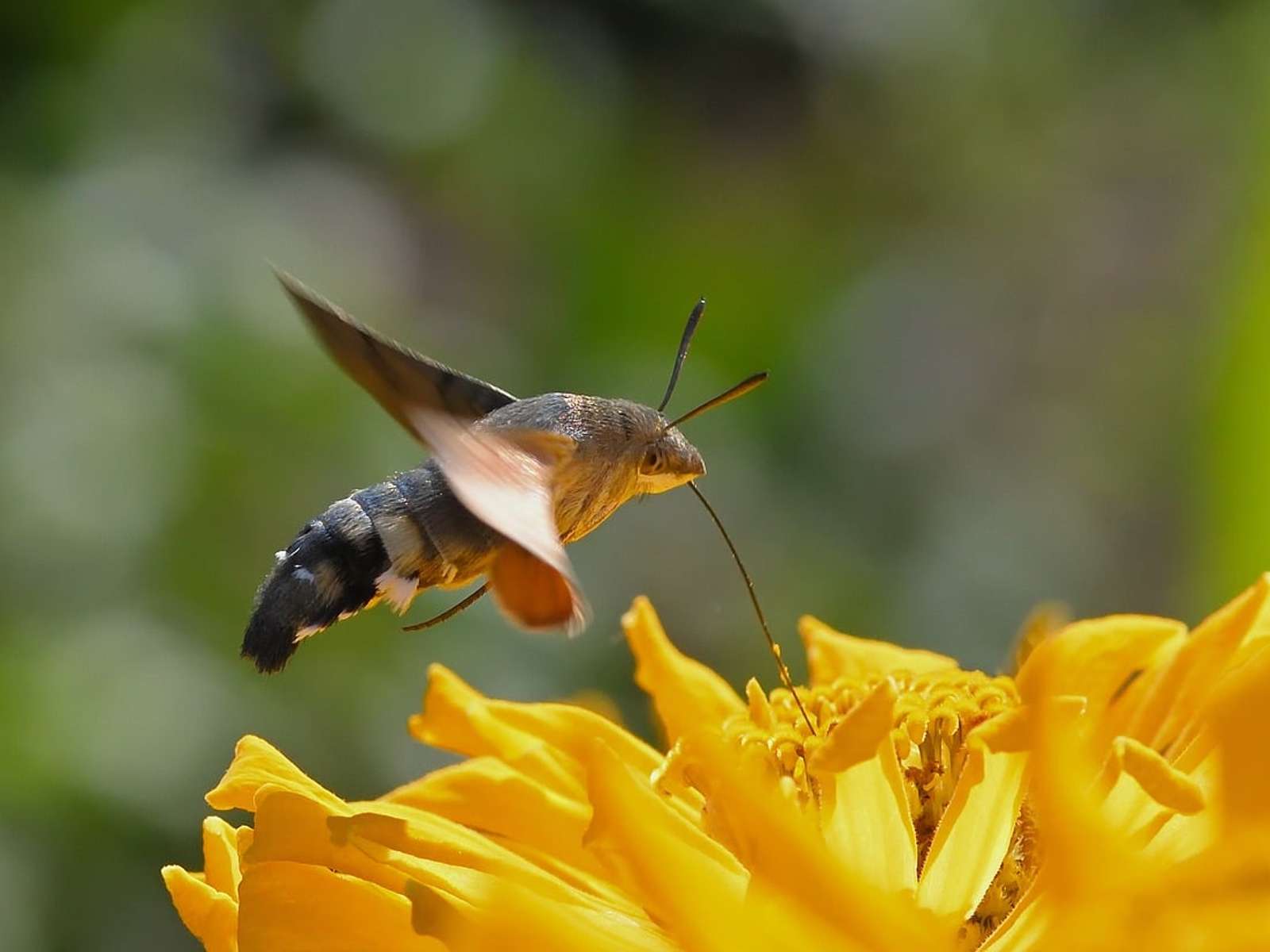
Attacus Acoustics, a new University of Bristol spinout, is commercializing a sound-absorbing material inspired by moth wings that it says can be up to ten times thinner than conventional soundproofing.

ACME Solar has brought 107 MW / 437 MWh of new battery energy storage online at two projects in Rajasthan, taking the company’s operational storage capacity in India to 4.96 GWh.
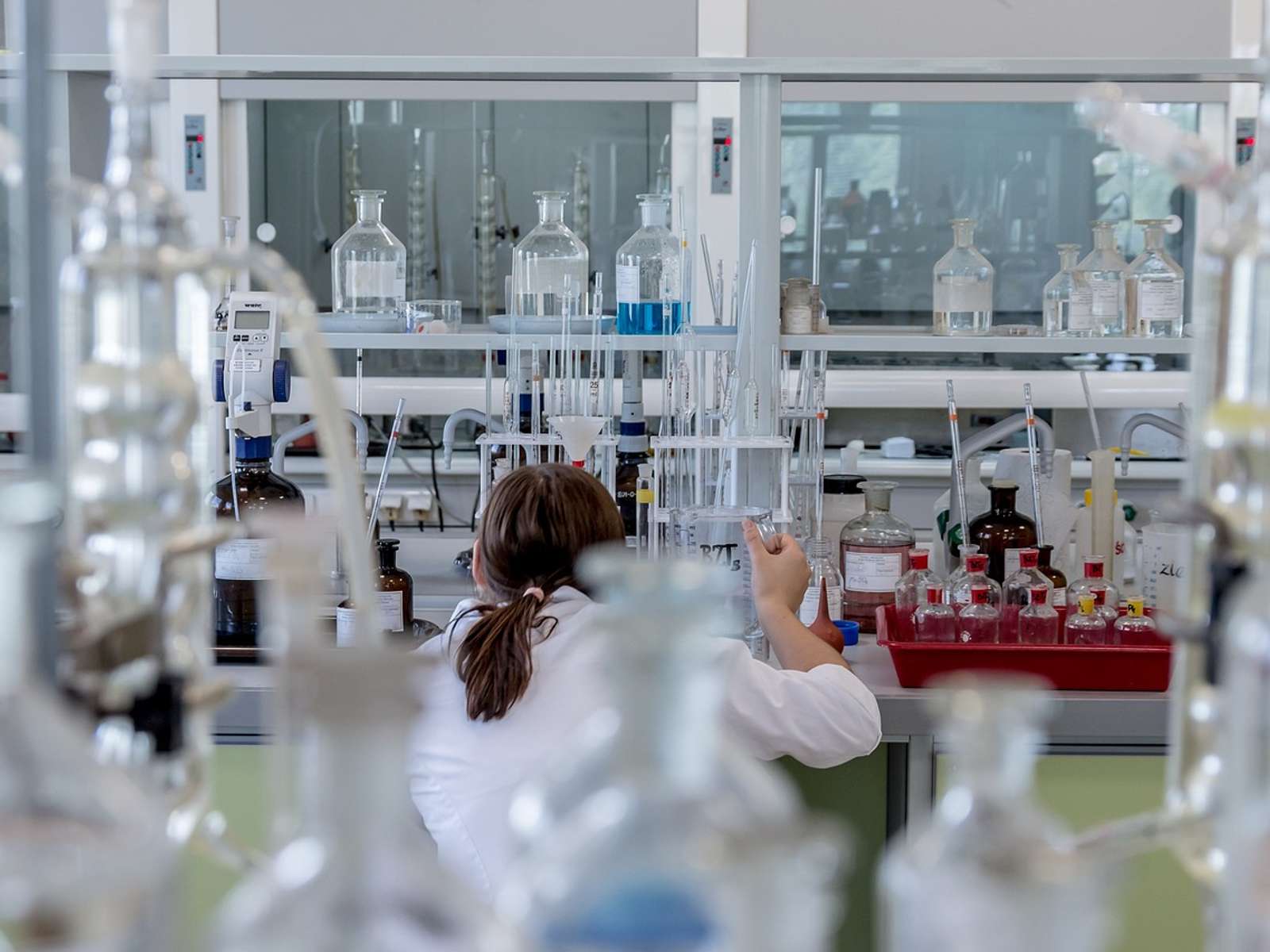
Oregon State University chemists report a light-driven material that produces hydrogen from water using sulfur-containing organic parts instead of an added expensive metal catalyst, a design they say could help lower the cost of green hydrogen.

Rezolv Energy has switched on the first phase of its VIFOR wind farm in Buzău County, 30 Vestas turbines producing 192 MW, the largest wind project brought online in Romania in more than a decade.

Engineering firm GICON has raised a pilot wind turbine in Schipkau, Germany, to 365 meters, with its hub at 300 meters. It should start running in November and is designed to tap stronger, steadier winds high above ordinary turbines.
A Binghamton University team built paper wallpaper that generates a small current from room humidity. An array of 1,596 units powered a wireless keyboard and lowered the room's humidity in lab tests.
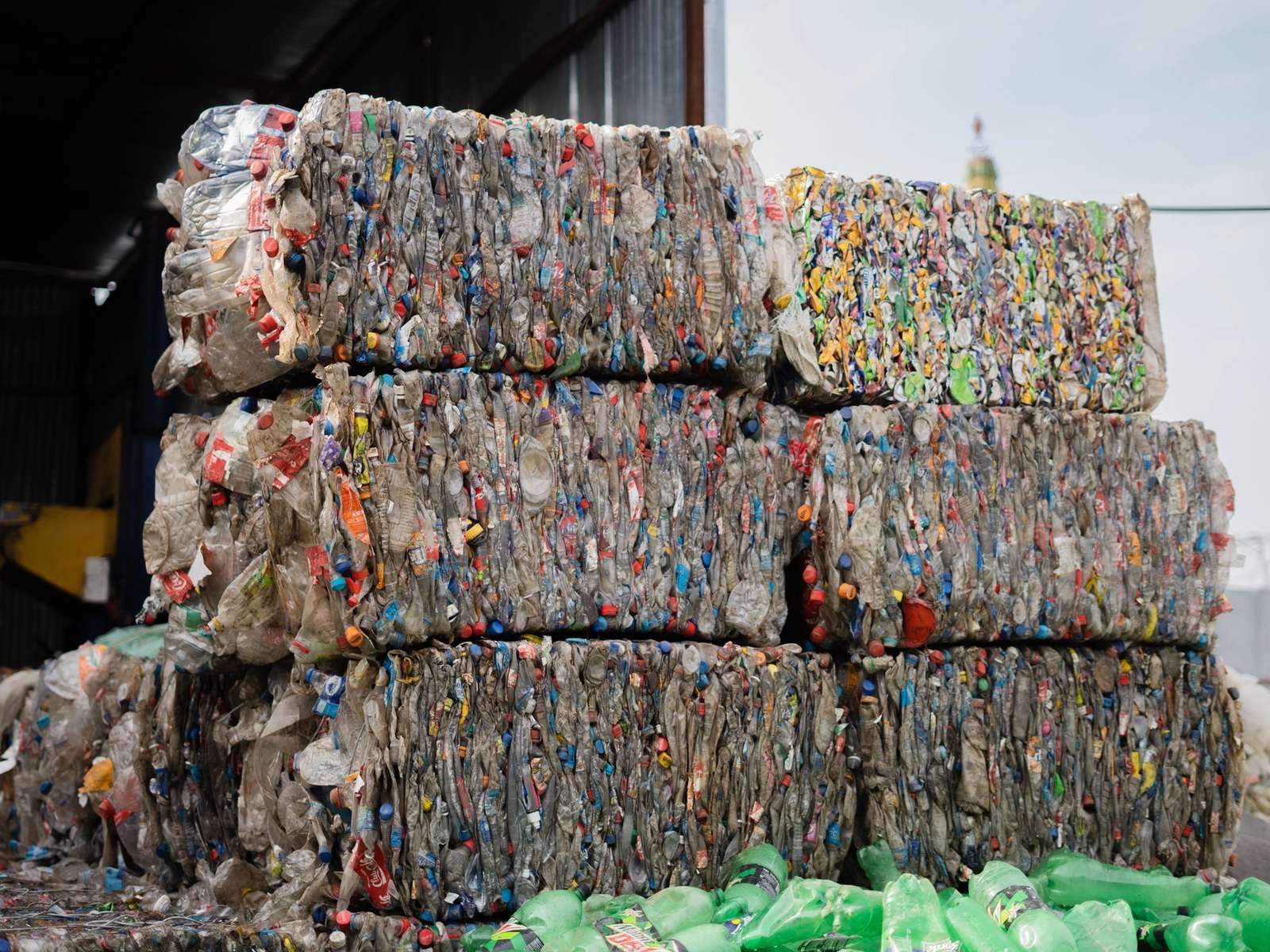
A University at Buffalo team led by Amit Goyal has built a sensor that measures recycled plastic content directly, without relying on paperwork, earning two 2026 R&D 100 Awards and a patent application.
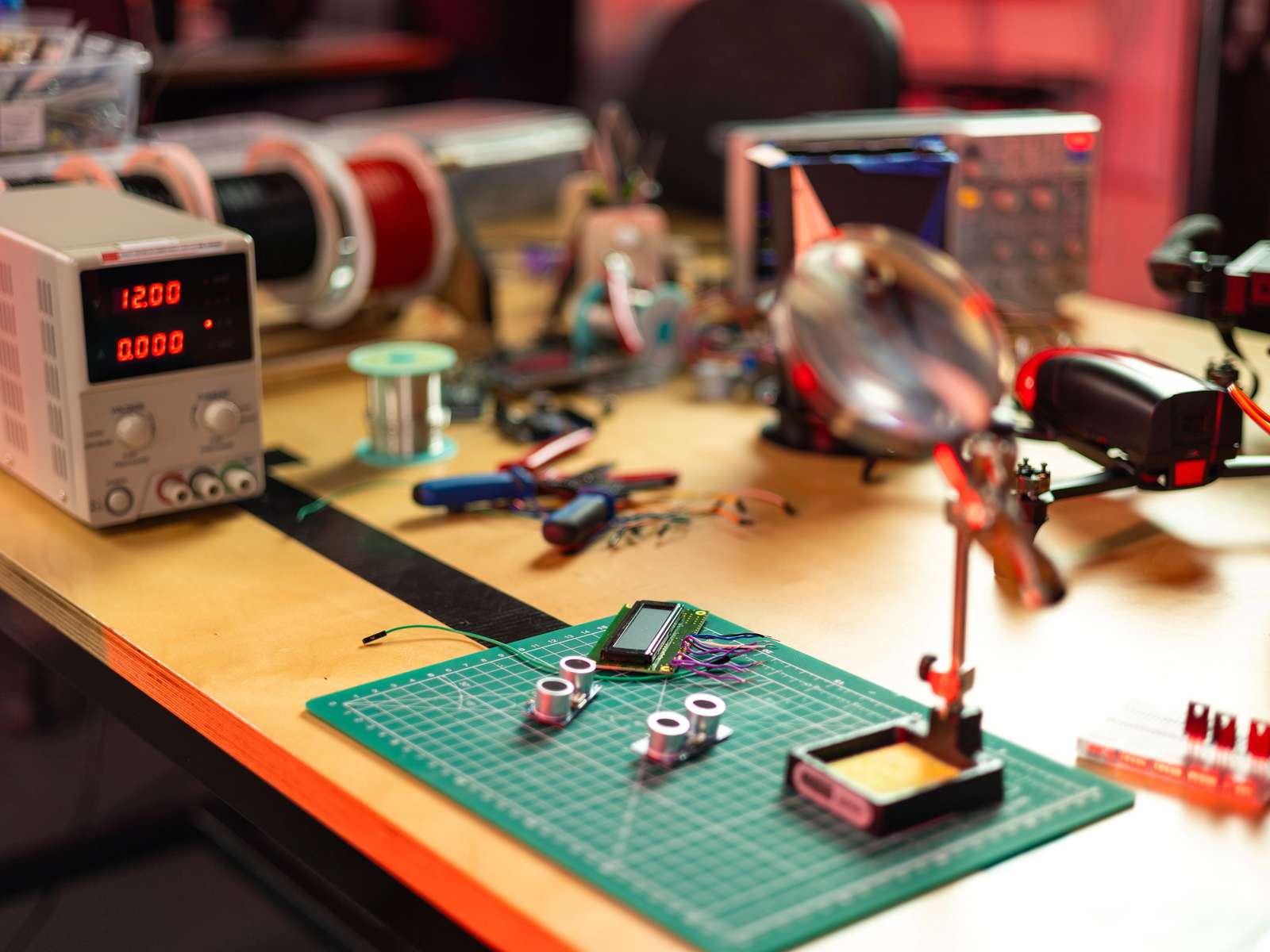
MIT researchers have built 3D-printed "bifur-circuit" blocks that reconfigure into a huge range of stable shapes while keeping their electrical connections fully intact, a step toward furniture and gadgets that can physically transform.